General Information
Sapa is a small, post-French town located in the Lao Cai province in northwestern Vietnam, close to the border with China. On one side rise the majestic Hoang Lien Mountains, while on the other, the rice terraces of the Muong Hoa Valley create an incredibly picturesque landscape. When you come to Sapa, you will be transported to a true rice kingdom, where you can cut yourself off from the chaotic Vietnamese streets for a moment and indulge in blissful relaxation amidst almost surreal landscapes. Sapa is famous for the presence of numerous ethnic groups, whose members still cultivate their traditions. Wandering through the villages, you will meet many craftsmen. There are old ladies weaving baskets and sewing clothes, craftsmen making jewelry, and kids selling braided bracelets. Go to the market, where you can buy fresh produce and handmade souvenirs. Here you can experience local hospitality by spending a night with our friendly Vietnamese hosts belonging to the ethnic groups of the Sapa region. The time spent here will give you a unique opportunity to learn about the local, traditional culture and customs of the people, surrounded by natural and wild nature.
Sapa – the rice paradise of Vietnam – what is worth seeing?
Sapa's labyrinth of urban streets hides many unique places, from markets with local handicrafts and delicious street food, through a museum that is a real treasure trove of knowledge about the region and its people, to a cathedral built by the French. The surrounding area is above all a land of diversity - a short walk among the houses in a local village is enough to be endlessly delighted with the local culture. Sapa is also a real treat for lovers of trekking and mountain landscapes, from the vast rice fields in the Muang Hoa valley, which create such a characteristic view of the Vietnamese province, through the Silver Waterfall and Love Waterfall, from where you can admire the forests of Huang Lien National Park, to the demanding climb along the trails of Fansipan Mountain, on the top of which, with a bit of luck, you can find yourself above the clouds.
Weather in Sapa – when to go on holiday?
Sapa is located at an altitude of 1500-1800 m above sea level in the province of Lao Cai. The weather in and around Sapa is temperate with distinct seasons. The average annual temperature ranges from 15 to 18 °C. In summer, the temperature rises to around 28 °C and there is often heavy rainfall. In higher areas, the temperature can drop to 0 °C and snowfall can occur. The best times to visit Sapa and explore the area are from March to May and from September to November.
Attractions, monuments in Sapa - holiday guide
Sapa Museum
It is impossible to fully understand and explore the town of Sapa, its people and cultural heritage without visiting the museum. Its collection includes about 200 exhibits, including traditional costumes, tools, everyday objects, numerous publications and documentaries about the unique lifestyles of ethnic groups living in this mountainous area, such as the Hmong, Tay, Giay, Xa Pho, Ha Nhi and Red Dao.
Sapa Market
Sapa Market is a bustling daily market located in a specially adapted two-story building near the bus station. It is a fusion of colors, scents and handicrafts. A visit to the market is a great opportunity to watch locals selling fresh produce and buy handmade ornaments or tools.
Sapa Night Market
The night market located near the church in the city centre is the perfect attraction for those looking for an evening adventure, as it opens daily in the late afternoon and closes at around 22pm. Lose yourself in the bustling maze of stalls selling handicrafts, colourful fabrics and aromatic local food and soak up the unique atmosphere.
Church in Sapa
The stone cathedral in the city center was built in the neo-Gothic style by French colonizers in the early 20th century. Today, the church is not only a place of religious worship for the local community and tourists, but also the main place where many traditional cultural activities of the local population take place.
Unique places around Sapa
Rice terraces in the Muong Hoa Valley
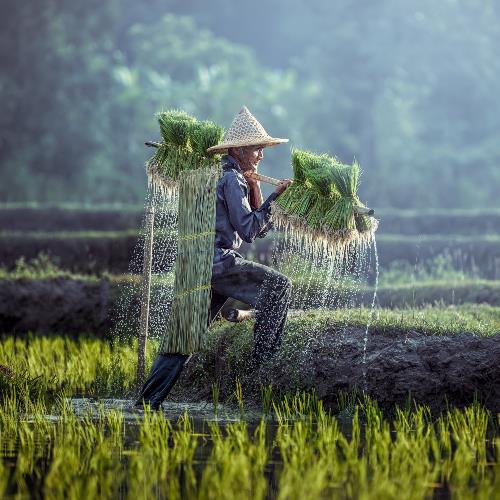
The picturesque rice terraces around Sapa are considered among the most beautiful in the world and are a hallmark of the Muong Hoa Valley. They have even been declared a national heritage by the Vietnamese government. Endless stretches of rice fields cover the mountainsides, changing color from lush green in spring to golden yellow in autumn. Visitors can go on a trekking tour of the Muong Hoa Valley to see traditional farming practices and even participate in some agricultural activities, such as planting and harvesting.
Cat Cat Village
Located at the bottom of the Muong Hoa Valley, the village of Cat Cat is inhabited by the H'mong people. Here, you can admire not only the stunning views of the mountains and rice terraces, but also learn about the lifestyle of the locals. Walking around the village, you can see traditional houses, women embroidering, and learn more about the production of natural dyes - Cat Cat is famous for its technique of making blue dye from the leaves of local plants and for the talented craftsmen who create beautiful gold and silver jewelry.
Silver Falls
North of Sapa town, a winding road leads through scenic countryside to Silver Waterfall, also known locally as Thac Bac. It’s one of the region’s most popular attractions and a great choice for less experienced hikers – the trail through the forest is relatively short and easy to follow. The waterfall is about 200 metres high and takes its name from the high cascade of water that looks like a silver ribbon in the sunlight. Along the way, visitors can admire lush vegetation and enjoy the fresh mountain air.
Fansipan Mountain
The destination of many trips is the highest peak in Vietnam - Fansipan Mountain (3 m above sea level). Comfortable shoes, sunscreen and a bit of enthusiasm are enough to enjoy the breathtaking views and mountain air. Hiking on the slopes of Fansipan is demanding, so you can use an alternative way to reach the top - a cable car. In good weather, in the highest parts of the mountain you can feel almost like in heaven, when clouds move below the peak and completely cover the area.
Ta Phin Village
Ta Phin is a small village located at the foot of the Hoang Lien Son mountain range, about 15 km from the city of Sapa. The Red Dao people living here still maintain their customs: arranged marriages, traditional techniques of dyeing silk in light yellow and dark orange, and collecting medicinal plants to prepare a traditional bath. The name of the Red Dao minority is not at all accidental, as it refers to the characteristic red headgear worn by women and girls.
Sapa Glass Bridge
Sapa Glass Bridge was built on the slopes of O Quy Ho Pass, about 17 km from Sapa, and rises 500 meters above the valley floor, giving the impression of being suspended in mid-air. The bridge is also known as Rong May Glass Bridge, which literally means the Glass Dragon Bridge in the Mountains. There is no denying that even a brief glance into the deep abyss while walking on this structure guarantees an unforgettable experience. However, it is worth mustering up the courage to step onto the bridge to look into the distance and admire the breathtaking scenery of the impressive Four Great Passes of Vietnam.
Cuisine in Sapa – what is worth eating on your trip?
Sapa is not only mountain landscapes and rice fields, but also a unique place on the culinary map holidays in Vietnam. Numerous ethnic groups enrich Vietnamese cuisine in a unique way and guarantee completely new taste experiences. The local cuisine is primarily fresh, locally sourced products. Dishes most often contain meat and fish, although vegetarians will certainly find something for themselves. It is worth taking a culinary journey through the streets of Sapa, where stalls are bending under the weight of unusual delicacies: dried buffalo meat, colored rice, apple wine and many others. One of the most famous dishes of the region is a dish characteristic of the Hmong people, usually eaten during holidays - thang co. It is an extremely aromatic broth made from meat, bones and offal, which is seasoned with over 20 types of herbs. Traditionally, horse meat is used to prepare it. However, do not worry, in Sapa you can also find broth made from pork and beef. Another noteworthy dish is gen da chicken. It is prepared in many different ways, but we especially recommend grilled gen da with honey. Why is this very simple dish so special? It is made with chicken with characteristic black meat. We also recommend one of the most popular snacks, banh hat de. It is nothing more than deep-fried wheat flour dough filled with chestnut filling.
When to go?
Gallery