General Information
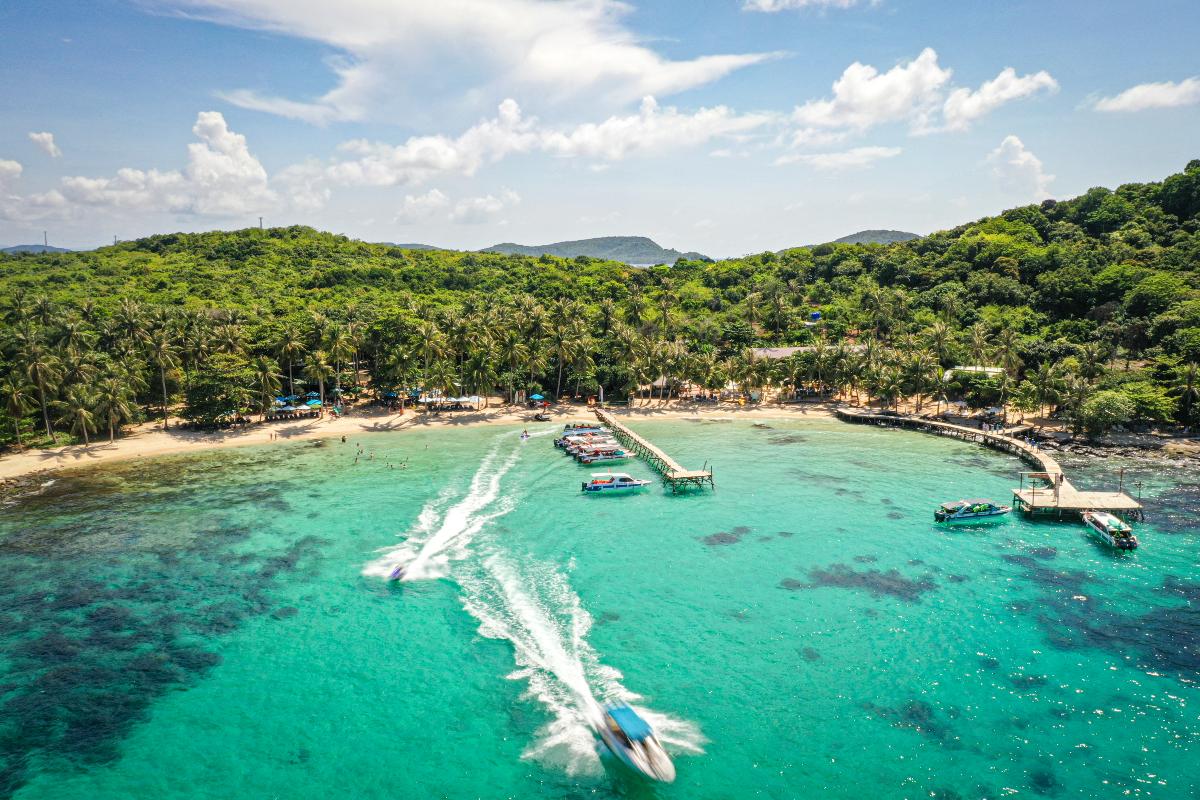
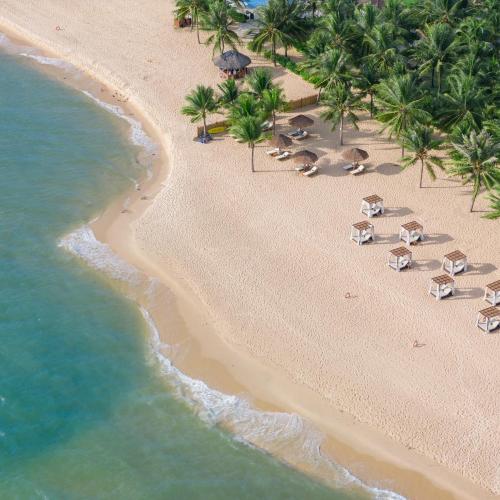
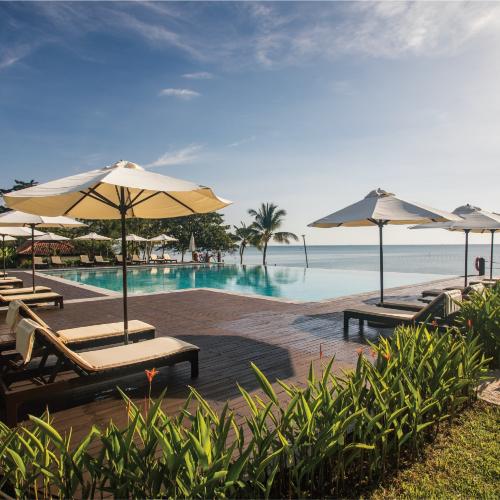
Located right on the border with Cambodia, Phu Quoc Island offers beautiful, long, sandy beaches and the clear turquoise waters of the Gulf of Thailand. Once a sleepy fishing island that lived its own life and at its own, unhurried pace, it was transformed into a prisoner of war camp during the civil war. It is the largest island in Vietnam, famous for two traditional products: fish sauce (nuoc mam) and black pepper. In between sunbathing, swimming and massages, you can go on a bike tour around the island or explore the shores of the island by kayak.
When is the best time to go to Phu Quoc?
Phu Quoc has two seasons: dry and wet. The dry season, from December to March, is definitely the best for both beach time and sightseeing – temperatures average 25°C, and rainfall, if it does occur, is usually short and fleeting. The wet season occurs from June to November. It is much warmer then – in April and May the mercury can exceed 35°C, and humidity reaches 90%. During this period, you can expect rain several times a day, so it is not the best time to go on holiday to Phu Quoc.
What to see in Phu Quoc
Khu Tuong
Where does pepper grow? On Phu Quoc! Khu Tuong is its largest plantation, a place increasingly visited by tourists who learn about the life of farmers and how this essential spice is grown in the kitchen. The island is called the "kingdom of pepper", and it is grown mainly in Ganh Gio, Suoi Da, Suoi May, and especially in Khu Tuong (about 15 km from Duong Dong). The plantations not only bring great economic benefits, but are also a valuable tourist attraction. In economic terms, the value of 1 kg of dry pepper is 6,7 times higher than 1 kg of coffee! A visit to the plantation is also a great opportunity to make purchases, especially since the pepper from this place is characterized by high quality.
Ngoc Hien Pearl Farm
The Ngoc Hien Pearl Farm is a place where you can both buy pearls and see how they are made. On the ground floor there is a shop and a small café, while in the basement there is a museum. As you go down the stairs you will see giant oyster shells that are thousands of years old, while the exhibition includes shells covered with intricate carvings. You will also have the opportunity to see how pearls are grown, how long the process of their creation takes, how shells are selected to obtain the desired shape, color and size, and how to determine their authenticity.
Coconut Prison
The prison, built in 1949-1950 by French colonialists, was initially used to hold communists and political dissidents, and during the civil war – captured Viet Cong and North Vietnamese soldiers. The prison was closed after the reunification of the country, but has been open to visitors since 1996. There are several exhibitions here, which are extremely interesting, especially for those interested in Vietnamese history. Coconut Prison was the largest prison in Southeast Asia.
Phu Quoc's Best Beaches
Sao Beach
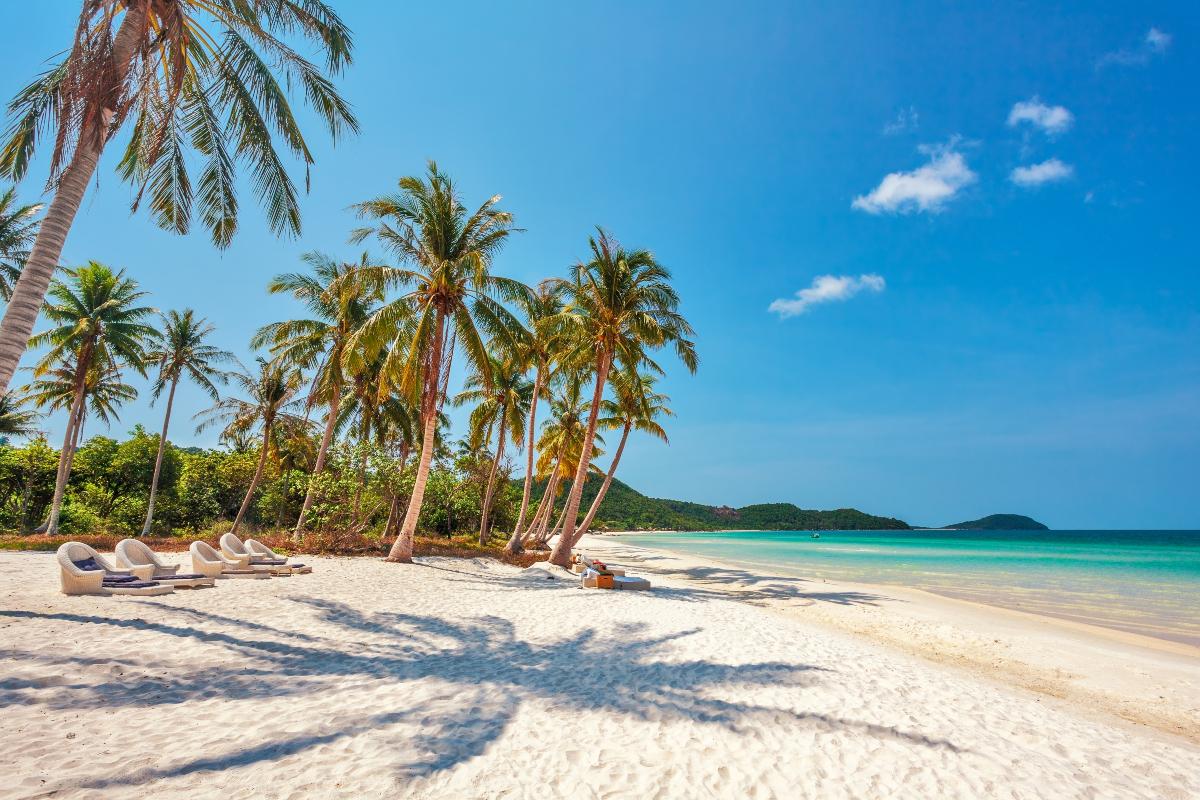
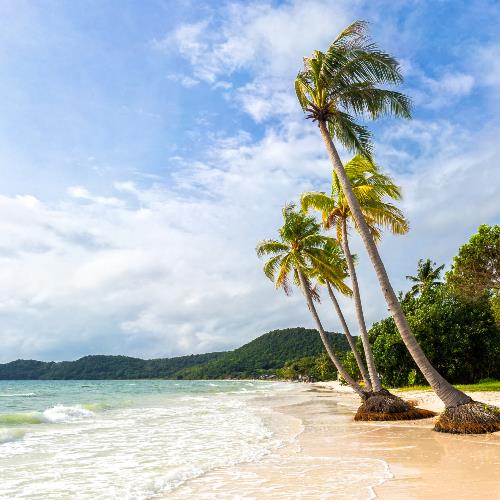
The most popular beach on Phu Quoc, covered with coconut palms, is located in the southern part of the island and delights with its soft, white sand.
starfish beach
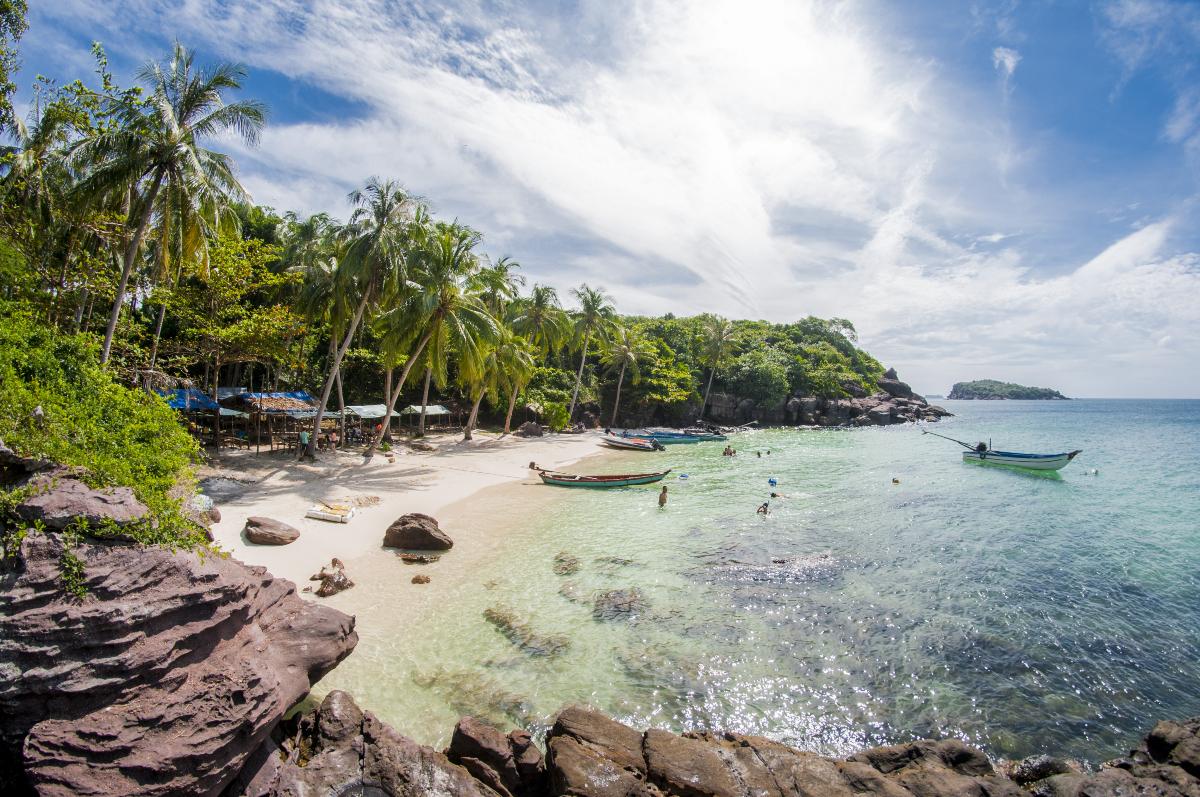
Clear, crystal blue and calm, with exceptionally smooth white sand, it is famous above all for the thousands of colorful, beautiful starfish that live here. Go here if you are in Phu Quoc during the dry season – at other times you probably won’t see these charming creatures.
Kitchen on Phu Quoc
If you can't imagine a vacation without delicious cuisine, the Vietnamese island of Phu Quoc will be a great choice! For starters, we suggest an exotic version of herring salad, with coconut, chili and lime juice, and for the main course - bun ken, rice noodles with fish broth with the addition of coconut milk and lemongrass. If you feel like less exotic and more traditional flavors, order grilled fish and seafood. It is worth washing down your dinner with a delicious, aromatic coffee - Vietnam is the second largest importer of coffee in the world!
When to go?
Gallery