General Information
Seoul is a sprawling, vast and densely populated city that has been setting the course for South Korea’s development for years, while not forgetting its proud, rich past. One of the oldest settlements in Asia, Seoul boasts the world’s fastest internet, and 100-story skyscrapers tower over thousand-year-old Buddhist temples. More than 10 million residents are equally committed to work and entertainment, and the nightlife doesn’t stop until the early morning hours.
The number of ways to spend your time can be mind-boggling! Want to experience the charm and richness of Seoul's nature? Bukhansan Mountain is the world's only national park located within a city, and Seoul Forest on the Han River is a magnificent enclave of lush vegetation, dotted with colorful spots of mandarin ducks, whose beauty can only be rivaled by the beauty of cherry blossoms blooming in April. Seoul also has a rich offer for culture lovers: you can't miss the Changdeokgung Palace complex, which consists of magnificent royal buildings, the oldest of which are over 500 years old, or the National Museum of Korea, the country's largest treasury of monuments, religious objects and exhibits evoking the country's history and traditions. Another unforgettable experience is a walk through the narrow streets and atmospheric teahouses of Insadong, and an experience from the category of original, unusual tourist adventures is a visit to the demilitarized zone, on the most fortified border in the world, stretching on the border of both Koreas, where armed soldiers from the north and south look each other in ominous silence. Seoul – what to see, try, experience?
Sightseeing in Seoul – what is worth seeing?
A trip to Seoul is an opportunity to see Korea from both sides, the traditional and the modern. The capital has preserved many monuments, such as the Jangmo Temple, the atmospheric Bukchon district, and the palaces of the rulers of Gyeongbokgung and Changdeokgung. Don't miss the changing of the guard ceremony, which takes place every day at 10:00 and 14:00 at the main gate of Gyeongbokgung Palace. The guards are dressed in Joseon Dynasty royal costumes, and the event is accompanied by traditional music. And now it's time for a modern version! Dongdaemun Design Plaza is an art center with interesting cultural events and amazing futuristic architecture, although it probably won't be the first thing you think of when you type in Google "Seoul Tourist Attractions". But it's really worth it! In Lotte World Mall you will find a huge aquarium, an amusement park modeled on Disney's park, a large shopping mall and a phenomenal observation deck at the top of Korea's tallest skyscraper - Lotte World Tower. The Gangam district - is a mecca for lovers of luxury, expensive clothes and cosmetics and fans of Starcraft. In the vicinity of Seoul there is also Bukhansan National Park, entered in the Guinness Book of Records as... the most visited national park in the world. And once you've seen the most interesting places in the capital, try to experience it - go to a Korean barbecue, wander around the market, see traditional dance and go to a K-pop concert.
Weather in Seoul – When to Go on Vacation?
The best time to visit the city is in spring – in May and June, and in autumn – from September to October. The days are full of sunshine, but there is no heat that accompanies the summer months. The temperature fluctuates between 20-27°C, and rain is sporadic. The city hosts many outdoor events and festivals, such as the Seoul International Fireworks Festival. If you don't mind the cooler temperatures, it is worth coming to Seoul at the turn of March and April, when the city, thanks to the cherry trees, blooms pink.
Seoul Cuisine – What’s Worth Trying?
The essence of Korean cuisine is kimchi – pickled Chinese cabbage with various additions, such as rice, soy, chili peppers or oysters. It is not without reason that this dish has been included on the UNESCO list. As in other Asian cuisines, the basis of the Seoul resident's diet is rice, which is served with almost every meal. A trip to Seoul is an opportunity to see the Korean way of feasting. Koreans like to eat dishes ordered together. Banchan is ideal in such a situation. These are small portions of various dishes, bowls and plates full of various delicacies, such as: grilled meat (gogigui), the famous bulgogi beef, ribs (kalbi), sweet potato paste (goguma) and many others. Try the Korean version of a hot pot (jeongol) full of meat or fish, tofu, vegetables and mushrooms. Interestingly, in the old days this was a dish reserved only for the elite. Bibimbap is a legendary dish. In Korean, it simply means "mixed rice," and it is served with a whole range of delicacies seasoned with gochujang paste. Some dishes may surprise you, such as kkori gomtang, a soup made with oxtails; hoe, or Korean sashimi, which includes various sea creatures; and sannakji, a live octopus seasoned with sesame oil and spring onions.
Luxury vacation in Seoul
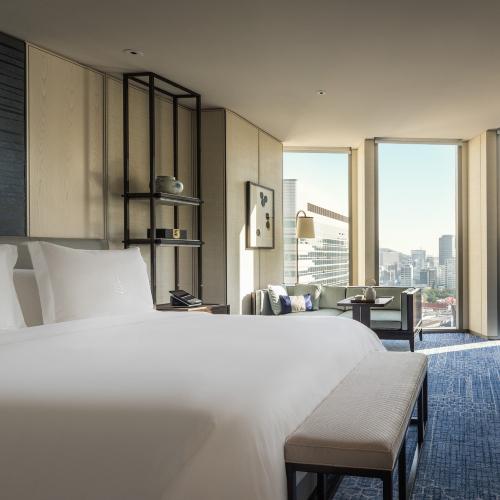
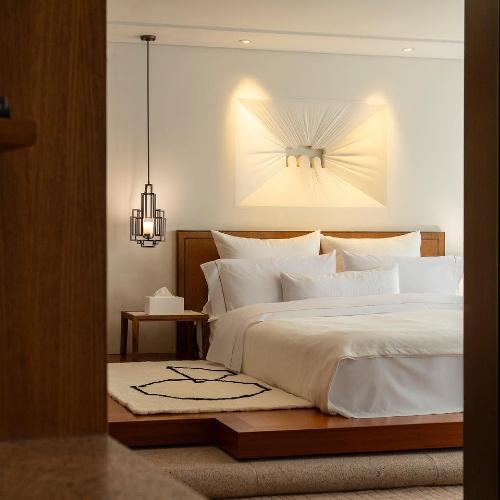
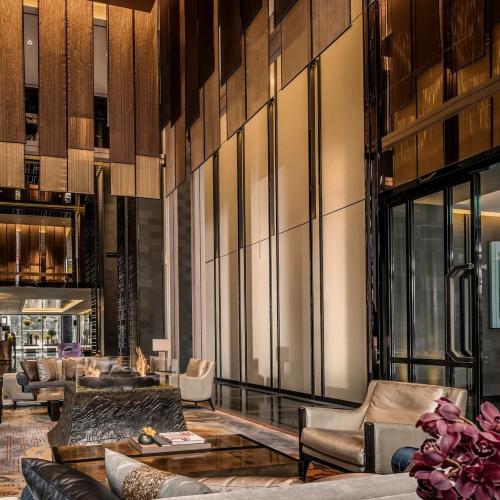
Gangnam Style – remember the worldwide hit by the South Korean singer Psy? At one time, the world went crazy about it. What is this song about? Gangnam is one of the districts of Seoul – very rich, full of luxury and splendor, and Gangnam style is simply a luxurious lifestyle. Do you want to go on a luxurious vacation in Seoul and feel like a celebrity? Treat yourself to a visit to Jenny House, a whistle at the hairdresser, visit the flagship beauty salons and definitely go shopping around Garosu-gil and Apgujeong Rodeo Street. This is a hub of luxury brands such as Chanel, Hermes and Dior, as well as great stores with stylish gadgets and designer items for interior design. Is Seoul a trip only for rich tourists? Even if you don't want to buy anything, the displays and interiors of the stores themselves make a stunning impression. In the capital of Korea, there are many elegant, luxurious hotels to choose from, and wonderful restaurants tempt with unique flavors prepared by brilliant chefs.
Unique places in Seoul
The capital of South Korea is full of attractions. Below we have included our subjective list of the most interesting places. Remember that Seoul is also a fascinating city to walk around. It is worth getting lost in the alleys of parks, colorful streets and ordinary residential areas of this bustling metropolis. You will certainly discover many interesting facts that are not included in any guidebook.
Gyeongbokgung Palace
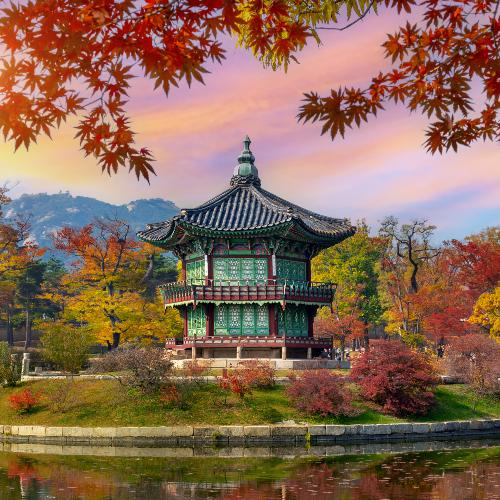
It is one of the most important and beautiful monuments in South Korea. Gyeongbokgung Palace was built in 1394 by King Taejo, considered the founder of the Joseon dynasty. It was during the reign of this dynasty that the capital of South Korea was moved to Seoul, and the Chinese script was replaced with the native one. The palace was almost completely destroyed twice by the Japanese, which is why today's buildings are largely reconstructions of the former estate. Despite its turbulent history, Gyeongbokgung, also known as the Northern Palace, is considered the cultural heart of Seoul and a place of exceptional historical importance.
South Korea: Bukchon Village in Seoul
Bukchon Village can be found between Gyeongbokgung Palace and Changdeokgung. Although it is called a village due to its specific climate, it is simply a historic district of Seoul, where people live every day, there are many atmospheric hotels, restaurants and teahouses. What is unique about it are the old hanok houses, dating back to the Joseon Dynasty. They were built of clay, stone and wood and covered with characteristic, curved roofs with ceramic tiles. The doors and windows of the hanoks are made of traditional Korean paper, soaked in oil. A visit to the village is a unique opportunity to immerse yourself in traditional Korean culture.
Seoul - Jongmyo Shrine
Jangmo is the oldest Confucian temple in South Korea and one of the oldest in the world. For centuries, the reigning monarch would visit the temple to ask the ancestors to protect the people and the country. The rituals were accompanied by music, singing and dancing. Interestingly, these traditional ceremonies are still held today, and the Royal Ancestral Rite has been recognized as an Intangible Cultural Heritage of Korea.
Changdeokgung Palace in Seoul
Among other Korean palaces, it is distinguished by the secret Huwon garden, which was accessible only to the royal family and high-ranking officials. When visiting the palace, it is worth paying attention to the characteristic Japsang figurines, which were used exclusively to decorate royal residences. They represent 9 animals, including: a dragon, a phoenix, a lion, a giraffe, a seahorse, a haetae (a mythical lion-unicorn) and a monkey, symbolizing the authority of the rulers and performing a shamanic function, warding off bad energy and misfortune. In the case of Changdeokgung Palace, they did a great job, because it is currently considered the best-preserved royal palace in South Korea, and its historical value has been appreciated by UNESCO.
N Seoul Tower - Seoul's Highest Point and Big Attraction
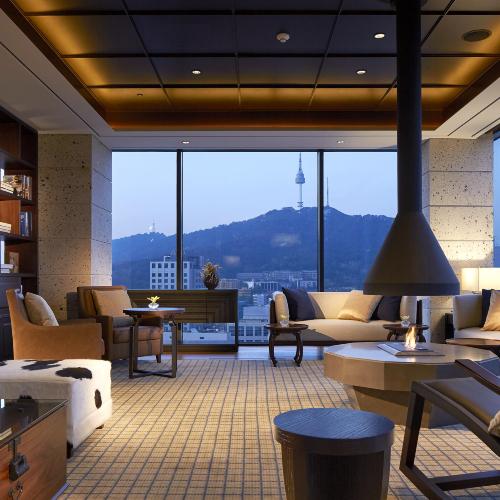
Your trip to Seoul cannot be complete without a look from above at this fascinating metropolis. Although many cities have observation towers, not all of them are as impressive as N Seoul. It was built on the top of Namsan Hill. The view from the hill itself is amazing, let alone after reaching the top of the tower, which is – a trifle – 237 m high! Panoramic views of Seoul can be enjoyed from several observation decks, including a revolving restaurant. Inside, there is also a digital installation presenting the history of Korea. You can take a cable car to Namsan Hill, which departs from Myeongdong Station.
Myeongdong District in Seoul
Why is the bustling and crowded Myeongdong district so famous? You can buy literally everything here, from clothes and gadgets from luxury, global brands to local street food at the huge, 24-hour Namdaemun Market. Twice a year: from late March to mid-April in spring and in September, the Myeongdong festival takes place here, full of artistic performances, music and fashion shows. Seoul what to see in Myeongdong? It is worth visiting the local cathedral, the oldest Catholic church in Korea, and taking the cable car up Namsan Hill, from which there is not only a wonderful panorama of the district, but also of the whole of Seoul.
Yeouido Hangang Park
The Yeouido area was originally a sand island on the Hangang River. Later, the first Korean airport was built here. The remains of it are the Korean Air Force Memorial. Today, Yeouido Park is one of the favorite recreational areas for Seoul residents. In the secret garden, you can observe nature, relax on the grassy meadows, and participate in many cultural events and important ceremonies. The scenery of the park changes with the successive seasons. It is most beautiful here during the cherry blossoms. Yeouido is famous for interesting festivals: Hangang Yeouido Spring Flower Festival and Seoul International Fireworks Festival are held in April and October each year, respectively.
COEX Seoul Marine Aquarium
A visit to the Seoul Marine Aquarium is a unique experience for both children and adults. There are 14 thematic zones available for sightseeing, which are home to over 650 species of land animals and fish. Part of the exhibition can be viewed by walking through an underwater tunnel and feel like you are walking on the ocean floor. Be sure to take part in feeding rays, sharks, seals or friendly penguins. A holiday in Seoul is a unique opportunity to learn more about life in the ocean. COEX also reveals the secrets of the Amazon to you - from fascinating electric eels that send shivers down your spine to the largest freshwater fish in the world called pirarucu.
Ihwa Mural Village
Walking through one of the most atmospheric districts of Seoul, it is hard to imagine that not so long ago it was slated for demolition. It has always been inhabited by workers and the poorer class of residents who could not afford to live in the city center. Despite their modest living conditions, they lived in a district called daldongnae, or "moon village." It was believed that it was closer to the moon from here. No wonder, Ihwa Mural Village is located on the slopes of Naksan Hill, not far from Changgyeonggung Palace. In 2006, the poor district was transformed into the artistic heart of the city full of interesting installations, sculptures and murals, and the atmosphere of the district is remembered for a long time.
When to go?
Gallery