General Information
Sightseeing in Kyoto – what is worth seeing?
The former capital of Japan houses 2000 active temples, plus countless closed ones and shrines. Kyoto is the most touristy destination in the country. Kyoto is the most famous center of geisha culture. A private evening with a geiko or maiko in Kyoto typically costs from 30 to over 000 yen per person, depending on the program and location. Kyoto was the capital from the 100th century AD to the mid-000th century, but its glory days still endure. Pilgrims still come here, believing in the miraculous power of this place. Among the gardens, temples, Japanese women in kimonos, and schoolgirls in uniforms, you can get lost and forget the passage of time.
Weather in Kyoto – when to go on holiday?
Kyoto's climate is typical of the Kansai region and is classified as a temperate monsoon. Summers in Kyoto are hot and humid, with high temperatures often exceeding 30°C (86°F). Humidity is also high during this period, which can make the heat seem even more intense. The rainiest period is June and early July, which is the rainy season. August is also very hot and humid. In winter, Kyoto's weather is relatively cool, but usually not very severe. Temperatures rarely drop below 0°C (32°F), and while snowfall is possible, it is not very frequent or heavy. One of the best times to visit Kyoto is spring, especially late March to early April, especially for the famous cherry blossoms (sakura), which attract many tourists. Temperatures are moderate during this time, and the landscapes become particularly picturesque. Autumn is also attractive due to the pleasant temperatures and changing leaf colors, especially in November. This time of year is ideal for visiting Kyoto's numerous historical sites and temples. Precipitation in Kyoto is fairly evenly distributed throughout the year, but June and early July are the rainy season, when it rains heavily and frequently.
Attractions, monuments in Kyoto - holiday guide
Kinkaku-ji – The Golden Pavilion
Kinkaku-ji, also known as the Golden Pavilion, is one of the most famous Kyoto attractions and the symbol of the city. It is a historic temple complex, a UNESCO World Heritage Site, and a key place for understanding Japanese culture and history. Originally built in the 14th century as a villa for the shogun Ashikaga Yoshimitsu, Kinkaku-ji was converted into a Zen temple of Rinzai Buddhism after his death. The pavilion is known for its impressive architecture, with each of its three floors representing a different architectural style: Heian palatial, warrior and Zen. The name “Golden Pavilion” comes from the gold leaves that cover the two upper floors of the building, giving it an extraordinary glow. The pavilion is surrounded by beautifully landscaped Japanese-style gardens that change appearance with the seasons, offering different faces. The pond reflecting the pavilion and the surrounding trees and stones create a harmonious whole, a perfect example of Japanese garden aesthetics.
Higashiyama
Higashiyama is one of the most famous and picturesque districts of the former capital of Japan, famous for its historic temples, traditional streets and stunning views. It is the perfect place for those who want to experience the classic atmosphere of old Kyoto. Higashiyama, which literally means "Eastern Mountain", is located on the eastern outskirts of Kyoto, at the foot of the Higashiyama Mountains. This Kyoto tourist attraction is known for its narrow, winding stone-paved streets, traditional wooden houses, and numerous shops and cafes offering local crafts and traditional sweets. Higashiyama is home to some of Kyoto’s most famous temples, including Kiyomizu-dera, famous for its wooden terrace that offers impressive views of the city, and Yasaka Shrine, Kodai-ji, and Chion-in, each with unique architectural features and gardens. This district is a great place to explore traditional Japanese culture, from visiting historic temples to shopping for crafts and local produce. You can also take part in a traditional tea ceremony and sample local specialties.
Arashiyama Bamboo Forest
The Arashiyama Bamboo Forest, located in the western part of the city, is known for its atmosphere and beauty, making it one of Kyoto's top attractions. Tall, slender bamboo shoots create a unique green space that changes character depending on the time of day and weather conditions. The rustle of leaves in the wind makes walking among the bamboos a relaxing experience. The forest's surroundings also offer other attractions, such as the Tenryu-ji Temple, one of Kyoto's main Zen temples, and the picturesque Togetsukyo Bridge, which offers beautiful views of the surrounding mountains and river. There are also numerous shops and restaurants in the area, where visitors can sample local culinary delights. The best time to visit is early morning or late afternoon, when the area is less crowded. The forest is especially beautiful in the morning sun or when it is softly lit after dark.
Geishas in Gion
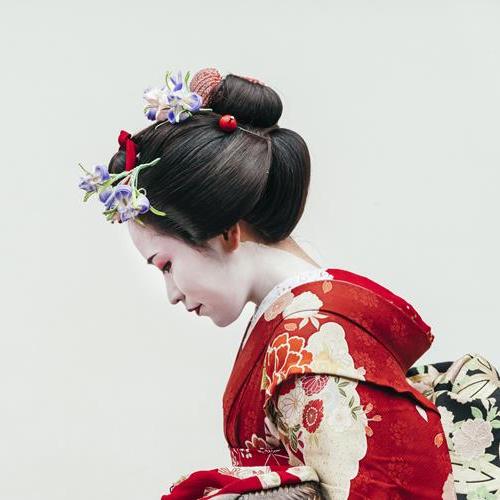
A geisha, known in Japan as a “geiko,” is a woman trained in a variety of traditional artistic skills, including playing instruments, dancing, singing, and the art of conversation. Training to become a geisha is long and demanding, often beginning at a young age in okiya—geisha houses. It’s not just a skill; it’s learning the culture, etiquette, and history that are inextricably linked to Japanese society. The Gion district, often considered the heart of Kyoto’s geisha culture, is where tradition meets modernity. The streets of Gion, with their traditional machiya (wooden houses) and paper lanterns, provide a backdrop for geisha to wander the streets in full costume and makeup, creating an unforgettable sight. Gion is home to numerous ochaya (teahouses) where geisha show off their skills to guests. Geisha performances are deeply rooted in history and tradition, and their dances, often telling stories from Japanese mythology or classical literature, are a refined art form. Geisha clothing, especially kimonos, are also works of art, with symbolic patterns and colors reflecting seasons and occasions. Geisha reflect the spirit of Japan, serving as living symbols of beauty, elegance, and cultural permanence.
Unique places in Kyoto
Among Kyoto’s many attractions, the Silver Pavilion, known as Ginkaku-ji, holds a prominent place. Built in 1482 as a villa for the shogun Ashikaga Yoshimasa, it was originally intended to be covered in silver, and although the plan was never realized, the name stuck. In 1490, Ginkaku-ji was transformed into a temple called Jisho-ji. Architecturally, Ginkaku-ji is an outstanding example of the fusion of several Japanese styles, including shoin-zukuri and Zen. Although never covered in silver, the temple’s main building is considered a masterpiece, and the surrounding gardens are equally impressive – beautifully designed, with ponds, streams, and carefully chosen plants, they are excellent examples of Japanese garden art. Ginkaku-ji has enormous cultural and historical significance, having witnessed the development of Japanese culture and aesthetics, particularly during the Muromachi period. The temple and its gardens reflect the principles of wabi-sabi, the aesthetic of appreciating beauty in imperfection and transience.
Another interesting attraction in Kyoto is Ryoan-ji Temple. Founded in the late Heian period, Ryoan-ji, which means “Temple of the Calming Dragon,” took on its current form in the 15th century during the reign of shogun Ashikaga Yoshimasa. Originally an aristocratic residence, it was transformed into a temple belonging to the Rinzai school of Zen Buddhism. Ryoan-ji’s most famous feature is its stone garden (karesansui), considered one of the most outstanding examples of its kind in Japan. It consists of 15 stones arranged on a flat area of white gravel, regularly raked to create patterns resembling rippling water. The garden is unusual in that from no vantage point can all XNUMX stones be seen at once, encouraging contemplation and meditation.
A different kind of attraction is Nijo Castle, built in 1603 and serving as the residence of the shoguns for over 260 years until the Meiji Restoration. The castle consists of two main sections: the Ninomaru, the main palace, and the Honmaru, a secondary fortress. Ninomaru is known for its beautifully decorated rooms and corridors, as well as its unique “singing” floors, which produce a sound similar to a nightingale’s song when pressed underfoot, acting as a warning system against intruders. The castle’s interior is equally impressive, with wall and ceiling paintings in the style of the Kano school, one of the most famous schools of painting in Japan. The grounds of Nijo Castle are equally beautiful, with spacious gardens, ponds, and trees that change appearance with the seasons. The gardens, designed in a classic Japanese style, provide the perfect backdrop for the castle’s majestic architecture. And if you feel like getting some exercise while exploring Kyoto? Take a walk along the Philosophers’ Path, which stretches along the canal connecting Ginkaku-ji Temple (Silver Pavilion) with the Nanzen-ji area. This is one of the most charming and peaceful spots in the city, especially popular during the cherry blossom season in spring, when the trees create a spectacular pink tunnel above the path. The path is named after the famous Japanese philosopher Kitaro Nishida, who often walked this route in contemplation and meditation. The entire path is about two kilometres long and is lined with small shops, cafes and restaurants that offer visitors the opportunity to relax and enjoy local delicacies, as well as several smaller temples and shrines.
When to go?
Gallery