General Information
Hiroshima – everyone probably associates this city first with the tragic atomic bomb explosion on August 6, 1945, but few know anything more about it. Meanwhile, Hiroshima, named the City of Peace since 1949, is much more than a commemorative monument at the site of the explosion – it's a beautifully situated town, bisected by six branches of the Ota River, surrounded on one side by hills and on the other by the waters of Hiroshima Bay, above which several small, picturesque islands protrude. It's also a culinary curiosity on the map of Japan, famous for its unique variety of okonomiyaki – a wheat pancake topped with anything the cook can lay his hands on, including cabbage, noodles, bacon, egg, and bonito flakes. Walking through the tidy streets of Hiroshima today, it is hard to believe that less than 80 years ago it was almost wiped off the face of the earth.
Visiting Hiroshima – what is worth seeing?
Hiroshima is a unique city in many respects, for example, it is famous for having the largest tram network in Japan. The city's location on a river delta hindered the development of a classic subway system. It's worth taking a ride on one of the two historic, pre-war trains, which still run regularly and are called "museums on wheels." This way, you can visit the Peace Park and the adjacent museum commemorating the victims of the American atomic bombing. Alternatively, you can opt for a more cheerful option – visit the city center and sample the local cuisine, necessarily at a tiny, traditional restaurant run by the same family for generations. Hiroshima is also a starting point for anyone planning to visit Miyajima and the nearby famous sunken torii gate – one of Japan's most picture-perfect sights, second only to Tokyo's cherry blossom avenues.
Weather in Hiroshima – when to go on vacation?
Hiroshima lies in the subtropical zone, so it can be visited year-round. However, be aware that summer weather can be unsettled. From June to September, temperatures exceed 30°C (86°F). The first half of this period is the rainy season, when humidity is high and rain, although not every day, can still disrupt sightseeing plans. Winters are mild, with temperatures around 10°C (50°F) during the day and around 1°C (33°F) at night. The best times to visit are therefore spring and autumn (October–November and March–May), when good weather and pleasant temperatures are ideal for exploring Hiroshima's attractions.
Attractions, monuments in Hiroshima - holiday guide
Hiroshima Peace Memorial Park
Located in the city center, this park dedicated to the victims of the atomic bomb explosion of August 6, 1945, was designed by Kenzo Tange, whose other projects include the Tokyo Olympic Stadium, the Supreme Court Building in Pakistan, and the editorial office of the Hawaiian newspaper Hawaii Hochi. Annual ceremonies commemorating the tragic events of 80 years ago are held here. The park features a memorial to Sadako Sasaki, who survived the bombing at the age of two. At 11, she was diagnosed with leukemia, a result of radiation exposure. Dreaming of becoming a world champion runner, the girl sought hope for recovery by folding 1000 paper cranes, which are considered a symbol of longevity and, according to legend, ensure good health and a long life. Although a popular Western story says she died after laying 644 birds, Sadako actually managed to break the thousand barrier and created over 1300. Opposite the Sadako monument, across the river, you can see the Peace Monument, also known as the Atomic Bomb Dome. These are the ruins of the exhibition center designed in 1915 by Czech architect Jan Letzl – one of the few buildings to survive the explosion. The hypocenter of the blast was only 150 meters away, and all buildings within a 2-kilometer radius were demolished, yet the center building somehow managed to avoid total destruction. In 1996, it was added to the UNESCO World Heritage List.
Museum of Peace
The museum, which opened in 1955, aims to commemorate the victims of the atomic bomb explosion and educate future generations about the consequences of using this type of weapon. Between 2014 and 2017, the museum underwent a renovation that pushed it towards greater interactivity. Here, you can see, for example, personal items belonging to victims of the explosion, photos of those who died as a result of the explosion and radiation sickness, and models showing the scale of the destruction. One of the sections is dedicated to the aforementioned Sadako Sasaki. Many of the exhibits are quite graphic and evoke strong emotions in visitors, which is in line with the museum's mission to persuade the world to destroy all reserves of nuclear weapons and ensure that such a tragedy never happens again.
Hiroshima Castle
The castle was built between 1591 and 1599 and served as the seat of the Hiroshima daimyo for decades. The original building was destroyed on August 6, 1945, but a faithful replica, built in 1958, can now be seen. Interestingly, three trees growing within the castle complex survived the bombing: a eucalyptus, a willow, and a holly, which were located 740–935 meters from the hypocenter. Today, the castle houses a museum documenting the history of the city before World War II. Visitors can see models of old Hiroshima, see authentic samurai swords, and even try on a kimono or samurai armor and have a souvenir photo taken in it. The castle courtyard offers magnificent views of the city below.
Shukkeien Garden
The Shukkeien Garden was founded by Asano Nagaakira, the daimyo of Hiroshima from 1619 to 1632, as a decoration for his residence. Over the years, it was gradually expanded and beautified; one of Nagaakira's successors even brought Shichiroemon Shimizu, a master of creating garden landscapes, from Kyoto to improve the joint work of the successive daimyos. Unfortunately, Shukkeien was destroyed in the atomic bomb explosion - only one tree survived, an approximately 200-year-old ginkgo, which was provided with a commemorative plaque and grows here to this day. After the end of World War II, the garden was rebuilt and opened to visitors in 1951. Its Japanese name means "garden of miniature landscapes" and well reflects what can be seen inside - charming chapels, ponds and bridges built over them, neat paths winding between hills. There is also a tea pavilion where you can take part in a traditional tea brewing ritual.
Miyajima
Not in Hiroshima itself, but slightly outside the city, lies Itsukushima, commonly known as Miyajima. This island has been considered sacred for centuries – so much so that until 1878, births and deaths were forbidden here. Women in advanced stages of pregnancy and the elderly were forced to leave the island, as the blood accompanying childbirth and death are considered impure in the Shinto religion. Today, this place is still perceived as visited by the gods, which is why you can find numerous shrines and temples here. The largest and most popular shrine is Itsukushima-jinja, located near the harbor – its history dates back to the 6th century and has existed in its current form since 1168. Right nearby, you can see the famous submerged torii gate, the largest in Japan, reaching a height of 16 meters and a width of 23 meters. At high tide, it appears to float, while at low tide, you can approach it dry-shod. In the center of the island stands its highest peak, Mount Misen (535 m above sea level). Accessible via a forest trail or cable car, the platform near the summit offers a magnificent view of the entire bay and Hiroshima above it.
Unique places in Hiroshima
Hiroshima itself and its surroundings are full of interesting and unique places to visit during your trip. One of them is Okunoshima, known as Rabbit Island. Formerly a military institute working on chemical weapons, today this place – as the name suggests – is inhabited by rabbits. No one knows where they came from, but their population has already exceeded 1000 individuals, and the island is one of the biggest tourist attractions in the region. Foodies will certainly be happy to visit the Wood Egg Okonomiyaki Museum, where you can learn the history of this unusual delicacy and even learn how to prepare it. The Mitaki-dera Temple, built in 809, is famous for its two faces – pink during cherry blossoms and deep red in autumn, when the local maples start to shed their leaves. For motoring fans, there is the Mazda Museum, located next to the factory of the first Japanese car manufacturer to win the 24 Hours of Le Mans (1991). There is something for everyone in Hiroshima.
Luxury vacation in Hiroshima
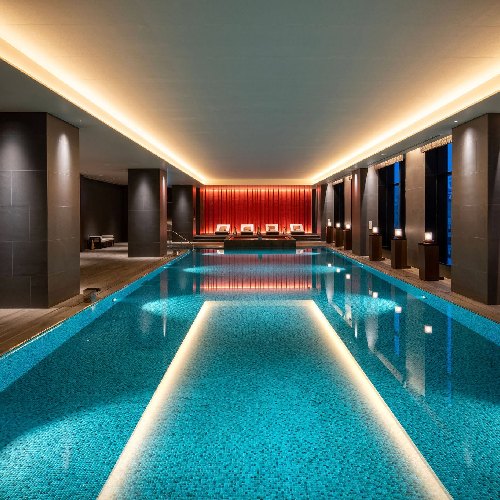
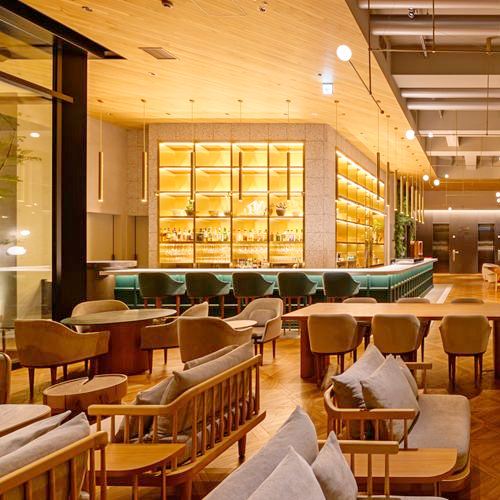
It's easy to organize a luxurious vacation in Hiroshima—as is the case anywhere else in Japan, in large part due to the mentality of its inhabitants. Whether you stay in a traditional ryokan or an exclusive hotel, whether you visit a simple ramen stand or an elegant restaurant for lunch—for the staff in these places, it's a matter of honor to fulfill every whim of their guests and provide top-notch service. Japan is also a highly technologically advanced country, so you can expect every convenience, even the (nomen omen) unexpected ones, and its rigorously raised residents ensure their cities are clean and safe (a lost wallet will certainly be waiting for you at the nearest police station, its contents intact). Hiroshima, however, is unique in this regard—most of its buildings were destroyed in the atomic bombing and rebuilt using the latest technology. Due to the city's great historical significance and proximity to Miyajima, which is a huge attraction, there are many luxury hotels here that compete with each other in the quality of the services offered, trying to satisfy demanding guests tired of the hustle and bustle. Tokyo.
When to go?
Gallery