General Information
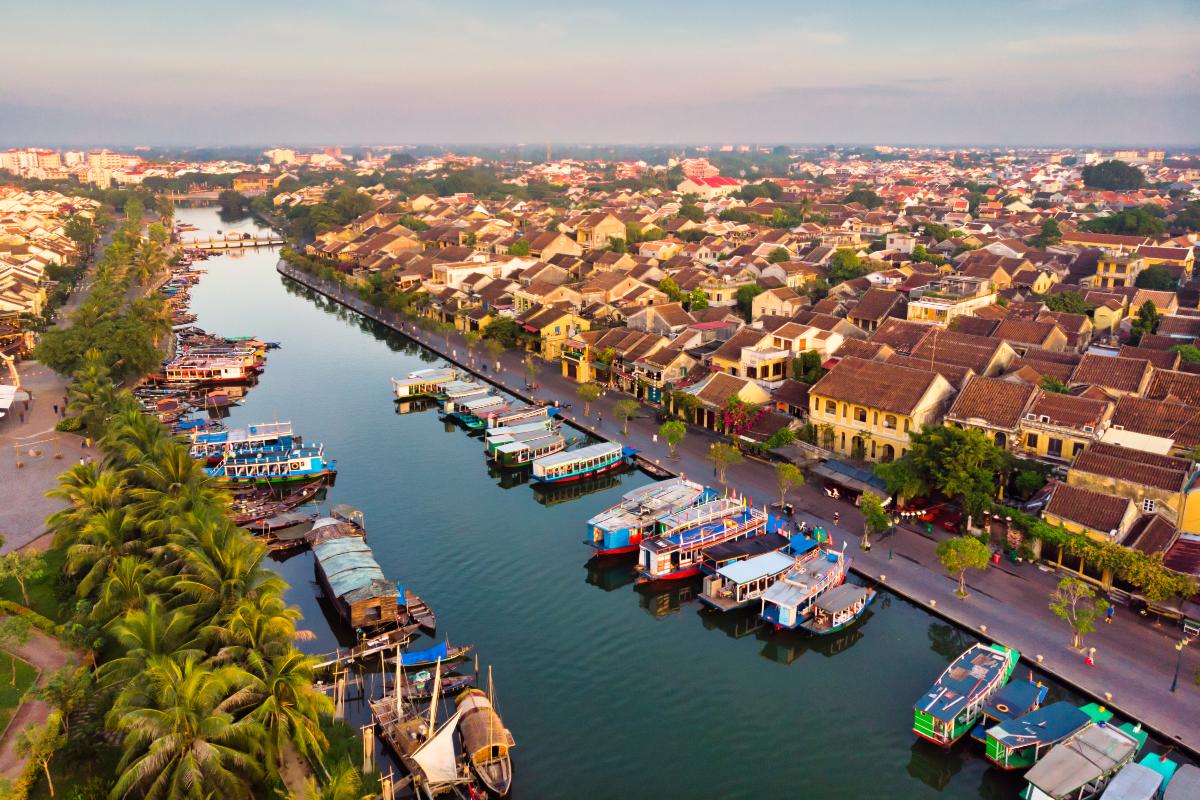
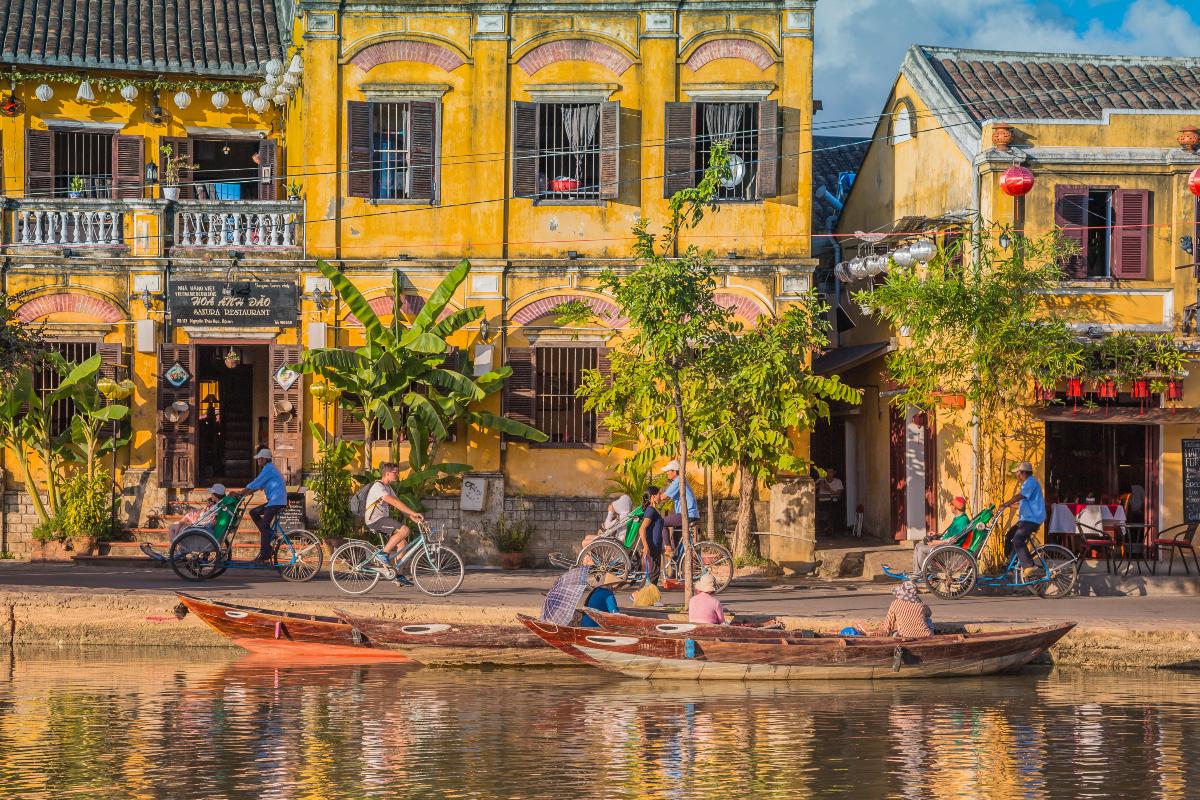
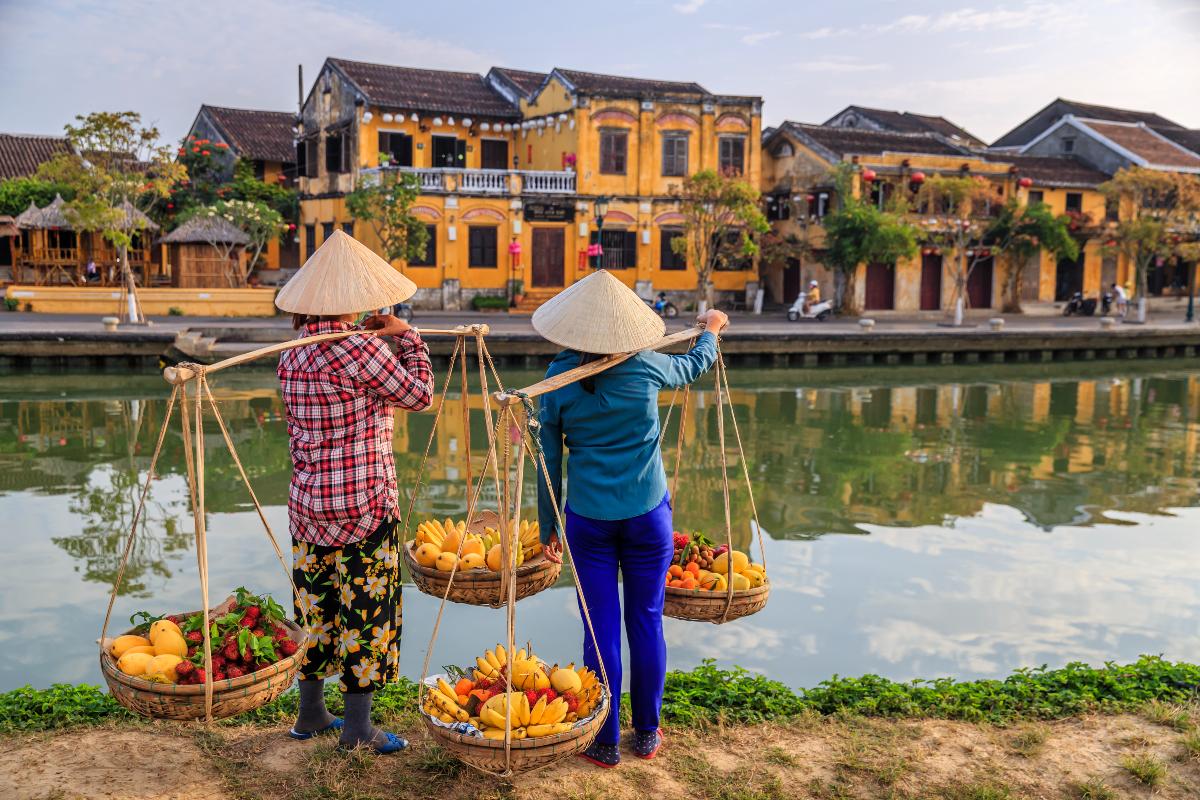
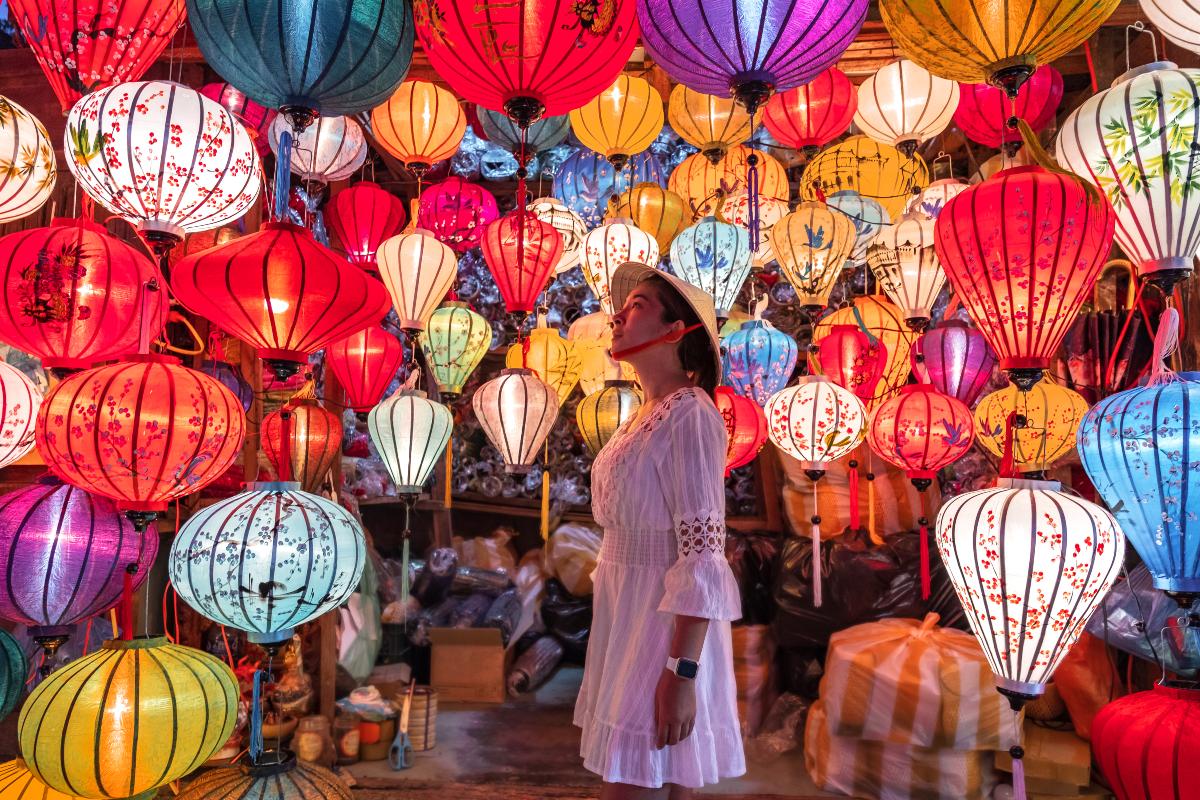
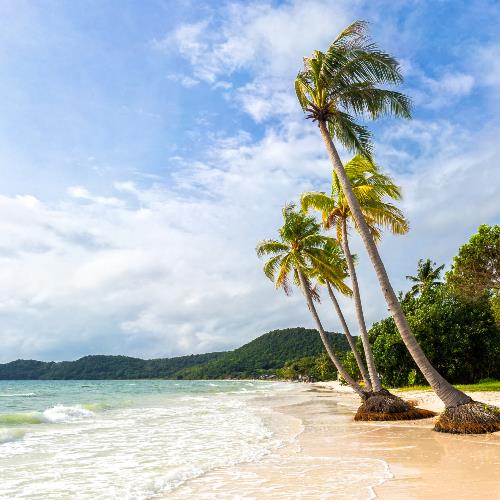
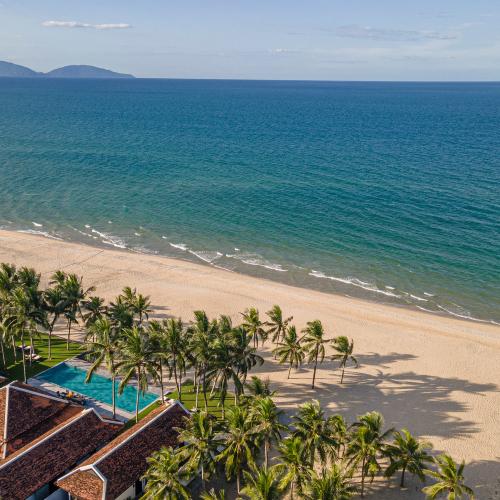
Hoi An gives the impression of a city frozen in place two or three hundred years ago. It's one of the best-preserved historic port cities in Southeast Asia, whose architecture blends Vietnamese, Chinese, Japanese, and European influences. There are a staggering 1107 historic buildings here! A charming tangle of streets, atmospheric restaurants and cafes, galleries and artisan shops, and beautiful Chinese architecture, preserved largely thanks to the Polish conservator Kazimierz "Kazik" Kwiatkowski. Here, you'll also discover all the delights of incomparable Vietnamese cuisine: local delicacies will delight you with their simple yet surprising flavor combinations. You'll discover that one of the greatest pleasures of traveling in Vietnam is the food itself. Those craving beach and seaside will find them on the nearby three-kilometer-long Cua Dai Beach.
Hoi An – what is worth seeing?
Japanese Bridge
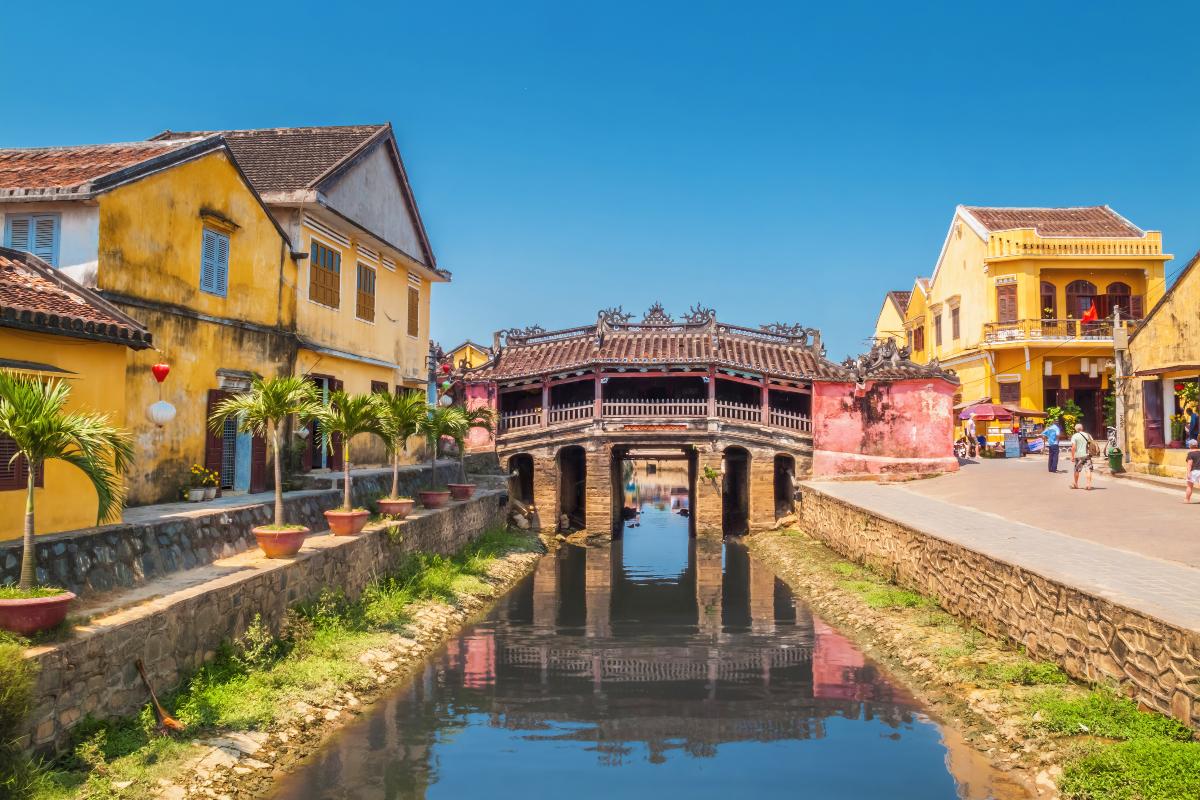
If you are wondering what to see in Hoi An, the Japanese Bridge should definitely be at the top of your list. According to legend, a monster so large once lay on Vietnamese soil that its head was in India and its tail in Japan, and any movement caused natural disasters. So in order to immobilize the monster, a bridge with a Buddhist chapel was built over its body. That's the legend. In reality, the bridge was built in 1593-95 by Japanese merchants to connect two districts of the city - Japanese and Chinese. The bridge is guarded by figures of a dog and a monkey, worshiped in Japan and probably symbolizing, according to the lunar calendar, the signs of the zodiac corresponding to the years of its construction. The Cao Temple, added in 1653, houses an image of the god Tran Vo Bac De, who is the protector of sailors and controls weather changes and natural disasters.
Old House of Tan Ky
Built in the 18th century, the merchant's house, inhabited for seven generations, is not the oldest building in the city, but it is one of the best preserved, with an interior design that has remained almost unchanged since the early 19th century. Its architecture is a mix of three styles: Vietnamese, Chinese and Japanese. The four rooms in it are furnished with antiques made of dark wood. The room on the street used to house merchants, and further back there is a living room, a courtyard and a bedroom, which has been converted into a small shop. The mosaic decorations on the walls and the furniture are worthy of attention. Interestingly, the house has no windows – the only light that enters is through the roofless courtyard.
Museum Gallery "Precious Heritage by Rehahn"
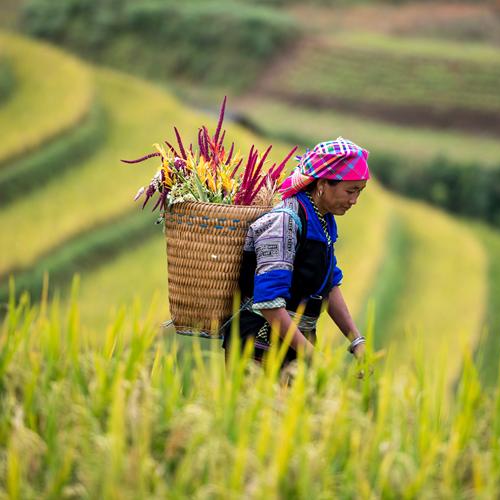
One of Hoi An’s newer and more interesting attractions is Precious Heritage by Rehahn. Located in the old French Quarter, the museum offers a truly unique experience. French photographer Réhahn has spent 9 years documenting the rapidly disappearing traditions, costumes and crafts of a total of 54 Vietnamese ethnic groups, from the M’Nong and Chams in the south, to the Kinh and O’dus, to the Thais and H’Mong in the north. He came up with the idea in 2013, while traveling to meet the tribes of northern Vietnam, when he witnessed not only the diversity and rich culture of these groups, but also the transience of their heritage. He noticed that as the country grew and became more prosperous, traditional costumes, dialects, rituals and ancestral knowledge were disappearing, so he decided to capture them – both through photography and by collecting costumes, usually given to him by village chiefs. The Precious Heritage Project opened on January 1, 2017. The 500-square-meter space features more than 200 photographs of members of each group in traditional costume, and alongside the photographs are more than 65 authentic tribal costumes. Explanatory notes are available in English, French, and Vietnamese, and in keeping with Réhahn’s wishes, admission to the exhibition is free.
Phuc Kien Assembly Hall
The Old Town is full of impressive buildings left behind by the Chinese community. The assembly halls, where immigrants from different parts of China met, are particularly noteworthy, and feature a similar layout: an ornate gate leading to a large courtyard that was a meeting place and a temple hidden behind. The most impressive of the halls is the one built by merchants from the Fukian province (Phuc Kien). Built in 1697, it is an example of classical Chinese architecture. The most noteworthy are the animal-themed decorations, which have their own symbolism: the fish in the fountain symbolizes scholars, the unicorn is wisdom, the dragon means power, and the turtle longevity. The main temple is dedicated to the sea goddess Thien Hau, and deep in the chapel there are altars in honor of the god of prosperity and the goddess of fertility.
Old Town
Hoi An is one of the best-preserved colonial towns in all of Indochina and one of the most charming places in Vietnam. In 1999, both the town and the nearby ruins of My Son were added to the UNESCO World Heritage List – and no wonder, as there are 844 historic sites here! From the XNUMXth to the XNUMXth century, before the coastline receded a dozen or so kilometres, it was one of the main trading centres in Asia, but today it is a charming town where you can admire architecture full of Chinese and Japanese influences while walking. The old town of Hoi An is a tangle of streets with lots of beautiful buildings, where small restaurants, tea houses, temples, galleries, craft workshops, artists' studios, as well as souvenir shops and tailoring workshops spring up at every step.
Hoi An Weather
In Central Vietnam, where Hoi An is located, there are two distinct seasons: dry, from January to August, and rainy, from September to December. Average temperatures throughout the year are between 25°C and 27°C. Hoi An has the best weather from January to April and from August to September, while our summers can be a bit too dry and too hot. If you don’t mind short, tropical downpours, you can also travel in October and November, just remember to pack a good raincoat!
When to go?
Gallery