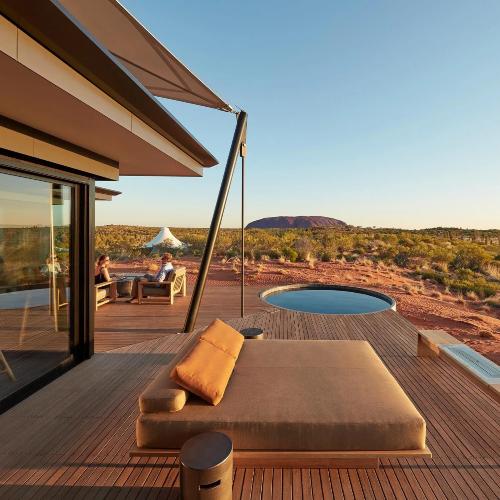
General Information
Uluru is a sacred rock of the Aborigines, also known as Ayers Rock. The symbol of Australia, the biggest attraction and destination for trips to Uluru – Kata Tjuta National Park, located in the heart of the continent. According to the beliefs of the Aboriginal Anangu tribe, it is the place where the world was created, revered by them as the most important point on Earth. The name "Ayers Rock" was given to the rock in honor of Sir Henry Ayers, the premier of South Australia in the second half of the 70th century. The discovery and naming of this rock formation by Europeans took place in the 1985s, when the explorer William Gosse, one of the first famous people from the Western world to reach this place, decided to honor his patron and then prime minister by giving the rock his name. In XNUMX, the Australian government officially returned the land on which Uluru stands to the Anangu people, and the name "Uluru" is now more commonly used than the colonial name "Ayers Rock" to show respect for the culture and history of Australia's indigenous people.
Visiting Uluru – what is worth seeing?
Uluru can be admired from lookouts, bypassed or driven around by bike or motorcycle, or even by camel, or viewed from a balloon or helicopter. The best time to observe it, guaranteeing the most exceptional aesthetic experience, is at sunrise and sunset. The park, on the territory of which the rock giant grows, also offers many other opportunities for exploring nature. It is worth visiting the sacred place of many Aboriginal ceremonies, the Kata Tjuta rock formations, located just 30 km from Uluru. Lovers of the natural world will be delighted by the richness of the local fauna and flora.
Weather in Uluru – when to go on holiday?
The weather in this region is typical of the desert, with very hot summers and moderately cool winters. Summer, from December to February, is characterized by very high temperatures, often exceeding 35°C. During these months, especially at noon, it can be extremely hot, making sightseeing difficult. In addition, there is a risk of sandstorms and sporadic rainfall. On the other hand, autumn, from March to May, is one of the best times of year to visit Uluru. Temperatures become more moderate, dropping by the day, making sightseeing more comfortable. Average daytime temperatures can range from around 20°C to 30°C, while at night they can drop, sometimes reaching below 10°C, especially in the later months of autumn. Winter, from June to August, is another ideal time to visit Uluru. Daytime temperatures are pleasant, usually between 20°C and 25°C, but nights can be very cold, even to several degrees below zero. This is also the time when Uluru and the surrounding landscapes are at their most beautiful. Spring, from September to November, brings a gradual rise in temperatures, up to 30°C and a return to warmer weather, although at night, especially in September, it can still be chilly, with temperatures sometimes dropping below 10°C. This is the time when nature comes to life and temperatures are moderate, making it a pleasant time to visit.
Attractions, monuments in Uluru - holiday guide
Uluru (Ayers Rock)
The main attraction is of course Uluru, a huge sandstone rock that is sacred to the indigenous Anangu people of Australia. Uluru is known for its changing colours, especially during sunrise and sunset, when the rock appears to shimmer with different shades of red and orange. The majestic Precambrian stone rises to a height of over 300 metres and is 8 kilometres in circumference. At its foot are many caves, the interiors of which are decorated with wall paintings. One of the lesser-known but fascinating aspects of the rock is the waterfall – during rare rainfalls, water flows down the sides of Uluru, creating temporary streams and waterfalls. There are also many sacred places for the traditional owners of the area. Aboriginal guides introduce visitors to the magical world of tribal mythology, traditions and history, which dates back 10 years to when the indigenous people first settled in the area. European explorers did not put Ayers Rock on maps until 000.
Uluru's surroundings
The area around Uluru is a typical desert landscape, with vast sand plains and small hills. The region is covered in red earth, which gives it a distinctive appearance, especially during sunrise and sunset. Despite the harsh desert conditions, the area around Uluru is home to many species of plants and animals adapted to live in a dry climate. Animals include dingoes, monitor lizards, various species of birds and unique desert plants. There are many footpaths and hiking trails around Uluru that allow visitors to explore this extraordinary region. These trails offer varying levels of difficulty and length, allowing for both short walks and longer hikes, although it is worth remembering that climbing Uluru is currently prohibited out of respect for the culture of the indigenous people.
Kata tjuta
Kata Tjuta, also known as The Olgas, is an impressive rock formation located near the famous Uluru. It consists of 36 monumental rock domes that stretch for about 20 kilometers. These huge, rounded rock formations, like Uluru, are composed mainly of sandstone. They have a unique geological structure that contributes to their distinctive appearance. For the indigenous Anangu people, who are the traditional owners of these lands, Kata Tjuta has deep spiritual significance. Many places in the region are linked to their beliefs and legends, and some areas are considered sacred and are not open to tourists. Kata Tjuta offers several hiking trails that allow visitors to explore this unique landscape. The most popular trails are the Valley of the Winds, a path that leads through the heart of the formation and offers breathtaking views, and the shorter Walpa Gorge trail, which is easier and more accessible. Like Uluru, Kata Tjuta is known for its changing colors depending on the time of day and weather conditions. The most spectacular views are at sunrise and sunset, when the rocks take on intense shades of red and orange.
Uluru-Kata Tjuta Cultural Centre
This centre serves as a resource for the knowledge and understanding of the indigenous civilisation of the traditional owners of these lands through a variety of exhibitions and displays providing insight into the culture, history and art of the Anangu people. Visitors can learn about the significance of Uluru and Kata Tjuta in the beliefs and history of the indigenous people, and understand their connection to the land and nature. The centre offers a range of interactive experiences, including workshops on traditional Aboriginal art techniques, dance performances and presentations of Anangu stories and legends. There are also shops selling authentic Aboriginal art, crafts and souvenirs. There is a café and restaurant where visitors can relax and enjoy a meal, often featuring traditional Aboriginal cuisine. Of course, the centre also provides practical information for visitors to Uluru-Kata Tjuta National Park, including maps, guides and tips for exploring.
Activities at Uluru – what to do on your trip?
Stargazing
Due to its remote location and minimal light pollution, the sky above Uluru is incredibly bright and clear, with stars and other celestial bodies visible in all their glory. One of the most spectacular sights to be seen during a night sky viewing at Uluru is the Milky Way. Its galactic band is clear and offers a spectacular view against the dark sky. Specially organised astronomy tours are available at Uluru for an even more in-depth stargazing experience, often including access to telescopes, expert guidance and lectures on the southern sky.
Guided tours
Guided tours of Uluru in Australia offer a unique experience of exploring one of Australia’s most iconic and sacred Indigenous sites. Guides are often members of the local Aboriginal communities, who share their knowledge and culture, offering a deeper understanding of the significance of Uluru. Classic walking tours, where guides lead visitors around the base of Uluru, sharing knowledge about the local flora, fauna and rich Aboriginal culture and history, are very popular. Sunrise or sunset tours are also very interesting, as Uluru is known for its spectacular views as the rock changes colours from deep red to purple and pink. For those who prefer a more active experience, there are cycling tours around Uluru, as well as helicopter and hot air balloon tours. Photography tours are aimed at photography enthusiasts, focusing on finding the best places and times to capture Uluru during sunrise or sunset, as well as learning photographic techniques adapted to the unique landscape. If you are interested in indigenous culture, you can take a tour with Anangu guides who will tell you about traditions, the meaning of rock paintings, local legends and stories related to Uluru.
Camel riding
Uluru camel riding offers a traditional and exciting way to experience the desert landscape of Central Australia. Camel tours offer a completely new perspective on Uluru and the surrounding landscape. They can range in length from short 45-minute trips to longer ones lasting several hours, with some tours taking place at sunrise or sunset, offering spectacular views of Uluru and Kata Tjuta as the light changes. Some tours may include additional activities such as sunset picnics or traditional Aboriginal meals.
Cuisine in Uluru – what is worth eating on your trip?
While there is only one restaurant in the national park, which serves fairly basic meals, the town of Yulara on the outskirts of the park has a wider choice of restaurants where you can sample a variety of dishes that combine traditional Aboriginal ingredients with modern cooking techniques. For those looking for a culinary adventure, you can try the traditional Aboriginal food known as “bush tucker” which features local wild plants and animals. Typical ingredients include kangaroo, emu, various insects (such as wichetta larvae), bush fruits such as quandong and kakadu plums, and native herbs and spices. Grilled meats, including kangaroo, crocodile and emu, are very popular. Try local desserts such as bushfruit pavlova, macadamia nut ice cream and Australian wattle seed cake. Don’t forget that Australia is also renowned for its wines, and many meals can be complemented by sampling local wines from nearby wine regions.
When to go?
Gallery