
1 USD - 0,9 EUR
1 PLN - 0,23 EUR

Practical information
Visa information and airport fees
Vaccinations
Tips
Food prices
Sample prices:
Meal in a cheap restaurant: around 10–15 EUR
Dinner for two in a nicer place: around 50 EUR
Local draft beer in a restaurant: 4 EUR
Coffee in a restaurant: 1,5–2 EUR
Mineral water 1,5 l: 0,5 EUR
Beer 0,5 l: 0,8 EUR
Wine 0,7 l: 6 EUR
Oranges 1 kg: 1,8 EUR
Tomatoes 1kg: 2 EUR
Coca-Cola 1,25 l: 1,2 EUR
Olive oil 1 l: 5 EUR
Parma ham 1 kg: 25–40 EUR
Coffee in a street cafe: €0,75–€1,20
Food
Since ancient times, the inhabitants of the Apennine Peninsula have developed about 350 different types of pasta in various shapes. Carefully formed and artfully prepared, they are served with various additions. In the Alps, you can try pasta with local cheese and apple sauce, while tomato sauces and the famous egg carbonara are the most popular in the south. The coastal areas are rich in seafood and fish dishes. The regions of Sardinia and Sicily have developed specific dishes, rich primarily in sea goods. Each region of Italy prides itself on its own specialties, and Italian cuisine is considered by its inhabitants not only as a product that serves to satisfy basic needs, but also as something more - a specific field of art, to which true Italians are very strongly attached and proudly cultivate culinary traditions.
Traveling through Italy, you can feel the soothing, intense aroma of herbs everywhere, which can be found in dishes. The omnipresent olive groves and vineyards provide liquid Italian gold – olive oil and wine. Italy, as the largest producer of olive oil, can boast its delicious taste and presence in many dishes, and an excellent wine served with dinner is the perfect complement to a meal, which traditionally consists of 9 elements: aperitivo – an alcohol that stimulates the appetite, antipasto – an appetizer, primo – the first course, secondo – the second course, contorno – a “side” course, usually a vegetable combination, formaggio e frutta – cheeses and fruits, dolce – a sweet dessert, caffe – coffee and digestivo – a sweet alcohol served at the end of the meal. In contrast to dinner, breakfasts are usually not very diverse and come in the form of a sweet croissant and coffee. Italians eat mainly in restaurants, celebrating social bonds.
Interesting facts
- According to legend, Rome was founded on April 21, 753 BC by Romulus, who, along with his brother Remus, was suckled by a she-wolf. In Ancient Rome, one of the methods of calculating time (Ab urbe condita) was based on this year as the zero year.
- Italy is one of the youngest countries in Western Europe. Its origins are linked to an event known as the Unification of Italy, which took place in 1861. The first king was Vittorio Emanuele II, and Turin was proclaimed the capital.
- The Italian tricolour flag consists of three stripes: green – symbolising hope and Italian landscapes, white – faith and the peaks of the Alps, and red – courage and the blood of the defenders of the homeland. The inspiration for its creation was the flag of France.
- Italy and China have the most UNESCO World Heritage Sites. Both countries have 55 sites. In Italy, there are 50 cultural sites and 5 natural sites.
- Located entirely within the borders of Rome, Vatican City is the smallest country in the world. Its area is 0,49 km2, and the population is about 825. These are mainly clergy and representatives of the Catholic Church, as well as soldiers of the Swiss Guard (110 soldiers) and their families.
- The world-famous Neapolitan pizza was popularized in Naples probably in the 18th century as a thin flatbread with tomato sauce, grated cheese and herbs, baked in a very hot oven. It was a dish prepared and eaten mainly by poor people. In the 19th century, it found its admirers in the United States, and today it can be tasted in various forms all over the world.
- Italy is the world's largest wine producer. In 2018, wine production here amounted to 54,8 mhl, while France is in second place with a result lower by 5,7 mhl. There are 20 wine regions in Italy, including popular ones: Tuscany, Abruzzo, Piedmont, Calabria, Liguria and Veneto.
- There is a well-known division between Northern and Southern Italy. While the northern part “works”, the southern part “rests”. The unemployment rate in the southern part is almost twice as high (20%) as in the north. It is a common fact that Italians from these regions do not like each other and it is common to hear mutual insults. The north, with its capital in Milan, has been striving for greater independence for years. It is worth mentioning that Lombardy and Piedmont are among the richest regions in the European Union.
- Family is very important to Italian society. According to Eurostat, 67% of Italians aged 18-34 live with their parents. This is 20% more than the average of European countries. Men are the most likely to stay in the "family nest" and they constitute 72% of all people living with their parents.
- Rome's most famous fountain, the Trevi Fountain, attracts a huge number of tourists every year. It is estimated that tourists throw around 3000 euros into the fountain every day, which in 2016 amounted to 1,4 million euros.
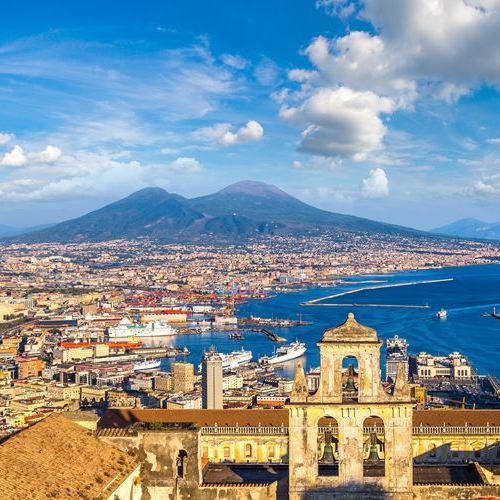
- Italy's location at the junction of tectonic plates determines significant seismic activity in this area. There are 48 volcanoes, the most popular of which are Etna, Vesuvius and Stomboli - some of the most active in Europe. The Apennine Peninsula is also frequently hit by earthquakes, which can be very tragic in their consequences.
- The south of the peninsula and Sicily were part of the Magna Grecia region from the 6th century BC, inhabited by the Greeks. They built numerous cities and temples, including Syracuse and the Valley of the Temples in Agrigento. The descendants of today's colonizers, the Griko, still live in villages in southern Italy. They speak an Italianized Greek language (Griko) and cultivate their traditions.
- In Sardinia, an independent civilization developed around 1800 BC – the Nuragic, which was characterized primarily by the construction of megalithic structures. It came to an end around the XNUMXnd century BC, when the island was occupied by the Romans.
- Sardinia is one of the world's "blue zones," the places in the world where people live the longest, along with Ikaria in Greece, Okinawa in Japan, Nicoya in Costa Rica, and Loma Linda in the United States. The average life expectancy here is 79,7 years.

Learn more about the country of Italy
History
The history of one of the most famous empires in the history of the world begins with the legend of the founding of Rome on April 21, 753 BC. The Kingdom of Rome existed until 509 BC, when the Republic was proclaimed. During this period, the Romans gradually conquered more and more territories, occupying the lands of the Mediterranean basin. The period of the Republic ends in 27 BC, when the Roman Empire is founded. The Empire quickly became a global power that ruled the coastal areas and interior of Europe, Asia and Africa. During this era, phenomenal architectural objects were created - including arenas, temples, theaters, sports complexes and forums. The fall of Rome, along with the end of the Middle Ages, occurred in 476 as a result of the invasion of Germanic tribes. The following centuries brought the desire to rebuild the former empire and the creation of the Holy Roman Empire, and then the division of the peninsula into republics. Rome became the religious centre of the Christian world, and after the Eastern Schism in the 1861th century it became the capital of Catholicism. In the Middle Ages, maritime powers flourished, including Venice, Genoa and Pisa. The great geographical discoveries ended the era and gave rise to the Renaissance, which flourished greatly in Italy. During this period, artists such as Michelangelo, Leonardo da Vinci and others created, whose works of art, architecture, science and technology are symbols of the era and had a huge impact on European civilization. The division of the peninsula ended only with the Unification of Italy in 1958. The capital of the kingdom became Turin, and the king was Vittorio Emanuele. The 6th century was a time of overseas conquests and colonies, lasting until the mid-7th century. At that time, Italy became a fascist state ruled by the dictator Mussolini. The post-war years were a period of economic development in northern Italy. In XNUMX, Italy was one of six countries that created the European Coal and Steel Community, which later became the European Union. Today, Italy is a parliamentary republic, headed by a president. It is part of the GXNUMX group – the richest and most industrialized countries in the world.
Location
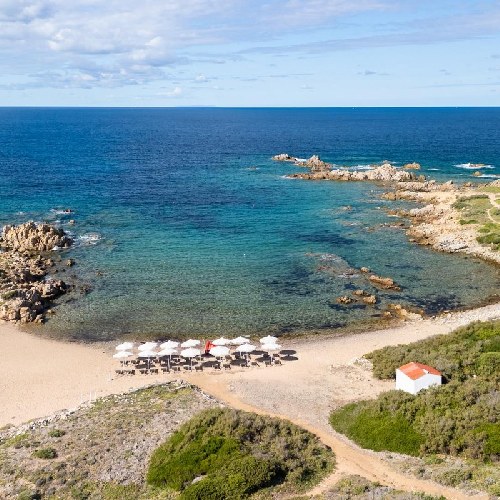
In addition to the continental part, Italy includes around 450 islands, the largest of which – Sicily – is also the largest island in the entire Mediterranean Sea. The second largest island is Sardinia. The Apennine chain runs across the peninsula – formed at the meeting point of tectonic plates, which determine the occurrence of earthquakes in this area. In the north, there is the vast and fertile Po Valley – the country's longest river. Italy also has various forms of volcanic activity, including the three most active volcanoes in Europe – Etna, Vesuvius and Stromboli. Italy is washed by the waters of four seas: the Adriatic, Ionian, Mediterranean, Tyrrhenian and Ligurian, and the coast is very diverse. There is no shortage of sandy and rocky beaches, spectacular cliffs and interesting rock formations.
The climate is very diverse across the country – the high mountainous north has an alpine climate, the Po Valley a continental climate, the mountainous interior and the north of the country a transitional climate, and the coastal areas of the southern part and the islands a Mediterranean climate with characteristic vegetation – maquis. In the southern part, summers are hot and dry, and winters are mild and rainy.
Culture and Religion
The Italians definitely know how to enjoy life, and social bonds play a huge role among them. It is easy to strike up a conversation with a random passer-by while walking or drinking coffee in one of the street cafeterias. In the evenings, Italians gather in crowds in the squares and restaurants, celebrating the end of the day after an afternoon siesta.
It is worth noting that life flows much more slowly in the south, "which rests" than in the north, "which works". In the south, you have to reckon with the fact that public transport will not arrive on schedule, and the nearby shop will open an hour later. However, this does not interfere with everyday life, which in every corner of the country flows much slower than in many other countries of the Old Continent. The differences between regions are significant and each has developed customs in its own way, which makes exploring Italy even more attractive.
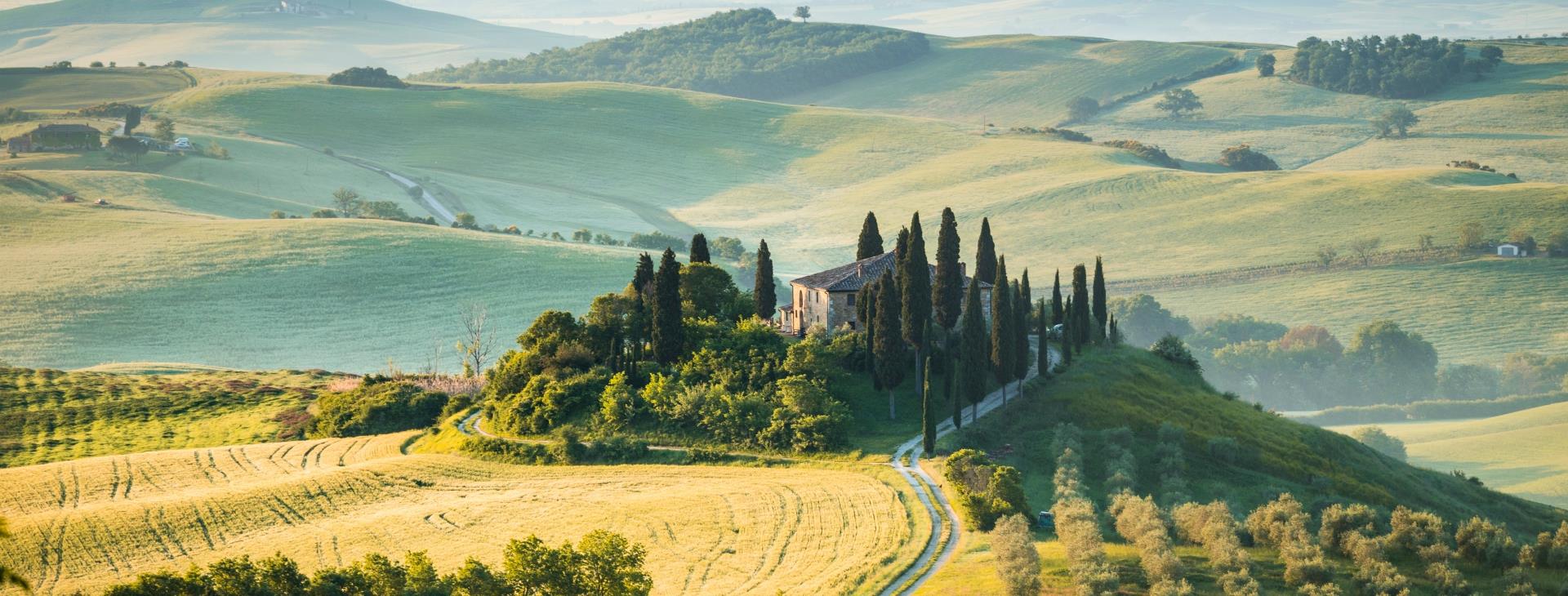
Trip to Italy
Pizza and pasta
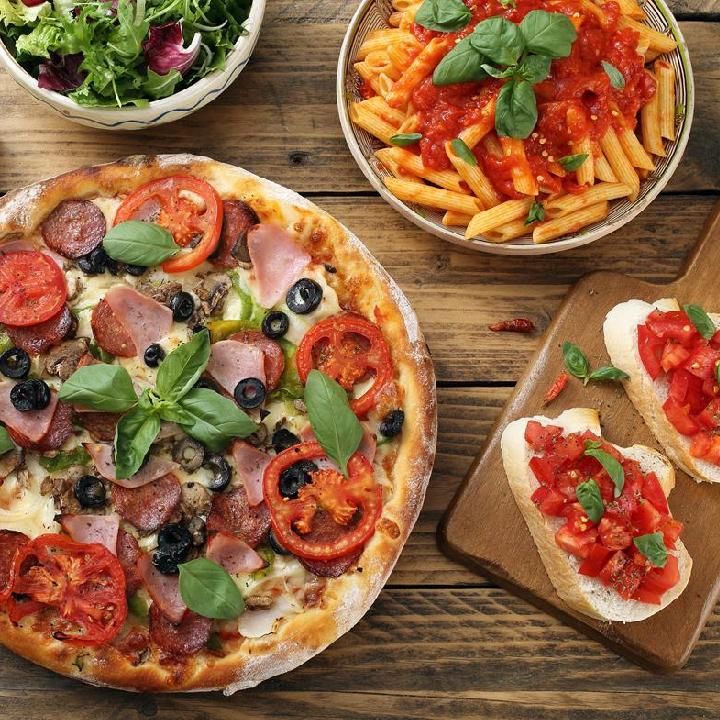
Although Italian cuisine is among the most popular in the world, two dishes that have truly become a hit: pizza and pasta! It's hard to believe, but the history of pizza (as the word was originally spelled) dates back to ancient times, with the first written records mentioning it dating back to 997. After Columbus's discovery of America and the widespread use of tomatoes in Italy, they became an essential pizza ingredient, and pizzerias sprang up across the country. And when, in the late 19th century, a chef dedicated a mozzarella pizza to Queen Margherita of Savoy, the famous margherita was born, today by far the most popular and basic version of this pie. So, when you satisfy your appetite at a pizzeria during your luxurious trip to Italy, remember that you're eating a royal dish, known to the ancients! Pasta has a similarly impressive pedigree, without which it's impossible to imagine Italian cuisine today. Four thousand-year-old strands discovered by archaeologists in China are the oldest food ever discovered in the world! Pasta has been known in Italy since at least the 12th century, and—interestingly—its ingredients and preparation method were no different from those used today. A luxurious vacation in Italy is the perfect opportunity to sample a variety of pasta dishes (of which over 200 types have been invented!).
Why Italy and not Italia?
Are you going on a luxury trip to Italy? But why Italy? In most languages, the name of this country is a more or less literal variant of the Latin word Italia, so why suddenly "Italy"? As is often the case in such situations, the most interesting explanation can be found in legends. One of them says that the name was given to the Italian newcomers because of their lush, dark, thick hair. There's as much truth in this legend as in the story that Queen Bona, who didn't speak Polish during the first period of her stay in the Polish-Lithuanian Commonwealth, answered every question with "o si, o si," meaning "yes, yes," which gave rise to the term "Osi," later transformed into "Włosi." The reality, however, is much more prosaic... In ancient times, the lands of present-day Italy were inhabited by the Celtic tribe of the Volcae, known in Germanic languages as Walh, meaning "outsiders." Most likely, our ancestors borrowed this word from their western neighbors in the form Wałch, used it to refer to Romance peoples, and then phonetically transformed it into the easier-to-pronounce form Włochy. The word Italia, though widely known, remained in Polish more as a stylistic embellishment. Why didn't it catch on? We won't get to that today!
Luxury hotels in Italy
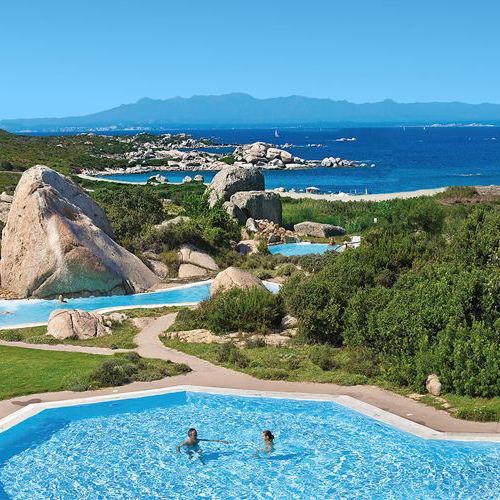
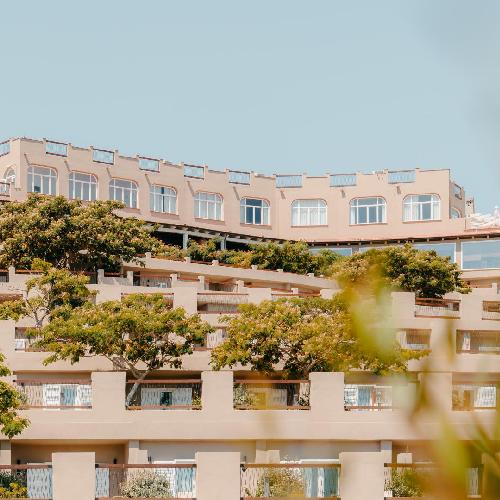
Tiny, boutique gems reminiscent of country estates, elegant, urban palazzos, spacious resorts right by the sea - luxury hotels in Italy offer a whole range of styles and characters! Depending on which region of sunny Italy you choose for your exclusive trip to Italy, you can spend your vacation in an apartment on a Tuscan vineyard in Rosewood Castiglion Del Bosco, in the luxurious Pitrizza resort on the Sardinian Costa Smeralda or in the modern Verdura Resort right by the Sicilian beach. Of course, this is just the beginning of a long list of exclusive hotels in Italy that we have on offer!
Italy – places worth seeing
Visiting Italian cities that resemble art galleries, relaxing on golden beaches and inlets of Amalfi, dramatic landscapes of Sicily or charming Capri bathed in magenta bougainvillea? When setting off on a luxury holiday to Italy, you don't have to limit yourself! Visit the eternal city - Rome, admire the genius of the Italian Four in Florence, taste wine straight from the vineyards of sun-warmed Tuscany, stroll through the surprisingly cool and shady streets of Lucca, Pisa or Siena. If an exclusive trip to Italy is associated with shopping, Milanese boutiques and galleries will definitely not disappoint you! Or maybe a trip to Sardinia and a visit to Porto Cervo, a favorite place of celebrities from all over the world?
Italy Luxury Travel Deals



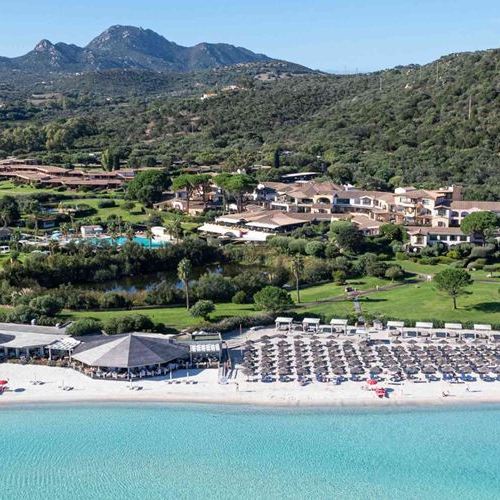
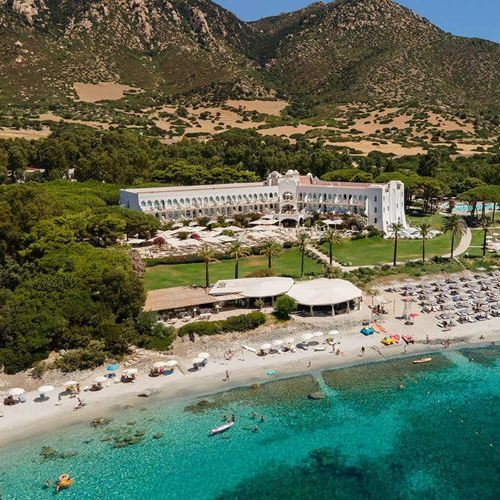


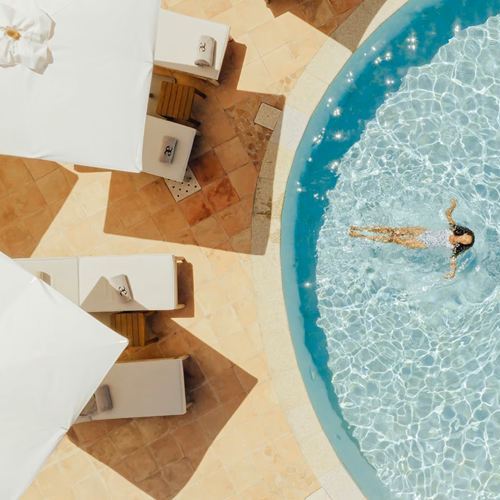

Luxury hotels in Italy
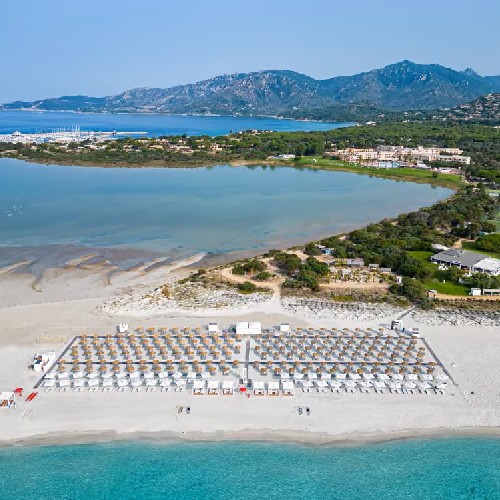




When to go to Italy?
Due to the terrain and the meridianal extent of the country, the climate of Italy shows differences between the individual regions, in which 7 climate zones can be distinguished. In the north of the country there is an Alpine climate and a continental climate (Po Valley). The interior of the Apennine Peninsula and the north-eastern coast has a transitional climate with its subtypes, while most of the coastal strip and islands are within the Mediterranean climate. A feature of the Mediterranean climate is the occurrence of hot summers with little rainfall and mild, rainy winters. In summer, temperatures can exceed 40 degrees Celsius, while on the coasts the cool sea breeze moderates them somewhat. For most of the year (except for late autumn, winter and early spring) there is a large number of sunny days.
The best time to go to Italy for city sightseeing or trekking is from April to mid-November. However, it should be noted that temperatures in the summer months reach very high values, which is also conducive to sunbathing.
Italy – travel inspirations
Pizza & Pasta

All roads lead to Rome
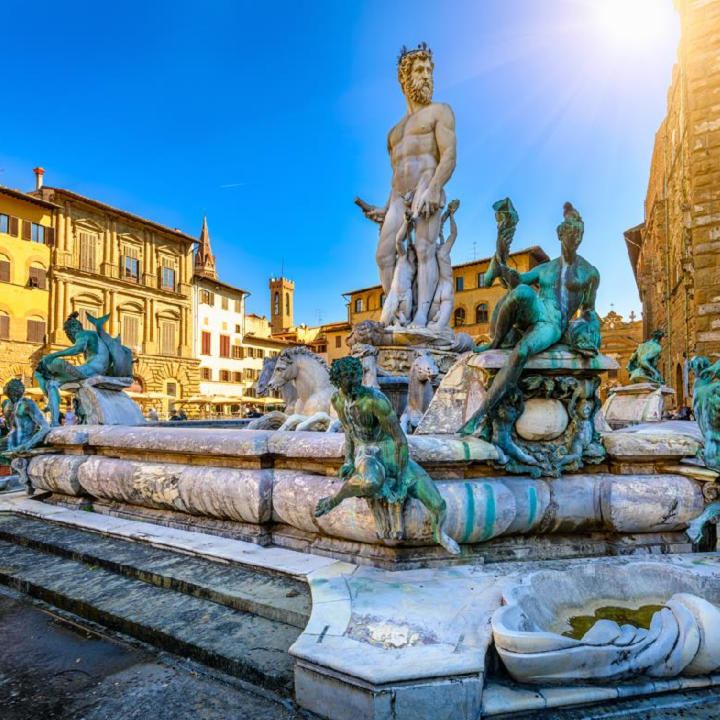
Monuments of Italy