1 USD = 25 VND
1 EUR = 27 VND
1 PLN = 6509 VND
The current exchange rate can be checked on the website of the National Bank of Poland: https://nbp.pl/statystyka-i-powiedziałosc/kursy/tabela-a/

Practical information
Visa information and airport fees
Polish citizens traveling to Vietnam for a period longer than 45 days must have a valid visa. Visas cannot be obtained at the border crossing. Visas are obtained at the airport upon presentation of a visa approval letter, which we will provide you with your travel documents. A visa obtained upon presentation of a visa approval letter at the border costs $25 (single entry) and $50 (multiple entries). Vietnamese visas are issued for up to 12 months.
Another way is to obtain a visa via the website https://evisa.xuatnhapcanh.gov.vn/web/guest/trang-chu-ttdt (waiting time is about 3 days).
The Travel Agency is not responsible for failure to obtain a visa for the country where the tourist event is held, or for transit countries. Obtaining a visa is 100% the responsibility of the participants of the trip.
Vaccinations
Tips
Food prices
Food
Interesting facts
- The surname Nguyen is a Polish version of Kowalski. It is undoubtedly the most common surname in Vietnam, shared by approximately 40% of the country's population.
- Tetraphobia - in Vietnam, as in some Asian countries, there is an aversion to the number 4, which is associated with "death." However, this phenomenon is less common than in, for example, China. In everyday language, bon ("four") is used, which does not sound like chet ("death").
- Interestingly, among the products exported from Vietnam, the first place is occupied not by rice, which is associated with this country, but by coffee, the production of which in Vietnam is one of the largest in the world.
- One of Vietnam's culinary curiosities is snake wine, a traditional drink prepared by pouring rice alcohol over a snake. While it may seem surprising, it's a part of local tradition.
- A few years ago, the Vietnamese government – in an effort to reduce the harmful influence of computer games on young people – began requiring Internet providers to block access to online games at night.
- Vietnam is the world leader in the production/export of Robusta and the second largest exporter of coffee overall, but it is not true that coffee is the largest export product of the entire country.
- Vietnam is the world's largest exporter of cashew nuts.
- The Vietnamese language consists of 6 tones, which makes it extremely difficult to learn. One word spoken in different tones can have 6 different meanings.

Learn more about Vietnam
History
Location
Culture and Religion
Vietnamese culture is distinguished by elements borrowed from China and the more liberal West, as well as a commitment to locality and the cultural autonomy of individual ethnic groups. However, outside influences have been creatively adapted to local soil without displacing native culture. Tet, or Vietnamese New Year, is based on the Chinese calendar, but is a separate Vietnamese holiday associated with many interesting traditions. The key dish prepared during Tet is the characteristic rice cake.
In Vietnam, folk beliefs are definitely dominant, in many ways resembling Buddhism, which was adopted from China (over 85% of the population practices folk beliefs and Buddhism together). A unique phenomenon in Vietnam has been the emergence of a separate religion, characteristic of this country, namely the monotheistic Cao Dai, which combines Buddhist, Confucian and Taoist influences. Christians are a minority among the Vietnamese, constituting about 8% of the population.

Trip to Vietnam
Holidays in Vietnam
Vietnam is a country with a rich history, diverse culture and delicious cuisine that delights travelers with countless attractions and opportunities to discover its secrets. From vibrant cities to picturesque beaches and charming villages, Vietnam offers unforgettable experiences for every traveler.
Why is it worth visiting Vietnam?
Rich culture, spectacular landscapes and phenomenal cuisine. These three reasons should be enough to book a flight and enjoy your trip to Vietnam. From the bustling streets of Hanoi to the picturesque beaches of Phu Quoc, Vietnam offers travelers unforgettable moments that will stay in their minds forever. It is a country full of surprises, which delights with its diverse landscapes, hospitable people and extraordinary colors, waiting to be discovered by anyone looking for adventure and new experiences.
Visiting Vietnam – what is worth seeing?
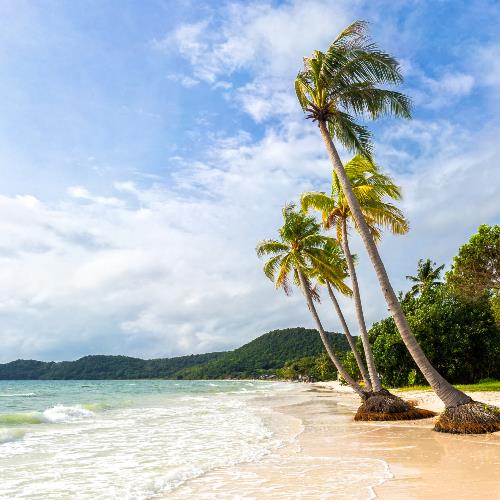
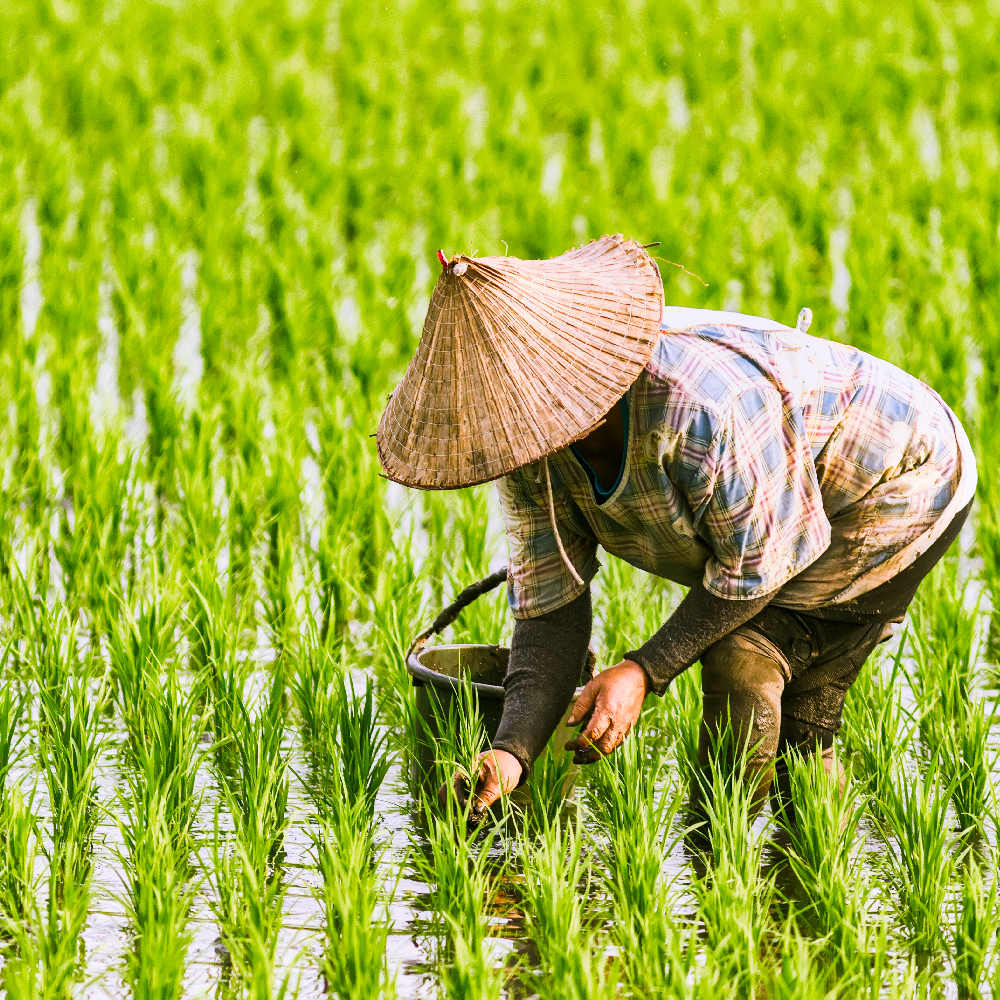
Vietnam is a fascinating country full of contrasts and distinctive places to visit, from bustling cities like Saigon and Hanoi, to the picturesque beaches of Phu Quoc and Mui Ne, to the charming villages of the Mekong Delta and the mountainous landscapes of Sapa, offering countless adventures and opportunities to explore cultural and natural diversity. It is a country that will surely leave a lasting impression on every traveler, and a trip to Vietnam will become an unforgettable experience. First up, Hanoi, the capital of Vietnam, the cultural and historical center of the country. Here, visit the Old Town, full of narrow streets filled with traditional Vietnamese houses, shops and cafes, and then head to the peaceful Hoan Kiem Lake, surrounded by greenery, with the Ngoc Son Pagoda in its center. It's the perfect place to relax from the hustle and bustle of the city. Then, board a boat that cruises among the stunning rock formations of Ha Long Bay to discover Hoi An, a picturesque town on the Thu Bon River, with a stunningly preserved old town and charming streets, perfect for strolling around, admiring the preserved buildings and sampling the local delicacies. In the evenings, lanterns and lamps along the river add magic to this place. The symbol of Hoi An is the beautiful Japanese Bridge, built in the 17th century, which has retained its original architecture, while the An Bang and Cua Dai beaches are perfect places to relax and swim in the sea, where you can rest on the white sand and enjoy the view of the azure water. From Hoi An, travel to Saigon, also known as Ho Chi Minh City, the heart of southern Vietnam. It is a city full of life that combines tradition and modernity. One of the most important places to visit is the Independence Palace, the former residence of the president of South Vietnam, now a museum showcasing the history of the region. The next destination is the Basilica of Notre-Dame, an impressive cathedral built in the Neo-Romanesque style, whose red bricks and tall tower make it a remarkable monument. The Pham Ngu Lao district, on the other hand, is a place where you can feel the pulse of the street, known for its shops, cafes, restaurants and night markets. This is a great place to experience the daily life of Saigon residents. You can also visit Sapa, located in northern Vietnam, a place that delights with its mountain landscapes and the culture of ethnic minorities. Its main attraction is trekking through the surrounding mountains, beautiful valleys, villages and rice fields, as well as meeting local tribes, during which you can learn about the culture and life of the Hmong, Dao and other ethnic groups that inhabit these areas. The next stop on your Vietnamese vacation could be Phu Quoc, an island famous for its beautiful beaches, an ideal place for sunbathing, swimming, and water sports, but also for more active leisure – hiking through tropical rainforests and rice paddies is an adventure for nature lovers. An alternative to Phu Quoc is Mui Ne, a seaside town known for its beautiful sand dunes and favorable winds, which attract kitesurfing and windsurfing enthusiasts.
Holidays in Vietnam – practical information
Vietnam offers a wealth of attractions and activities for those looking for entertainment and relaxation under the palm trees. In addition to sightseeing in Saigon or a motorbike tour of Hanoi, it is worth visiting the province of Ninh Binh to admire the picturesque landscapes during an adventure of a lifetime in the northern part of Vietnam. Travelers are also often tempted by sunbathing on the sandy beaches of Phu Quoc Island. The country is safe for tourists, but a visa is required for entry. The airports provide convenient domestic and international connections, and a trip to Vietnam can easily be combined with exploring Thailand, Cambodia or Laos.
Vietnam Attractions - Holiday Guide
Vietnam is an interesting option for fans of good Asian cuisine, nature and history. From intimate boutique hotels to renowned luxury hotel chains, Vietnam offers a variety of accommodation options to suit every taste and budget.
Street food in Hanoi
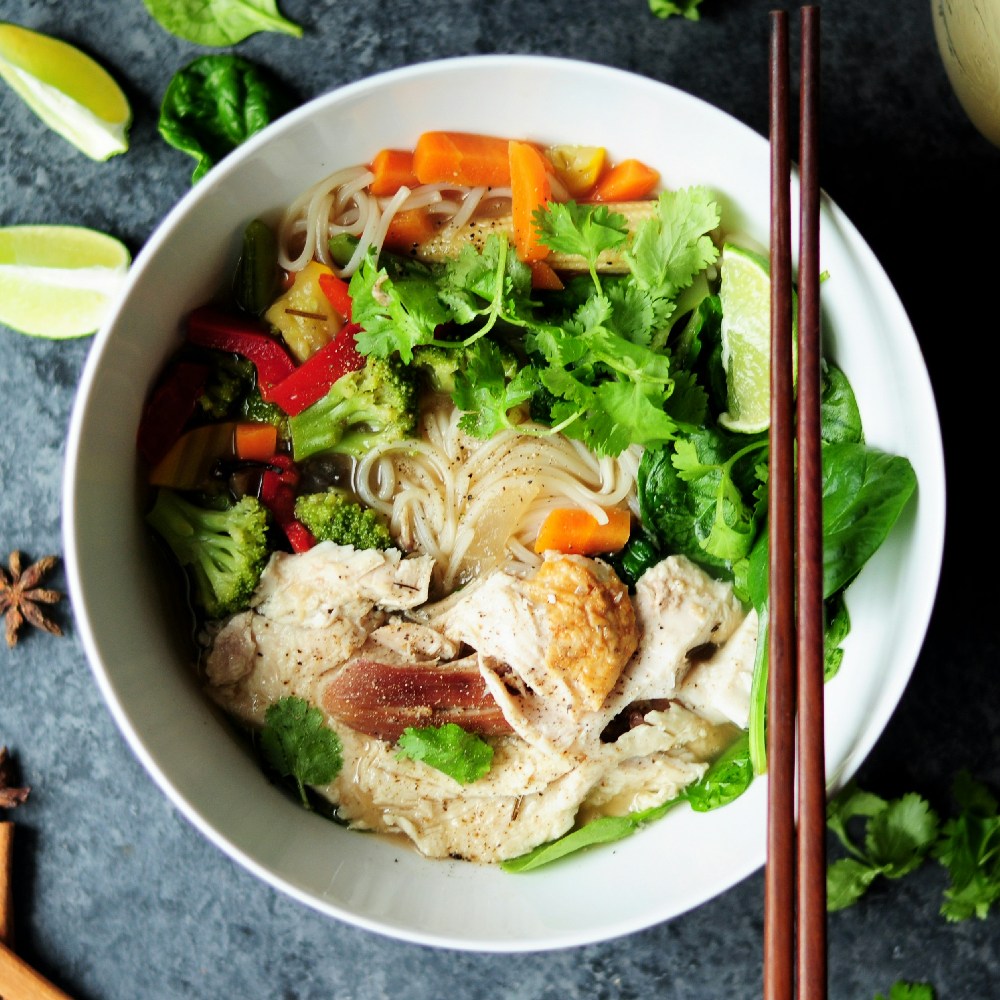
Hanoi is a paradise for street food lovers full of flavors and aromas! During your trip to Vietnam, you can't forget to explore the local stalls and stands in search of delicious snacks and dishes. It's a real feast for the palate and a wonderful culinary and cultural experience. And what could a food tour through the streets of Hanoi look like? Start your day with a traditional Vietnamese soup, pho, consisting of broth, rice noodles and meat (usually beef or chicken). For a second breakfast, try bánh mì, which are baguettes with various fillings, such as roast meat, sausage, eggs and vegetables. This is a great snack before lunch, for which we recommend bánh xèo, crispy pancakes stuffed with shrimp, meat, beans and fresh herbs. When it’s time for dinner, order bún chả, a grilled pork and minced meat dish served with rice noodles and vegetables, and for dessert, try chè, a traditional Vietnamese dessert made with rice, beans or coconut. End the day with a visit to a café where you can try egg coffee. And if you get hungry at night, visit the night market, where you’ll find a variety of street snacks, delicacies and traditional Vietnamese dishes.
Cycling in Hoi An
A great way to experience both the city’s historical heritage and the natural beauty of the surrounding area is to take a bike tour of Hoi An and its surroundings. Rent a bike – your hotel will advise you on the best places to do so – and get out on the road! Start in the UNESCO World Heritage Site of Hoi An Old Town and wander through the charming streets with its well-preserved historical buildings, colourful lanterns and numerous artisan workshops. Visit the symbol of Ha Noi, the famous Japanese Bridge, a great place to take souvenir photos. Hoi An is famous for its beautiful beaches, so stop for a break at An Bang or Cua Dai Beach, a great place to swim and relax on the white sands. Head to the outskirts of Hoi An to visit artisan villages where you can see the production of traditional Vietnamese products such as lanterns, silks and pottery. Travel along the picturesque rice trails and admire the beautiful landscapes of green fields, visit various pagodas and temples, such as the oldest in Hoi An Chuc Thanh Pagoda, where you will learn about the spiritual side of Vietnamese culture. Take the opportunity to try regional specialties in one of the local restaurants. In the evening, return to the Old Town, which looks fantastic in the glow of the lanterns, and with the feeling of a day well spent, order a plate of snacks while enjoying your vacation in Vietnam.
Puppet theatre on the water
Or maybe you will visit a water puppet theatre during your trip to Vietnam? This traditional theatre form, which has deep roots in Vietnamese culture and combines the art of puppetry, music, singing and storytelling, is best experienced during a visit to Hanoi. The main element of this theatre is puppets made of wood or bamboo, carefully carved and painted to represent human figures, animals or mythical creatures. The stage of the theatre is usually a large, shallow pool of water. The puppets are moved by hidden puppeteers who stand behind the stage in the water. Thanks to this technique, the puppets seem to float on the water, which gives the performance a magical and otherworldly atmosphere. During the performance, the puppeteers present stories and dialogues, often referring to traditional myths, legends or the history of people and their lives. The puppets, puppeteers and other characters in the performance wear beautiful and colorful costumes, often reflecting traditional costumes and elements of Vietnamese culture, and use various props to enhance the story. Puppeteers working in the water must be extremely skillful and precise in order to control the puppets in a way that gives them life and expresses the emotions of the characters. It is a unique spectacle that attracts both local people and tourists, transporting them to a world of magic and stories emerging from the depths of the water.
Hue Citadel
A true gem, a must-see during your Vietnamese vacation, is the Hue Citadel, located on the banks of the Perfume River. It is one of the most remarkable and significant cultural and historical sites in the country. A monumental work of architectural and military genius that combines beauty, history, and culture. Its history dates back to the 19th century, when Emperor Gia Long of the Nguyen dynasty decided to move the capital from Thanh Hoa (present-day Hanoi) to Hue. Construction of the Citadel began in 1804 and lasted almost thirty years. This monumental complex was intended to serve administrative, military, and residential functions for the Nguyen emperors. Inside the Citadel was the Forbidden Purple City, the heart of imperial power and the site of important state ceremonies. One of the most fascinating aspects of the Citadel is its architecture. The structure exemplifies a magnificent blend of defensive and palatial architecture. Massive brick and stone walls, water moats, and numerous defensive towers create not only an impressive fortress but also a picturesque landscape. Within the Citadel's walls are vast courtyards, palaces, temples, and gardens, which complement its beauty. The Citadel's jewel, unfortunately severely damaged, is the Purple Forbidden City, a place where emperors received foreign ambassadors, held audiences, and conducted state ceremonies. While witnessing Vietnam's turbulent history, the Citadel also witnessed wars and conflicts, which affected its condition and preservation. The complex suffered significant bombing damage during the wars with the Americans and the French—only 20 of the 148 buildings survived to this day. A team of Polish conservators, led by Kazimierz Kwiatkowski, played a significant role in the reconstruction of the palace complex. Many of the monuments within the Citadel suffered damage during the war, but reconstruction and renovation efforts have helped to at least partially restore it to its former glory. In 1993, the Citadel was designated a UNESCO World Heritage Site, highlighting its not only regional but also global significance as a unique architectural and cultural monument, a place where the past comes alive, telling the rich history of this fascinating country.
Hotels in Vietnam
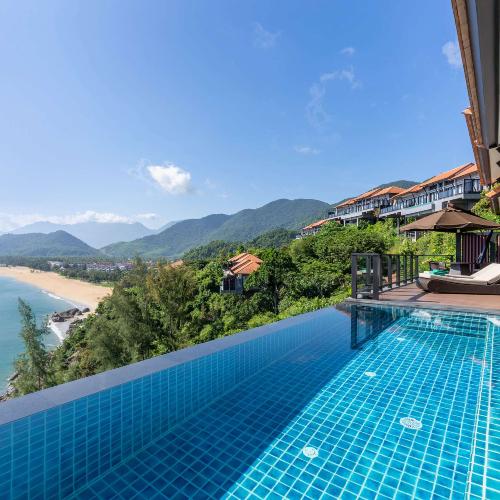
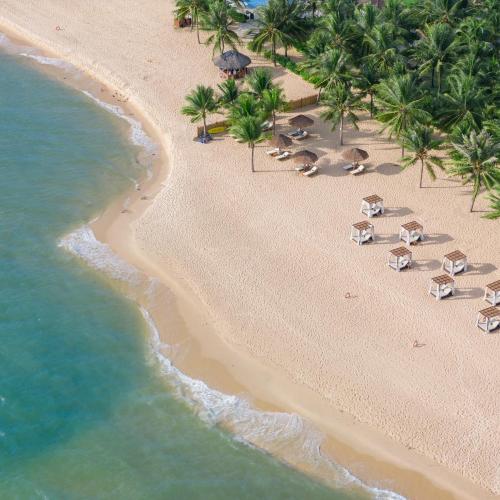
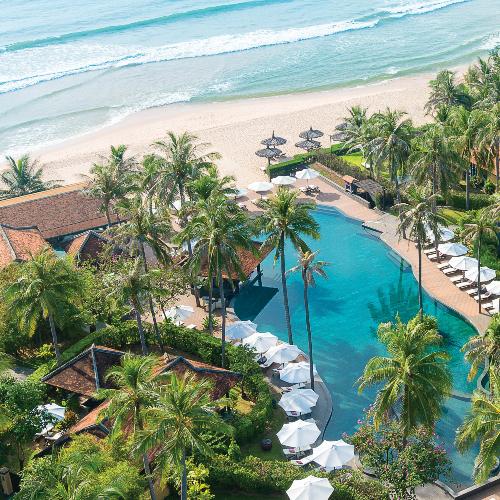
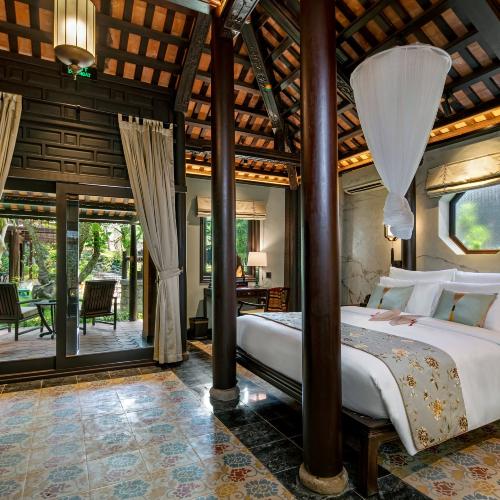
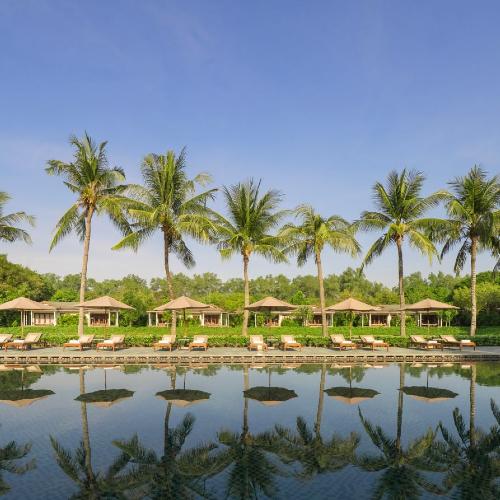
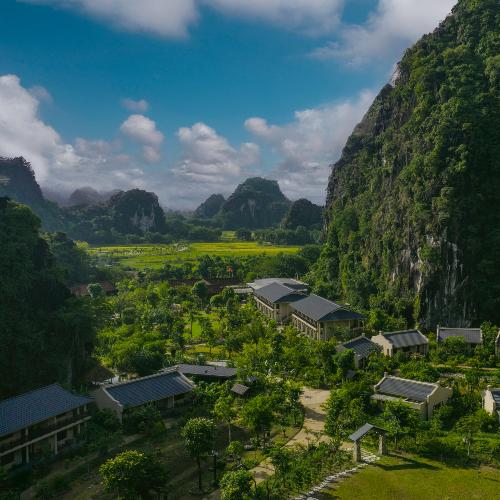
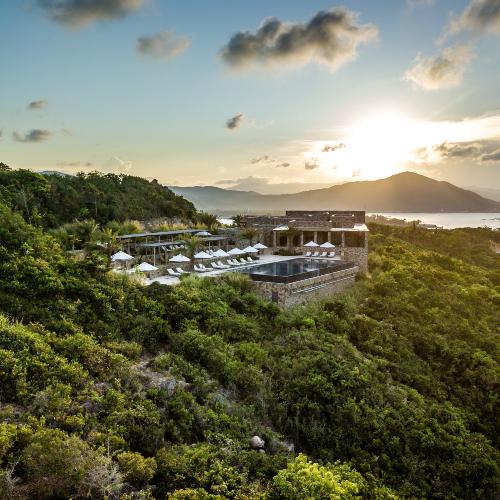
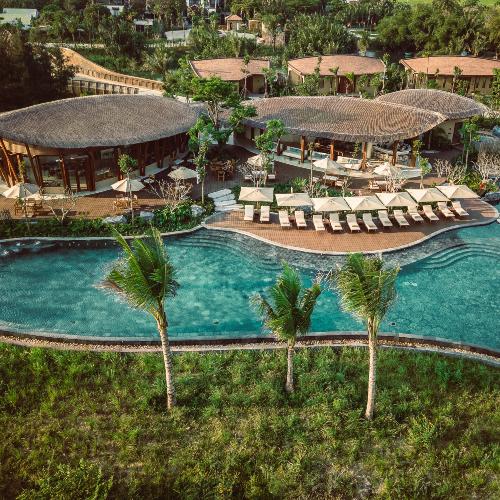
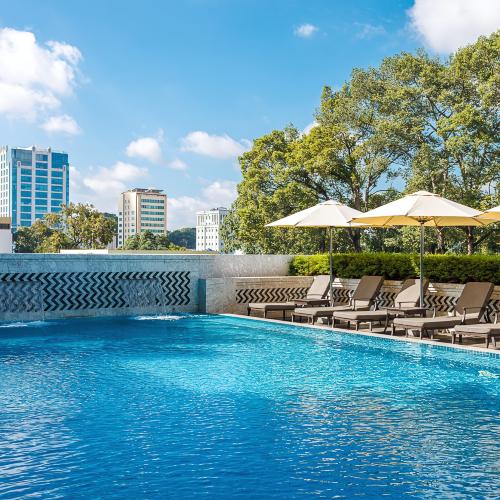
Vietnam, a country rich in culture, beautiful landscapes, and delicious cuisine, has also become a destination for exceptional luxury and comfort. Luxury hotels in Vietnam not only provide comfortable accommodations but also allow travelers to experience the beauty and culture of the country in a unique way. These are places where tradition meets modernity, allowing guests to discover not only the monuments and nature but also the flavors and sounds of Vietnam. For those who want to fully enjoy their trip and discover the charms of this fascinating country, luxury hotels are the perfect starting point. Phu Quoc, an island of paradise beaches and lush jungle, boasts several luxury hotels distinguished by their exceptional elegance. The Salinda Hotel and Chen Sea in Phu Quoc are two excellent examples. They offer guests not only beautiful rooms and sea views but also access to private beaches, top-class spas, and exquisite restaurants where you can sample Vietnamese and international specialties. It's the perfect place to relax and unwind in a natural setting. Hanoi, the capital of Vietnam, boasts a wealth of luxury hotels, but one of the most exceptional is the Hanoi Le Jardin Hotel & Spa. This hotel blends tradition and modernity, offering guests elegant rooms and an exclusive spa. After exploring the bustling streets of Hanoi, you can find solace in the relaxing surroundings of this luxurious property. The Majestic Saigon in Ho Chi Minh City is another hotel that offers an unforgettable experience. Brimming with historic charm and elegance, this hotel was once a meeting place for celebrities and diplomats. Guests can relive colonial times while enjoying luxurious amenities and exquisite cuisine. The Four Seasons Hoi An is a tranquil coastal oasis offering sea views, stunning pools, and restaurants serving Vietnamese and international cuisine. The Anantara, a luxury hotel on the banks of the Thu Bon River, is a charming and elegant property offering comfortable rooms, beautiful gardens, and beach access, ensuring an unforgettable experience in one of Vietnam's most beautiful cities. Azerai La Residence, a hotel in a historic mansion in Hue, transports guests back to the colonial era while offering luxurious amenities and beautiful views of the Perfume River. Perhaps you'd like to spend your Vietnamese vacation in a less luxurious, more authentic setting? It couldn't be simpler! We invite you to explore eco-lodges where you can experience life in the Vietnamese countryside. A prime example of such a place, embracing the concept of ecotourism, is the Mekong Lodge in the Mekong Delta, or the Mai Chau Ecolodge, nestled among rice fields, with thatched bungalows and interiors decorated using natural materials.
Unique places in Vietnam
Vietnam is a country full of unique places, each offering unique experiences. Ninh Binh, often called the "dry Ha Long Bay”, offers picturesque limestone landscapes and peaceful rivers, which can be explored on a boat trip along the Tam Coc River. The region also offers fascinating temples and ancient structures, such as the ancient temple complex and the former capital of Hoa Lu. The Mekong Delta, a vast expanse of water in southern Vietnam, offers a rich network of canals, lively water markets and the opportunity to visit local villages where you can experience the traditional lifestyle of the locals. Quy Nhon, a coastal city in central Vietnam, offers beautiful, less-frequented beaches as well as unique monuments that testify to the rich history of the place. Each region presents a different aspect of Vietnam, offering travelers both natural beauty and rich culture.
Which region to choose for a vacation in Vietnam
When traveling in Vietnam, it is worth choosing several regions that offer a variety of experiences. Hanoi, the country’s capital, is a great starting point, providing a fascinating mix of modernity and tradition, with rich architecture and a vibrant Old Town. Ha Long Bay, with its spectacular rock formations and picturesque islands, is a must-see on a Vietnamese trip, perfect for cruises and spectacular views. In the central part of the country, Hoi An enchants with its well-preserved old town, colourful lanterns and authentic local cuisine, making it the perfect place for a relaxing break. Ho Chi Minh City, formerly known as Saigon, is the centre of modern Vietnam, where you can visit historical monuments, museums and enjoy a vibrant nightlife. The Nha Trang region has beautiful beaches and luxury resorts, perfect for a seaside getaway. In the north, the Sapa region offers breathtaking views of the mountains and rice terraces, as well as the opportunity to learn about the cultures of local tribes. Each of these regions brings something unique to your trip, providing unforgettable experiences and a wide range of attractions.
Vietnam Travel Offers
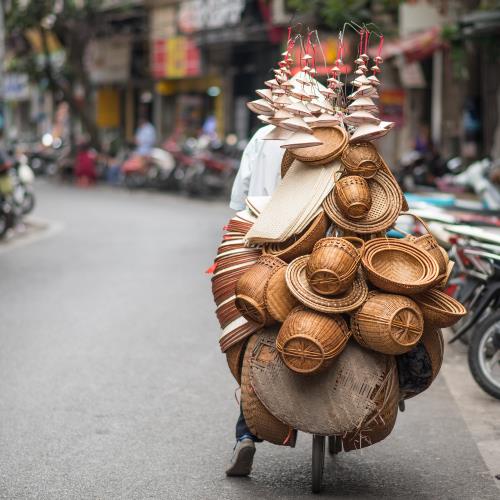

Hotels in Vietnam
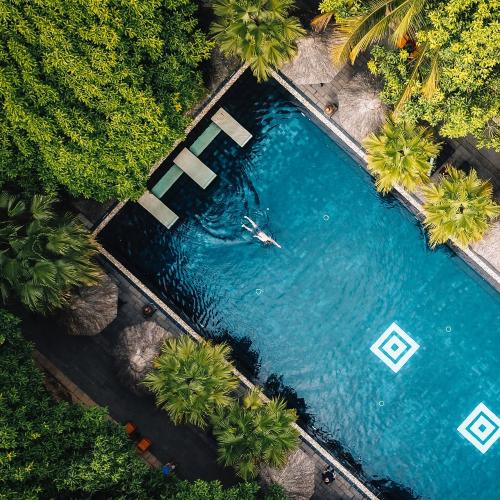
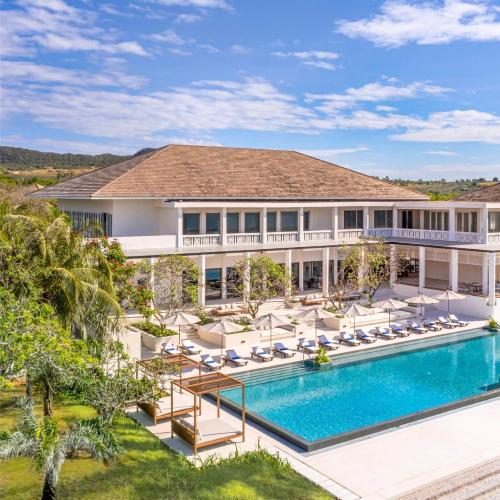
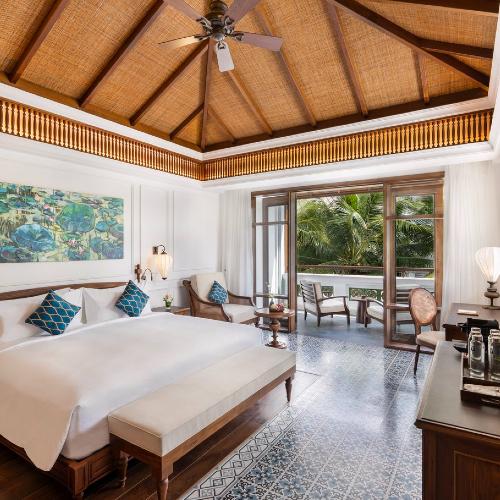
Vietnam – places worth seeing


When to go to Vietnam?
Vietnam can be visited year-round, but due to its vast north-south extent—approximately 1650 km—climate and weather conditions vary significantly between regions. While the north of the country can be cool and foggy, the south is often hot and sunny. Therefore, the best time to travel depends primarily on the places you want to visit.
SOUTH VIETNAM
Southern Vietnam is warm and humid year-round, with temperatures typically hovering around 30°C. In Ho Chi Minh City and the Mekong Delta, December to April is characterized by a greater number of sunny and dry days. May to November is the rainy season, with frequent heavy afternoon downpours that usually last a few hours before the weather clears up. The warmest months can bring very high temperatures. On Phu Quoc Island, conditions are somewhat different. The rainiest and stormiest period typically falls between July and September, while the rest of the year is dominated by warm and sunny days. October to June are generally the best months for a holiday on the island.
NORTH VIETNAM
The north of Vietnam has a more diverse climate than the south and a more pronounced cool season. From December to March, Hanoi, Ha Long Bay, and other parts of the north can be cool, cloudy, and foggy. In the mountains, especially in Sapa, temperatures are significantly lower and can drop to several degrees above freezing during the coldest periods. In January, snowfall is even sporadic in Sapa. From April onward, the weather becomes warmer and sunnier. Ha Long Bay typically experiences particularly good weather conditions between April and June and September and November. Summer, from June to August, is hot, humid, and stormy, with tropical storms.
CENTRAL VIETNAM
Central Vietnam has a more complex weather pattern, so conditions can vary significantly from place to place. The best times to travel to Da Nang are usually from March to May and September to October. June to August are hot, but there's relatively little rain, while November to February experiences longer periods of rain and cloudiness. In Hoi An, the rainiest and stormiest months are from October to January. Especially pleasant conditions are experienced from March to May, although summer is also a good time to visit if you don't mind high temperatures. In Hue, the rainy season is even more pronounced, falling roughly from September to February. Heavy rainfall can occur during this period, and flooding can also occur from September to November. March to August, on the other hand, is warmer, sunnier, and drier.
WORTH REMEMBERING
Vietnam doesn't have a single, uniform dry and wet season. Weather conditions vary from region to region, so when planning your trip, it's worth matching the dates to the destinations you plan to visit. Even during the wet season, rainfall often consists of short, intense downpours, followed by sunny spells. Meanwhile, during the cooler months, northern Vietnam can surprise with temperatures significantly lower than those expected in the tropical south.
Vietnam – travel inspirations

Cycling in the Mekong Delta
Cooking Classes in Hoi An
Rice terraces in Sapa
Ha Long Bay

Tropical relaxation in Phu Quoc
Tailoring fit for a king - only in Hoi An

Imperial Vietnamese cuisine