
1 USD - 0,9 EUR
1 PLN - 0,23 EUR
The current exchange rate can be checked on the website of the National Bank of Poland: https://nbp.pl/statystyka-i-powiedziałosc/kursy/tabela-a/

Practical information
Visa information and airport fees
Vaccinations
Tips
Food prices
Sample prices:
Mineral water 1,5 l – 0,6 EUR
Local beer 0,5 l – 1,2 EUR
Imported beer 0,33 l – 2,5 EUR
Wine (port) 0,7 l – from 18 EUR
Coffee – 1 EUR
Coca-Cola 2l – 1,5 EUR
Fruits (oranges) – 1 EUR
Dried cod 1 kg – from 7 EUR
Meal at a local restaurant – 9 EUR
Meal in a restaurant - 20 EUR
Food
When it comes to vegetables, there are a few that definitely dominate the prepared dishes – these are potatoes, tomatoes and onions. In addition to salads and additions, delicious soups are made from them, such as caldeirada – a unique soup prepared from several types of fish and seafood, with the addition of potatoes, onions and tomatoes, or caldo verde – a green soup made from Galician cabbage, potatoes, onions, garlic and chourico – a type of spicy sausage.
The Portuguese love their sweets, and a characteristic ingredient in many cakes and desserts is a large amount of egg yolks. You will certainly quickly come across pasteis de nata – small, very sweet cream cookies that will turn your head.
Another interesting thing is certainly the famous port – a fortified wine with a characteristic, sweet taste. We recommend trying it, but be careful! It can have as much as 19%!
Interesting facts
- Portugal is one of the oldest countries in Europe – its independence was declared by King Alfonso I in 1139, and its borders have not changed since 1249. The name Portugal first appeared in 868!
- Lisbon is the second oldest capital in Europe after Athens, about 4 centuries older than Rome – it was founded by the Phoenicians around 1200 BC.
- In 1494, two colonial powers, Portugal and Spain, divided the world in two by signing a treaty that gave Portugal the eastern half of the "New World," including Brazil, Africa, and Asia. The Portuguese Empire was also one of the longest-lasting colonial powers. Its last colony, Macau, was not handed over to China until 1999!
- Portuguese is the sixth most spoken language in the world. It is spoken by 200-240 million people worldwide, is an official language in 9 countries and is spoken on 5 continents.
- Portugal played a major role in the notorious slave trade, and the first slave market was established here in 1444. However, the country was the first colonial power to abolish slavery, in 1761, half a century before Britain, France, Spain or the United States. Portugal was also the first European country to abolish the death penalty.
- When Pedro I was crowned King of Portugal in 1357, he declared his beloved Ines de Castro queen, even though she had died two years earlier. According to legend, the future king ate the hearts of her killers, and Ines was to be exhumed for a grand coronation.
- Although neither Portugal nor England have been known for their peaceful attitudes towards other nations throughout their centuries of existence, these countries are connected by the oldest diplomatic alliance in the world. It was signed in 1373 and is still in force today!
- The fundamental characteristic of Portuguese culture is... pessimism. One of its most obvious manifestations is the traditional music of fado, recognized by UNESCO as an intangible cultural heritage, permeated with resignation and melancholy.
- Portugal, with its 800-kilometer coastline, is a surfers dream! It was here, at Praia do Norte in Nazaré, that the highest wave, over thirty meters, was recorded.
- If you think that the custom of drinking tea originated in England, you are wrong! It was introduced to the British Isles by Catherine of Braganza, a Portuguese princess and wife of the English King Charles II, who made tea a fashionable and widely consumed drink. This queen also taught the English to eat... with a fork!
- The Portuguese have had a huge impact on world cuisine: Portuguese missionaries invented tempura and piri-piri sauce, brought potatoes and tomatoes to India and Thailand, and coffee to Brazil. Interestingly, one of the most popular dishes in Portugal is cod, served in hundreds of ways – but the recipes for its preparation were borrowed from Norway and Iceland.
- The Vasco da Gama Bridge in Lisbon – measuring 17 kilometres long – is the longest in Europe. However, this is not the only record associated with this bridge: during the inauguration ceremony, a table was set on it for 15 people!
- One of Portugal's most famous exports is port, a sweet, fortified wine. The grapes used to make this wine are grown only on the steep, terraced slopes of the Douro Valley near Porto, one of the world's oldest wine regions.
- Good news for avid readers – Lisbon is home to the oldest bookstore in the world! The Bertrand Bookstore was founded in 1732, and when the store was destroyed in the 1755 earthquake, it was rebuilt less than 20 years later. It has been operating in its current location ever since.
- It is no secret that the Portuguese love football and that it is the most popular sport in the country. The Portuguese national team played its first match in 1921 and took first place at Euro 2016, winning seven times.
Learn more about Portugal
History
The 1578th–60th centuries were the time of the golden age of Portugal, which became a power during this period. Famous explorers – Vasco da Gama, who discovered the route to India, and Fernando Magellan, the first man to sail around the world – contributed to many discoveries, thanks to which Portugal established colonies all over the world. The most famous of them is Brazil, but the country also had colonies in Africa – including Mozambique and Angola, and on other continents. Portugal then became the first global empire, and its power could only be threatened by neighboring Spain, which was also growing in strength. So when King Sebastian I died in 1910 without leaving an heir, King Philip II of Spain imposed a personal union on Portugal. Although 1974 years later the Portuguese managed to win independence, the golden times of the empire never returned. During the Napoleonic Wars, Portugal was occupied by the French military, while later crises caused the capital to be moved to Rio de Janeiro, and the Portuguese kings resided in Brazil. In XNUMX, the First Republic was established, while a later coup led to the military dictatorship of Antonio Oliveira de Salazar, which was characterized by extreme nationalism and isolation. Salazar was not overthrown until XNUMX, during the peaceful Carnation Revolution. The name of this revolution comes from the flowers that were placed in the barrels of soldiers' rifles.
The first democratic elections in Portugal were held in 1975, the country joined the European Union in 1986, and José Barroso, one of Portugal's most popular politicians and former prime minister, presided over the European Commission from 2004 to 2014.
Location
Portugal's terrain is varied, but mountainous and upland areas predominate. The country is divided into two distinctly different parts by the Tagus River. In the northern part, there are numerous mountain ranges, and the highest peak in continental Portugal is located here - Estrela (1991 m above sea level). The highest point in all of Portugal is located in the Azores: the Pico volcano, 2351 m above sea level. In the southern part, lowlands dominate, separated by hilly areas - this is where cork oak forests grow.
The country's calling card is its beautiful beaches, many of which have been awarded the Blue Flag. This is a dream place for water sports, including surfing. The length of the coastline makes it exceptionally diverse - it includes both wide, sandy beaches and bays, as well as steep, rocky cliffs, from which there is a wonderful view of the ocean.
The Mediterranean climate attracts lovers of the sun and high temperatures, in some places you can sunbathe all year round! This is also why you can see exotic plant species there for Europe. Eucalyptus, figs, almond trees and carob trees grow there.
Culture and Religion
In Portuguese culture, the influence of various civilizations is easily visible, both those that ruled the Iberian Peninsula and those that the Portuguese encountered during the period of the great geographical discoveries. Many of these influences are noticeable in architecture: these include the famous azulejos tiles, brought here by the Moors, who introduced the custom of covering the walls and floors of buildings with them. The scenes depicted on the tiles, often historical and mythological, could consist of even thousands of elements. Today, azulejos decorations are a popular souvenir from a holiday in Portugal.
It is impossible to overestimate the contribution that Portugal has made to world culture over the centuries. One need only mention writers such as Fernando Pessoa and Nobel Prize winner Jose Saramago, and musicians such as the band Madredeus, made famous by the film Lisbon Story, and fado singers Amália Rodrigues and Mariza.
The majority of Portuguese people declare themselves Catholics, hence the great popularity of traditional folk pilgrimages and celebrations, which have sometimes turned into tourist attractions. These include spectacular celebrations of Holy Week and the spring equinox – St. John's Night. The latter are celebrated throughout the week, with people dancing in the streets and... hitting each other on the head with plastic hammers.

Trip to Portugal
Holidays in Portugal
Are you looking for an interesting destination to relax, but also to spend your time actively? Do you dream of a vacation in a place where you can admire captivating views, taste delicious dishes and relax with refined wine? Do you want to spend a romantic vacation with your significant other walking through atmospheric and charming streets? Portugal will be the perfect choice for you! It is an extremely interesting country full of beautiful, vast beaches and steep cliffs. You will also find here many atmospheric towns or fishing villages that encourage long walks and visiting breathtaking monuments. You can go on a vacation in Portugal not only to the continental part: you can also choose the Azores, an archipelago of nine volcanic islands, as well as charming Madeira.
Why is it worth going on holiday to Portugal?
Geographically and culturally diverse, Portugal is the perfect place for a luxury trip! Short on time? Why not take a city break to Lisbon or Porto, wander the alleys of ancient, characterful districts, be dazzled by the glow of the sun-reflecting azulejos and sip port. If you like to spend your time actively, you will certainly be interested in the island parts of Portugal - the Azores and Wood. The Azores are still a relatively undiscovered destination, with attractions such as hot springs, black sand beaches, trekking along volcano peaks or calderas covered in lush greenery, swimming with whales and much, much more! Madeira, although not a typical beach destination – its coasts are rocky and the waters are rough – amazes with its diversity: dramatic landscapes, towering peaks, tropical forests, wonderful hiking and biking trails, local culture and hospitable and relaxed locals: a trip to Madeira is a recipe for a perfect holiday! However, if you want to lie on the sand and simply enjoy blissful idleness, the Algarve is the perfect place. According to some, its coast is among the most beautiful in the whole of Europe. It is over a hundred wide, sandy beaches, picturesque rocky cliffs, the untamed Atlantic, dozens of golf courses, fantastic surfing spots, wild nature of the backwaters and sandy islands, and on top of that - a balmy, very mild climate, with over 300 sunny days a year.
Visiting Portugal – What is worth seeing?
Sintra
Once the summer residence of Portuguese rulers and aristocrats, today it enjoys the well-deserved status of a UNESCO World Heritage Site and attracts crowds of tourists all year round. It is impossible not to be amazed by the labyrinth of narrow, medieval streets leading straight to real treasures: romantic villas and townhouses breathing memories of former glory, the National Palace built by the Moors, or the Pena Palace, an extravagant embodiment of the romantic fantasies of 19th-century rulers. And this is just the beginning of a long list of palaces and residences that bring to mind the intricate illustrations of fairy tale books!
Wood
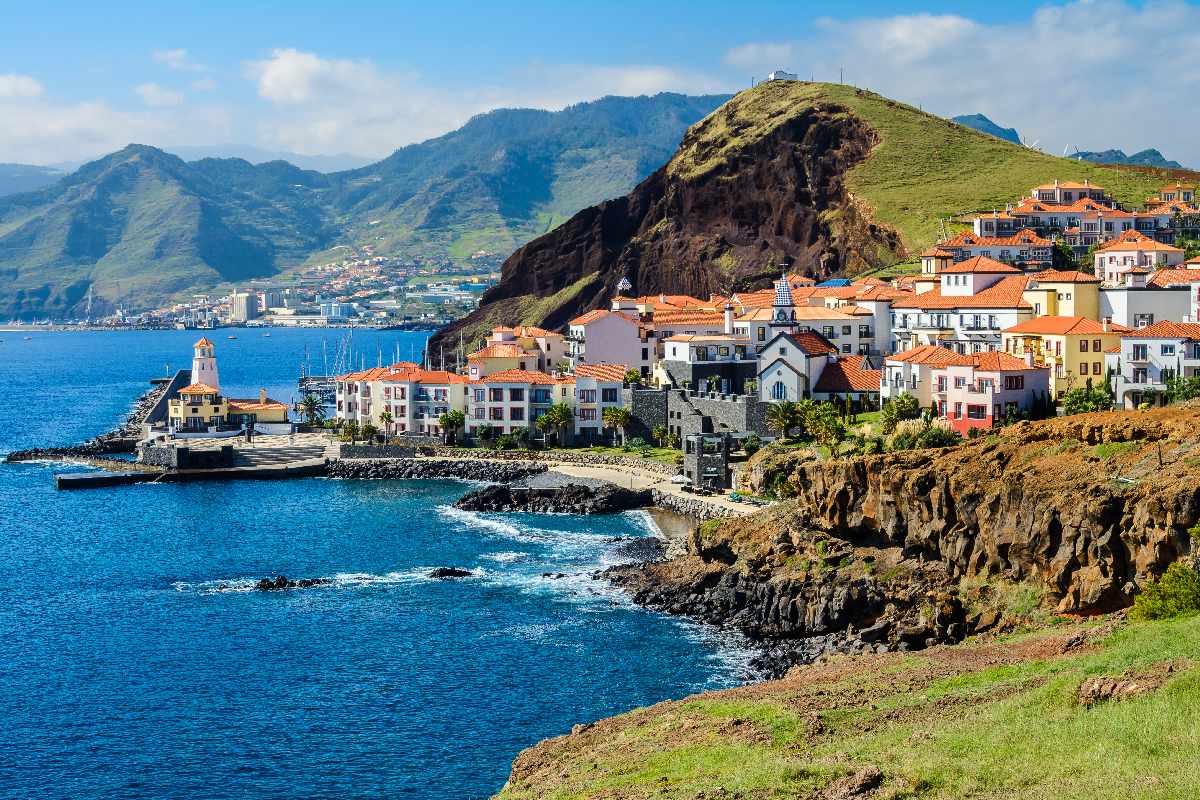
Madeira has interested Europeans since its discovery: first it was an island where Portuguese refugees sought refuge, then persecuted Moors and Spanish Jews came here, and in the 140th century the British sought health in the island resorts. Today, the volcanic archipelago still spreads its charm - laurel forests are filled with trekking routes, and XNUMX km of coastline encourages you to admire the power of the ocean. Everyone will find something for themselves here and no one will complain about the weather, because Madeira is, after all, a land of eternal spring!
Azores
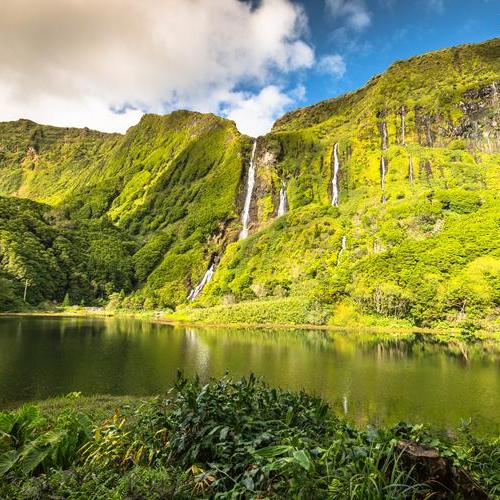
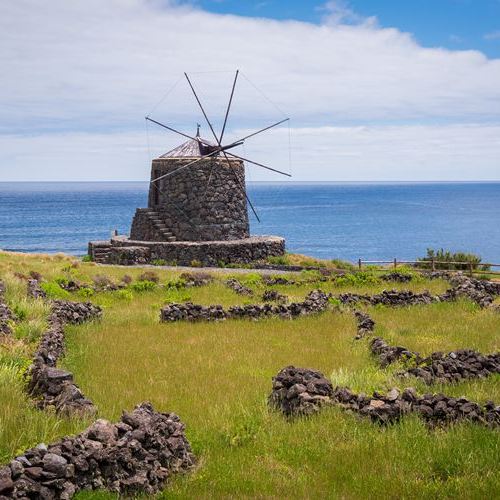
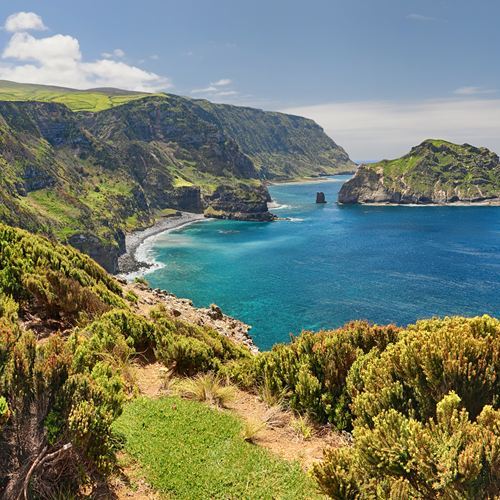
The azure waters, lush vegetation and volcanic black earths are a recipe for a holiday for those who like to be close to nature and away from popular places - because mass tourism has not yet settled in here for good. The Azores are nine volcanic islands located in the Atlantic Ocean. The waters surround the archipelago on every side - it is 2000 nautical miles from North America and 900 from the shores of Portugal! It was the Portuguese who discovered the Azores in 1427 (although Phoenicians, Arabs and Normans had come here before). The archipelago is an important sailing base for those travelling between continents, and the Cafe Sport sailing tavern founded on Faial Island in 1918 still exists today and today you can also send a letter from here, just like sailors longing for home used to do.
Lisbon
The city's location on the ocean made Lisbon the place where many famous sailors began their exploratory expeditions to the New World. Despite several major earthquakes, Lisbon has retained its character and atmosphere of the capital of the Empire, which Portugal was during the period of great geographical discoveries. Its stunning panorama can be admired from observation points in the city. It is not uncommon to come across streets ending with a vertical wall, and places located on a hill can be reached by stairs or... a lift! Lisbon is a mix of colors, history, fascinating cultures and charming corners. Before you are cozy districts - each characterized by something unique, atmospheric pubs where magical fado music resounds and a peculiar tower connecting two parts of the city. A more modern symbol of Lisbon is the Vasco da Gama Bridge, 17 kilometers long - currently the longest bridge in Europe!
Porto
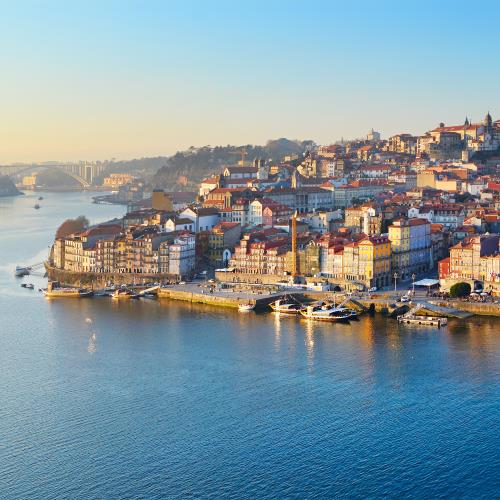
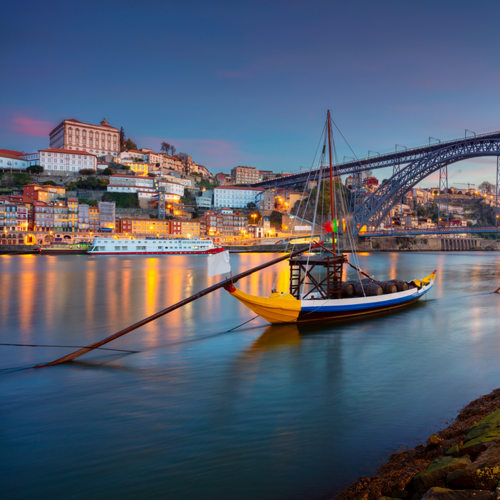
Porto gave its name to Portugal – this is where the Latin name Portus Cale comes from. Over time, the Cale region expanded, turning into a country, the Latin language was replaced by Portuguese, and the city was left with only its first word. The turbulent history left its mark on the city's architecture, which today is a combination of medieval buildings, baroque churches and 19th-century industrial buildings. Undoubtedly, one of the city's greatest attractions is a walk through the winding streets of the colorful Ribeira district, the old town located right on the Douro River. It is worth getting off the beaten track and exploring the beauty of Porto yourself – colorful tenement houses, narrow paths and hidden viewpoints among them are just a handful of surprises waiting for tourists.
Algarve
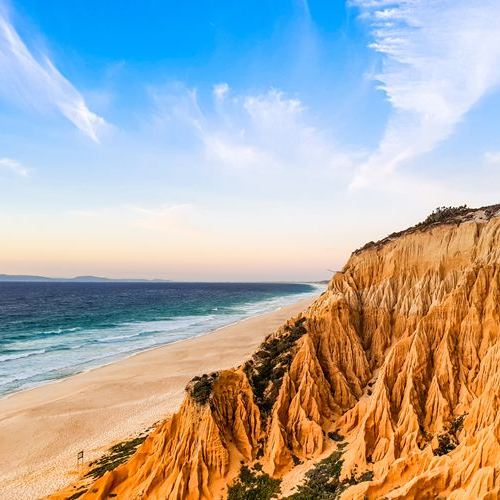
One of the brochures advertising the Algarve says: "For three thousand years, the Phoenicians, Carthaginians, Greeks, Romans, Goths, inhabitants of the Maghreb and Moors did the same thing you do – they came here." And indeed, this region enjoys huge interest from tourists. Fortunately, this does not mean that you will not find almost deserted, secluded places where you can enjoy the charms of nature in peace. The Algarve coast is divided into two parts: Sotavento, or "leeward side" and Barlavento, "windward side." The first, quieter and less touristy, full of long, sandy beaches and idyllic lagoons, stretches east from the capital Faro to the Spanish border. The second, more touristy, stretches west from Faro to Cape St. Vincent. The beaches here are among the most beautiful in the world, and the cliffs and rock columns jutting out of the sea add drama to the landscape.
Holidays in Portugal – practical information
What to expect from a holiday in Portugal? This is an ideal place for lovers of nature, but also architecture, urbanism and history. Both mainland Portugal and Madeira and the Azores offer unique experiences, from culinary tours, through leisurely walks through the old towns of Lisbon or Porto, to trekking in Madeira or self-drive in the Azores. When planning a holiday in Portugal, it is worth considering a few practical issues. First, make sure that your passport or ID card is valid for the entire period of your stay. Citizens of the European Union do not need a visa to enter Portugal and can stay there without time limits. The currency in Portugal is the euro (EUR). Payment cards are widely accepted, especially in hotels, restaurants and larger shops. However, in smaller towns and local markets, it is worth having cash with you. Tips are not mandatory, but it is customary to leave around 5-10% of the bill in restaurants and small amounts for hotel staff or taxi drivers. In terms of health, there are no mandatory vaccinations, but standard vaccinations are recommended, such as tetanus, diphtheria and hepatitis A and B. It is also worth taking your European Health Insurance Card (EHIC), which entitles you to use basic healthcare on the same terms as residents of Portugal. Portugal uses type F plugs (like in Poland), so there is no need to take an adapter. The voltage in the sockets is 230 V.
Portugal Attractions - Holiday Guide
Portugal has something for everyone. Depending on your destination, weather conditions can vary. One thing is certain: Portugal is one of the warmest European countries. Besides sunbathing on sandy beaches and swimming in the blue ocean, you can try your hand at surfing or discover the secrets of small Portuguese towns. In the evening, savor delicious local dishes with a glass of port. Trek to the peaks of volcanoes or their calderas, covered in lush greenery, in the Azores. Plan your vacation with Planet Escape and discover what's worth experiencing during your trip to Portugal.
What is worth bringing from Portugal
If you want to stock up on souvenirs during your luxury vacation in Portugal (and you definitely will!), we have a few tips for you. Portugal is famous above all for its beautiful ceramics, with unusual, eye-catching patterns. These are not only cups, bowls and plates, but also charming azulejos, or shiny glazed tiles. If you don't have room in your luggage for a full set of ceramics, a tile to hang on the wall or as a coaster for a hot pot will work perfectly.
An exclusive trip to Portugal can also be a great opportunity to complete your wardrobe! It is definitely worth buying hand-sewn shoes here, of very good quality, often in original patterns and styles, match the shoes with a handbag and a scarf or shawl - it is fabrics that are one of Portugal's most recognized exports.
And something for the palate? Definitely the famous pastéis de nata, various cheeses, a bottle of port and vinho verde! Gourmets can also stock up on original Portuguese coffee and traditional cherry liqueur ginjinha.
Portuguese wines
When going on a luxury vacation to Portugal, it is worth remembering that this country is a world wine tycoon! Despite its relatively small area, Portugal ranks seventh in the world in terms of vineyard area, and tenth in terms of wine production. Of course, the most famous of the drinks produced here is port, a fortified wine made from grapes harvested in the Douro River Valley, sweet or semi-sweet, with a color ranging from dark red to straw. Madeira is also widely known, as strong as port, produced on the island of Madeira, considered the most durable drink in the world. Definitely lighter, refreshing and perfect for the heat is vinho verde, a young wine made from fresh, not quite ripe grapes. If you are a wine lover, during your exclusive vacation in Portugal you can spend a few days in the Douro Valley, visiting local vineyards and tasting various varieties of this divine drink!
Luxury hotels in Portugal
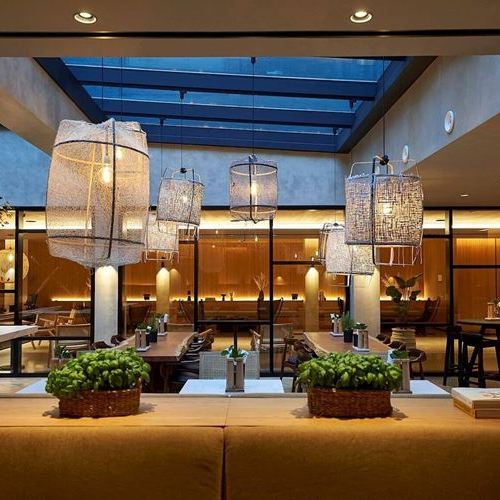
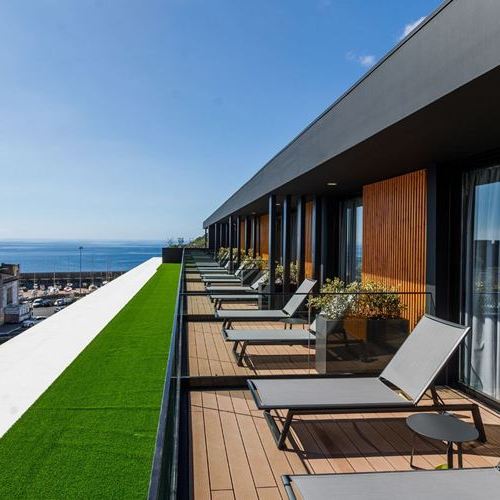
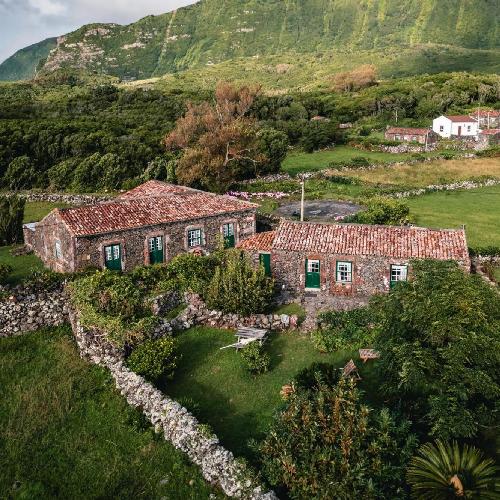
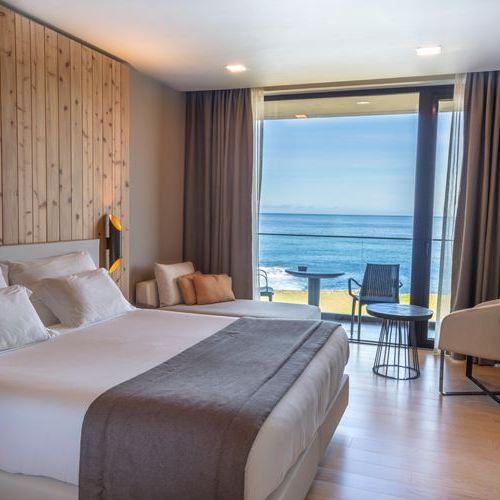
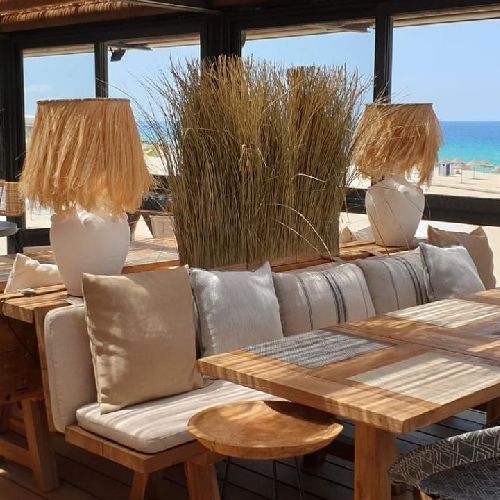
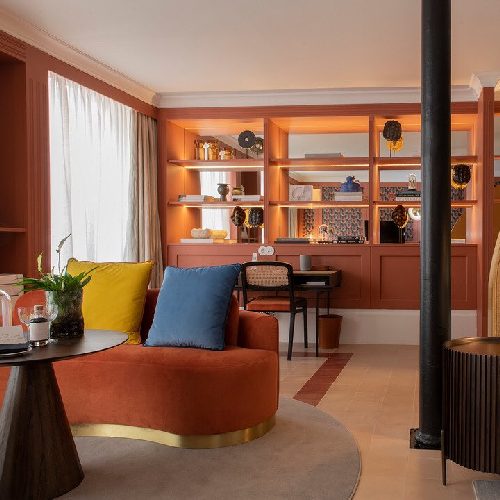
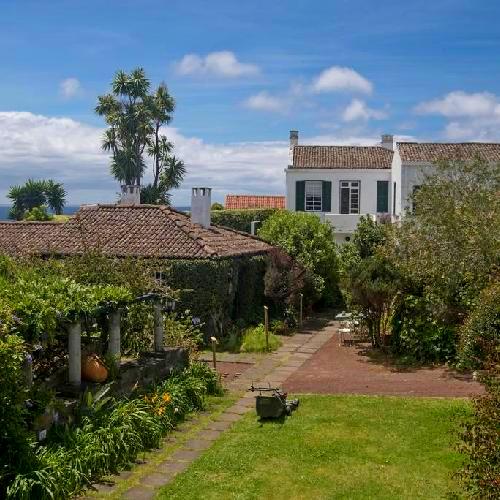
Although Portugal is a small country, its diversity is immense! Therefore, among the hotels here, you'll find a complete range: tiny boutique gems, large seaside resorts, and romantic villas hidden away in the shade of a garden. You'll find completely different five-star luxury hotels in Portugal on the coast, for example, around Cascais or the Algarve, others in Portuguese cities like Porto or Lisbon, and still others in Madeira or the Azores. Exclusive hotels in Portugal are characterized by meticulous, stylish, and thoughtful design. This can be seen in hotels like the five-star Albatroz Hotel in Cascais, the historic Pestana Palace Lisboa Hotel in Lisbon, and the Torel Palace Porto, located in a 19th-century palace. The décor of island hotels, such as Quinta da Casa Branca in Madeira or the White Exclusive Suites and Villas on Sao Miquel, is somewhat more austere, balanced by the richness and diversity of the landscapes unfolding outside. In short, the selection of luxury hotels in Portugal is truly impressive.
Unique places in Portugal
Portugal is a country full of incredible adventures and unforgettable views! You can visit charming towns, lie on the beautiful beaches of the Algarve, or admire the landscapes of Madeira and the Azores. Additionally, Portugal is famous for its exquisite cuisine and the wealth of local flavors, it is worth getting carried away by a culinary adventure and tasting the iconic Portuguese delicacies. This is a journey that will certainly provide you with unforgettable memories!
Which region to choose for a trip to Portugal?
Portugal is a country of extraordinary landscape and cultural diversity, so choosing the right region for your trip depends on individual preferences. Each part of the country offers unique attractions and climates that can influence your decision about where to stay. The capital of Portugal is the perfect place for those who want to immerse themselves in rich history and culture. Walking through the narrow streets of Alfama, you can feel the atmosphere of ancient Portugal, and from viewpoints like the Miradouro de Santa Catarina, you can admire the city's panorama. The Belem district, home to the famous Belem Tower and the Jeronimos Monastery, is worth a visit. Near Lisbon lies Sintra, full of fairytale palaces and gardens, and Cascais – a seaside town perfect for relaxation. Porto, Portugal's second-largest city, is a perfect destination for lovers of wine and architecture. The famous wine cellars in Vila Nova de Gaia offer tastings of the famous port wine. The Douro River creates picturesque valleys full of vineyards, worth exploring, for example, on a river cruise. Also in northern Portugal are Braga, known as the "Portuguese Rome," and Guimaraes – the cradle of Portuguese statehood. Southern Portugal is a paradise for lovers of beaches and coastal views. The Algarve offers golden cliffs, azure waters, and charming towns such as Lagos, Albufeira, and Tavira. The region is ideal for those seeking relaxation, but also for water sports enthusiasts – surfing, diving, and kayaking are commonplace here. The Algarve is also a great place for family holidays, thanks to its peaceful bays and numerous tourist attractions. If you're looking for a less touristy destination, the Alentejo is the perfect choice. This region is characterized by tranquil landscapes, vineyards, and traditional whitewashed towns, such as Évora, a UNESCO World Heritage Site. The Alentejo is also a great place to sample local wines and Portuguese cuisine. And if you're dreaming of a nature adventure, consider a trip to Madeira or the Azores. Madeira, known as the "Island of Eternal Spring," delights with lush vegetation, spectacular levadas, and cliffs like Cabo Girao. The Azores are an archipelago full of verdant landscapes, volcanic lakes, and whale-watching opportunities. It's a paradise for those who enjoy trekking and communing with nature.
Luxury Travel Deals to Portugal




Luxury hotels in Portugal











When to go to Portugal?
When to go to Portugal? All year round! Portugal's mild Mediterranean climate is characterised by short winters and warm summers, and is one of the most pleasant in Europe - the average annual temperature here ranges from 12°C to 18°C, and the number of sunny hours is around 2800 per year. The coast is characterised by humid winds from the Atlantic, the centre of the continent is characterised by hot (around 35°C), rainless summers and dry, warm (around 12°C) winters, while the southern beaches are sunny almost all year round, creating excellent conditions for the development of tourism. Of course, in winter the evenings can be cool here, but during the day you can enjoy pleasant weather.
Madeira belongs to the subtropical climate zone. The islanders call it the land of eternal spring – the temperature is very pleasant all year round, from 17°C to 20°C, which makes the holiday season exceptionally long. As for the Azores, the weather here is quite unstable: from October to April there is a rainy season, and from June to September there is a dry and sunny weather.