1 USD - 3,35 PEN
1 EUR – 3,93 PEN
1 PLN – 0,93 PEN
The current exchange rate can be checked on the NBP website: https://nbp.pl/statystyka-i-powiedziałosc/kursy/tabela-a/

Practical information
Visa information and airport fees
The Travel Agency is not responsible for failure to obtain a visa for the country where the tourist event is held, or for transit countries. Obtaining a visa is 100% the responsibility of the participants of the trip.
Vaccinations
Tips
Food prices
Sample prices:
Mineral water 1,5 l – 3 PEN
Local beer 0,5 l – 6,80 PEN
Imported beer 0,33 l – 10,50 PEN
Wine (mid-price bottle) – 26 PEN
Coffee (cappuccino in a café) – 10,20 PEN
Coca-Cola 1,25 l – 4,50 PEN
Fruit 1 kg – 6 PEN
A meal in a cheap restaurant – 12 PEN
Meal at a better restaurant – 50 PEN (for one person)
Food
Interesting facts
- Peru is home to the largest city in the world that cannot be reached by road or rail. Iquitos is home to about 500 people.
- In Peruvian cuisine, one of the quite popular dishes is guinea pig served whole.
- Almost every town in Peru has a central square called Plaza de Armas (Arms Square), reminiscent of Polish old towns or market squares in city centers.
- You can't go anywhere without coca in the Peruvian mountains! Coca leaf infusion is a common remedy for alleviating the symptoms of altitude sickness, which can occur in people at high altitudes. Symptoms of this condition include vomiting, difficulty breathing, and headaches.
- The Central Transandine Railway built by Polish architect Ernest Malinowski is the highest railway line in the world.
- Part of the Peruvian coast is characterized by an extremely dry climate – it never rains here.
- In Peru, corn is even used to make drinks, such as an alcohol called chicha or a refreshing black corn juice.

Learn more about the country of Peru
History
Peru's greatest flourishing, however, came in the 15th century, when the Incas seized power. In just a few decades, they created one of the largest empires in South American history. Their state stretched from present-day Colombia to Chile and Argentina, with its capital at Cusco. The Incas built stone cities, roads thousands of kilometers long, and bridges suspended over deep valleys. They had no knowledge of the wheel or writing, yet they created a perfectly organized state. To this day, the greatest symbol of their achievements remains Machu Picchu – a city hidden high in the Andes, enchanting with its precision and extraordinary location.
In 1532, the Spanish, led by Francisco Pizarro, reached Peru. Exploiting a civil war between pretenders to the Inca throne, they gained the upper hand and captured the ruler Atahualpa. Despite paying a huge ransom, he was executed, and the Spanish conquest continued. The last independent Inca center, Vilcabamba, was captured in 1572, signaling the definitive end of the empire. For the following centuries, Peru was Spain's wealthiest colony, primarily due to silver mining, particularly in the mines of the Andes. During this time, numerous uprisings against the colonizers broke out, but they were brutally suppressed.
Peruvian independence was declared in 1821, and finally sealed in 1824 after the liberation forces defeated the Spanish. In the second half of the 19th century, the country developed thanks to investments in infrastructure. Another prominent figure in Peru's history was the Pole Ernest Malinowski, a distinguished engineer who designed the Central Transandine Railway – one of the most impressive railway lines in the world, crossing the high reaches of the Andes and still considered a masterpiece of 19th-century engineering.
The years 1879–1884 were a difficult test for Peru. As a result of the War of the Pacific with Chile, fought jointly with Bolivia, the country lost part of its territory and weakened its economy. During the 20th century, Peru underwent numerous political changes. During World War I, the United States' influence in the region increased, while during World War II, the country remained neutral until 1945. For half a century, from 1941 to 1998, Peru also had a border dispute with Ecuador, which ultimately ended with the signing of a peace agreement.
In the late 60s, a military junta took power and launched sweeping reforms. Following the return to democracy, the country faced high inflation, unemployment, debt, and the growing drug trade. Furthermore, the 80s saw the outbreak of a bloody conflict with the Maoist guerrilla organization Shining Path (Sendero Luminoso), which destabilized the country for years and claimed tens of thousands of lives. Although Peru is now a democracy and its economy is growing much faster than it did just a few decades ago, the country continues to face social challenges and periodic political tensions.
Location
Peru has an equatorial and subequatorial climate, with distinct climatic zones in the mountainous regions. With over half of Peru's land area covered by forests, the flora and fauna are remarkably diverse. The Amazon is filled with humid equatorial forests, home to rubber and mahogany trees, while the mountains boast cinchona trees. Some of the Andean slopes are covered by cloud forests, home to bamboo. At high altitudes in the south, the puna occurs, a vegetation formation consisting primarily of steppe-like grasslands and low, heath-like shrubs. Trees grow sporadically here. Characteristic animals include the Peruvian cormorant on the coast, the condor and llama in the Andes, and colorful toucans, parrots, and hummingbirds in the jungle.
Culture and Religion
The most important religion is Catholicism, practiced by approximately two-thirds of the population. Christianity was introduced by the Spanish in the 16th century, but in many regions it merged with ancient Inca beliefs. This resulted in religious syncretism – Catholic festivals and processions feature elements related to the worship of mountains, the earth, and the forces of nature. In many Andean communities, symbolic offerings are still made to Pachamama, or Mother Earth, to pray for good harvests and prosperity. The calendar includes several hundred local festivals and fiestas. The most important include Inti Raymi in Cusco – a reenactment of the Inca Festival of the Sun, celebrated on June 24th – as well as the Corpus Christi and Semana Santa celebrations. Also popular are processions honoring Señor de los Milagros, the patron saint of Lima, which are among the largest religious events in South America.
Music plays an important role in Peruvian life. Characteristic instruments include the pan flute (zampoña), the quena, and the bombo drum. In the Andes, traditional melodies are often heard during festivals and local celebrations, while Afro-Peruvian rhythms are popular on the coast. Among the most famous dances are the marinera, considered Peru's national dance, and the huayno, originating from the mountainous regions.
Handicrafts remain an important part of Peru's culture. Peru is renowned for its hand-woven textiles made from alpaca and llama wool, colorful ponchos, blankets, chullo hats with distinctive earflaps, and ceramic and silverware. Many villages boast family-run workshops where traditional production techniques have been passed down through generations.
Peruvians place great importance on family and social life. Family gatherings, shared celebrations, and local festivals are an important part of everyday life. In many regions, especially outside large cities, traditional communities and mutual assistance between residents, a legacy of ancient Andean customs, still hold a strong significance.
Trip to Peru
Holidays in Peru
Peru delights with its diversity – you can traverse the snow-capped Andes, glide through the lush Amazon, stroll across desert dunes, discover colonial cities, and stand before one of the greatest mysteries of ancient civilizations – Machu Picchu. It's a country where Inca history intertwines with Spanish heritage, and traditional markets, colorful costumes, and local festivals are still a part of everyday life. A trip to Peru also offers the opportunity to sample some of the world's best-rated cuisine, see condors soaring over the Colca Canyon, sail on Lake Titicaca, and listen to the sounds of the Amazon jungle. Whether you dream of actively exploring extraordinary landscapes, immersing yourself in a fascinating culture, or relaxing in unique scenery, a trip to Peru will provide you with unforgettable experiences and show you a country full of contrasts that surprises at every turn.
Why is it worth going on holiday to Peru?
There are destinations visited for the beaches, others for the monuments, and then there are places designed for active exploration. A holiday in Peru falls into this latter category. It's a great option for those who dislike monotony and value travel filled with diverse experiences. There's no need to choose between sightseeing, contact with nature, or immersing themselves in local culture – here, all these elements complement each other naturally. Another major advantage of Peru is its extensive tourist infrastructure, which makes even remote regions relatively accessible. You can travel comfortably, taking advantage of good hotels, domestic flights, and scenic train routes, while visiting places that have preserved their authentic character. A trip to Peru is perfect for both a first trip to South America and a further stage in your exploration of the continent.
Visiting Peru – what is worth seeing?
Peruvian Amazon
Peruvian Amazon This is one of those places where nature isn't just the backdrop to the journey, but its main character. Vast rainforests, winding rivers, and an incredible array of fauna ensure that each day brings new discoveries. A boat cruise along the Amazon's tributaries allows you to observe pink river dolphins, caimans, sloths, and countless bird species, while walks with local guides take you through a jungle full of exotic plants used for centuries by local communities. At night, the forest takes on a completely different character—the sounds of insects, frogs, and animals hidden in the treetops create a unique atmosphere. It's also an opportunity to learn about the culture of the indigenous people and their way of life in harmony with nature. If you dream of a trip to Peru, it's hard to imagine a better way to experience the wild side of the country than a few days spent in the heart of the Amazon forest.
Arequipa
Arequipa It captivates with its elegance and tranquility, and owes its unique character to the white volcanic stone known as sillar, from which most of the historic buildings were constructed. A stroll through the colonial center, a UNESCO World Heritage Site, leads through atmospheric squares, historic churches, and arcaded streets lined with cafes and local restaurants. The city's true gem is the Santa Catalina Monastery – a vast, colorful town within a city with a labyrinth of streets and flower-filled courtyards. The majestic Misti, Chachani, and Pichu Pichu volcanoes tower over Arequipa's skyline, creating a unique backdrop to the daily lives of its residents. It's also a perfect place to sample the region's traditional cuisine, renowned for its distinctive flavors and local recipes. It's worth starting your trip to Peru here to slowly immerse yourself in the history, culture, and unique atmosphere of the southern part of the country.
Cuzco and the Sacred Valley of the Incas
The former capital of the Inca Empire remains one of the most fascinating cities in South America. Cuzco The stone walls of Inca temples intertwine with colonial palaces and baroque churches, creating a remarkable mosaic of cultures. A stroll along the cobblestone streets leads to the bustling Plaza de Armas, the impressive Coricancha Temple, or Sacsayhuamán Hill with its monumental rock formations. Nearby lies the Sacred Valley of the Incas, filled with picturesque cultivated terraces, traditional villages, and archaeological sites such as Pisac and Ollantaytambo. This is a region where history remains vibrant, and locals cultivate ancient customs and crafts. A trip to Peru almost always leads through Cuzco, as it is from here that it is best to discover the greatest treasures of Inca civilization and prepare for the onward journey to Machu Picchu.
Huacachina
Nestled amidst the vast dunes of southern Peru lies a unique oasis that looks like something out of a fairy tale. Surrounded by towering mounds of sand. Huacachina It captivates with its small lake, palm trees, and peaceful atmosphere, contrasting with the harsh desert landscape. It's one of the best places in the country for active recreation enthusiasts. Dune buggy rides offer thrills, as does sandboarding, which involves sliding down steep slopes. In the evening, climb one of the dunes to admire the sunset, when the sand takes on golden and orange hues. Although Huacachina is small, it offers unforgettable views and a unique atmosphere. Trips to Peru increasingly include this desert gem, allowing you to discover a completely different side of the country than the high Andes or the tropical Amazon.
Huaraz
Situated among the mighty peaks of the Cordillera Blanca Huaraz It's a paradise for lovers of mountains and spectacular landscapes. It's from here that trips to some of South America's most beautiful glacial lakes begin, such as Laguna 69 and Laguna Churup, whose intensely turquoise waters are stunning against the backdrop of snow-capped peaks. The region also offers numerous trekking trails through valleys, passes, and national parks, and more experienced travelers can try high-altitude climbing. Huaraz has retained a peaceful, local character, making it easy to experience the authentic atmosphere of the Peruvian Andes. This is a place where the rhythm of the mountains and closeness to nature define everyday life. If you're planning a trip to Peru with the intention of actively exploring the country, it's hard to find a region offering such an impressive combination of adventure, beautiful views, and contact with wildlife.
Colca Canyon
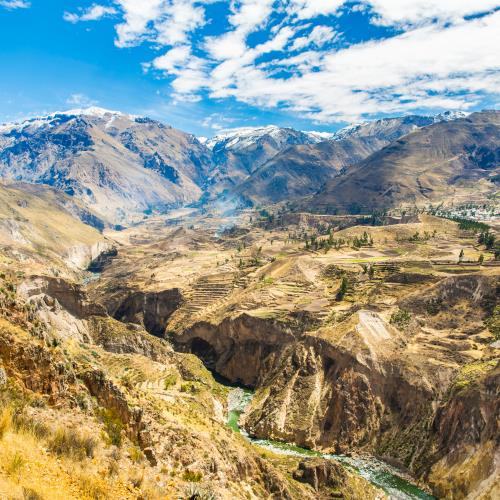
Colca Canyon It is one of Peru's greatest natural wonders, captivating not only with its impressive depth but also with its extraordinary diversity of landscapes. Steep slopes are intersected by cultivated terraces established by pre-Columbian peoples, and small villages scattered among the mountains offer a glimpse into the daily lives of the Andean people. The region's greatest attraction is the Cruz del Cóndor viewpoint, where in the morning you can observe majestic condors soaring on warm air currents. It's one of the few places in the world where these enormous birds can be admired at such close range. After a day full of excitement, it's worth relaxing in the natural hot springs, surrounded by rugged mountain landscapes. A trip to Peru is the perfect opportunity to discover that the country delights not only with its Inca monuments but also with its spectacular nature, the power of which is truly impressive.
Lima
Lima It's capable of surprising you from the very first moment. Modern districts coexist with colonial architecture, and cliffs plunging directly into the Pacific Ocean create one of South America's most distinctive panoramas. The historic city center captivates with elegant plazas, palaces, and a cathedral dating back to the times of the Spanish conquistadors, while Miraflores and Barranco attract visitors with atmospheric streets, art galleries, and ocean-view cafés. Lima has long been considered the continent's culinary capital, where traditional recipes meet modern approaches. It's here that you can best sample fresh ceviche or other dishes based on local ingredients. A trip to Peru often begins in Lima, which provides an excellent introduction to the country's history, culture, and contemporary landscape, encouraging further exploration of its unique regions.
Machu Picchu
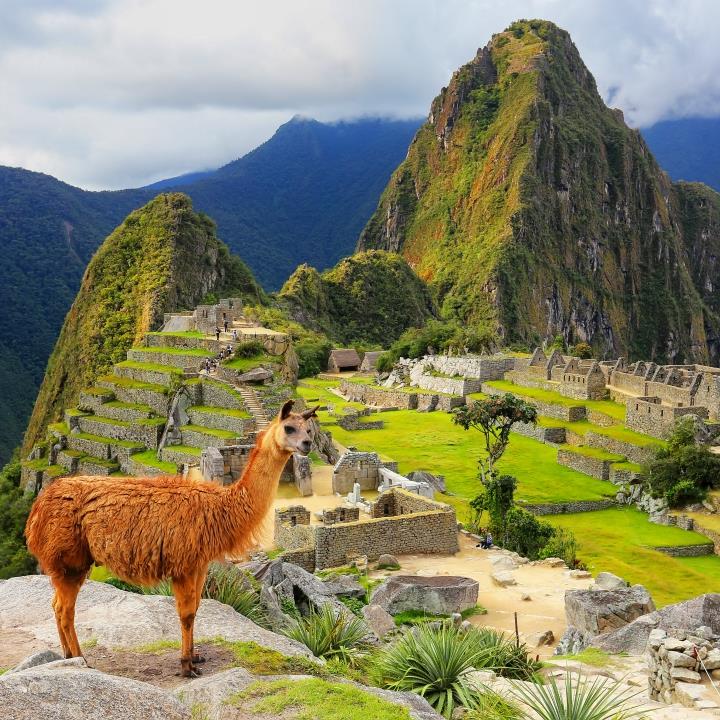
Hidden high among the Andean peaks Machu Picchu It constantly captures the imagination of travelers. Stone temples, cultivated terraces, and meticulously crafted structures create one of the best-preserved examples of Inca civilization. The city's location, surrounded by steep slopes and often shrouded in morning mist, makes it seem almost suspended between earth and sky. Visiting allows you to discover further sections of the ancient settlement and admire the extraordinary skills of its builders. For many, a train journey through the Sacred Valley of the Incas or trekking the famous Inca Trail leading to the ruins is also an unforgettable experience. It's hard to imagine a trip to Peru without a visit to this legendary site, which remains a symbol of the country and one of the most important archaeological sites in the world.
Paracas
Paracas This is a region where the desert meets the ocean, creating landscapes unlike any other in Peru. The Paracas National Reserve captivates with its red cliffs, wide beaches, and rugged coastline shaped by the wind and waves of the Pacific Ocean. A major asset of the region is its abundance of wildlife. A cruise to the Ballestas Islands allows you to see colonies of sea lions, Humboldt penguins, pelicans, and numerous species of seabirds. Along the way, you can also spot the mysterious Candelabro geoglyph, whose origins remain a mystery. Paracas also invites leisurely strolls along the seaside promenades and admire sunsets over the ocean. A trip to Peru takes on a completely different character here, revealing the incredibly diverse landscapes hidden within a single country's borders.
Lake Titicaca
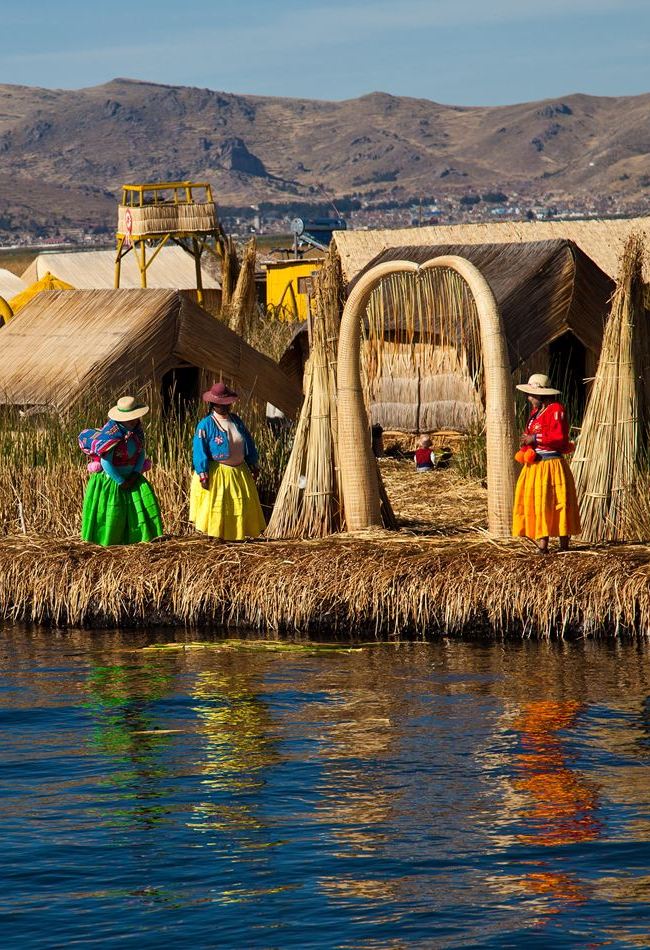
Situated at an altitude of over 3800 meters above sea level Lake Titicaca It is the highest navigable lake in the world and one of the most important sites in Andean culture. Legend has it that the first rulers of the Inca Empire emerged from here. Today, the region captivates with its tranquility, expansive panoramas, and extraordinary islands scattered across the lake's blue surface. The most famous are the floating islands of Uros, built from totora reeds and inhabited by communities cultivating a traditional lifestyle. Also worth visiting are the islands of Taquile and Amantaní, where the inhabitants are renowned for their exceptional handicrafts and hospitality. A cruise on the lake allows you to see the Andes from a completely different perspective and experience the unique atmosphere of this place. A trip to Peru, thanks to a visit to Lake Titicaca, becomes a journey not only through beautiful landscapes but also through the history, legends, and centuries-old traditions of the region.
Holidays in Peru – practical information
When traveling to Peru, be careful, especially in large cities where there are pickpocketing and fraudIt's best to leave your passport in the hotel safe and carry only a copy. It's best not to display valuables or carry large sums of cash, and it's best to avoid walking alone or in secluded areas after dark. Only use official taxis or trusted apps like Uber, Cabify, or Peru Taxi. It's also worth being wary of fake guides and ATMs located in unfrequented locations. Peru is located in an active seismic zone, so it's a good idea to monitor weather reports and potential natural hazards before and during your trip.
Before leaving, make copies of your most important documents—your passport, driver's license, and tickets—and save them electronically. It's best to bring US dollars (issued after 2013) or euros to Peru, which you can easily exchange for Peruvian salts (PEN)When exchanging currency, you must show your passport, and the best rates are usually found at exchange offices and banks in larger cities. However, don't be fooled by the slogan "No Commission," as no commission doesn't always mean a favorable rate. Before making a transaction, it's worth checking the current rate to ensure how much you'll receive. Never exchange money on the street—the risk of fraud is too high.
In larger cities, hotels and restaurants you can pay without any problems card, although the bank may charge a fee for foreign transactions. Using multi-currency cards like Revolut or Wise is a good solution. If you plan to withdraw cash, choose ATMs from reputable banks like BCP, BBVA, Interbank, or Scotiabank. Keep in mind that some of them charge fees and also introduce limits on single withdrawals. Cash is still useful in smaller towns, local markets, and Andean villages, where card payments are not always possible.
Peruvians they are willing to bargain and it's a part of local culture, especially at markets and souvenir shops. However, it's worth negotiating the price only if you actually plan to buy. When it comes to connectivity, local SIM card You can buy them at the airport, in operator lounges, or in supermarkets. Available brands include Claro, Movistar, Entel, and Bitel, and you need a passport to purchase them. eSIM cards, which can be activated before departure, are also becoming increasingly popular. Wi-Fi is widely available in hotels and restaurants, but internet access can be limited in the mountains or the Amazon.
In Peru, the voltage is 220V and the frequency is 60Hz. You'll mainly find type A and C sockets here, so it's worth packing before you leave. universal adapterDon't drink tap water, avoid iced drinks of unknown origin, and scald fruit bought at the market with boiling water and peel it before eating. When choosing restaurants, be guided by reviews and observe where the locals eat – this is usually the best recommendation. Meat should be well cooked or fried, and vegetables grown in the ground are best eaten cooked.
Pharmacies are readily available in larger cities and tourist destinations, however basic medications It's worth taking from Poland. Your first aid kit should include fever reducers, stomach medications, plasters, sunscreen (minimum SPF 30), sunburn medication, and an effective mosquito repellent with a high DEET content. If you take prescription medications, bring them in their original packaging along with the prescription or a medical certificate in English.
When traveling in the Andes, remember the possibility of altitude sickness, called soroche. Symptoms include headaches, nausea, fatigue, and shortness of breath. It's worth planning the first few days more calmly, staying adequately hydrated, and giving your body time to acclimatize.
When packing your suitcase, focus on layered clothingPeru's climate varies with the region—the Amazon is hot and humid, the coast is moderate, and high in the Andes, especially at night, temperatures can drop to several degrees. Light clothing, a fleece, a raincoat, comfortable hiking boots, sandals, a hat, and sunglasses will be useful.
Na a souvenir It's worth bringing back alpaca wool products, hand-woven Andean textiles, ceramics, silver jewelry with Inca motifs, local coffee, chocolate, and the famous pisco. Remember, however, that wild plants, seeds, minerals, antiques, and products made from protected species, among other items, are prohibited from leaving Peru without appropriate permits.
Peru attractions – holiday guide
Flight over the mysterious Nazca Lines
There are places that cannot be truly understood from the ground. The Nazca Lines are one of them. Only when you soar above the desert plateau in a small plane do gigantic drawings depicting hummingbirds, monkeys, spiders, and condors appear before your eyes. They were created hundreds of years ago, and to this day, there's no single answer to their purpose. Some researchers consider them an astronomical calendar, others a part of religious ceremonies. Regardless of the theory, the sight of these perfectly preserved geoglyphs is truly impressive and memorable. The flight usually lasts about half an hour, but it allows you to see one of the world's greatest archaeological phenomena from the best possible perspective. This experience is hard to compare, as geoglyphs of this scale won't be found anywhere else. If you're planning a trip to Peru, it's worth including the Nazca Lines in your itinerary. It's an opportunity to witness a mystery that has fascinated scientists and travelers for decades, while simultaneously discovering the extraordinary beauty of the country's southern desert landscape.
Cruise around the floating Uros Islands on Lake Titicaca
Can you imagine living on an island you could build with your own hands? On Lake Titicaca, this will become a reality. For generations, the Uros community has been carving their islands from totora reeds, using the same material to build houses, piers, boats, and even observation towers. Walking across the soft ground, you'll feel the entire island gently floating on the water. Locals eagerly share stories about their culture, ancient customs, and daily life at almost 4000 meters above sea level. You can also sail on a traditional reed boat and see the lake from the perspective of its ancient inhabitants. It's an encounter with a culture that has retained its unique identity despite the passage of time. If Peru is your destination, a trip to Lake Titicaca will allow you to see a place unlike any other in the world. It offers not only beautiful landscapes but, above all, an extraordinary lesson in history and tradition.
Trekking the Inca Trail to Machu Picchu
Reaching Machu Picchu on foot is a completely different experience than arriving by train. The multi-day trek takes you through high passes, mountain forests, stone steps, and ancient Inca roads, along which the empire's messengers traveled centuries ago. Along the way, you'll discover lesser-known archaeological sites hidden among the green slopes of the Andes, and each day brings new panoramas and challenges. The most thrilling moment comes at dawn, when you pass through the Sun Gate and see Machu Picchu emerging from the morning mist for the first time. The arduousness of the hike makes this sight even more significant. This activity requires good physical condition, but it offers unforgettable emotions and a sense of true adventure. A trip to Peru will thus be not only a visit to a famous monument but also a journey in the footsteps of one of the world's most fascinating civilizations. It's an experience that allows you to feel history literally beneath your feet.
Meeting condors in the Colca Canyon
There aren't many places in the world where you can observe some of the largest birds flying from just a few meters away. In Colca Canyon, it's worth getting up before dawn and reaching the Cruz del Cóndor viewpoint. With the first rays of sunlight, majestic Andean condors begin to appear over the chasm, using the warm air currents to soar above the canyon. Their wingspans can reach up to three meters, making the sight of these birds soaring almost effortlessly unforgettable. The canyon itself is equally enchanting – cultivated terraces, small villages, and rugged mountain landscapes create a unique setting. It's a perfect opportunity to learn about the life of the Andes and see nature at its most spectacular. A trip to Peru will be more fulfilling if you combine exploring the historical sites with observing wildlife. Colca Canyon demonstrates that the country's greatest attractions are not only created by human efforts but also by the power of the Andean landscape.
Sandboarding and dune buggy rides in Huacachina
Peru can also surprise you with its desert landscape. In the small oasis of Huacachina, enormous sand dunes await you, reminiscent of the Sahara, even though they're only a few dozen kilometers from the ocean. You'll board special buggies that climb at incredible speeds down the steep slopes of sand hills, delivering a thrill comparable to a rollercoaster ride. Then it's time for sandboarding, or sliding down the soft sand. No experience is necessary – instructors will show you the basics, helping you quickly gain confidence. Between activities, it's worth stopping at the top of one of the dunes to admire the vast desert panorama and the sunset, which transforms the sand into a sea of gold and orange. A trip to Huacachina will allow you to discover the country from a completely different perspective. This place proves that Peru delights not only with the Andes and Inca monuments, but also with spectacular desert landscapes and adrenaline-filled activities.
Hotels in Peru
From the Pacific coast, through colonial cities and verdant Inca valleys, to high-mountain lakes and the Amazon jungle, the hotel scene has been tailored to the character of each region. Instead of standardized resorts, properties with their own history and unique atmosphere dominate, making a vacation in Peru a much richer experience.
The journey usually begins in Lima, where modernity meets the seaside landscape. In an elegant Hilton Lima Miraflores Contemporary interiors, an infinity pool with panoramic views of the city, and a prime location in one of the capital's most prestigious districts await. It's the perfect place to relax after your flight, while also enjoying the restaurants, art galleries, and seaside boulevards of Miraflores. As you delve deeper into the Andes, the character of the accommodation changes. In the heart of the Sacred Valley of the Incas lies a luxurious Tambo del Inka – a hotel harmoniously integrated into the surrounding landscape, offering spacious rooms, an extensive wellness area, a swimming pool with mountain views, and the unique advantage of a private train station, from which you can conveniently set off to Machu Picchu. This is a place where comfort goes hand in hand with proximity to nature and Inca heritage. After reaching the legendary Machu Picchu, it's worth staying at the hotel. El Mapi by InkaterraThis modern, eco-friendly property boasts a simple design inspired by the surrounding nature and a relaxed atmosphere perfect for rejuvenation after a day of sightseeing. Excellent cuisine, comfortable rooms, and a central location in Aguas Calientes make it a great base from which to explore Peru's most famous landmark.
You will find a completely different atmosphere in Cuzco, where the colonial architecture reminds us of the city's Spanish history. Old San Blas House Housed in a meticulously restored residence, it combines historic character with boutique style. The intimate patio, elegantly decorated interiors, signature restaurant, and spa area create an atmosphere conducive to a peaceful retreat after strolling the cobblestone streets of the former Inca capital.
An exceptionally original experience also awaits on Lake Titicaca. Titicaca Lodge It allows you to live practically on the surface of the highest navigable lake in the world. Intimate cottages offer panoramic views of the water and the Andes, and your stay is complemented by full board and a unique atmosphere of peace and closeness to nature. This is an option for those who, over large hotels, value intimacy, exposure to local culture, and the opportunity to witness spectacular sunrises and sunsets.
Unique places in Peru
Peru has been delighting travelers with its iconic landmarks for years, but the greatest surprises often lie far from the most recognizable trails. It's there that you'll discover places that offer a completely different perspective on the country—full of extraordinary landscapes, ancient civilizations, and local traditions that haven't changed for centuries.
One of the most fascinating corners is Capachica Peninsula, picturesquely jutting out into Lake Titicaca. Unlike the region's more popular islands, silence reigns here, and life flows according to the rhythm of nature. Walking between small villages, you can observe the daily lives of locals engaged in weaving, fishing, and farming, while the expansive panoramas of the lake make it difficult to tear your eyes away from the surrounding landscapes. Equally impressive is the Kuélap Fortress, often called the "Machu Picchu of the North." Monumental stone walls rise from a mountain ridge covered in cloud forest, concealing the remains of the Chachapoya civilization. This site remains far less crowded than Peru's most famous attractions, giving visitors the feeling of discovering a forgotten history.
Lovers of unusual rock formations will be delighted Pampas Galeras National Reserve, where you can observe vicunas – the most valuable wild camelids in the world. The slender animals freely roam the high-mountain plains, and the vast expanses of the Andes allow you to experience the true immensity of Peruvian nature. This is a perfect place for those who value silence, photography, and contact with nature. A little further north awaits the Valley of the Pyramids in TúcumeAt first glance, the landscape resembles natural hills, but in reality, it conceals over twenty monumental adobe pyramids built by the ancient Lambayeque culture. Walking among these impressive structures, it's easy to appreciate just how advanced the civilizations that inhabited the Peruvian coast were long before the arrival of the Incas.
It also remains a unique place Gocta Waterfall, one of the highest in the world. For many years, it remained virtually unknown outside the local community, as residents believed it was inhabited by spirits protecting the surrounding forests. Today, a picturesque trail through tropical vegetation leads to it, and the view of almost eight hundred meters of falling water rewards every step of the hike. For those who love spectacular landscapes, there is also Huascarán National Park, where snow-white peaks contrast with turquoise glacial lakes and green valleys. This place is stunning year-round, offering both easy walks and challenging trekking routes through some of the highest reaches of the Andes.
Which region should I choose for my trip to Peru?
If you dream about learning about the history and most important monuments of the country, the best choice will be southern PeruThis is where Cuzco, the Sacred Valley of the Incas, and legendary Machu Picchu are located – places that allow us to understand the power of the ancient Inca empire. The country's former capital impresses with its combination of colonial architecture and monumental Inca walls, while the surrounding archaeological sites demonstrate the advanced civilization of the inhabitants of these lands. The region is also perfect for those who want to combine sightseeing with trekking or a journey on the famous railway winding through the Andean valleys.
Lovers spectacular landscapes they should turn to the Peruvians AndomHuaraz and Huascarán National Park offer some of the most beautiful trekking routes in South America, leading among snow-capped 6,000-meter peaks, turquoise glacial lakes, and vast valleys. Colca Canyon is also nearby, where at dawn you can observe majestic condors soaring over one of the deepest valleys in the world. This is a great option for active people who find relaxation through mountain hikes and contact with wildlife.
You will discover a completely different face of Peru on coastLima delights with elegant neighborhoods, colonial architecture, and one of the world's best culinary scenes, while Paracas offers a unique encounter between the desert and the Pacific Ocean. A cruise to the Ballestas Islands allows you to observe sea lions, Humboldt penguins, and thousands of seabirds, while nearby Huacachina invites you to enjoy dune buggy rides and sandboarding. This part of the country is also home to the Nazca Plateau, where, from a small plane, you can admire the mysterious geoglyphs that have captivated archaeologists for centuries.
If the most important thing for you when traveling is nature, an excellent choice will be AmazonThe Peruvian rainforest delights with its extraordinary richness of fauna and flora, and cruises along the Amazon's tributaries, night expeditions deep into the jungle, and encounters with local communities allow you to experience a world that operates according to its own rules. This is a region for those seeking tranquility, authenticity, and a close connection with nature.
It's also worth spending time less known corners of the countryLake Titicaca captivates visitors with the culture of the floating Uros Islands and the tranquility of its high-mountain landscapes. The Capachica Peninsula allows visitors to discover traditional life on the lake's shores, while the Kuélap Fortress and the Túcume Pyramids remind us that Peruvian history is not limited to the Incas. Nature lovers can visit the Pampas Galeras Reserve, home to wild vicuñas, or hike to the impressive Gocta Falls, hidden amid the green forests of northern Peru.
Peru's greatest advantage, however, is that all these worlds can be combined in a single trip. In just a few days, you can stroll the colonial streets of historic cities, traverse high-altitude trails, discover the secrets of ancient civilizations, observe exotic animals in the Amazon jungle, and admire sunsets over desert dunes. Thanks to this extraordinary diversity, a trip to Peru is never one-dimensional. Whether you dream of active trekking, immersing yourself in fascinating history, relaxing amidst spectacular landscapes, or connecting with nature, each region of the country offers its own unique experiences.
Peru Travel Deals


Hotels in Peru


Peru – places worth seeing


When to go to Peru?
Peru's climate is incredibly diverse. Weather conditions are dictated by altitude and the influence of the cold Peruvian Current. Therefore, when traveling to Peru, you must be prepared for all circumstances. During the Peruvian winter, or our European summer, the highlands and high in the Andes experience a dry season, while the capital and Pacific coast are shrouded in a cold fog called garua. For much of the year, this fog obscures the sun, and temperatures drop to 13°C. Between May and September, the crystal-clear air guarantees stunning views while hiking the Andean trails, but due to the high altitude, frost can occur at night. Between January and April, hiking trails can be closed due to floods and landslides caused by heavy rainfall. For this reason, the Inca trekking trail to Machu Picchu is closed in February. The Peruvian Amazon region remains muggy and hot year-round, and the best time to take an Amazon cruise is at the end of the rainy season.
Peru - travel inspirations
Travel to Bolivia & Peru

Nazca Lines

Colca Canyon Condor Trail

Ceviche – a Peruvian delicacy

Islas Ballestas

Lake Titicaca and the Uros Islands