1 EUR - 1,70 NZD
$1 - $1,56 NZD
1 PLN - 0,36 NZD
The current exchange rate can be checked on the NBP website: https://nbp.pl/statystyka-i-powiedziałosc/kursy/tabela-a/

Practical information
Visa information and airport fees
To register in the system you need:
•valid passport,
•credit card,
•e-mail address
•photo
One person can complete one visa application, so for example, a family of three must complete three separate visa applications for each family member.
When entering the country, your passport should be valid for at least 3 months from the date you plan to leave New Zealand. At the border, you must present a completed arrival card (you will receive it on the plane) and a return flight ticket. The official may ask about your travel plans and financial resources (or credit card) sufficient for your stay in New Zealand.
The Travel Agency is not responsible for failure to obtain a visa for the country where the tourist event is held, or for transit countries. Obtaining a visa is 100% the responsibility of the participants of the trip.
Vaccinations
Tips
Food prices
Sample prices:
Meal at a cheap restaurant: NZD 25
Dinner for two at a better venue: NZD 125
Local beer 0,5 l: 11 NZD
Imported beer 0,33 l: 11 NZD
Coffee: NZD6
Mineral water 1,5l: 4 NZD
Wine 0,7l: 16 NZD
Oranges 1kg: 6 NZD
Food
Each dish can be accompanied by a glass of local wine, as New Zealand is famous for its numerous vineyards, especially in the south.
Interesting facts
- New Zealand was discovered in 1642 by the Dutch navigator Abel Tasman. The discoverer named it Staaten Landt, or the Land of the States. The name New Zealand first appeared in 1665 and comes from the Dutch province of Zeeland.
- New Zealand was the first country in the world to grant women the right to vote in 1893.
- One third of the country's area is made up of national parks.
- The longest place name in the world is the name of the New Zealand hill Taumatawhakatangihangakoauauotamateapokaiwhenuakitanatahu.
- The steepest street in the world is Baldwin Street in Dunedin. It has a gradient of 35%.
- New Zealand is called Aotearoa by the Maori, or Land of the Long White Cloud.
- There are around 47 million sheep in New Zealand, which is about 10 times greater than the country's population.
- Registering a car takes about 5 minutes. To do this, you need to fill out an application at the post office.
- Frying Pan Lakes is the largest hot water source in the world. The lake water temperature reaches up to 200°C!
- New Zealand is home to Peter Jackson, who directed the Oscar-winning adaptation of Tolkien's novels, The Lord of the Rings trilogy.
- New Zealand has two official national anthems, "God Safe the Queen" and "God Defend New Zealand." Denmark and Canada also have two official anthems.
- The cleanest water in the world is found in Te Waikoropupu springs, near Nelson.
- The head of state is Queen Elizabeth II.
- There is a hole in the ozone layer above New Zealand. As a result, the sun's rays are up to 40% more intense than in Europe!
Learn more about New Zealand
History
In 1642, the Dutch explorer and traveler Abel Tasman sailed to the shores of the South Island. His boat was attacked by natives. As a result of the skirmish, four members of the expedition were killed. Tasman sailed away, giving up on further exploration of the islands, considering the discovered lands to be unfriendly and economically unattractive. It was one hundred and twenty-seven years before the next traveler, James Cook, visited the Maori country. It happened in 1769 and this date is considered to be the beginning of the colonization of New Zealand.
Initially, the newly discovered lands were settled by Australian sealers and whalers (thieves and murderers sent from prisons in Great Britain to Australia) who established their base in 1792 near Dusky Sound, in the southwestern part of the South Island. The indigenous population began to fall ill with diseases brought by the new settlers, which led to a decimation of their numbers. Diseases, lawlessness and ill-treatment by the colonizers only intensified the conflicts. The task of establishing order fell to Captain William Hobson, who arrived in the Bay of Islands in late January 1840. Within days, he had drafted a treaty aimed at reaching an agreement with the Maori. By the end of the year, the document had been signed by 500 chiefs. The Treaty of Waitangi consisted of just three articles, which made the British monarch sovereign over the islands, gave the chiefs full rights to the lands, forests and other resources, and gave the Maori the rights and privileges of British citizens. Historians believe that this treaty marked the beginning of New Zealand.
Since the provisions of the treaty were not respected by the colonizers, the Maori decided to unite and create Kingitanga, or the Royal Movement, with the Taranaki chief at its head. From 1856, New Zealand had its own government, as part of a British colony, and in 1907 it gained the status of a dominion.
In 1960, the Kingitanga opposed an attempt by settlers to sell lands around New Plymouth, which led to war. Another armed conflict broke out in 1863. In both cases, the Maori were defeated.
In 1947, New Zealand became an independent nation.
Location
New Zealand has a very dense network of rivers. The longest rivers are the Waikato (434 km) and the Clutha (338 km). The New Zealand islands are areas with countless lakes, the largest of which is Lake Taupo (616 m²), and the deepest is Lake Hauroko (463 m). The South Island is an island of tectonic-glacial lakes, while the North Island is dominated by tectonic and volcanic lakes.
New Zealand has prepared for the world in its geological offer highlands and mountains – they occupy about 80% of the surface. Lowlands constitute a narrow strip of the coast. The highest mountain ranges (Southern Alps) are located on the South Island, it is there that we can find the highest peak of the archipelago – Mount Cook (3764 m above sea level).
Less mountainous than the South Island is the North Island, famous for its volcanic phenomena. In its center is the Volcanic Highlands with the highest peak Raupehu (3764 m above sea level).
Culture and Religion
Christianity is the main religion in New Zealand, with Anglicans and Catholics also making up a large group. Over time, a new religion emerged on the islands, a combination of Christianity and Maori religion. Traditional Maori beliefs (ratna and rangatu) also have a place on the islands. A large proportion (35%) of the population remains non-denominational.
Maori culture is currently experiencing a renaissance, just after being marginalized from the late 18th to the early 20th century. More and more attention is being paid to indigenous culture. Museums and art galleries are opening, which are very popular among tourists. In preserved Maori villages, the tradition of making facial tattoos, so-called Moko, is still cultivated. Maori culture is visible on the entrance gates to Maori homes - they are decorated with carved ornaments. The Haka dance is another Maori accent visible before every football match, performed by the players.
New Zealand culture is kiwi culture. Locals commonly use this term not only for the fruit, the bird, but also for every resident. So when you set foot on New Zealand soil, you turn into… a kiwi.
A solid part of New Zealand culture is its cuisine.
Trip to New Zealand
Holidays in New Zealand
Are you planning a vacation and dreaming of something special? New Zealand is a great destination if you are looking for a place that combines active recreation, beautiful landscapes and modern tourist infrastructure. It is a country that offers huge opportunities - regardless of whether you prefer peaceful walks, sporting challenges or getting to know new cultures. You will find everything you need here to really get away from it all. A vacation in New Zealand is not only a trip to another place, but also a completely different way of spending time. It is a country without crowds, with a well-developed network of roads, numerous hiking and cycling routes and accommodation adapted to different budgets. You can travel by car, camper or use convenient flights and buses. Everything works smoothly, and people are friendly and helpful - which definitely makes traveling on your own easier.
One of the greatest advantages of this destination is its diversity. In a few days, you can see completely different landscapes - from beaches, through mountains, to green valleys. This makes New Zealand ideal for both an intensive, exciting trip and a quieter vacation in the rhythm of slow travel. Well-developed infrastructure allows you to plan your trip at your own pace - without rushing and without stress.
If you like to be active, you won't be bored. New Zealand offers a lot of opportunities for sports - both popular ones like hiking and cycling, and more extreme ones like rafting or bungee jumping. For those who want to relax, there is no shortage of attractions - there are hot springs, scenic views and many quiet places where you can just sit and enjoy the silence.
Traveling around New Zealand is a great option for couples, groups of friends, and families with children. It is safe, clean, and modern, while still feeling the spirit of adventure and being close to nature. No matter how much time you have or what your budget is, you will find something for yourself here. This is a country that gives you freedom of choice - and that is what makes it so attractive.
Why is it worth going on holiday to New Zealand?
If you’re wondering where to go on holiday, New Zealand should be high on your list. It’s a destination that’s becoming more popular year after year – and for good reason. This country at the end of the world offers everything you could want from a great holiday: spectacular landscapes, a variety of activities, a well-developed tourist infrastructure and a unique atmosphere that’s hard to compare to anywhere else. If you’re looking for more than just a beach vacation, New Zealand is the perfect choice.
Firstly, nature. It is nature that is one of New Zealand's greatest assets. In a few days, you can travel from green, rolling hills to volcanic wastelands to glaciers and fjords. You can swim in lakes, hike mountains, walk on pristine beaches and explore rainforests - all in one trip. It is a paradise for nature lovers and photographers.
Secondly – activities. New Zealand is a country created for active recreation. Regardless of whether you are avid hikers or just like to move sometimes, you will find something for yourself here. Trekking routes, such as the famous multi-day trails, are well-marked and prepared. If you prefer something more intensive, you can try rafting, kayaking, mountain biking, climbing or water sports. Or maybe you fancy a bungee jump, paragliding or a cruise on the wild fjords? In New Zealand, all this is within reach.
Another argument for choosing this destination is the quality of travel. New Zealand is a safe, modern and tourist-friendly country. Travelling here is really easy. You can rent a car or camper and plan your own route. The roads are in good condition and the markings are very clear. Accommodation is available in various standards and prices - from comfortable hotels to charming cottages or campsites. It is also worth adding that the locals are exceptionally open and helpful - you will have no problem getting information or directions.
New Zealand is also a great place to get to know another culture. Although the country is mainly associated with the Anglo-Saxon civilization, the heritage of the Maori - the indigenous inhabitants of the islands - is also of great importance here. In many places you can see dance shows, visit traditional villages, taste local dishes and learn the history of this extraordinary nation.
Finally, it is worth mentioning one more advantage – the atmosphere. In New Zealand, life flows more slowly. No one is in a hurry, people are polite, and there is something exceptionally relaxing about the whole thing. It is the perfect place to relax not only physically but also mentally. The change of climate, time, surroundings – all this helps to distance yourself from everyday life and return home with new energy.
So why is it worth going on holiday to New Zealand? Because it is a place that gives you the opportunity to experience something exceptional – not only as travellers, but also as people looking for true contact with nature and culture. If you dream of a holiday that you really remember, do not hesitate – New Zealand is waiting.
Visiting New Zealand – what is worth seeing?
Exploring New Zealand is an adventure that can completely change your perspective on traveling. This country, located on two main islands, offers so many extraordinary places that it is difficult to list them all. But it is precisely this diversity that makes everyone find something for themselves here - regardless of whether you prefer spectacular landscapes, contact with nature, interesting culture or active recreation. If you dream of a journey full of contrasts, surprises and delights, New Zealand is the perfect destination.
To start with, it is worth planning a route to see both the North and South islands. They differ in landscape and climate, but each has its own unique New Zealand attractions. The North Island delights with diverse volcanic terrain, lakes, green hills and traces of Maori culture. This is where you can feel the heat of geothermal springs, walk through sulfur fields and see geysers gushing from the earth. In turn, the South Island is a land of mountains, glaciers and wildlife. This is where you will find some of the most beautiful trekking routes in the world and stunning fjords that will take your breath away.
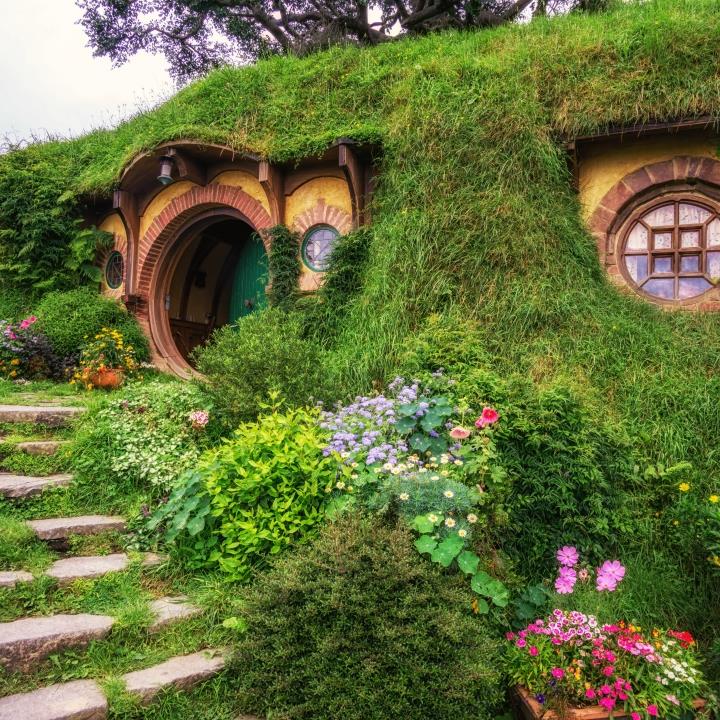
When visiting New Zealand, it is impossible to miss the unique nature that attracts tourists from all over the world. In many places, you will feel like you have entered a film setting – and it will not be an illusion. This is where “The Lord of the Rings” and “The Hobbit” were filmed, and traces of the film adventure are still visible today. You can visit the Hobbiton film set, but also simply soak up the landscapes, which look just as spectacular in real life as they do on the screen.
In addition to the well-known attractions, it’s worth giving yourself space to discover less obvious places. One of the greatest charms of New Zealand is that there’s something beautiful around almost every bend: a waterfall, a hidden beach, a viewpoint or a small town with a local market. When traveling by car or camper, you can set your own route and stop wherever you want. This freedom makes sightseeing a real adventure.
So what to see when travelling around New Zealand? On the North Island, Rotorua is a magnet for its incredible geothermal activity. Here you will find bubbling mud pools, hot springs, geysers and the unmistakable smell of sulphur in the air. It is a great place to immerse yourself in Maori culture – you can visit traditional villages, watch a haka dance and try food cooked in hot earth. Rotorua combines relaxation, education and unique landscapes.
Queenstown is located on the South Island – a city considered the world capital of extreme sports. Here you can try bungee jumping, paragliding, white water rafting or a fast motorboat ride on the Shotover River. But Queenstown is not only about adrenaline – it is also a beautiful location on Lake Wakatipu and among the mountains, numerous walking trails and great restaurants.
Milford Sound, located in Fiordland National Park, is one of the most spectacular places in the whole country. High cliffs, waterfalls flowing straight into the sea and frequent mists create a magical atmosphere. The best way to admire the fjord is by boat or kayak, or you can take a sightseeing flight - the views from the air are very impressive.
There are few places in the world where you can get as close to a glacier as you can in New Zealand. On the west coast of the South Island are two famous glaciers: Franz Josef and Fox Glacier. They can be admired from lookouts, and the more active can go on a guided glacier trek or take a helicopter flight with a glacier landing.
For fans of The Lord of the Rings and The Hobbit, a visit to Hobbiton is a dream come true. On a farm near Matamata, you can find a recreated hobbit village from Peter Jackson's films. You can wander among the low houses, visit the Green Dragon Inn and feel like the heroes of the famous stories.
Finally, Lake Tekapo. This picturesque lake is famous for its turquoise water and the surrounding Southern Alps. In summer, lavender and purple lupines bloom here, creating a fairytale landscape. At night, Lake Tekapo becomes a perfect place for stargazing - it is home to an international dark sky reserve and an astronomical observatory on Mount John.
New Zealand has much more to offer – it is a country that you can explore for weeks and still find new gems. Each of the places mentioned shows a different side of this extraordinary country: from rugged mountains, through lush forests and fjords, to hot springs and film locations. If you dream of a diverse, exciting trip, New Zealand is one of the best choices you can make.
Holidays in New Zealand - practical information
A holiday in New Zealand is a dream of many travellers – and for good reason. It is a country that offers not only enchanting landscapes, contact with wildlife and unique culture, but also travel comfort, safety and a high standard of services. However, before you go to the other end of the world, it is worth preparing well and learning some practical information that will make your stay easier and help you avoid unpleasant surprises.
First of all – New Zealand is a very safe country. It is one of those corners of the world where you can travel peacefully, without worrying about your health or belongings. Of course, as everywhere, it is worth using common sense – do not leave valuables in a visible place in the car, do not walk alone in dark streets or parks, and in large cities and tourist spots, keep an eye out for pickpockets. Fortunately, there are police stations in every town, and the roads are often patrolled, so a sense of security accompanies you throughout your journey.
Nature should definitely be treated more seriously than people. New Zealand is located in a zone of strong UV radiation, so a cream with a high filter should be a mandatory element of your luggage - even on a cloudy day. Sunburn is common here and very severe.
As for practical advice, when going to New Zealand, it is worth taking euros or US dollars with you, which you can easily exchange on the spot. Exchange offices charge a commission, and for amounts over 500 EUR/USD you will need to show your passport. In most places you can pay by credit card, but there are shops where foreign debit cards do not work - it is good to have some cash with you.
Customs regulations are a very important issue. New Zealand is very strict about protecting its unique ecosystem. It is forbidden to bring in some food products, plants, seeds, as well as dirty outdoor equipment or shoes with soil. Before arriving, read the detailed information on the website www.mpi.govt.nz and do not forget to declare everything on the passenger card handed out on the plane. At the airport, you will go through a Bio Security check - customs officers can check backpacks, shoes and sportswear.
In terms of climate, New Zealand can surprise. New Zealand Weather changes quickly, and can be windy and chilly even in summer. Instead of packing only summer clothes, pack warm sweatshirts, jackets, long pants, and waterproof shoes. A hat, gloves, and clothing in several layers that can be easily removed and put on will also be useful.
It is worth remembering that New Zealand drives on the left. If you plan to rent a car, you will need an international driving license. Observe the rules – speeding fines are very high, even for minor offences.
If you use the internet, it's a good idea to buy a NZ Travel SIM card as soon as you arrive - for around NZD 49 you'll get 200 minutes and a data package that's enough for communication and navigation. It's also worth installing the CamperMate and MapsMe apps - they'll show you interesting places in the area, parking, free showers, petrol stations and many other amenities. The i-SITE centres will also be helpful on site - tourist information points available in almost every town, where you can get free maps, brochures and advice.
Finally, something for fun. As a souvenir from New Zealand, it is worth bringing back cosmetics from Rotorua based on mud and minerals, local wine, manuka honey or Maori jewelry made of green jade (pounamu). These are unique gifts - beautiful and symbolic.
New Zealand Attractions - Holiday Guide
Bungee jumping from the Kawarau Bridge
If you dream of experiencing something truly unique, something that will stay in your memory for a lifetime, bungee jumping from the Kawarau Bridge in New Zealand is an adventure you can't miss. It's not only a dose of adrenaline, but also a symbol of courage, freedom and breaking your own boundaries. It's here, near Queenstown, that the world's first commercial bungee jumping site was created - a cult place that has been attracting daredevils from all over the world for years. The Kawarau Bridge is 43 meters high and stretches over a turquoise river flowing through the gorge. The view alone is enough to make your heart start beating faster. But the real excitement begins only when you're already standing on the platform, your harness is fastened, and space stretches out in front of you - like an invitation to take a step that changes everything. You don't have to be a passionate athlete or a fan of extreme sports to jump. All you need is the desire to experience something new. The organizers take care of every detail - from professional equipment to detailed instructions and safe preparation. All this so that you can fully focus on the emotions and enjoy the moment. This is an experience available to anyone who wants to break through and feel what real adrenaline means.
Tongariro Alpine Crossing Trekking
Are you looking for a unique adventure in New Zealand that combines breathtaking landscapes with active recreation? Trekking along the Tongariro Alpine Crossing will be a bull's eye for you! This is one of the most beautiful one-day trekking routes not only in New Zealand, but also in the whole world. The approximately 19-kilometer route leads through the heart of the volcanic area in the Tongariro National Park on the North Island. The trek starts early in the morning, so it is worth preparing appropriately - take water, provisions, comfortable shoes and clothes resistant to changing weather conditions. From the very first steps you will feel that this is a place like no other. Passing through vast valleys, you pass active volcanoes, steep slopes, crater lava fields and colorful lakes - the turquoise Emerald Lakes and the deep Blue Lake look like from another planet. The scenery at times really resembles a movie land - and no wonder, because this is where scenes for "The Lord of the Rings" were filmed.
The route is not technically difficult, but requires good physical condition and preparation - some of the climbs are steep, and the weather can change in a matter of minutes. However, every effort is rewarded with views that literally take your breath away. The greatest asset of the Tongariro Alpine Crossing is its diversity. In one day, you experience many types of landscapes - from harsh, almost lunar terrain, through volcanic slopes, to green valleys and forest zones.
Observing the kiwi bird in its natural habitat
Although the kiwi is the country's national symbol – present on coins, road signs and souvenirs – seeing it in person is a completely different story. This inconspicuous, flightless bird is nocturnal, very shy and lives mainly in dense forests, which is why observing it in the wild is an extremely rare but all the more fascinating experience. Most tourists only encounter kiwi in special conservation centres or reserves, where the birds live in conditions close to their natural state. However, if you want to experience something truly authentic, it is worth going on a guided night walk to one of the few places in New Zealand where they live in the wild – for example, Stewart Island, Okarito or the Zealandia ecosanctuary in Wellington. This is an expedition that requires silence, patience and concentration, but the effects can be surprising. The moment when you hear the characteristic kiwi grunting in the dark and see it flitting between the ferns will be remembered for a long time. Kiwi watching is more than just watching wildlife. It is contact with one of the most unique creatures in the world – a bird that does not fly, has poor eyesight, but an extremely sensitive sense of smell and a long beak with which it detects insects underground. Interestingly, the kiwi lays eggs that – in relation to the size of its body – are among the largest in the bird world.
Relax in the hot springs at Lake Tarawera
The hot springs at Lake Tarawera are one of those magical places that combine the beauty of the landscape with natural comfort. Bathing in the warm, geothermal waters, with a view of the calm surface of the lake and the surrounding hills, is a real pleasure for the body and soul. Lake Tarawera is located near Rotorua - a region known for its geothermal activity. The lake itself is of volcanic origin and is picturesquely situated among green forests. On its shores there is a hidden gem - Hot Water Beach, a beach with natural, hot springs. This is one of the few places in the world where you can sit in warm sand or dig your own "natural jacuzzi" right next to the lake. Getting to the hot springs is also part of the adventure. You can get there on foot, using forest trails (e.g. Tarawera Trail - about 15 km one way), or by boat or kayak. This place is especially recommended for those of you who want to combine physical activity with regeneration. A walk through the rainforest, a dip in the springs and a picnic on the lake’s shores make for one of the most relaxing days of your New Zealand trip. You won’t encounter any crowds here – this is a local attraction, mostly visited by those looking for peace and quiet and contact with nature. It’s worth taking a towel, a swimsuit, something to eat and plenty of water – and a camera, because the views are truly magical. And if you stay here until the evening, you might catch a spectacular sunset over the calm lake.
New Zealand Hotels
Start your New Zealand adventure in Auckland with a stay at the elegant Quadrant Hotel, located in the city centre. Modern interiors, a gym and swimming pool ensure relaxation after a day of sightseeing. Alternatively, Scenic Auckland offers comfortable rooms and a restaurant and bar, perfect for an evening of relaxation. Travelling across the North Island, you will reach Rotorua, where you will find the Ibis Hotel, a modern hotel located in the centre, close to Lake Rotorua. For those looking for more luxury, Sudima offers a swimming pool and a health club, allowing you to fully relax surrounded by geothermal natural wonders. The next stop is Napier, a city famous for its Art Deco architecture. Scenic Hotel Te Pania, overlooking Hawkes Bay, impresses with its modern design and local cuisine served in the hotel restaurant. On the Coromandel Peninsula, Pauanui Pines Motor Lodge offers a beachside retreat with access to a swimming pool, tennis court and golf course. It is the perfect place to relax in the middle of nature. In Wellington, the country's capital, Ibis Wellington provides a comfortable stay in the heart of the city, with a restaurant serving regional cuisine.
Moving to the South Island, you’ll visit Abel Tasman National Park, where Grand Mercure offers the luxury of a historic property, complete with a pool, restaurant and spa. In Paparoa National Park, Havenz offers unique treehouses, while Punakaiki Resort impresses with its modern architecture and ocean and rainforest views. Near the Franz Joseph and Fox glaciers, Bella Vista Motel offers spacious suites with private kitchens, while Punga Grove offers comfortable rooms with patios, perfect for unwinding after a day of adventure.
New Zealand – places worth seeing
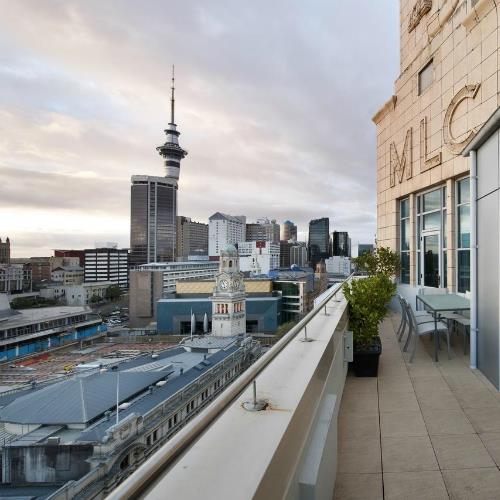
Your adventure can start in Auckland – the country’s largest city, which, despite being bustling with life, does not lose touch with nature. Take a walk along Tamaki Drive, where you can admire the blue waters of the Hauraki Gulf and the view of Rangitoto volcano. Climb the Sky Tower – the tallest building in New Zealand – to see how far the cityscape stretches. If you like museums, Te Whare Toi and the Auckland War Memorial Museum will show you the richness of Maori culture and the history of the region.
From Auckland, head south to Rotorua – a place that smells of sulphur but tempts with the magic of geothermal energy. There, you can walk along the colourful geothermal terraces at Wai-O-Tapu, watch the eruption of Lady Knox Geyser or soak in the hot springs of the Polynesian Spa overlooking Lake Rotorua. Be sure to visit the village of Tamaki – a meeting with Maori culture, a haka dance performance and a hangi dinner are experiences that will stay with you for a long time.
Head further south-east and you’ll come to Napier – an Art Deco gem. After the 1931 earthquake, the city was rebuilt in a style that still impresses today. Stroll along Marine Parade and visit the local Hawke’s Bay wineries – you can sample some of the city’s finest Sauvignon Blanc and Merlot wines.
Your route now leads to Wellington, where culture and nature go hand in hand. The country's capital is an extraordinary place - on one hand a port city with charming wooden architecture, on the other - a modern art center. Take the cable car to Kelburn Hill, from which there is a panoramic view of the bay and visit the Te Papa museum - an interactive center of knowledge about New Zealand, both natural and social. In the evening, you can stroll along Cuba Street, full of cafes, bars and street music.
A short ferry ride across the Cook Strait takes you to the South Island and a stopover in Christchurch, a city that combines English charm with New Zealand’s courage to rebuild. A stroll through the Botanic Gardens, a cruise on the Avon River or a visit to the art gallery are just a taste of the attractions. From Port Hills you can admire both the ocean and the Southern Alps.
Dunedin, the next city on the route, will impress you with its Scottish heritage and Victorian architecture. Visit the impressive railway station, visit the University of Otago and head to the Otago Peninsula where you will see penguins, albatrosses and sea lions in their natural habitat.
Then it's time for Queenstown - the world capital of adrenaline. Bungee jumping, rafting, paragliding or a jet boat ride - everything is possible here. But Queenstown also has a quieter side - a walk along Lake Wakatipu or a cable car ride up Bob's Peak are moments that will allow you to reflect and admire the beauty of the mountains.
Going further, you will reach Fiordland National Park and the legendary Milford Sound. It is worth taking a cruise on the fjord – among the vertical cliffs and waterfalls, where dolphins and seals often appear, you will feel like you are at the end of the world. The Milford Track, considered one of the most beautiful treks in the world, allows you to feel the power of wild nature.
Nearby, in Te Anau, there is an entrance to caves with firefly larvae. In the darkness, underground, thousands of blue dots will shine above your heads - a view like from a fairy tale. This place really takes you to another reality.
The west coast of the South Island offers you more wonders – Paparoa National Park and the famous Pancake Rocks in Punakaiki. These extraordinary rock formations, shaped by millions of years of wind and wave action, look like layers of pancakes. During high tide, water is thrown out of the so-called blowholes with a roar, creating spectacular fountains.
Which region to choose for a trip to New Zealand?
Start your trek in Fiordland National Park – the true pearl of the southern part of the country. This is where the famous Milford Sound is located, a fjord surrounded by steep cliffs, down which waterfalls cascade, and albatrosses circle over the waters. A cruise through this land of mist is like a journey into the wild heart of New Zealand. If you fancy a hike, take the Milford Track – one of the most beautiful trekking trails in the world. Every step takes you through rainforests, suspension bridges and valleys carved by glaciers. And although it will not always be easy, the satisfaction of reaching your destination will reward any fatigue.
From Fiordland, move to the west coast of the South Island, where Paparoa National Park awaits you. This place is famous for the unique Pancake Rocks - rock formations resembling stacks of pancakes. During high tide, you can watch the spectacular "blowholes" phenomenon here, when waves break into the rocks and explode into the air with force. But Paparoa is not only rock wonders - it is also green valleys, hidden caves and rivers that you can traverse by kayak.
When you feel like you need a quieter environment, head to Abel Tasman National Park on the northern tip of the South Island. It’s a paradise for beach lovers, kayakers and walkers. The Abel Tasman Coast Track takes you past golden beaches, tree-lined coves and azure waters that invite you to take a dip. Here, you can swim with seals, watch dolphins and immerse yourself in the rhythm of nature.
Don't forget the northern part of the country either. Tongariro National Park on the North Island offers a completely different landscape - raw, volcanic, almost lunar. The volcano Mount Ngauruhoe, known from the film adaptation of "The Lord of the Rings" as Mount Doom, towers over the valley and makes a huge impression. The Tongariro Alpine Crossing is a one-day hike through the land of fire and ice - you pass craters, hot springs and emerald lakes that look like they're enchanted.
New Zealand Travel Deals


New Zealand Hotels





When to go to New Zealand?
New Zealand is a country that is 1700 km long from south to north, which is why the climate is diverse. The North Island has a subtropical maritime climate, while the South Island has a temperate maritime climate. The warmest period, i.e. summer, lasts on this island country from December to February, while winter falls from June to August, but the temperature differences between these seasons are not large. The spring period is September - November, and the autumn period is March - May. Numerous temperature fluctuations occur only in the mountains during westerly winds.
Bay of Planty, Hawke's Bay, Nelson and Marlborough are the sunniest places in New Zealand. New Zealand has very little air pollution compared to other countries, so UV radiation is much stronger, so it is recommended to protect your skin and eyes from the sun. Polarized sunglasses are useful in New Zealand.
New Zealand – travel inspirations
On the Trail of the Hobbits

New Zealand Glaciers

Maori Culture

Milford Sound

The symbol of New Zealand – Kiwi