1 USD = 19,54 MXN
1 EUR = 21,82 MXN
1 PLN = 5,10 MXN
The current exchange rate can be checked on the NBP website: https://nbp.pl/statystyka-i-powiedziałosc/kursy/tabela-a/

Practical information
Visa information and airport fees
The Travel Agency is not responsible for failure to obtain a visa for the countries where the tourist event takes place, or for transit countries. Obtaining a visa is 100% the responsibility of the participants of the trip.
Vaccinations
Tips
Food prices
In markets and fairs, it is customary to haggle over prices. The exception, when it comes to prices, is the street food at the numerous stalls – authentic, local and cheap, although the sanitary conditions of such “street” cuisines can leave much to be desired.
Sample prices:
coffee in a cafe 70 MXN
dinner at a restaurant from about 260 MXN
mineral water 21 MXN
Food
Interesting facts
- In Mexico, loved ones give each other gifts not on Christmas, but on an extremely important holiday for Mexicans – the Three Kings' Day. The tradition of celebrating this holiday was borrowed from the Spanish.
- The capital of Mexico, Mexico City, is the third most populous city in the world.
- The National Autonomous University of Mexico is the oldest university in North America and the largest university in all of Latin America.
- The Mexican archaeological complex of Chichen Itza has been named one of the New Seven Wonders of the World, alongside sites such as the Taj Mahal and the Great Wall of China.
- Mexico is home to the smallest volcano in the world, which is only 14 meters high.
- The role of almost the national drink of Mexicans is played by Coca-Cola, which is drunk here by the liter, and is more common with meals than water. Interestingly, the cola produced in Mexico is considered better than the one from the United States, because it is produced using the more traditional cane sugar, which gives the drink a more natural taste. In the United States, glucose-fructose syrup is used to produce Coca-Cola.
- The Basilica of Our Lady of Guadalupe is the largest Marian sanctuary in the world.
- The inhabitants of Mexico City are referred to by the nickname "Chilango."
- The building erected in the capital, an office building called Torre Latinoamericana, was designed to be earthquake-proof, and it succeeded. The skyscraper survived the powerful earthquake of 1985.

Learn more about Mexico
History
Location
Culture and Religion
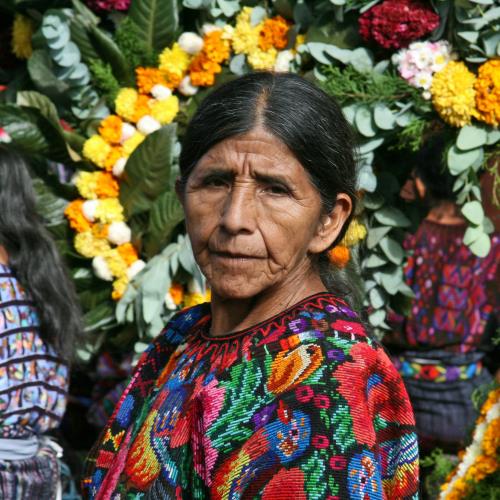
Mexicans have three sacred things: lucha libre, football and the Virgin Mary of Guadalupe. Lucha libre is a martial art inspired by American wrestling, in which competitors wear masks that are their trademark. For Mexicans, it is pure entertainment – a spectacular, partially staged show that attracts families with children, tourists and the most ardent masked fans of luchadors to the arena.
Music plays a huge role in the daily lives of Mexicans. Who hasn't heard of mariachi, traditional Mexican orchestras that feature musicians playing violin, guitar, trumpets, and mandolin?
In Mexico, many holidays are celebrated with great pomp, especially Catholic holidays, but the Mexican celebration of All Souls' Day is famous all over the world. The first day of November is a time of parades, streets full of skeleton dolls, store shelves covered with skulls made of sugar and chocolate. Interestingly, the specific cult of the skull and its significant symbolism originate from the Aztec culture, in which the equivalent of today's All Souls' Day occurred. For tourists, staying in the capital of Mexico or in larger cities at the beginning of November is a real attraction and a huge cultural curiosity.
Trip to Mexico
Holidays in Mexico
Mexico is an extraordinary country with an area over six times larger than Poland, so a luxury trip to Mexico offers a wealth of opportunities, attractions, monuments and activities, as well as the chance to experience the country's fascinating culture. Follow in the footsteps of Frida Kahlo in one of the world's largest cities - Mexico City, discover the tribal communities of Oaxaca, try some of the hottest peppers in the world and relax on the gorgeous beaches of the Riviera Maya and the pristine island of Holbox, discovering all the facets of this country on an exclusive trip to Mexico.
Why is it worth going on holiday to Mexico?
Welcome to Mexico, where breathtaking landscapes blend perfectly with the ruins of ancient civilizations hidden among the greenery. Mexico is also a place of mystical rites and rich culture, where traditions are still alive, and colors, sounds and scents create an unforgettable atmosphere. Luxury hotels offer unforgettable experiences in the most beautiful corners of the country, providing comfort and relaxation at the highest level. You can't miss the exquisite Mexican cuisine, full of expressive flavors and aromatic spices, the value of which every gourmet will appreciate. Below you will find some of Mexico's tourist attractions. Choose something for yourself - or see them all!
Visiting Mexico – what is worth seeing?
Mexico has over 9300 kilometers of coastline – a wealth of fabulous beaches, from chic Tulum to tranquil Puerto Escondido. In luxury hotels, you can enjoy a well-deserved break surrounded by exotic nature. Discover why Mexican cuisine is among the best in the world by trying traditional dishes such as tamales or chiles en nogada. And if you get tired of lazing around on the beach, discover the amazing underwater world by diving with whale sharks in the crystal waters around Holbox Island.
The most beautiful beaches in Mexico
The Mexican coast is over 9300 kilometers long – so there is definitely plenty to choose from! An exclusive trip to Mexico is an opportunity to discover the most beautiful parts of the coast. Here you will find fun Cancun, the hit Tulum, the slightly calmer and more authentic Playa del Carmen or the peaceful, bay areas of the Pacific with great surfing conditions in Puerto Escondido, the outsider Zipolite or the recently recognized as one of the most beautiful beaches on the continent, the area around the town of Mazatlan.
Adults-only recreation
Who wouldn't like to travel to the other end of the world and spend it in the peace and quiet of the surrounding nature, and also... in hotels intended exclusively for adults! If this is your priority, it's no problem and we will plan your exclusive vacation in Mexico in just such a place. Hotels of this type are also great if you want to spend your honeymoon in Mexico, and the paradise coast of Yucatan can certainly become a wonderful setting for an engagement.
Cocina mexicana – Mexican cuisine
Everyone certainly knows tacos, burritos, quesadillas and guacamole, but a trip to Mexico will also give you the opportunity to try some of the less popular Mexican dishes. Try tamales – probably known since the times of the Aztec or Mayan tribes, a kind of corn dumplings wrapped in banana leaves with sweet or spicy fillings, and chiles en nogada – one of the most patriotic dishes, combining all the colours of the Mexican flag, in which a mixture of meat, vegetables and fruit is served with a delicious creamy-nut sauce and pomegranate seeds. You will also definitely like pozole – a meat (although nowadays you can also find it in a vegetarian version) soup with corn, lots of herbs and spices, formerly also used during ritual sacrifices. We can only wish you a delicious and, of course, tasty trip to Mexico!
Swimming with whale sharks
Is it safe to swim with sharks? Of course you can! And the waters around Holbox Island are the perfect place for this type of activity, especially since you are dealing with one of the gentlest marine animals. Despite their enormous size, these sharks feed on plankton and pose no threat to humans. Swimming with these giants, weighing 20 tons and measuring 16 meters in length, is an unforgettable experience that will be remembered and told for years! Many people come here specifically to experience this unusual form of communion with wildlife in the turquoise waters of the Caribbean Sea.
Holidays in Mexico – practical information
When planning a trip to Mexico, there are a few important practical issues to consider. First, make sure your passport is valid for at least another six months after your planned return date. Citizens of many countries, including Poland, can enter Mexico without a visa for tourist stays of up to 180 days. Upon entry, you must complete a migration form FMM (Forma Migratoria Múltiple), which can be obtained at the border or completed online before traveling. The currency in Mexico is the Mexican peso (MXN). It is best to exchange money at banks, exchange offices (casas de cambio), or at the airport, although rates may vary. Credit cards are widely accepted in hotels, larger restaurants and shops, but in smaller places and at markets, it is worth having cash. It is also worth remembering that ATMs may charge additional fees for withdrawing funds. Tipping is welcomed and often expected in Mexico. In restaurants, it is customary to leave 10-15% of the bill. Hotel porters can be given around 20–50 pesos, and taxi drivers can be given a rounded up payment. Health-wise, vaccinations against hepatitis A and B, typhoid, and tetanus are recommended. Tap water is not safe to drink – always use bottled water. Mexico uses type A and B plugs (like the US), so if you are traveling from Europe, you will need an adapter. The voltage in the sockets is 127 volts.
Mexico Attractions - Holiday Guide
Holbox Island
The lack of cars certainly contributes to the specific, informal atmosphere of this island, which is conducive to relaxation on beautiful beaches, diving in the warm sea in the company of whale sharks and turtles, and leisurely strolls. A great alternative to walking and admiring the colorful street art is to go by bike outside the, by the way, tiny center. To cool off, it is also worth visiting one of the numerous, intimate clubs by the beach and tasting local drinks, not necessarily alcoholic, and delicacies made from always fresh seafood. Passionate fishermen can rent boats from the locals and try the local fish in the sea and lagoons. One of the island's attractions is also the phenomenon of plankton bioluminescence, which is best observed during the period when whale sharks appear around the island, feeding on plankton, which is approximately from May to early August.
Oaxaca
The varied terrain of the hills, colorful markets smelling of chocolate and chili peppers, delicious dishes decorated with local white cheese and the smell of mezcal, which, as Mexicans say, is good for everything. Oaxaca is one of the best places to explore the secrets of Mexican cuisine, tasting new dishes, flavors, and smells, you can easily fall into a state of oblivion. In the area you will find the capital of the Zapotec kingdom - Monte Alban, famous for its weaving products, agave plantations and a wonder of nature - the petrified waterfall Hierve del Agua.
Mexico City
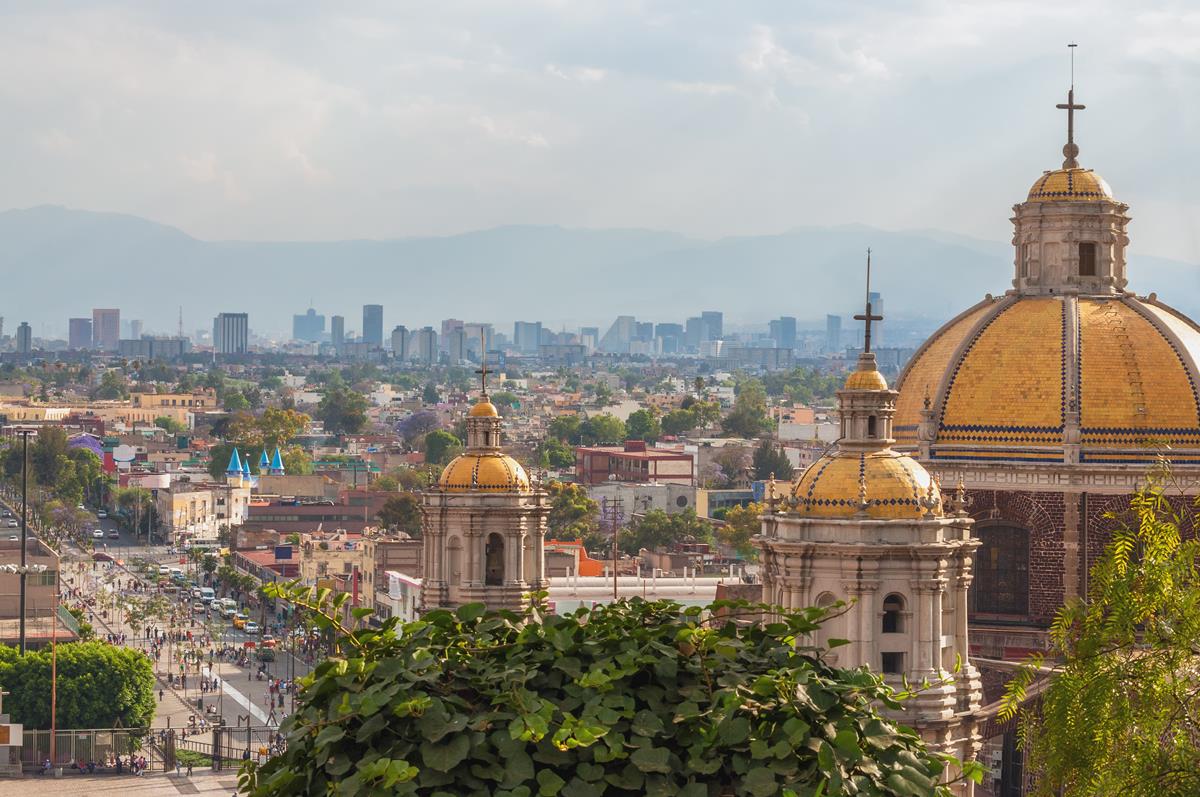
Once the capital of the Aztec empire, Tenochtitlan, was conquered by the conquistadors in the 16th century and razed to the ground. On its ruins, the Spanish built a city that today holds the status of the most important center in the country. It is also the essence of what the country has to offer musically, culturally and historically. See how Mexico City is doing "behind the scenes" by wandering through restaurants and street food joints and learn its history in interesting museums, archaeological sites and dreamy ballads.
Chichen Itza
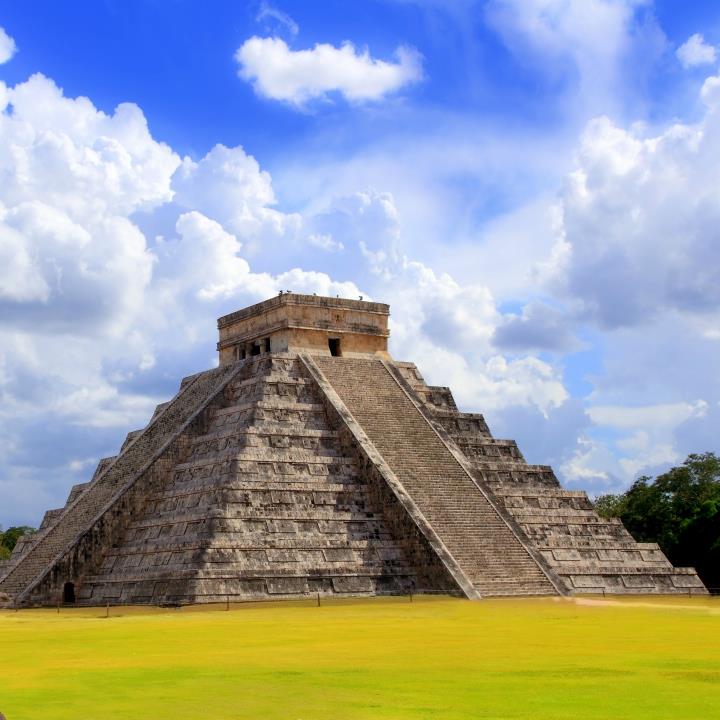
Chichen Itza is a pre-Columbian history hidden for centuries in the lush jungle of Yucatan. The largest Mayan city in Mexico, consisting of 26 archaeological sites, is located approx. 200 km from Cancun and approx. 150 km from Tulum. This complex is indisputably considered the cradle of the Mayan civilization and for this reason in 2007 it was included on the list of the New 7 Wonders of the World. You will be delighted above all by the 30-meter-high pyramid of Kukulkan, the Temple of the Warriors and the Cenote Sagrodo. As in the past it was one of the most important ceremonial cities of the Mayans, it is here that you will see extraordinary buildings and chapels. Today, this place fascinates with its past, but also inspires, and walking around the complex you will be transported to the vibrant world of the Mayans.
Exclusive hotels in Mexico
A luxury trip to Mexico is a great opportunity to spend the night in former haciendas such as Hacienda Santa Cruz or the famous Sotuta de Peon, in refined, rustic hotels of the Riviera Maya, where you will find the Nomade Hotel, Be Tulum or Aldea Kuka, or in elegant resorts with plenty of restaurants, extensive water sports facilities and the possibility of enriching your stay with yoga classes, cooking classes or the care of private personal trainers. When looking for such facilities, pay special attention to the facilities in the Mayakoba complex - Andaz, Fairmont or Rosewood - as well as the sophisticated Chable Yucatan hotel, where, in addition to all the standard attractions, you will also find... a private cenote!
Unique places in Mexico
A luxury trip to Mexico is an unforgettable experience, a wealth of attractions and the opportunity to get to know a fascinating culture. It is a country of contrasts and extraordinary experiences, where picturesque beaches, mysterious ruins of ancient civilizations, exquisite flavors and incredible culture and hospitality of the inhabitants meet. Mexico is waiting for you with open arms!
Which region to choose for a trip to Mexico?
Mexico is a country full of surprises – turquoise sea, colonial towns, ancient ruins and wild nature await you here. Just choose the region that best suits your travel style! If you dream of paradise on earth, choose the Mayan Riviera in Yucatan. Cancun, Playa del Carmen and Tulum will delight you with white beaches, warm sea and tropical climate. Mayan magic also awaits you here – visit Chichen Itza, swim in cenotes and try local cuisine! Central Mexico is perfect for lovers of history and colonial charm. Mexico City, Guanajuato or Puebla are vibrant cities full of baroque churches and colorful streets. Take a look at Frida Kahlo's house, discover the pyramids in Teotihuacan and try the famous tacos al pastor. If you are looking for wildlife and authentic experiences, head to southern Mexico, to Chiapas and Oaxaca. Picturesque waterfalls, Indian villages and extraordinary landscapes await you in San Cristobal de las Casas. And in Oaxaca, be sure to try mezcal and mole - the local flavors are unforgettable! Or maybe you prefer less touristy beaches? Then choose the Pacific - Puerto Escondido, Zihuatanejo or Baja California are ideal places for surfing, whale watching and peaceful relaxation.
Mexico Travel Deals




Hotels in Mexico


Mexico – places worth seeing


When to go to Mexico?
Mexico, due to its large size and location between the Pacific and the Caribbean Sea, is influenced by many factors that shape its climate. Almost 2/3 of the country is highland and mountainous, which also has an impact on temperatures and rainfall.
YUCATAN
During the Polish winter in Yucatan the weather is wonderful, it is not too muggy or humid. The air temperature is around 28 degrees and the sea water is fabulously warm. The rainy season and hurricane season start in June and last until October/November. This does not mean that it rains all the time.
OAXACA
The best weather is from October to March when we have the dry season. The highest temperatures are recorded in April and May. The rainy season is July, August and September. Then, however, the mornings are fresh and sunny, and the afternoons are rainy and heavy.
CARIBBEAN COAST
From May to August there may be more algae on the coast than at other times of the year.
Mexico – travel inspirations

Caribbean vacation in Mexico

Treasures of Yucatan – Cenote

Mexican Day of the Dead

Mexican cuisine

Underwater museum on the Yucatan Peninsula