1 USD - 1470 KRW
1 EUR - 1720 KRW
1 PLN - 405 KRW
The current exchange rate can be checked on the NBP website: https://nbp.pl/statystyka-i-powiedziałosc/kursy/tabela-a/

Practical information
Visa information and airport fees
The Travel Agency is not responsible for not obtaining a visa for the country where the tourist event is taking place and for transit countries. Obtaining a visa is 100% the responsibility of the participants of the trip.
Vaccinations
Tips
Food prices
Mineral water 0,33 l – 900 KRW
Local beer 0,5 l – 2500 KRW
Imported beer 0,33 l – 5000 KRW
Wine – 20 KRW
Coffee – 4500 KRW
Soju 0,35l – 1230 KRW
Coca-Cola 0,33 l – 1600 KRW
Kimchi 0,4kg – 11000KRW
Meal at a local restaurant – 8000–10 KRW
Meal at a restaurant – 20–000 KRW
Food
You can also choose from a variety of meat and vegetarian dumplings, wheat dumplings, samgyetang, a delicate broth, ttukbaegi gyeranjjim, a fluffy omelette, and of course bibimbap, rice with vegetables, meat, mushrooms and gochujang paste made from glutinous rice, salt, chili and fermented soy, decorated with egg yolk, which in Korean cuisine is a symbol of success and prosperity. Koreans remember the lean post-war years, which is why nothing can go to waste in their cuisine - for example, oxtails are used to cure hangovers, and leftovers from hot pots are used to make nutritious risotto - they also love to share, which is why all the dishes on the table (except for the rice served separately for everyone) are intended for shared consumption.
However, the heart of Korean cuisine is kimchi, pickled Chinese cabbage with red gochujang paste, in which, in addition to chili peppers, fermented soybeans, glutinous rice and salt are also present, and cucumbers, dill, radishes including leaves, oysters or apples may also appear, since 2013 on the UNESCO Intangible Cultural Heritage List. And with the meal – a glass of soju (or several glasses…), an aromatic, sweetish vodka, the treacherous power of which many travelers have already discovered belatedly!
Interesting facts
- Koreans are one of the least obese societies in the world – only 3% of the population struggles with this disease. This indicator is worth comparing with, for example, the USA, where over 60% of people are obese.
- At least 20% of South Korean men wear makeup every day, and their annual spend on makeup products is as much as $900 million!
- It's hard to imagine, but Koreans drink even twice as much alcohol as Russians! Their favorite drink is soju, a distilled colorless drink, the strength of which ranges from 53% to 16,8%.
- The Korean economy, completely destroyed during the last war, has recovered at a truly impressive pace and today ranks 11th economically in the world and 4th in Asia.
- K-Pop, also known as Korean Pop, is a genre of music that has taken the world by storm in recent years. The biggest hit of this genre is "Gangnam Style", which is also the most watched video on YouTube!
- At least 20% of Koreans are named Kim, with other common surnames being Lee and Park.
- Both women and men attach great importance to beauty, and their porcelain complexion is the result of whitening cosmetics with snail slime. Maybe you will go to a beauty salon and try out the effects of these products on your own skin?
- The country's rich history is reflected in no fewer than 12 UNESCO World Heritage Sites. The most famous are the Changdeokgung Palace Complex, the volcanic island of Jeju, the villages of Hahoe and Yangdong, and the old town of Gyeongju.
- Yes, dog meat is eaten in South Korea. No, it is not a popular dish – most Koreans eat poultry, pork and beef – it is very expensive, served only in selected restaurants and on special occasions.
- Plastic surgery is common and accepted here. It would not be an exaggeration to say that up to 1/3 of all Korean women have had at least one plastic surgery.
- 60% of South Korean families use the help of specialists to choose a name for their children.
- When taking a photo, Koreans say "kimchi" instead of "cheese".
- The most famous Korean company is Samsung, which is why South Korea is often called the Republic of Samsung.
- The colors on the Korean flag have symbolic meaning: red is Yang, blue is Yin, and the four surrounding trigrams, taken from Chinese philosophy, represent heaven, earth, water, and fire.
Learn more about South Korea
History
Since the beginning of the 1910th century, Korea has been struggling with a growing economic crisis, which has resulted in numerous uprisings. At the same time, the country has carefully maintained its isolation, maintaining trade relations only with China. It was not until the end of that century that Korea signed, somewhat forced, trade treaties with Japan, Great Britain, Germany, Russia and France, but this did not prevent it from becoming a field of rivalry between the competing Russia and Japan. Russia's defeat in the Russo-Japanese War resulted in Korea becoming the entire sphere of influence of Japan, which formally annexed it in 38. The country regained independence only after the Japanese lost World War II, when separate states were formed on both sides of the 1948th parallel: the capitalist Republic of Korea, proclaimed in 1988, in the south, and the communist Democratic People's Republic of Korea in the north. The war between the two countries, which claimed countless victims over the course of three years, has not ended with a peace treaty, only a ceasefire. For the next few years, South Korea struggled with the dictatorial rule of a military junta supported by the United States. Finally, in 1997, a democratic constitution came into force and democratic elections were held for parliament, and in XNUMX, when Kim Dae-jung won the presidential elections, attempts at reconciliation and cooperation between the two Koreas began.
Location
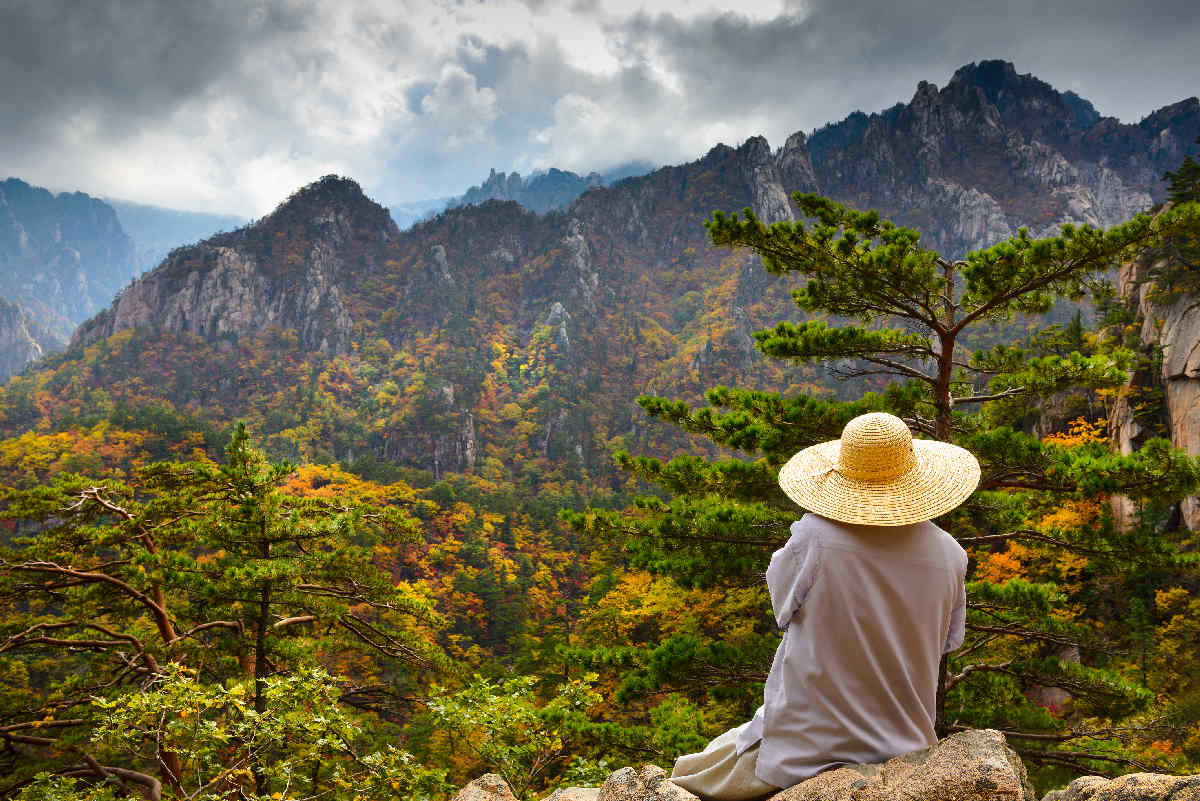
South Korea is a mountainous and highland country, and mountains cover as much as 70% of its surface. The highest peak in the continental part of Korea, Chiri-san, with a height of 1915 m above sea level, rises in the South Korean Mountains. Picturesque river valleys, dividing the mountain ranges, diversify the landscape, in which here and there karst formations appear.
The country is located at the intersection of two climate zones, warm temperate and maritime subtropical. The weather is greatly influenced by monsoons, and temperatures are generally mild, ranging from -4°C in winter to 27°C in summer. The heaviest rainfall occurs in summer, while winter is drier, and it can even snow in the mountains. South Korea boasts a very rich and well-preserved vegetation - as much as 2/3 of it is covered by forests, from subtropical forests with bamboo, laurel and camellia, to pine forests. There are few protected areas here, and uncontrolled hunting has caused a serious reduction in the animal world - of the large animals, only very few Himalayan bears, Siberian tigers and sika deer live here.
Culture and Religion
Koreans do not show affection in public, because holding back emotions, according to Confucianism, is a symbol of personal culture. The exceptions are teenagers walking hand in hand, which is a sign of friendship, and touching children, which shows warmth. The most important part of Korean life is the family, and according to Confucian tradition, its head is the father, responsible for providing food, clothing, and shelter. It is quite common for parents to live with their eldest son and his wife. This is a sign of childhood piety or a sense of devotion to parents.
More than half of Koreans have no religion, 19,7% identify as Protestants and 15% as Buddhists.

Trip to South Korea
Holidays in South Korea
South Korea is a place that will delight you with its diversity and cultural richness at every step. This picturesque land combines the modernity of futuristic cities with the tradition of old temples and charming villages. As soon as you land in Seoul, you will feel the pulse of a metropolis that never sleeps - skyscrapers, colorful neon lights, charming streets full of street food and the bustle of local markets will draw you in from the first moment.
But South Korea is not just about big cities. You can also experience the beauty of nature – from the majestic mountains and green tea fields of Boseong to the sandy beaches of Jeju Island. Have you ever dreamed of walking through ancient palaces where kings once walked? Or maybe you would like to try authentic kimchi prepared according to a traditional recipe? Everything is possible here.
During this journey, you will discover how extraordinary the flavors of the local cuisine can be, how inspiring the customs and rituals are, and how different life in this corner of Asia is from what you are used to. Prepare yourself for an adventure full of surprises - South Korea is already waiting to share its charm with you. This will be a trip you will remember for a long time!
Why you should go on holiday to South Korea
South Korea is a country that has gained immense popularity on the world tourist map in recent years. Located on the Korean Peninsula, it tempts not only with breathtaking landscapes, but also with fascinating culture, modern metropolises and cuisine that has conquered the palates of people all over the world. It is worth visiting South Korea, if only to experience this unique harmony between tradition and modernity. The first reason to spend your vacation there is the variety of places to visit. Seoul, the capital of the country, is a vibrant metropolis, where futuristic buildings and luxurious shopping malls sit next to historic palaces and temples. Visiting places such as Gyeongbokgung Palace or the Jogyesa Temple allows you to travel back in time to the Joseon Dynasty and understand the richness of Korean history. Nature lovers will also not be disappointed – Korean national parks offer picturesque mountain trails, waterfalls and tiny islands that are just begging to be discovered. The second important argument is the cuisine, which is an important element of culture. Korean dishes such as kimchi, bulgogi, bibimbap or street food available at local markets are a feast for the senses. The opportunity to try authentic flavors that are different from those served outside the country is an unforgettable experience. It is also worth paying attention to popular culture, which has become a global phenomenon: K-pop fans can visit music agencies, and fans of Korean series – locations known from television productions.
Visiting South Korea – what is worth seeing?
When planning a trip to this magical corner of Asia, it is worth considering the itinerary carefully to make the most of your time and get to know the diverse faces of this place. Whether you are a history buff, a nature lover or a modern city lover, South Korea has something for you. The first stop should be Seoul, the heart of the country. It is worth visiting the Gyeongbokgung Palace, which is a symbol of the power of the Joseon dynasty. Walking through its courtyards, you will feel the spirit of Korean tradition. The Insadong district is nearby - a place full of handicraft shops, tea houses and restaurants serving local delicacies. Be sure to also visit the modern Gangnam district to see the contrast between tradition and modernity. If you love nature, visit Jeju Island - a real paradise on earth. It is famous for its picturesque beaches, volcanic cliffs and wonderful trekking trails, such as the Hallasan volcano. It is also worth seeing the Cheonjiyeon waterfalls and the mysterious Yongmeori rock formations. Another place you can't miss is Gyeongju, the former capital of the Silla Kingdom. This city, nicknamed the "museum without walls", will impress you with its ancient tombs, Bulguksa Temple and beautiful gardens around Lake Anapji. Don't forget about Busan, the second largest city in Korea: the famous Jagalchi fish markets, Haeundae Beach and Beomeosa Temple are places that will definitely impress you.
Holidays in South Korea – practical information
For Polish citizens, visas to South Korea are not required for tourist stays of up to 90 days. The official currency of South Korea is the Korean won (KRW). ATMs are widely available in larger cities such as Seoul and Busan, and you can pay by credit card in popular hotels and shops, but it is worth taking some cash with you for small expenses, e.g. in local shops where card payments may not be possible. Type C and F sockets, common in Europe, are used, the voltage is 220 V and the frequency is 60 Hz, so if you are using 110 V devices, check that you have the appropriate adapter or transformer.
The official language of South Korea is Korean. In larger cities and tourist areas, you can find English speakers, but outside of these, English may be limited. It’s worth learning a few basic phrases in Korean, such as “annyeonghaseyo” (hello) or “gamsahamnida” (thank you), which will certainly be appreciated by the locals.
South Korea has specific rules of etiquette, especially when it comes to greeting and respecting older people. For example, bowing when greeting or saying goodbye is very important in Korean culture. Also, when eating, it is important not to start a meal in front of older people.
South Korea Attractions – Holiday Guide
Visit to a Buddhist monastery
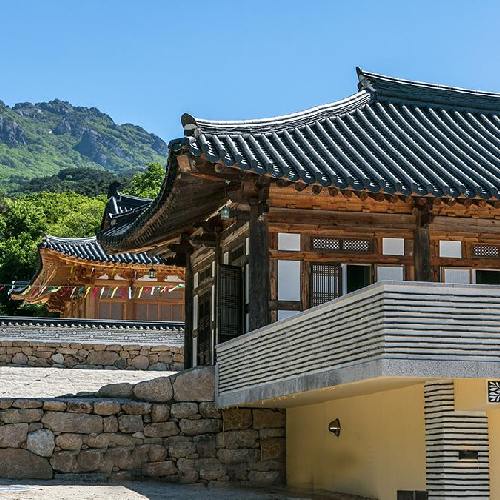
Or maybe you could use your trip to South Korea for a one- or several-day stay in a Buddhist monastery? It is not only a journey through beautiful landscapes and the fascinating history of this country, but above all a deep spiritual experience, an excellent opportunity to learn meditation techniques and focus on the here and now. Buddhism came to Korea over a thousand years ago, and since then it has played an important role in the life of the local society. Buddhist monasteries in Korea are known for their long heritage, and some of them have existed for hundreds of years. Modern monasteries continue spiritual traditions and are a place of meditation, teaching and living in harmony with nature. If you want to experience the life of a monk and Buddhist practices, we will be happy to help you!
One of the most important aspects of such a stay in a monastery is the daily meditation sessions, which take place in the morning and evening. Sitting in the lotus position, you will try to clear your mind and find inner peace. These are moments of deep contemplation and focus on the present moment. Monastic life is also simplicity. The monks live a modest life, which includes vegetarian food, manual labor, prayer and spiritual studies. One of the most memorable moments of a stay in a monastery are the Buddhist ceremonies and rituals, which aim to cultivate a spirit of community and gratitude. The chanting of mantras and the sounds of bells create an extraordinary atmosphere of concentration. An important element of a stay in a Buddhist monastery is also the silence and the opportunity to focus on your own thoughts and emotions, which is often not enough time in everyday life, so it is worth taking such a trip and seeing what spiritual treasures can be found in the monasteries of South Korea.
Trip to the Demilitarized Zone
High fences, barbed wire and an unsettling silence – these are the characteristics of the Demilitarized Zone (DMZ), a 250-kilometer buffer zone between North and South Korea. It is one of the most militarized borders in the world, existing since the Korean Armistice Agreement of 1953 – you need to know that de facto both Koreas are still in a state of war. It is also a place where two different realities meet – one of the most developed economies in the world and one of the most isolated and mysterious countries on earth. A visit to the DMZ is an unforgettable experience that allows you to understand the tragic history of Korea and the current state of conflict. The DMZ consists of areas controlled by both Koreas, but sightseeing – only with a guide – usually takes place only in areas subordinate to South Korea. This is one of the few opportunities to get close to North Korean territory without having to travel to the country itself and see, for example, the Mount Kumgang massif from a viewing point.
What will you see when you visit the DMZ on a trip to South Korea? Your first stop will be the reconstructed Bridge of No Return, which crosses the Military Demarcation Line between the two countries. After the 1953 armistice, this bridge was used to exchange prisoners of war, and in 1968, it was used to free the crew of the USS Pueblo, who had been captured by the North Korean Navy for 11 months. You will also see one of four tunnels built by the North Koreans under the DMZ, discovered in 1978, and the Dora Observatory, which overlooks the DMZ all the way to the North Korean border. During your visit, you will also have the opportunity to learn more about the history of the Korean conflict, from the Korean War to the current tensions. It is certainly an intriguing, if unsettling, experience.
Jeju Island – Korean Hawaii
The highest peak in South Korea, sunrises admired from a volcanic crater, fantastic beaches, waterfalls, lava tubes, citrus orchards and dense forests - all this awaits you on Jeju, called the Korean Hawaii, a unique and fascinating island located on the southern coast of South Korea. Due to its exceptional natural beauty, rich history, culture and geological uniqueness, Jeju has become one of the most famous tourist destinations in Korea and enjoys international fame. When planning a trip to South Korea, it is certainly worth including it in your plans.
One of Jeju's most recognizable landscape features are the volcanic rock formations known as oreum and the majestic Hallasan Volcano, which rises to a height of 1950 meters, the highest peak in South Korea, attracting climbers and nature lovers. Around the volcano is Hallasan National Park, offering a variety of hiking trails and breathtaking views. The island is also known for its numerous caves, waterfalls and white-sand beaches, such as Hyeopjae Beach and Jungmun Beach. Jeju is also a land of blooming azaleas and other exotic plants, especially beautiful in spring. One of the most important events on the island is the annual azalea festival, which attracts nature lovers and photographers.
Jeju's rich culture is one of the island's most important treasures. Jeju's traditions and folklore are alive and often presented in local festivals and performances. The island is famous for its unique music, dance and theater. And let's not forget its delicious cuisine, which offers delicious fish, seafood, fresh vegetables and local delicacies such as black pork, a pork that is incredibly tasty thanks to the special diet of the pigs raised on the island.
Hotels in South Korea
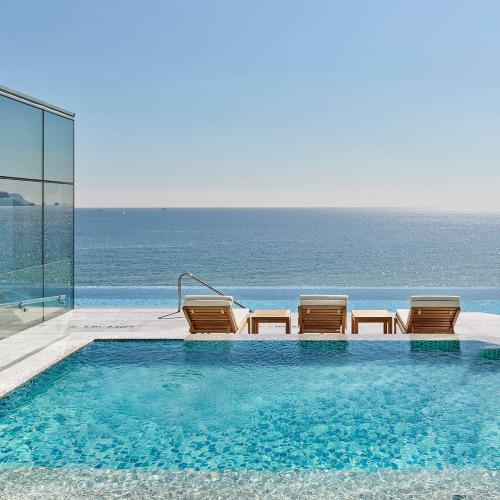
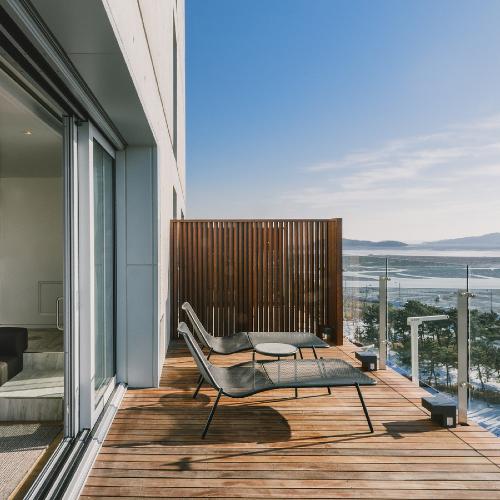
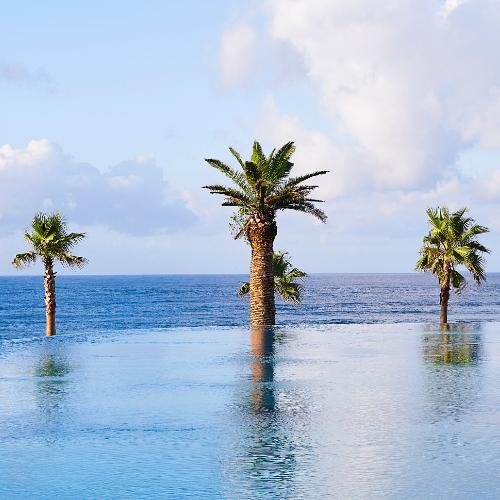
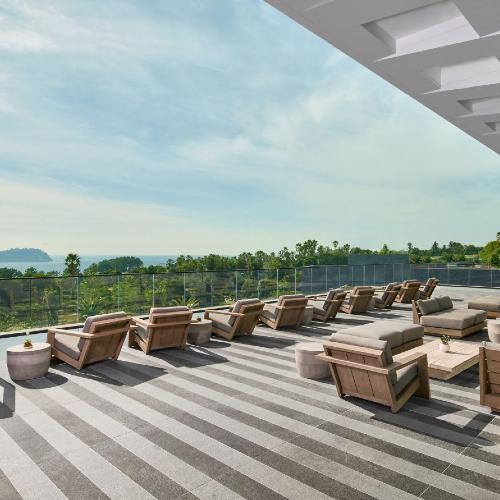
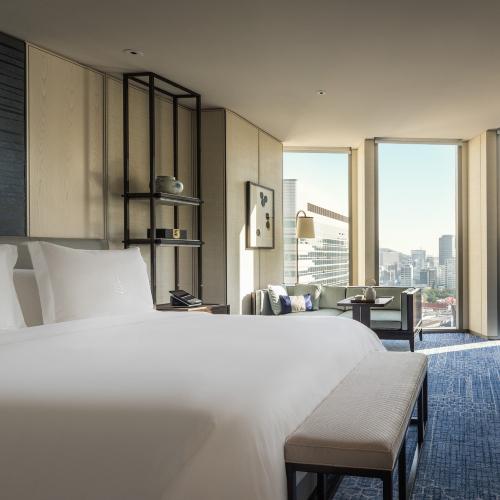
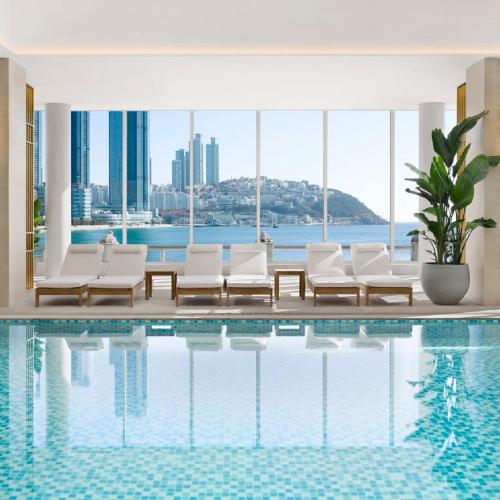
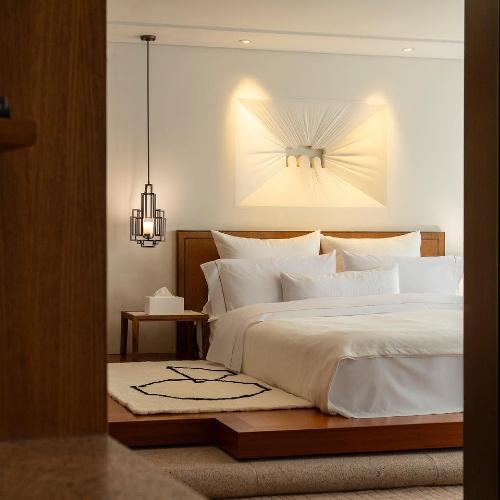
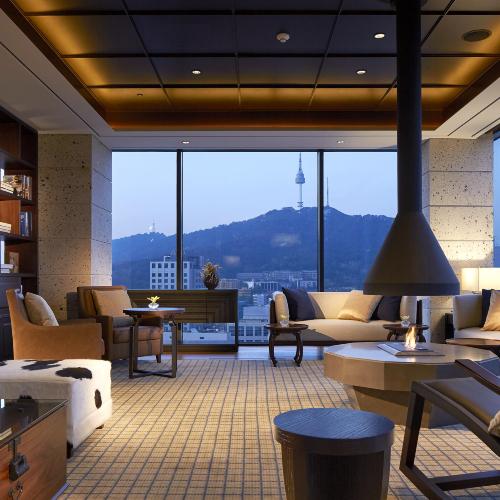
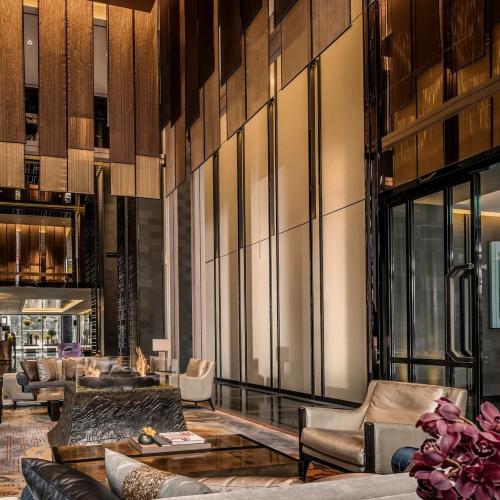
The first thing that strikes you about South Korean hotels is their luxury. Hotels in this part of the world are known for their high-quality service and sophisticated amenities. Service standards are exceptionally high, and staff are trained to meet the expectations of even the most discerning guests. One of the most famous hotels in South Korea is Lotte Hotel World in Seoul, located near numerous attractions, such as the Lotte World amusement park and Lotte Tower, offering panoramic views of the city. South Korea is also known for its innovation, and hotels reflect this spirit. Many are equipped with the latest technology, such as smart room management systems that allow guests to control lighting, air conditioning, and televisions using their smartphones. Furthermore, some hotels offer virtual reality to provide unique and interactive experiences. One example of this innovation is Novotel Ambassador Seoul Dongdaemun Hotels & Residences, which has introduced virtual reality into its lobby, allowing guests to experience interactive experiences during their stay. This is a prime example of how Korean hotels strive to provide guests with unforgettable experiences. Buddhist monasteries are a completely different category. Accommodations are very simple, allowing you to immerse yourself in the life of the monks and experience South Korea from a more authentic perspective. These are usually very basic accommodations, with the only furnishings being wooden beds, sometimes bunk beds, tables, and wardrobes. While not ideal for those seeking luxury, they are a true adventure during your trip to South Korea!
Unique places in South Korea
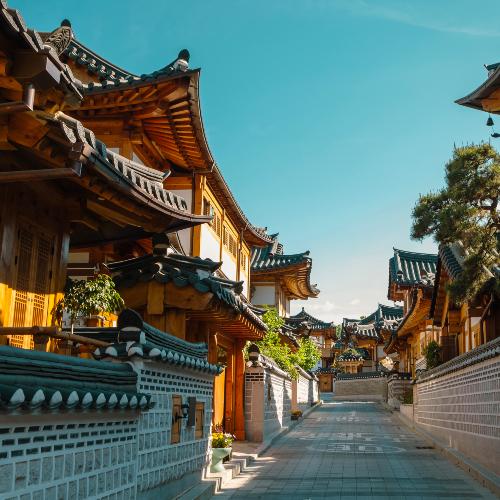
What to see when traveling in South Korea? There are many places worth visiting! One of them is the capital city, Seoul. This dynamic and vibrant city offers countless attractions, including Gyeongbokgung Palace, a symbol of Korean history and culture, and Bukchon Hanok Village, a charming district with traditional Korean hanok houses, where you can travel back in time and feel the authentic atmosphere of Korea from centuries ago. Another must-see on the map of South Korea is the city of Gyeongju, known as the "open air museum". It is full of historical treasures, including ancient tombs and temples, the most important of which is the UNESCO World Heritage Site Bulguk Temple. If you are interested in Korean art and culture, the city is worth visiting Busan, famous for the Busan International Film Festival and Gamcheon Culture Village, a picturesque district that is a true masterpiece of street art. In South Korea, you can't miss the beautiful national parks, including Seoraksan, famous for its picturesque landscapes, waterfalls and mountain hikes, a great place for nature lovers and hikers. There are also beautiful beaches on the South Korean coast, such as Haeundae Beach in Busan and Naksansa Beach in Sokcho, perfect places to relax and enjoy water sports.
Which region to choose for traveling to South Korea?
South Korea is a country full of diverse regions that provide unique travel experiences. One of them is Jeju Island – a volcanic island that is one of the most picturesque corners of Korea. Known for its beautiful beaches, waterfalls and volcanic craters, Jeju is the perfect place to relax and explore nature. The Hallasan volcano overlooks the entire island, and numerous temples and traditional villages allow you to feel the unique atmosphere of this island. Another region worth visiting is Jeolla – the southern part of Korea, famous for its incredibly charming villages, historical palaces and excellent cuisine. The city of Jeonju, which is the capital of this region, is a mecca for traditional Korean cuisine, including the famous bibimbap. There are also picturesque national parks in the area, such as Naejangsan, through which wonderful hiking trails run. Gangwon-do, the eastern region of Korea, offers excellent conditions for nature lovers. This is a place where you can enjoy wildlife, spend time at Lake Soyang, and hike uncrowded mountains. This region is also home to Pyeongchang, famous for hosting the Winter Olympics, which offers great conditions for winter sports. And if you’re looking for a more authentic experience, Chungcheong-do is a region where you’ll find traditional villages and uncrowded, scenic areas, interesting monuments, and ancient temples.
South Korea Travel Deals


Hotels in South Korea





When to go to South Korea?
South Korea is located at the junction of two climate zones: temperate warm, which occurs in most of the country, and subtropical maritime in the south and on the coast. Seasonal winds – monsoons – have a large influence on the climate, which is usually characterized by mild temperatures. The coldest month is January, when the temperature can drop below 0°C, while the warmest is in July – on average around 23°C–27°C. There is a lot of precipitation here: summer is a particularly humid season, while snow can be expected in winter. The mildest climate is on Jeju Island, which is why it is a place visited all year round.
The best months for tourists are from May to October, with June to September being the period with high temperatures and high humidity, while May and October are a bit cooler and very pleasant.