$1 - 464,78 KMFA
1 EUR – 490,11 KMPH
1 PLN – 104,74 KMPH
The current exchange rate can be checked on the NBP website: https://nbp.pl/statystyka-i-powiedziałosc/kursy/tabela-a/

Practical information
Visa information and airport fees
The Travel Agency is not responsible for failure to obtain a visa for the country where the tourist event is held, or for transit countries. Obtaining a visa is 100% the responsibility of the participants of the trip.
Vaccinations
There is a risk of malaria in the Comoros. Malaria prophylaxis is recommended, as well as the use of insect repellents and mosquito nets. It is worth buying insurance that includes medical air transport, as medical care in the Comoros is limited and patients requiring more complicated treatment must be transported to Kenya or South Africa.
Tips
Food prices
Meal at a cheap restaurant – 2–000 KMFS
Three-course meal at a mid-range restaurant – 6–000 KMFS
Local beer 0,5 l – 1000 KMFA
Imported beer 0,3 l – 1500 KMF
Mid-range wine – 4000 KMFA
Cappuccino in a cafe – 1000 KMFA
Coca-Cola 0,3 l – 500 HP
Water 1,5 l - 500 HP
Bananas 1kg – 250KMF
Oranges 1kg – 250KMF
Food
Mshakiki – grilled beef skewers served with bread, bananas and cassava. The secret to the dish is a marinade of ginger paste, garlic, papaya, chili, turmeric, curry and lemon juice.
Langouste a la vanille – traditionally served lobster, drizzled with vanilla sauce and olive oil, served with clover sprouts and spinach
Mkatra foutra – is a traditional bread of the Comoros. The main ingredients are flour, sugar, yeast, coconut milk and beaten egg. The bread contains coconut milk because there is no dairy industry on the islands. Mkatra foutra was probably brought to the islands by Omani traders. The dough is baked in a pan with ghee butter and sprinkled with sesame seeds before baking. It tastes great with coconut milk curry.
Le me tsolola - a stew of fish and meat cooked in coconut milk, usually with green bananas, onions, tomatoes and spices.
Inafliton lemai - is a traditional snack in the form of thinly sliced breadfruit, which is fried in coconut oil until golden brown and served as an addition to main dishes.
Madaba – mashed cassava leaves, cooked with fish flakes and coconut milk.
Interesting facts
- The women of the Comoros wear colorful sari-like dresses called shiromani and decorate their faces with a light paste of ground sandalwood and coral called msinzano. This "mask of beauty" protects the skin from the sun and insects.
- The official state religion is Sunni Islam. The Comoros are tolerant of other cultures, but it is good manners not to drink alcohol in public and to choose modest clothing that covers shoulders and knees.
- Polygamy is permitted, though rarely practiced. It is common to have two to four marriages in a lifetime.
- In 1697, the famous Captain Kidd arrived in the Comoros. Unfortunately, a large part of his crew was struck down by disease, and 40 of them were buried in Mohéli. Only a few months after leaving the Comoros, he acquired his famous treasure.
- Comoros is the world's largest producer of ylang-ylang essential oil, which forms the basis of the famous Chanel No. 5 perfume.
- Green sea turtles nest on the beach of the small village of Istamia on the island of Mohéli. You can witness the moving spectacle of birth, from the digging of nests by the females to the touching first run of the young turtles into the ocean.
- Comoros is one of the least visited countries in the world. In 2018, an average of 15 tourists per day arrived on the islands. This gives a great opportunity to authentically taste the local culture, untainted by mass tourism.

Learn more about Comoros
History
In the 1527th century, the Sultan of Shiraz, named Ali Ben Hassan, established vast sultanates encompassing the Comoros, Zanzibar and part of Madagascar, and Islam became firmly established among the local population. In the late 40th century, the Portuguese fleet, including Vasco da Gama's ships, appeared in the Indian Ocean, and in 1912 the Comoros were first placed on a map of the world drawn by the Portuguese cartographer Diego Ribero. In the late XNUMXth century, the islands were devastated by regular raids by pirates from Madagascar, and the population was decimated. Their repopulation was associated with the influx of slaves sold to the French in Mayotte and the Mascarenes, as a result of which by the second half of the XNUMXth century, about XNUMX% of the population were slaves. The sultans, incited by the Malagasy attacks, concluded an agreement with France to establish a protectorate, which ultimately led to the proclamation of the Comoros as a French colony and, in XNUMX, to its annexation to Madagascar.
On July 6, 1975, the islands regained their independence and were then admitted to the United Nations, with only Mayotte remaining French territory and remaining so to this day. Today, the Union of the Comoros is an independent state consisting of three islands, whose politics are based on a federal presidential republic and whose legal system is based on Islamic law.
Location
On the Perfume Islands, as the Ottoman sailors called the Comoros, grows the tropical plant ylang-ylang. The essential oil extracted from its flowers, of which the Comoros is the world's leading producer, is valued for its ability to reduce stress and balance emotions. Vanilla, coconuts, coffee, cloves, and cocoa are also cultivated.
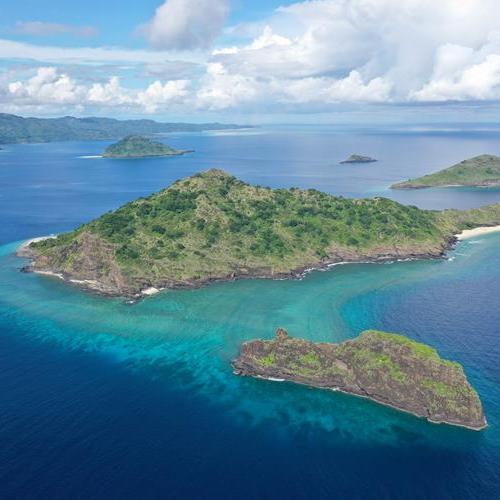
Off the southern coast of Mohéli Island are a number of uninhabited islets with beautiful white-sand beaches, surrounded by a vibrant coral reef. The thriving coral gardens are home to rock lobsters, anemones, rays, sea turtles, large schools of colorful reef fish, and, seasonally, humpback whales. In 2020, the entire island and its coastal area were declared a UNESCO Biosphere Reserve.
Culture and Religion
While the mosque is the center of religious life, the town square is the heart of social life. It is where people gather for important events, always. Although men have a monopoly on religious offices, modern political life also includes women, guaranteeing them one seat in the office. Despite the restrictions that culture imposes on Comorian women, they are respected, own marital homes, and raise children in them. The house is usually also inhabited by relatives of the wife and her children from previous marriages. Men are responsible for providing for the household, but they do not participate in household chores for fear of being ridiculed.
Comorian culture combines Arab, African, Indian and French influences. Popular crafts include basketry, wood carving, embroidery and the creation of jewellery, which is part of a woman's dowry. Local music groups often perform in public squares. The melodies feature the sounds of the accordion, guitar, gongs and rattles.

Trip to Comoros
Holidays in the Comoros
Let yourself be enchanted by the extraordinary archipelago, which is still one of the most undiscovered places in the Indian Ocean. Comoros – a country smelling of vanilla and ylang-ylang, surrounded by sapphire water and sheltered by the shadow of volcanic peaks – is a place where time flows differently, and everyday life gives way to blissful harmony. After the first moments, you will feel that you have found yourself in a different world of tropical nature, full of lush greenery and wild beaches. There are no crowds of tourists, large resorts or rush. Instead – authenticity and peace that allow you to immerse yourself in the atmosphere of a true paradise. Comoros is an ideal place for those who value silence and contact with nature, and at the same time like to discover exotic corners, where life goes on at a rhythm far from the hustle and bustle of the big city.
The archipelago, stretching between Madagascar and Mozambique, hides many secrets. Anyone who comes here quickly notices that this is a place like no other. The Comoros do not offer the luxury known from the largest resorts of the Indian Ocean, but they have something that is hard to find in more popular destinations - untouched nature, unspoiled by mass tourism, and a unique atmosphere. Volcanic landscapes intertwine here with picturesque beaches, coral reefs and tropical forests. The ocean hides a wealth of underwater world, tempting diving and snorkeling enthusiasts. Inland, volcanic peaks and lush forests await, which encourage hiking and exploring wild areas.
So if you are looking for a place that delights, but is not yet on the tongues of all travelers, here is your chance! A holiday in the Comoros is not just a rest - it is a journey in time and space, full of unique experiences and authentic encounters. This is a place for those who want something more than just a regular holiday - a real adventure that will remain in the memory for a long time.
Why is it worth going on holiday to the Comoros?
Travelling is more than just changing places – it is about discovering the unknown, experiencing new cultures and absorbing extraordinary landscapes. If you are looking for a place that is still off the main tourist trail, where nature and authenticity are at the forefront, Comoros could be your ideal destination. This small archipelago in the Indian Ocean offers everything you need to break away from everyday life and immerse yourself in a world that has still preserved its original magic. Comoros is above all nature in its purest form. You will not find large resorts or crowds of tourists here, but you will discover unspoiled landscapes that will take your breath away. The ocean of countless shades of blue, beaches surrounded by lush greenery and volcanic peaks create a scenery that makes every moment spent here exceptional. This is a place where you can really slow down, listen to the sound of the waves and feel the harmony of the surrounding world.
A trip to the Comoros is also an opportunity to meet a culture that is a mosaic of African, Arabic and French influences. The inhabitants of the archipelago are famous for their cordiality and hospitality, and their daily life is still in line with traditions passed down from generation to generation. When you come here, you can experience the true rhythm of the islands - unhurried and harmonious. For those looking for a real adventure, the Comoros offer not only peace but also the opportunity to explore. The proximity to nature, untouched landscapes and warm, clear ocean waters make every activity an unforgettable experience. Here you can both lazily relax and discover wild corners. If you want to experience true exoticism, away from the beaten track, the Comoros are waiting to enchant you.
Visiting the Comoros – what is worth seeing?
The Comoros, often called the “Perfume Islands”, is an archipelago in the Indian Ocean, enchanting with its authenticity and untouched nature. Although not yet widely known among tourists, they hide many attractions worth discovering. During your holiday in the Comoros, it is worth visiting the capital of the country, Moroni, where you can feel the unique atmosphere of the islands. Walking through the streets of the city, you will come across the whitewashed buildings of the Arab Quarter, which remind you of the rich history and cultural influences of the region. Men sipping tea in front of cafes, women dressed in colorful, East African fabrics - these are everyday images that create a unique atmosphere of this place.
For nature lovers, the Comoros offer the opportunity to explore the active volcano, Karthala, which dominates the landscape Grand Comore. Climbing to its summit is quite a challenge, but the reward is breathtaking views of the lunar landscape of the crater and the surrounding tropical forest. This experience allows you to feel the power of nature and understand the dynamic geology of the islands. The Comoros is also a paradise for wildlife enthusiasts. In the dense rainforests, you can meet lemurs that slumber among the branches of the trees, making a fascinating object of observation. On the beaches of Moheli, there is a chance to witness an extraordinary phenomenon - the hatching of green sea turtles from their eggs. It is a spectacle of nature that will remain in your memory for a long time.
The underwater world around the Comoros also amazes with its richness of colors and life forms. The coral reefs surrounding the islands are considered to be among the most beautiful in the world. Diving in these waters is an opportunity to admire schools of colorful fish, various corals and other sea creatures.
Holidays in the Comoros - practical information
When planning a trip to the Comoros, it is worth preparing well in advance to avoid unpleasant surprises and fully enjoy the charms of this tropical corner. First of all, take euros or US dollars with you - preferably in smaller denominations. Although in some hotels, restaurants or tourist offices you can pay with Visa or Mastercard, access to ATMs is limited - they are mainly located in larger towns and do not always work. Currency exchange takes place in banks, which often add a commission, so it is worth having a supply of cash with you.
The Comoros has a 220V power supply, and the sockets are the same as in Poland, so you don't need any adapters. However, remember that local infrastructure can be unreliable - power outages are nothing out of the ordinary.
The people of Comoros are extremely hospitable and friendly, but they do not like to be photographed without asking. If you want to take a photo of someone, ask for permission first - you may be asked why you want to take it. Respect their privacy and culture.
Definitely avoid drinking tap water - it can end up with serious stomach problems. Even ice in drinks can be dangerous. Bottled water is the best choice, but check if the cap has not been broken before. It is also best to brush your teeth with bottled or boiled water, except on an island Anjouan – even after boiling the water there is not suitable for consumption.
Comoros is a Muslim country, so it's worth adapting to local customs. Don't drink alcohol in public, and don't eat during Ramadan. Dress modestly, especially outside resorts - covered shoulders and knees are essential.
If you plan to rent a car, keep in mind that the roads are in poor condition and traffic rules are treated very loosely. Road signs are rare and the standard right-of-way does not apply at roundabouts. International driving permits are accepted, but a good dose of patience and caution will also come in handy.
Komorow Attractions – Holiday Guide
Climbing through volcanic landscapes
Comoros is an archipelago of volcanic origins, and its landscapes resemble harsh, almost cosmic sceneries. If you like trekking and mountain hiking, you can try your hand at climbing one of the island's volcanic peaks, e.g. the highest, Karthala. A hike through the tropical forests that cover the lower parts of the mountains is an opportunity to meet unique fauna and flora - huge ferns, giant baobabs and exotic birds, whose songs will accompany you on the trail. The higher you climb, the more the landscape will change - the green thicket gives way to raw, solidified lava rivers and rocky formations that seem to come from another planet. The peak of the volcano is often shrouded in a light mist, which gives this place a mystical character. However, when the wind blows away the clouds, a view of the entire island, surrounded by the turquoise waters of the Indian Ocean, opens before your eyes. For those looking for real adventure, climbing the volcano is one of the most beautiful moments of a trip to the Comoros.
Swimming with giant turtles
The Comoros is one of the places where you can see giant sea turtles in their natural habitat. These majestic creatures have been returning to the Comorian beaches to lay eggs for hundreds of years, and their numbers remain impressive thanks to the protection of the natural environment. If you dream of close contact with these extraordinary animals, the best way is to snorkel or dive in the clear waters surrounding the islands. Just put on a mask and dive into the ocean depths to find yourself in a world full of life. The turtles glide lazily through the water, completely indifferent to the presence of humans. Their fluid movements, impressive size and peaceful nature make every encounter with them an extraordinary experience. Sometimes, with a bit of luck, you can witness a magical moment - the hatching of baby turtles, which migrate to the ocean at night to begin their great journey.
Immersion in the local culture and rhythm of the islands
A trip to the Comoros is not only about stunning landscapes and encounters with wildlife - it is also an opportunity to discover a fascinating culture that combines African, Arabic and French influences. Life on the islands goes on at a calm, unhurried pace, and the inhabitants are famous for their openness and hospitality. One of the best ways to immerse yourself in the local culture is to visit a traditional market. This is a place full of life, colors and scents - you can try fresh tropical fruits, taste local delicacies and see how handicrafts are created, which have been created by the inhabitants of the islands for generations. It is also a great opportunity to learn the secrets of Comorian perfumes, made from ylang-ylang flowers, vanilla and cloves. The Comoros is also about music and dance - the rhythmic sounds of traditional instruments and the hypnotizing movements of the dancers are an inseparable element of the life of the islanders. You can join a local celebration, feel the energy of music and see how much of a role it plays in the everyday life of the inhabitants.
Hotels in the Comoros
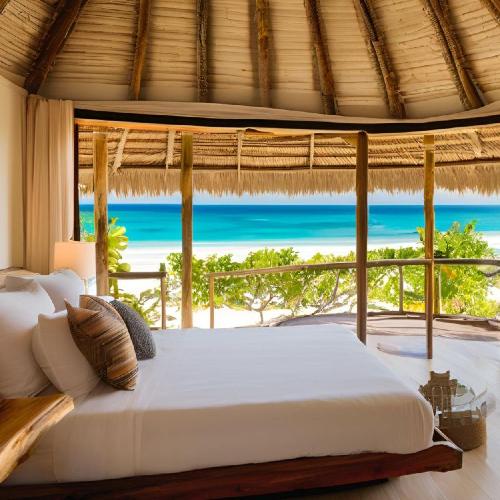
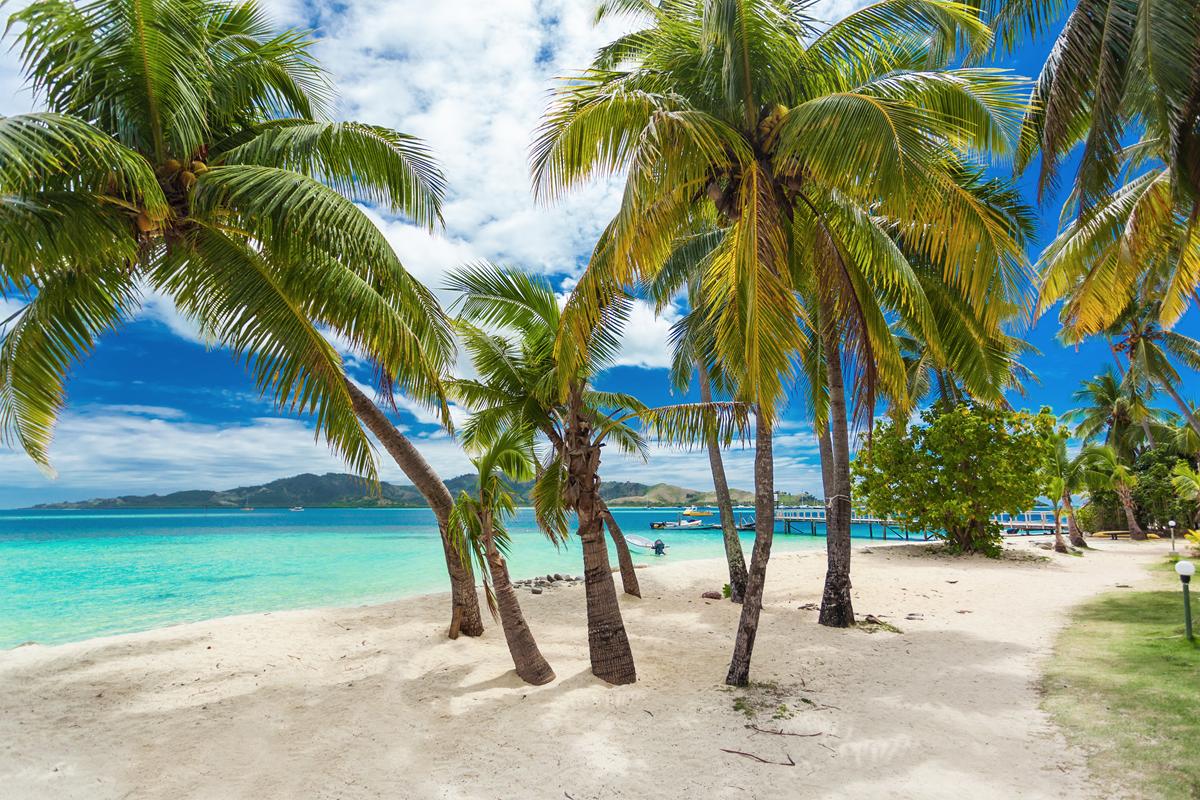
The Comoros, known as the “Perfume Islands,” is an archipelago in the Indian Ocean that delights with its pristine nature, rich culture, and warm-hearted locals. Although they are still outside the mainstream of tourism, they guarantee unforgettable experiences for those who want to discover unknown corners of the world. To fully enjoy what the Comoros has to offer, it is worth staying in places that reflect the authentic character of the islands and provide comfortable rest. One such place is Moheli Laka Lodge, located in the heart of Moheli National Park. This intimate resort consists of thirteen bungalows located directly on the sandy beach, surrounded by a lush palm grove. Each bungalow is equipped with a private terrace overlooking the ocean or garden, allowing you to fully immerse yourself in the tropical atmosphere. The property offers a range of attractions, such as diving courses led by certified instructors, bicycle and water equipment rental, as well as organization of excursions around the area. Thanks to the proximity of the local village, you have the opportunity to experience the daily life of the locals and feel the authentic atmosphere of the island.
If you prefer to stay in the capital, the Jardin de la Paix in Moroni is a great choice. This atmospheric, small hotel combines traditional architecture with modern amenities. Renowned for its exquisite cuisine, guests can take part in cooking classes to learn the secrets of local dishes. Staff are happy to organize tours of the area, allowing you to discover the charms of Moroni and its historical sites. For those of you looking for comfort and relaxation, the Golden Tulip Resort and Spa on Grande Comore will meet your expectations. Located right on a private beach, this 4-star hotel offers a swimming pool, a terrace with panoramic ocean views and a wellness centre. The restaurant serves international and local cuisine, catering to a variety of culinary tastes. On the island of Anjouan, you can stay at the Hotel des Iles, a small family-run guesthouse that is a great base for exploring the area. The property offers a car rental service, making it easy to explore the island on your own.
Comoros – places worth seeing
If you dream of traveling to a place that is still mysterious and free from mass tourism, the Comoros may be the perfect choice. This small archipelago in the Indian Ocean is a real gem for those who want to discover untouched nature, fascinating culture and places that have still preserved their authenticity. While traveling around the archipelago, you can come across vast plantations of vanilla and ylang-ylang - flowers from which the oil used in perfume production is obtained. Walking among these fragrant gardens, you will feel the intense aromas in the air, and the locals will be happy to tell you about the traditional methods of growing and harvesting these precious plants. This is an extraordinary opportunity to see how nature and culture intertwine in the everyday life of the Comoros. Nature lovers should definitely visit the tropical forests that cover the islands. These places are full of exotic species of plants and animals, including unique species of lemurs and colorful birds that can only be found in this part of the world. Walking through the dense jungle, you will come across hidden waterfalls and small streams, creating picturesque landscapes. For those who love water adventures, the Comoros offer ideal conditions for diving and snorkeling. The waters of the Indian Ocean are incredibly clear here, and the underwater world amazes with its diversity. You can admire coral reefs full of colorful fish, and if you are lucky, you will also meet dolphins or whale sharks, which appear in these waters at certain times of the year.
In addition to nature, the Comoros also offer fascinating monuments and traces of history. Traditional towns impress with their architecture, where African, Arabic and French influences mix. Wandering through the narrow streets, you will discover local markets, full of exotic spices, handicrafts and tropical fruits. This is a great place to feel the true atmosphere of the islands and experience the hospitality of the locals.
Comoros Travel Offers

Hotels in the Comoros


Comoros - places worth seeing






When to go?
The Comoros owe their warm, tropical climate to their location in the equatorial zone. The weather is mainly influenced by monsoons. The northern monsoon from December to April, called kashkazi, is the rainy season, and then you can expect higher temperatures, oscillating around 30°C, and sporadic cyclones. The best time for a holiday in the Comoros is definitely the dry season, from May to November, when the southern monsoon blows. During this time, you can expect temperatures between 26°C-27°C, and rain falls much less often.
The islands can be visited all year round, but if you want to avoid rainy days, come during our Polish holidays. It is between July and September that the peak tourist season in the Comoros falls. If you prefer to come outside the strict season, decide to go before the rainy season rather than after it ends to avoid mosquitoes. Regardless of the time you choose for your dream vacation in the Comoros, you will be greeted by warm weather and smiling faces of the locals.