

1 USD - 1,42 CAD
1 EUR - 1,61 CAD
1 PLN - 0,38 CAD
One Canadian dollar is divided into one hundred Canadian cents. Banknotes come in denominations of 5, 10, 20, 50, 100, and 1000 CAD.
The current exchange rate can be checked on the NBP website: https://nbp.pl/statystyka-i-powiedziałosc/kursy/tabela-a/.

Practical information
Visa information and airport fees
The Travel Agency is not responsible for failure to obtain a visa for the country where the tourist event is held, or for transit countries. Obtaining a visa is 100% the responsibility of the participants of the trip.
Vaccinations
Tips
Food prices
Sample prices:
Mineral water 1,5 l – 2,5 CAD
Local beer 0,5 l – 4,10 CAD
Imported beer 0,33 l - 4,50 CAD
Wine – 18 CAD
Coffee – 5,30 CAD
Coca-Cola 1,25 l – 2 CAD
Fruit 1kg – 6 CAD
Meal at a cheap restaurant – CAD 25
Meal at a fine dining restaurant – CAD 50
Food
And if you feel like something stronger, try the Caesar cocktail – it is the national drink of Canada, consisting of vodka, clamato (tomato juice with spices and dried clam extract), Tabasco sauce and Worcestershire sauce, decorated with a celery stalk.
Interesting facts
- Canada's motto is: "From Sea to Sea." And rightly so! The country is washed by the waters of three oceans - the Atlantic to the east, the Arctic to the north and the Pacific to the west. Canada can also boast the longest coastline in the world, which is over 200 kilometers long.
- It is the second largest country in the world after Russia, almost 32 times larger than Poland, but has 3 million fewer people than Poland. Canada's only neighbor is the United States, and the U.S.-Canadian border is the longest in the world - it measures 8893 km.
- Canada is sometimes called the Land of the Maple Leaf, which is no surprise, as it is the source of almost 80% of the world's maple syrup. The maple leaf appears on the Canadian flag, coat of arms and coins, and the national sweet is none other than maple syrup.
- It was from Canada that the co-creator of the most famous superhero, Superman, came from. Other famous Canadians include James Cameron, Jim Carrey, Alanis Morissette, Celine Dion, Bryan Adams and Ryan Gosling.
- Since World War II, the Dutch have sent a thousand tulip bulbs to Canada every year. This is an expression of gratitude for the shelter given by Canadians to Dutch Princess Juliana during the war. The Tulip Festival in Ottawa is also a commemoration of this event.
- If you happen to come across a polar bear while visiting Churchill – the Polar Bear Capital of the World – don’t be afraid! Local drivers leave their car doors open so that anyone can get in from an angry or simply hungry bear. What’s more, bears caught in Churchill are often sent to prison, where they face a hunger strike to discourage these animals from contact with humans.
- Santa Claus does not live in Lapland. He is Canadian and lives at the North Pole! To see for yourself, just send a letter to: Santa Claus, North Pole, Canada, H0H 0H0 and wait patiently for the reply that will surely come.
- Canada can boast several original records. It is home to the world's longest street – the 1896-kilometre Yonge Street, which connects Lake Ontario and Lake Simcoe, and the world's smallest prison, Sark Prison, which can house just two prisoners at a time. Canadians also produce and eat the most yellow cheese in the world – 9 kg per person per year!
- Do you like Hawaiian pizza? But did you know that it originated not in Hawaii, but in Ontario?
- Are you annoyed by spam flooding your mailbox? Canadians have solved this problem! The penalty for sending unwanted mail for an individual is one million dollars, and for a company - ten times that amount.

Learn more about the country of Canada
History
In 1763, by Royal Proclamation, Canada became a British colony – to this day, despite gaining independence, the country remains a constitutional monarchy, with King Charles III as head of state. In 1774, Great Britain passed the Quebec Act, which guaranteed the French population the right to speak French, a fact reflected, among other things, in the bilingualism of Canadians. In 1867, the four colonies that comprised British North America adopted the Canadian Confederation, establishing the new state of Canada. The first half of the 20th century was a time of rapid economic development and increased political independence, culminating in 1931 with independence and membership in the British Commonwealth of Nations. However, it wasn't until 1981 that a constitution was adopted and full legislative power was transferred to the Canadian Parliament. Today, multicultural, prosperous, and peaceful Canada is considered one of the best places to live in the world.
Location
The climate in Canada depends on the latitude. In the north there is a subpolar and polar climate, in the centre – a cool continental climate, and in the south a moderate warm one. There is a very large range of temperatures between the individual parts of the country, for example in the north the average temperature in July is -5°C, while in the south – 21°C. In January, temperatures range from -35°C in the north to 1–4 °C in the southwest. Characteristic features of this country are also heavy snowfall and cold, northerly and north-easterly winds.
Culture and Religion
Traveling around Canada, it is easy to see the differences between the French and English parts, noticeable not only in language, but also in architecture, religion, music and cuisine. The centre of French culture is Quebec, which has a strong desire for autonomy, and it is also where you can find the largest percentage of Catholics. Overall, Christianity dominates among the Canadian population: 38,7% identify as Catholics, 36% as Protestants, while 24% do not identify with any religion. Canada is a secular country, and the vast majority of its residents consider religion to be a private matter and irrelevant to everyday life. The government's policy, which emphasises multiculturalism, social integration and suppression of far-right rhetoric, a liberal approach to women's rights and LGBTQ rights, enjoys very high public support.

Trip to Canada
Holidays in Canada
Canada is an extraordinary country, over thirty times larger than Poland. Traveling to Canada offers a wealth of opportunities, breathtaking views, modern metropolises, and activities, as well as the chance to experience the power of nature up close. Follow in the footsteps of ancient trappers in the majestic mountains of Alberta, discover the vibrant, multicultural streets of Toronto, sample legendary maple syrup, and relax by the crystalline, emerald lakes in the heart of Banff National Park. Discover all the enchanting facets of this corner of the world and experience the true freedom that a trip to Canada guarantees.
Why is it worth going on holiday to Canada?
Canada is one of those countries that captivates with its vastness, diversity, and closeness to nature. If you dream of a trip filled with spectacular landscapes, wildlife, and unforgettable experiences, Canada is the place to go. The world's second-largest country, it offers an incredible wealth of attractions—from the snow-capped peaks of the Rocky Mountains, to turquoise lakes and vast forests, to bustling metropolises.
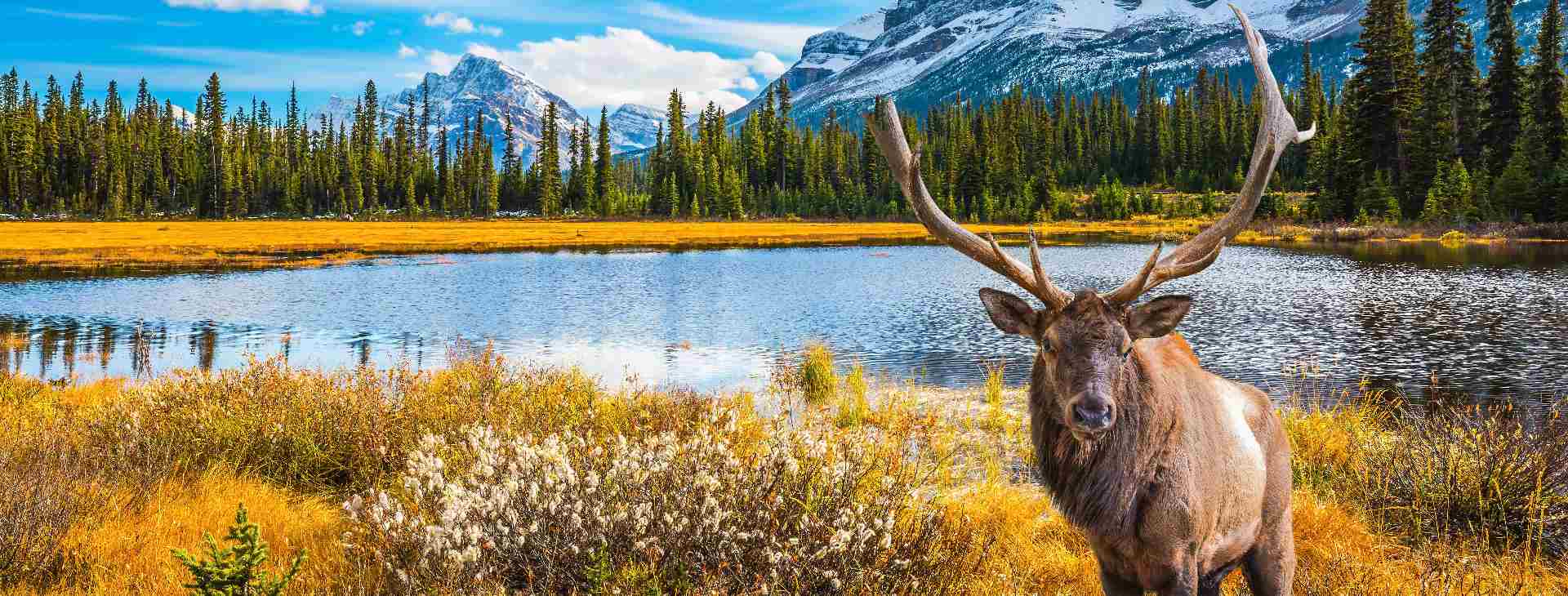
One of the biggest reasons to visit Canada is its wildlife. National parks like Banff, Jasper, and Yoho offer picturesque trails, waterfalls, and deep-blue lakes. They're an ideal destination for hikers, cyclists, kayakers, and wildlife enthusiasts. Bears, moose, and elk can be spotted in many regions, as well as whales and orcas off the coast of British Columbia.
Trips to Canada are also a great opportunity to explore fascinating cities. Vancouver delights with its location between the ocean and the mountains, Toronto impresses with its modern architecture and multicultural atmosphere, while Montreal and Quebec City offer a European feel thanks to their French influences, historic architecture, and exceptional cuisine.
Canada is also a great destination for those seeking an active holiday. In summer, you can hike, kayak, and explore the vast expanses of national parks, while in winter, the country transforms into a true paradise for skiers and snowboarders. World-class ski resorts like Whistler Blackcomb and Lake Louise attract winter sports enthusiasts.
The high level of safety, excellent tourist infrastructure, and incredibly friendly locals are also important. Whether you dream of close contact with nature, city attractions, or an active vacation, trips to Canada allow you to combine all of these in one trip. It's a destination that delights at any time of year and lingers in the memory for a long time.
Visiting Canada – what is worth seeing?
Toronto
Toronto It's Canada's largest city and one of the most cosmopolitan places in North America. It's here that the country's diversity and modernity are best demonstrated. Skyscrapers, led by the iconic CN Tower, dominate the city's skyline, but Toronto offers more than just impressive architecture. The city captivates with its multicultural atmosphere, allowing you to sample flavors from almost every corner of the world in a single day. The vibrant Distillery District, filled with galleries, restaurants, and boutiques housed in restored former distillery buildings, is worth a visit. Art lovers will appreciate the wide range of museums, while those seeking respite can head to the Toronto Islands – a verdant archipelago located just a short ferry ride from downtown. This island offers one of the most beautiful views of the city skyline. Toronto is also an excellent base for exploring southern Ontario. The famous Niagara Falls, picturesque wine regions, and numerous parks and nature reserves are all within easy reach. If your goal is a trip to Canada that combines urban attractions with the opportunity to explore nature, there's no better way to start your journey. The city offers a glimpse into the modern side of the country while also serving as a great launching pad for further exploration of its most iconic attractions.
Niagara Falls
Niagara Falls This is one of those places that far exceeds the imaginations created by photos and videos. Massive masses of water falling with incredible force into the Niagara River create a spectacle that captivates at any time of year. The most impressive part of the complex is the Horseshoe Falls, the famous Horseshoe Falls, whose distinctive shape is best admired from the Canadian side of the border. The most thrilling experience is a boat ride near the falls, during which you can feel the roar of the water and the mist rising in the air. The views from the numerous observation decks and paths along the river are equally spectacular. In the evening, the falls are illuminated with colorful illuminations, giving this place a completely new character. The Niagara region also boasts charming towns, vineyards, and picturesque landscapes worth exploring beyond the main attraction.
Montreal
Montreal It captivates with its unique blend of European charm and the energy of a modern metropolis. It's the largest French-speaking city in North America, where history intertwines with culture, art, and excellent cuisine. A stroll through the Old Town reveals cobblestone streets, historic buildings, and atmospheric squares reminiscent of French cities. The city is renowned for its unique atmosphere and numerous cultural events. Music, film, and theater festivals are held year-round, attracting artists and travelers alike. Visit the Notre-Dame Basilica, climb Mont Royal for panoramic views, or simply sit in one of the numerous cafes and observe the daily life of the locals. Montreal is also the country's culinary capital. Local bagels, poutine, and restaurants serving French cuisine are among the city's greatest attractions, captivating with its relaxed and creative atmosphere.
Quebec
Quebec City This is a place that allows you to experience the atmosphere of old Europe without leaving North America. The historic city center, a UNESCO World Heritage Site, captivates with its stone streets, historic buildings, and unique atmosphere. It is the only walled city north of Mexico City that has retained so many traces of its colonial past. Strolling through the Petit-Champlain district, you can discover art galleries, small boutiques, and cozy restaurants. Towering over the city is the famous Château Frontenac, one of the most photographed hotels in the world. From the observation decks, you can enjoy beautiful panoramas of the Saint Lawrence River and the surrounding hills. Quebec is especially enchanting in winter, when the streets are covered in snow and the historic buildings take on an almost fairytale-like character.
Vancouver
Surrounded by mountains and the waters of the Pacific Ocean Vancouver It's one of the most beautifully situated cities in the world. It's a place where modern architecture harmoniously coexists with nature, and residents enjoy an active lifestyle regardless of the season. One of the city's symbols is Stanley Park – a vast green space filled with walking paths, viewpoints, and bike paths. Also worth visiting are the historic Gastown district, vibrant Granville Island, and the seaside promenades offering mountain and bay views. The city is also renowned for its excellent cuisine, heavily influenced by Asian cultures. Restaurants serving sushi, seafood, and modern fusion cuisine are among the best in the country. If you dream of a trip to Canada that combines metropolitan attractions with easy access to nature, Vancouver is the perfect choice.
Jasper National Park
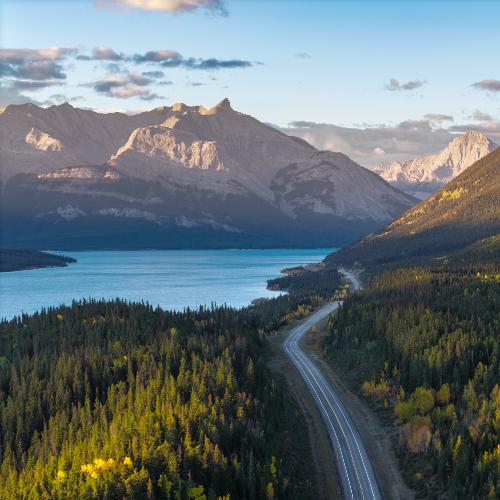
Jasper It's a land of vast expanses, wilderness, and spectacular landscapes. It's the largest national park in the Canadian Rockies, yet a much more tranquil place than its more famous neighbor, Banff. Among the top attractions are the Athabasca Glacier, Maligne Lake, and one of the world's most beautiful scenic drives, the Icefields Parkway. Every bend in the road reveals new panoramas of snow-capped peaks, turquoise lakes, and vast valleys. Jasper is also a prime spot for wildlife viewing. Encounters with moose, elk, and bears are common here. In the evenings, it's worth gazing at the sky—the park is one of the largest dark sky reserves in the world, providing exceptional stargazing conditions.
Banff National Park
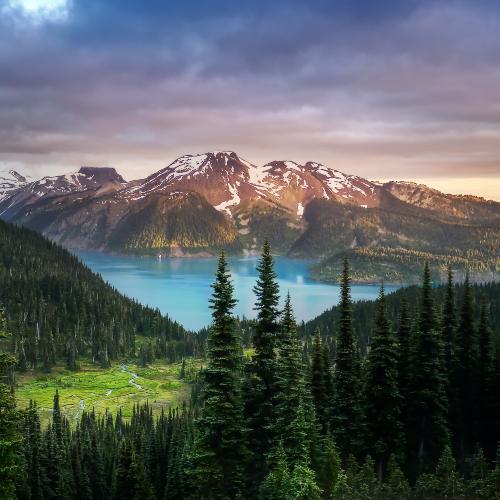
Banff For over a century, it has captivated travelers with the extraordinary beauty of the Canadian Rockies. It is here that the country's most famous lakes are located – Lake Louise and Moraine Lake – whose intense turquoise hues have become a symbol of Western Canada. The park offers hundreds of kilometers of trails leading through mountain passes, forests, and valleys. Regardless of the season, you can enjoy active recreation and admire the spectacular landscapes. Hiking and kayaking are popular in summer, while the region attracts ski enthusiasts in winter. At the heart of the park lies the charming town of Banff, filled with restaurants, galleries, and boutiques. It's the perfect place to unwind after a day spent exploring the mountains. It's no wonder that trips to Canada often revolve around this region.
Yoho National Park
Although Yoho Although it remains less well-known than Banff or Jasper, many travelers consider it one of Canada's most beautiful national parks. This place captivates with its tranquility, wildlife, and incredibly picturesque landscapes. The biggest attraction is Emerald Lake, whose emerald surface is surrounded by dense forests and towering peaks. Takakkaw Falls is equally impressive, among the highest in the country. Numerous trails lead through valleys, mountain lakes, and overlooks, allowing visitors to admire the beauty of the Rocky Mountains far from the crowds. Yoho perfectly complements visits to neighboring parks, offering a more intimate experience. It's places like these that make the memory of a trip to Canada linger long after returning home.
Holidays in Canada – practical information
Canada has repeatedly been ranked as the world's friendliest and most livable country. One of the main reasons for this is its exceptional safety, which often leads residents to leave their doors and cars unlocked. However, wildlife poses a greater threat, especially in sparsely populated areas, due to the lack of roads, the presence of predators, unexpected high waves on the Pacific coast, and the risk of hurricanes from July to November.
When planning your trip to Canada, first make a photocopy or photograph your ID documents. The official currency is the Canadian dollar (CAD), and Visa and Mastercard are common. It's best to use a foreign currency card (e.g., Revolut, Wise) during your stay, but carry some cash with you, as you'll need it in small shops, remote regions, and national parks. It's best to withdraw cash from ATMs or exchange it at banks in city centers, as exchanging money at airports and hotels can be associated with very unfavorable rates. It's worth remembering that prices displayed on shelves and menus do not include tax (ranging from 5% to 15%), which will be added at the checkout, and haggling is not common. Wi-Fi is readily available in cities, but in the countryside, internet can be unreliable. A good solution is to purchase a local SIM card upon arrival or activate an eSIM card in Poland. Canadian outlets operate at 120V, which requires you to have a type A or B adapter and check whether your devices support this range.
Most regulations in Canada are strictly enforced, something you should absolutely remember when traveling to Canada. Alcohol and smoking are strictly prohibited in public places, and carrying an open bottle is considered the same as drinking it. Food imports are subject to strict restrictions, and all food products must be declared in a customs declaration. Personal medications should be transported in their original packaging, and prescription medications must be accompanied by a doctor's note. Tap water is completely safe to drink. Respecting local culture, refer to indigenous peoples as First Nations, Native Americans, or Inuit, avoiding outdated terms like Indians or Eskimos.
To rent a car, you'll need a driver's license and a credit card in the driver's name. Driving on the right is mandatory, and the distances between attractions are vast, so always fill up your tank and download offline maps before setting off. In mountainous regions, it's crucial to lock your vehicle securely and avoid leaving food inside, which could attract bears. Road regulations are strict – the legal alcohol limit is 0,8‰, but administrative penalties apply above 0,5‰. When packing, pack loose clothes and bring back the famous maple syrup as a souvenir, remembering that the export of products from endangered species is strictly prohibited.
Canada attractions – holiday guide
Observation of the aurora borealis
Observing the Northern Lights is one of the most extraordinary experiences you can experience during your trip to Canada. This unique natural phenomenon involves the appearance of colorful waves of light in the night sky—most often green, but also purple, red, and pink. They are created by the collision of charged particles from the Sun with the Earth's atmosphere. Canada is one of the best places in the world to admire this spectacle, as a significant portion of its territory lies beneath the so-called auroral oval, where the phenomenon occurs very frequently.
The best time to observe the lights is from late autumn to early spring, when the nights are long and dark. Tours are usually conducted away from city lights, allowing even the subtle nuances of the aurora to be seen. Many tourists opt for overnight tours with a guide who helps them find the best viewing conditions and explains the scientific and cultural significance of the phenomenon. For Canada's indigenous people, the aurora has been a part of numerous legends and beliefs for centuries. The sight of the dancing lights against the starry sky remains one of the most memorable experiences of a trip to Canada. An additional attraction is the opportunity to photograph the lights, which, with the right camera settings, can produce spectacular images.
Kayaking and canoeing on lakes and rivers
Canada is the world capital of kayaking and canoeing. The country boasts over two million lakes and thousands of kilometers of rivers, making the opportunities for water-based activities virtually limitless. For centuries, canoeing has been a primary means of transportation for indigenous people and early European explorers. Today, it has become one of Canada's most iconic tourist attractions. During canoeing trips, you'll traverse tranquil lakes, crystal-clear rivers, and vast national parks. Routes are diverse—from short, several-hour trips to multi-day expeditions with overnight stays in wild camps. During these trips, you can observe beavers, moose, otters, bald eagles, and bears from a safe distance. The experience is much closer to nature than exploring by car. Canoeing doesn't require extensive experience. Many locations offer beginner courses and equipment rentals. Family canoeing trips on calm waters are also popular.
Whale watching
One of the most exciting attractions during a trip to Canada is a whale-watching cruise. Thanks to its location on three oceans and its abundance of marine life, the Canadian coast is among the best in the world for this type of activity. During these cruises, you can see numerous species of cetaceans, including humpback whales, minke whales, sperm whales, and orcas. The animals often surface very close to the boat, performing characteristic leaps above the water's surface or slapping their tails against the ocean. Guides discuss whale biology and migration, as well as efforts to protect marine ecosystems. Cruises are conducted according to strict guidelines that limit human interference with the animals. Boats maintain a safe distance, and observation times are controlled to avoid stressing the whales. Whale watching often includes the opportunity to see seals, dolphins, puffins, and bald eagles. For many travelers, this is the highlight of a Canadian vacation, as it allows you to see some of the largest animals on Earth in their natural habitat and highlights the immense wealth of Canadian wildlife.
Skiing and snowboarding
Canada is a world leader in winter tourism – its massive snowfall, long winter season, and perfectly groomed trails make it a magnet for winter sports enthusiasts. The offerings are incredibly diverse: beginners can enjoy gentle slopes and ski schools, while experienced skiers choose challenging routes, off-piste skiing, or heliskiing – helicopter transport to pristine mountain slopes covered in deep powder. Canada is renowned for its light, dry snow, which provides excellent skiing conditions. Winter sports are more than just recreation. In many regions, they constitute a significant element of the local culture and economy. Resorts offer extensive infrastructure, including equipment rentals, ski schools, restaurants, and relaxation areas. After a day on the slopes, relaxing by the fireplace or in hot pools overlooking the snow-capped mountains is a popular tradition. Skiing in Canada also offers the opportunity to admire extraordinary landscapes. Skiing surrounded by coniferous forests, high peaks, and frozen lakes combines sporting activity with close contact with nature.
Wild water fishing
Canada has long been considered a paradise for fishing enthusiasts. The vast number of lakes, rivers, and vast wilderness areas make the fishing opportunities among the best in the world. Anglers come here for both competitive fishing and for communing with nature and a break from civilization. The most popular fishing activities are pike, zander, trout, salmon, and grayling. Depending on the region, you can fish from the shore, from a boat, kayak, or participate in multi-day expeditions to remote lakes accessible only by bush plane. Such expeditions allow you to reach places virtually untouched by humans. Canadian fishing regulations place a strong emphasis on environmental protection. Many waters are governed by the "catch and release" principle, which helps maintain stable fish populations. Tourists are also required to have appropriate licenses and adhere to catch limits, ensuring that natural resources remain in pristine condition. Fishing in Canada, however, is not just about catching fish. It also includes wildlife observation, overnight stays in wooden cottages by the lake, evening bonfires, and the opportunity to completely disconnect from the daily rush. For many people, the greatest value is the silence and the feeling of being in one of the last truly wild corners of the world.
Hotels in Canada
When planning your dream trip to Canada, you'll encounter a country of unimaginable landscape and cultural diversity. This unique character of the world's second-largest country is perfectly reflected in its accommodations. From austere, resin-scented cedar huts in the heart of the Rocky Mountains, through majestic historic castles, to the ultramodern skyscrapers of bustling metropolises, Canadian hotels will tell the story of humanity's harmonious coexistence with the power of nature and technological progress.
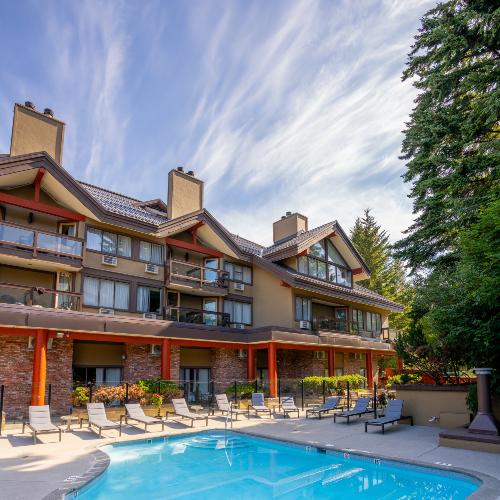
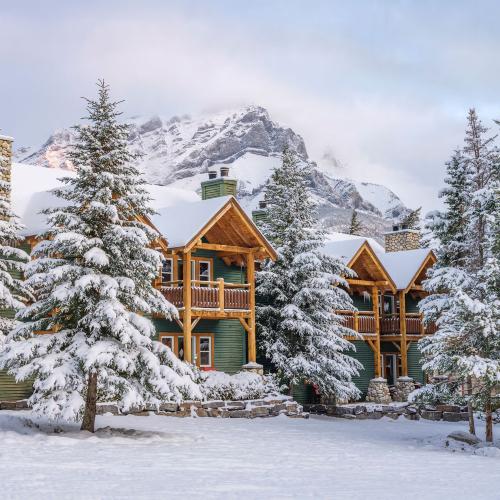
When entering Canada's national parks, you'll immediately notice a deep respect for tradition and the surrounding environment. You'll feel it perfectly in this charming complex. Alpine Village, situated in Jasper National Park, right next to the picturesque Athabasca River and the majestic Edith Cavell and Tekarra peaks. Comprising exclusive wooden villas and mountain cottages, the resort will allow you to experience wildlife while offering the utmost comfort, private terraces, cozy lounges with fireplaces, and a unique, intimate rural atmosphere. Located in the same park, you'll likely notice a three-star hotel. Chateau JasperLocated just a short walk from the town center, it will tempt you not only with its indoor pool and relaxing jacuzzi—much-needed after a day spent hiking—but also with elegant rooms equipped with fireplaces and hot tubs. And when visiting neighboring Banff National Park, you can stay at Buffalo Mountain LodgeThis unique resort, picturesquely situated on the slopes of Tunnel Mountain, charmingly combines rustic style with complete comfort, perfectly immersing you in the unique atmosphere of the Canadian wilderness.
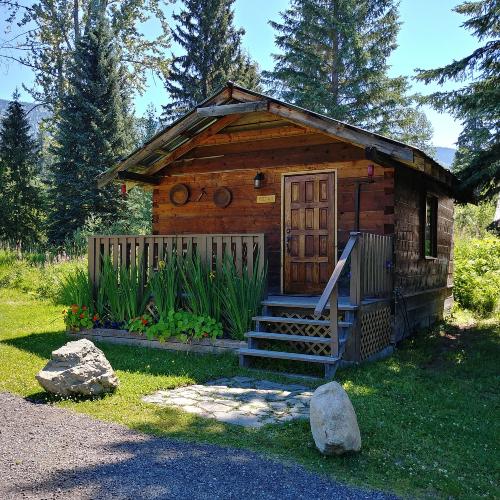
Your unforgettable road trip through Canada won't be complete without a visit to the spectacular Wells Gray Park, where you'll experience nature even more intimately. If you're looking for an authentic, rustic experience, you can choose to stay overnight at Wolfwood Guest RanchWith just four cozy cottages nestled on extensive, private grounds, this property will captivate you with its authentic Canadian countryside atmosphere, offering access to a small lake, kayaks, canoes, and charming walking trails. Right next door, at the park entrance in Clearwater, you'll find a three-star hotel. Best Western Plus Gateway to the Falls – a modern hotel offering a refreshing pool experience after a day spent admiring the wild waterfalls. As a lover of rugged Alpine beauty, you'll be delighted. Cathedral Mountain Lodge in Yoho National Park. Located in Field, this three-star property is the quintessential luxury mountain lodge, providing the perfect base from which to explore the spectacular natural beauty of the Canadian Rockies.
Canada, however, hides a pearl that will take you straight back to the times of colonial splendor and royal elegance – it Fairmont Le Chateau Frontenac in Quebec City. Towering over the Saint Lawrence River and designated a UNESCO World Heritage Site, this spectacular 19th-century castle hotel is considered the most photographed structure of its kind in the world.
You'll discover an equally fascinating side of urban hospitality in other metropolises you'll visit during your trip to Canada. Moving to the west coast, to Vancouver, you'll find a four-star hotel. Sheraton Vancouver Wall CenterThis luxury hotel, housed in two distinctive, slender towers that have become a permanent fixture in the city's skyline, offers spacious suites with oversized windows offering breathtaking views of the ocean, streets, and distant mountains. If your route takes you to Montreal, you'll be surprised by this modern, four-star hotel nestled between the historic Old Port and the bustling business district. MonvilleThis property is renowned as a pioneer of innovation – here, you'll be served by an autonomous, electronic robot as part of your room service, and on the roof, you can take part in a yoga class with panoramic views of the city. In contrast, in the same city, you'll find intimate, three-star boutique hotels hidden in historic buildings, captivating with their historic atmosphere. The final major stop on your itinerary will be Toronto, where you'll be welcomed in a prestigious district by a four-star hotel. Marriott Courtyard Downtown – a hotel offering a 24-hour fitness center and indoor pool, providing the perfect, peaceful retreat in the heart of Canada’s vibrant business capital.
Unique places in Canada
Canada is a country that's difficult to capture in a few postcard-sized shots. Although most travelers associate it primarily with the Rocky Mountains and Niagara Falls, in reality, it holds many more extraordinary places, often off the beaten track. It's the discovery of these places that makes a trip to Canada a truly unique experience—one filled with the wonder of wildlife, vast expanses, and landscapes that change with every mile traveled.
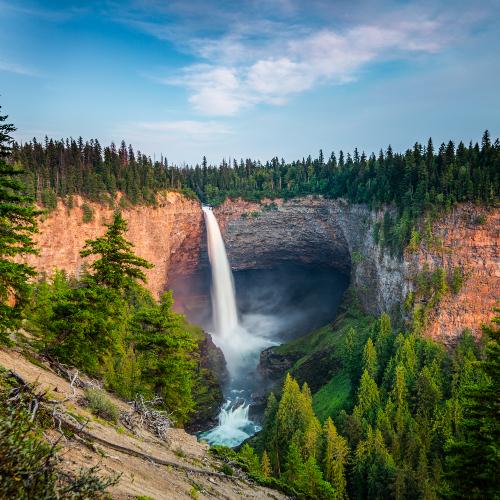
One of such places is Whistler – a world-famous mountain resort located in British Columbia. Although it attracts skiers and snowboarders from around the world in winter, in summer it transforms into a paradise for trekking, mountain biking, and kayaking enthusiasts. Picturesque trails lead through alpine meadows, lakes, and forests, and a ride on the Peak 2 Peak cable car allows you to admire the mountain panorama from a completely new perspective. Nearby is Wells Gray Provincial Park – one of Western Canada's best-kept secrets. The park is renowned for its over forty waterfalls, vast forests, and lakes, and its biggest attraction is the mighty Helmcken Falls, the second highest waterfall in British Columbia. Unlike more famous national parks, Wells Gray has retained a tranquil, almost pristine character, allowing you to truly feel close to nature.
For lovers of seaside landscapes there is Vancouver IslandThis is where dense rainforests meet the rugged Pacific coast. Around Tofino, you can whale-watch, surf the Pacific waves, or stroll along wide, nearly deserted beaches. Pacific Rim National Park Reserve delights with wooden walkways leading through ancient cedar forests and spectacular ocean views.
A real gem for those looking for less obvious destinations is Haida Gwaii – an archipelago located off the coast of British Columbia. The islands are often called "Canadian Galapagos" due to their unique natural beauty and numerous species unique to this region. It is also a place of immense cultural significance for the indigenous Haida people, whose monumental totem poles and ancient settlements allow for a better understanding of the history of this part of North America. In the north of the country, a completely different world is revealed. Nahanni National Park, a UNESCO World Heritage Site. It's a land of deep canyons, hot springs, and the mighty Virginia Falls, which are almost twice as high as Niagara Falls. Due to its remote location, the park remains one of the wildest corners of Canada and is accessible primarily by air. It's also worth visiting. Thousand Islands region on the St. Lawrence River, where hundreds of small islands with picturesque lighthouses, castles, and wooden cottages are scattered between Canada and the United States. A cruise through this archipelago reveals a completely different side of the country – peaceful, elegant, and full of charm.
For those who dream of meeting Arctic nature, it will provide unforgettable experiences. Churchill in Manitoba. In the fall, the area around the city becomes one of the best places in the world to spot polar bears, while in winter, the sky is often illuminated by the spectacular Northern Lights. In the summer, thousands of white whales come to Hudson Bay, making Churchill a true paradise for nature lovers.
It's this extraordinary diversity that makes a vacation in Canada unique for every traveler. Some choose mountain trails and glaciers, others the tranquil Pacific coast, and still others the remote Arctic or verdant rainforests.
Which region should I choose for my trip to Canada?
Canada is the world's second-largest country, so choosing the right region has a huge impact on the overall feel of your trip. Each province offers unique landscapes, cultures, and attractions, so before you set off, it's worth considering what you expect from your stay – active recreation, wildlife encounters, city tours, or discovering local history. A well-planned trip to Canada allows you to combine several regions, but even visiting just one province can still create an unforgettable adventure.
The most popular is British Columbia, located on the west coast of the country. It's the perfect choice for those who love mountains, oceans, and active recreation. Vancouver, Vancouver Island, the famous resort of Whistler, and numerous national and provincial parks are all located here. The region also offers whale and bear watching opportunities, as well as a spectacular Pacific coastline. Lovers of mountain landscapes should choose the province of AlbertaThis is where Banff and Jasper National Parks lie, famous for their turquoise lakes, majestic peaks, and some of the most beautiful scenic drives in the world. Alberta is a perfect destination for those planning trekking, road trips, and wildlife encounters.
He discovers a completely different face of the country. QuebecThis is Canada's most French province, where European architecture, centuries-old history, and exceptional culture create a unique atmosphere. Montreal and Quebec City delight with historic districts, excellent cuisine, and numerous festivals, making the region particularly appealing to history and culture enthusiasts.
Ontario This is a great choice for those who want to combine exploring modern cities with nature. Besides Toronto and Niagara Falls, the province boasts thousands of lakes, vast forests, and numerous parks, perfect for relaxing in the lap of nature. If you dream of a quieter corner of Canada, it's worth checking out Atlantic provinces – Nova Scotia, New Brunswick and Prince Edward IslandPicturesque lighthouses, rocky coastlines, small port towns, and delicious seafood create an atmosphere conducive to leisurely exploration of the region. It's also a perfect place for whale watching and learning about the country's maritime history. For those seeking true adventure, we recommend Yukon or Northwest TerritoriesIt is a land of endless tundra, aurora borealis, wild rivers, and extraordinary wildlife, where humans remain merely guests of nature.
Regardless of your chosen destination, a trip to Canada allows you to discover an incredibly diverse country. It's precisely the richness of the provinces that ensures everyone can find a destination perfectly suited to their interests – from bustling metropolises, through majestic mountains and oceans, to desolate northern landscapes that will linger in your memory for a long time.
Canada Travel Offers

Hotels in Canada





Canada – places worth seeing







When to go to Canada?
Canada is the world's second largest country and, due to its meridional extent, two climate zones pass through it: the subpolar climate zone and the temperate climate zone. The northern areas of Canada experience severe frosts, which can reach as low as -50°C, while in the south the temperatures are higher and can exceed 35°C in the summer.
Weather conditions also change with the terrain - in a large part of the Canadian mountains, snow can lie all year round, and temperatures are cool, which makes Canada a fantastic destination for winter sports enthusiasts. The closer you are to large bodies of water, the milder the climate becomes, the temperatures in winter and summer are not as severe and there is more precipitation. Canada is a year-round destination, although in the winter months you can expect negative temperatures and heavy snowfall. However, at this time of year, the frozen Niagara and snow-covered cities look beautiful! The downside is that the national parks are closed. The best time to visit the natural part of Canada is during the warm months from May to mid-October. In summer, there may be heavy storms in places. We advise against traveling in the early spring months (March - April), when the snow melts in central Canada, turning the ground into mud, making trekking and moving around the country difficult.