1 USD = INR 62,56
1 EUR = 67,09 INR
1 PLN = 16,77 INR

Practical information
Visa information and airport fees
Planet Escape is not responsible for the failure to obtain a visa for the country where the tourist event is held or for transit countries. Obtaining a visa is 100% the responsibility of the participants of the trip.
Vaccinations
Tips
Food prices
Food
In the north of India, the cuisine shaped by Islam dominates, which is why they eat little pork, but poultry is more popular. The signature dishes of this part of the country include curry. Tea is prepared in the kitchens of the North with milk and sugar. Raita, a type of sauce based on yogurt with spices and additives, is often served with main courses. Vegetarian cuisine is richest in the south, where very spicy dishes are also particularly popular, and a popular addition to them is coconut milk.
The most popular dishes in all of India include dosa (thin pancakes made of lentils and rice flour, dosa stuffed with masala dosa), gulab jamun (a type of milk-based doughnut, deep-fried and seasoned with cardamom, saffron and other spices) and samosa (triangular dumplings stuffed with vegetables, chicken or cheese). Indian sweets such as laddu, which are chickpea balls in sweet syrup with almonds or nuts, are also worthy of attention. One of the most famous drinks of Indian cuisine is lassi, made from yoghurt, water and various spices.
Interesting facts
- India is the second largest English-speaking country in the world
- India is the country with the highest abortion rate per capita in the world. It is legal, but it is illegal to reveal the gender of an unborn child to parents
- The word "shampoo" comes from Sanskrit. This product was invented in India - special herbs were used only for washing hair
- Chess comes from the ancient Indian game of chaturanga.
- Sanskrit is a vegetating language used to perform Hindu rituals.
- There are over 150 post offices in India
- India is also the country with the most mosques in the world.
- The company that employs the most workers in the world is the Indian Railways
- India is a country of superstitions. For example, one should not sweep the floor after dark.
- Freddie Mercury, born in Zanzibar (then a British colony), came from a Parsi family, i.e. followers of Zoroastrianism living in India
- The Dalai Lama, Tibet's leader in exile, lives in northern India.

Learn more about the country of India
History
Location
Culture and Religion
On the streets of India, practically every element makes tourists aware of the enormous diversity and cultural richness. Even clothing, depending on the region in which one lives, is actually a separate art. The most characteristic outfit is undoubtedly the sari, a characteristic belt worn by Indian women draped on the body in various ways, decorated equally inventively and richly.
Classical Indian music is divided primarily into two main streams: northern and southern. The first, known as Hindustani music, was popularized around the world by the famous composer and musician – Ravi Shankar, who played a characteristic instrument called sitara. The second stream, Carnatic music, is one of the oldest musical systems in the world. Another form of art that is extremely strongly developed in India is classical dance, which is divided into seven basic, completely separate styles. The expression in a given dance depends on the region in which it was created, but each style is a dance associated with religious ceremonies, unique costumes and a story told.
Hinduism is the dominant religion in India, but it is far from being completely uniform. The so-called caste system originated from Hinduism in India, which divides society into groups whose membership is inherited. The second significant religion in India is Islam.

Trip to India
Holidays in India
India is a country where every day brings new colors, scents, and sounds, creating an extraordinary cultural mosaic. From the majestic Taj Mahal to the bustling bazaars of Delhi, travelers are immersed in history and modernity simultaneously. The flavors of Indian cuisine, full of spices and aromas, linger long after their return. Encounters with hospitable locals make a trip not just a discovery of places but also of people. India tempts with its diversity, offering something for everyone—from the mountainous landscapes of the Himalayas to the golden beaches of Goa.
Why is it worth going to India?
India is an extraordinary place full of contrasts. Whatever you expect from your trip to India, we guarantee you'll find it all. Culture and heritage, UNESCO World Heritage sites, beautiful palaces, temples, and fortresses that continue to attract tourists are just the beginning of India's long list of attractions. Add to this its diverse cuisine, full of flavors and aromas, its varied and beautiful landscapes, from the Himalayan mountains to sunny beaches and tropical forests, its hospitality and friendliness towards strangers, and you'll have an intriguing and inviting whole. India is also renowned for its crafts, and many places offer the opportunity to purchase handmade textiles, jewelry, footwear, furniture, and other products. Are you ready to discover the wonders of India?
Visiting India – what is worth seeing?
A trip to India is a journey into a world where monumental buildings meet the spirituality of everyday life, and exotic landscapes delight with their diversity. One of the most important points on the sightseeing map is Agra, , home to the famous Taj Mahal – a symbol of love and a masterpiece of Mughal architecture. This marble tomb captivates with its symmetry, meticulous detail, and an atmosphere that changes with the time of day. It is most beautiful at dawn, when the rising sun gives it a warm, pink hue, making this place captivating not only tourists but also pilgrims seeking a moment of reflection. Also worth seeing is the nearby Red Fort, a massive fortress housing palaces and courtyards that testify to the empire's former might.
A completely different experience awaits in Amritsar, the spiritual center of Sikhism. Here lies the Golden Temple, whose dazzling form is reflected in the waters of the surrounding lake. This place comes alive 24 hours a day – you can hear the chanting of prayers, smell the aroma of sacrificial food prepared for pilgrims, and the atmosphere of community and peace contrasts with the bustle of Indian streets. Visiting Amritsar allows you to feel that India is not only about historical monuments but, above all, about living traditions, practiced daily by millions of believers.
Even more intense experiences await you in Varanasi , one of the oldest cities in the world. Here, on the banks of the Ganges, daily rituals of life and death take place. At dawn, people descend the stone steps—the ghat—to bathe in the holy river, while funeral ceremonies, a natural part of life for Hindus, take place nearby. In the evenings, hundreds of lanterns and the fires of the Ganga Aarti ritual illuminate the darkness, creating an atmosphere of mysticism unmatched by any other travel experience. A stroll through the streets of Varanasi is a true lesson in humility and an encounter with the spirituality that permeates every corner of India.
After such intense experiences, many travelers choose Goa – a region known for its beautiful beaches and laid-back atmosphere. It's a place where you can relax, sample fresh seafood, and enjoy the tranquility and colorful blend of cultures. Goa still bears traces of its Portuguese past in its architecture, cuisine, and customs, yet is synonymous with carefree relaxation and joy.
Kerala, known as the "land of the gods," offers a different perspective on India. Characteristic of this region are its backwaters—a network of canals, lakes, and lagoons, where you can travel in traditional houseboats. A cruise through verdant landscapes, passing fishing villages, rice paddies, and coconut palms, creates a sense of immersion in a world where time slows down and nature is omnipresent. Kerala also boasts exquisite cuisine, rich in the aromas of spices and the freshness of tropical fruits.
For mountain lovers and adventure enthusiasts, Ladakh, a region nestled high in the Himalayas, is an unforgettable destination. It's a land of rugged landscapes, rocky valleys, and blue lakes, where Buddhist monasteries perch on mountain slopes, and the silence and vastness of space create the feeling of encountering something absolute. Nubra Valley or the passes around Leh These are places that require effort, but reward with views that are hard to forget. This is a completely different India – peaceful, ascetic, and yet full of spiritual depth.
Travel to India – practical information
A vacation in India is an exciting journey, but it requires proper preparation and knowledge of a few practical rules. Above all, remember financial security – money should only be exchanged at official currency exchange offices, where exchanging dollars for rupees requires a passport and a receipt, which will be useful later at the airport. It's also worth being wary of pre-500 1000 and 2016 rupee banknotes, as they have been withdrawn from circulation. ATMs are available in larger cities and accept major payment cards, but due to frequent power outages and blackouts, it's advisable to always carry a supply of cash. When traveling, it's a good idea to use the Ola Cabs app – the local equivalent of Uber – which provides safe and monitored rides, eliminating the risk of fraud. It's best to install the app before your departure. Always carry your passport with you, preferably in a pouch under your clothing, and when purchasing a local SIM card, only use authorized locations, where a photocopy of the document will be required. It is best to choose the Airtel network because it works more efficiently than Vodafone, although when traveling between states you have to take local roaming into account.
When visiting temples and mosques, it's mandatory to remove shoes and cover shoulders and knees. Local customs should also be observed – the left hand is considered impure, so eating or touching sacred objects with it is not recommended. In the event of a sudden illness, it's worth visiting a local doctor or pharmacist, as many common infections in India are easily and quickly treated there, while medications for them may be unavailable in Poland. Technical requirements also matter: the voltage in sockets is 240V, 50Hz, and both European and British plugs are available, so an adapter may prove useful. When returning from your trip, it's worth bringing aromatic spices with you, especially saffron, curry leaves, or garam masala, as well as beautiful textiles and incense sticks, which will not only remind you of the exotic atmosphere of India but will also serve as a practical and symbolic reminder of this extraordinary journey.
Attractions in India – holiday guide
Almost every traveler dreams of visiting India. This country captivates with its rich cultures and majestic architecture, dazzling with color, hustle and bustle, and diversity. If you want to experience this during your vacation, you absolutely must go there. attractions of India worth knowing?
Culinary Heritage of India
Indian cuisine isn't just about food—it's a journey through the flavors, aromas, and history of India. It's incredibly diverse, with flavors and dishes varying from region to region, as each state has its own culinary traditions and specialties. In the north, dishes like tandoori, biryani, and various types of naan bread are prevalent; in the south, rice dishes like dosa and idli are popular, often served with spicy sauces and curries. While Goa is known for its seafood dishes, and West Bengal often features fish and rice dishes. This diversity makes a trip to India a culinary adventure. Indian cuisine is known for its use of a wide variety of herbs and spices, which give it unique flavors and aromas. There are many roots used in Indian cuisine, such as turmeric, cardamom, cinnamon, cumin, and nutmeg. These are often mixed in varying proportions, giving dishes their distinctive flavor. Indian dishes are often spicy and aromatic, attracting spicy food lovers. If you're a vegetarian or vegan, your taste buds will be delighted during your trip to India, as many places serve meatless meals, and many traditional dishes are based on vegetables and legumes. However, meat lovers will also find something to enjoy, as India serves a variety of meat dishes, such as chicken tikka masala, lamb rogan josh, and goat curry. Indian cuisine is also known for its wide variety of sweet delicacies, so those with a sweet tooth won't be disappointed. Desserts like gulab jamun (small milk balls in syrup), jalebi (twisted, fried dough in syrup), and kulfi (Indian ice cream) are very popular and are often served at celebrations and festivals.
Take advantage of Ayurvedic treatments
Why not use your vacation in India to improve your health and well-being? We invite you to discover the traditional Indian healing arts! Ayurveda is an ancient system of medicine that originates in India, with roots stretching back thousands of years. It is a comprehensive philosophy of life and health that is still widely practiced in India and is gaining increasing recognition worldwide. The word "Ayurveda" comes from Sanskrit and can be translated as "science of life" or "knowledge of longevity." This science is based on several key tenets. One is the belief that body, mind, and soul are interconnected and influence each other. Another important principle is the belief that each person is unique and has their own "dosha," or constitutional type, that influences their health and needs. In Ayurveda, there are three main doshas: Vata, Pitta, and Kapha. Ayurvedic therapies include herbal medicine, diet, yoga, meditation, massage, Ayurvedic preparations, and other methods. Treatment is tailored to the individual patient's needs, taking into account their specific dosha, health condition, and lifestyle. Ayurveda remains an important part of life in India. Many Indians incorporate Ayurvedic principles into their daily lives, from diet to body care. Indian doctors often combine traditional Ayurvedic methods with modern medicine, creating a holistic approach to healthcare. So, if you want to take care of your well-being while traveling in India, we're happy to recommend a reputable Ayurvedic center!
Jaipur
If you chose just one city to visit on your trip to India, it would be JaipurWhy? The capital of the state of Rajasthan in northwest India is one of the most fascinating and colorful cities in the country. Known as the Pink City for the vibrant colors of its historic buildings, Jaipur is brimming with history, culture, and beautiful monuments. It's a place that captivates with its charm and offers unforgettable experiences for travelers interested in Rajasthan's heritage. What can you see in Jaipur on your trip to India? Palaces, for sure! The City Palace is one of the most important. Located in the heart of the city, the massive palace complex offers stunning views, museums, gardens, and luxurious halls. Another famous palace is the Hawa Mahal (Palace of Winds), one of Jaipur's most recognizable landmarks. It features a distinctive façade with thousands of small windows, which were used for ventilation on warm days. It's a fascinating place both outside and inside, where you can learn about the history of this extraordinary palace. The city is also surrounded by impressive forts and fortresses, the most famous of which are Nahargarh Fort, on the city's western hills, offering excellent views of Jaipur and a perfect spot for sunsets, and Jaigarh Fort, famous for its impressive Jaivan cannon, believed to be the largest in the world. Jaipur is also known for its handmade items, such as jewelry, textiles, carpets, and silver jewelry.
A visit to the Johari Bazaar and Bapu Bazaar is a great opportunity to shop for souvenirs and explore local crafts. Johari Bazaar is a great place for jewelry and gemstone lovers – you can find pieces with diamonds, emeralds, rubies, sapphires, and other stones, as well as unique, handcrafted pieces. In addition to gemstones, Johari Bazaar also offers silverware such as necklaces, bracelets, earrings, and rings, with artisans often embellishing silver using various techniques to create beautiful designs. The bazaar also offers traditional clothing and textiles, as well as souvenirs such as masks, dolls, and other items reflecting Rajasthani culture. Bapu Bazaar is a great place to shop for clothing, footwear, and textiles – you'll find fashionable outfits, ethnic footwear, and much more. This bazaar also has numerous bookstores and stationery shops, making it an ideal place to buy books, notebooks, postcards and other useful items, and if you are a fan of Indian food, Bapu Bazaar offers plenty of opportunities to sample delicious street food like chaat, samosa and sweet snacks.
If you have the chance, visit Jaipur during one of the colourful festivals such as Diwali (Festival of Lights) or Holi (Festival of Colours). It is a great time to learn about the culture and traditions of this region. Diwali is one of the most important and beautiful Hindu festivals, celebrated over several days in October or November every year. It is called the Festival of Lights because of the thousands of lamps, called “diyas”, that are lit during this festival. Diyas symbolise light that conquers darkness and evil. People decorate their homes, gardens and streets with lanterns, candles and colourful lanterns, and the traditional rangoli – patterns on the ground made of rice flour or coloured powder – are also ubiquitous. Diwali has a deep symbolic meaning: it is a time when people express gratitude for the blessings and goodness they have received. The festival also carries the message of the victory of good over evil, according to Hindu mythology. Holi, also known as the Festival of Colors, is one of the most joyful and colorful Hindu festivals, celebrated at the turn of February and March each year, an opportunity for unrestrained fun, spontaneous color fights and expressions of joy. Holi is a festival that symbolizes the victory of good over evil, spring renewal and the approaching end of winter. It is also an opportunity to express unity and brotherhood, as everyone takes part in the joyful celebrations, regardless of their social status or age. One of the main elements of Holi is the color fight - people use colored powders and paints to throw them at each other. This fun with colors is a symbol of equality, as all participants are covered in colors and become one.
Alleppey
Alleppey, also known as Alappuzha, is a true gem of southern India, which you'll surely love for its unique climate and picturesque landscapes. It's here that Kerala's most famous network of canals and lagoons, known as the "backwaters," awaits you. Imagine a day spent aboard a traditional houseboat, lazily gliding through the water between green palm trees, fishing villages, and rice paddies. Around you, life moves at a leisurely pace: women wash clothes in the river, fishermen cast their nets, and children wave from the shore.
Alleppey isn't just about canals, though. The city is also famous for its beautiful, wide beaches, where you can stroll at sunset, watching the colorful boats returning from their catch. You'll also find churches and temples here, testament to the region's multicultural heritage. Be sure to try the local specialties – Kerala cuisine is renowned for its use of coconut, aromatic spices, and fresh seafood.
If you visit Alleppey in August, you'll catch one of the most spectacular events – the longboat races. This festival, filled with music, competition, and joy, offers a deeper understanding of the energy of the region's inhabitants.
Andaman Islands
Delhi., the capital of India, is a city that simultaneously overwhelms and fascinates from the very first moment. Here, modern skyscrapers stand alongside crowded bazaars, and ancient monuments recall the history of empires. Walking through Old Delhi, you'll smell the aroma of spices wafting through the narrow streets of Chandni Chowk, where the bustle of markets and the sound of horns create a unique chaos. It's here that you'll see the famous Jama Masjid mosque – one of the largest Muslim temples in India. Delhi is also home to the monumental Red Fort, former seat of the Mughals, where red sandstone walls conceal palaces, gardens, and audience halls. In New Delhi, on the other hand, the majestic India Gate, the symbolic triumphal arch, and the Rashtrapati Bhavan – the residence of the President of India – await you. The city is full of contrasts: the modern business center of Gurgaon is just a few kilometers from neighborhoods where life goes on as it did a century ago. When visiting Delhi, you can't miss Raj Ghat – the cremation site of Mahatma Gandhi, now a peaceful garden with a burning eternal flame. It's a space for reflection and tribute to one of India's greatest leaders.
Jodhpur
Kovalam, located in southern Kerala, is a place that has long attracted travelers dreaming of relaxing on paradise beaches. Here, three famous beaches await: Lighthouse, Hawa, and Samudra, which form a picturesque bay overlooking a distinctive lighthouse. It's the perfect place to stretch out on the sand, immerse yourself in the warm waters of the Indian Ocean, and forget about everyday life. However, Kovalam is also a mecca for Ayurveda, traditional Indian natural medicine. You'll find numerous centers offering massages, therapies, and cleansing programs that will help you take care of your health and regain your inner balance. It's an experience that combines relaxation with the discovery of Indian traditions.
The Kovalam area also offers plenty of opportunities for active recreation. You can try water sports like surfing and diving, or take a trip to nearby Trivandrum, the capital of Kerala, where you'll discover historic temples and museums. Evenings in Kovalam have a unique charm. A stroll along the seaside promenade, a dinner overlooking the ocean, and a taste of fresh seafood will immerse you in the exotic atmosphere.
Lakshadweep
Mumbai, formerly known as Bombay, is India's largest and most dynamic city. Here, you'll encounter an incredible contrast – luxurious skyscrapers and elegant hotels stand alongside slums, and tradition blends with modernity at every turn. The city's symbol is the Gateway of India, a monumental arch built in honor of the British monarchy, from where you can embark on a cruise to the Elephanta Islands with their rock-hewn temples. Mumbai is also the center of the Bollywood film industry. Strolling through the districts of Colaba and Bandra, you'll feel the atmosphere of a city that never sleeps. Bustling bazaars, modern shopping malls, atmospheric cafes, and clubs create a blend that captivates from the very first moment.
The city also has a more peaceful side. Dhobi Ghat, the largest open-air laundry in the world, is worth a visit, as are the temples and mosques scattered throughout the various districts. A stroll along Marine Drive at sunset will reveal the romantic side of this bustling city.
Udaipur
Udaipur, known as the "City of Lakes" or "White City," is one of the most romantic places in India. Nestled among the Aravali Hills and surrounded by lakes and palaces, it will captivate you with its atmosphere of elegance and tranquility. The focal point is Lake Pichola, whose waters shimmer with the famous Lake Palace—a former princely palace, now a luxury hotel, accessible only by boat. The sight of the palace reflecting in the water at sunset is one of the most beautiful experiences you can experience in India. In Udaipur, be sure to visit the City Palace—a vast palace complex with a labyrinth of courtyards, corridors, and ornate halls. It's a testament to the former glory of the Rajput rulers and offers stunning panoramic views of the city and lakes. Udaipur is also famous for its picturesque streets lined with handicraft shops, art galleries, and atmospheric restaurants. Walking through them, you'll feel the unique atmosphere of a city that combines tradition with romance. This place is also perfect for relaxation. A lake cruise, dinner on the terrace overlooking the water and mountains, or simply a moment of peace in the shade of the Saheliyon Ki Bari gardens – all of this will make Udaipur a unique, beautiful, and incredibly atmospheric city.
Exclusive hotels in India
History hotel industry in India is long and rich, dating back to ancient times, but its real development began during the colonial era, when the British and other Europeans began building exclusive hotels in cities like Kolkata, Mumbai, and Delhi. These hotels, such as Samode Haveli in Jaipur, which combines colonial architecture with modern luxury or a colonial gem Malabar House in Kochi or in JW Marriott in Jaipur and Delhi or Jaypee Palace Hotel in Agra offer a high level of service and all the amenities necessary for a comfortable stay.
Which region should you choose for a trip to India?
India is a vast country, so the answer to this question will depend on what you plan to do during your exotic vacation. The coasts of Goa or the Andaman Islands are best for sunbathing. If you're in the mood for mountain hiking, head to Kashmir and Ladakh. The landscapes there are sure to enchant you. In Rajasthan, you'll see majestic forts, beautiful palaces, and desert landscapes. Delhi and its surrounding areas are the most famous and popular monuments. While in India, you definitely can't miss the Taj Mahal – one of the New Seven Wonders of the World.
India Travel Offers


Hotels in India


See other countries that may interest you


When to go to India?
India has three distinct seasons: winter, summer, and the rainy season. The entire country is subject to the monsoon, which strikes at different times of the year depending on the region.
GOLDEN TRIANGLE AND RAJASTHAN
It is best to plan a trip along the Golden Triangle route between November and March. Temperatures are moderate then, relatively high during the day, but not bothersome. May and June are the hottest months of the year. During our European summer, northern India is under the influence of the monsoon, and the Rajasthan region becomes extremely hot and dry - temperatures reach 30°C, and in Delhi they even reach 45°C. This makes travel at this time extremely difficult.
KERALA - South India
South India is closest to the equator, so temperatures are high all year round and rarely fall below 22°C. The rainy season here falls between June and October, bringing heavy rainfall and dangerous cyclones. The hottest months are May and June. The calm waters of the eastern coast have pleasant temperatures all year round, never falling below 25°C.
India – travel inspirations

Forts and Palaces of Rajasthan
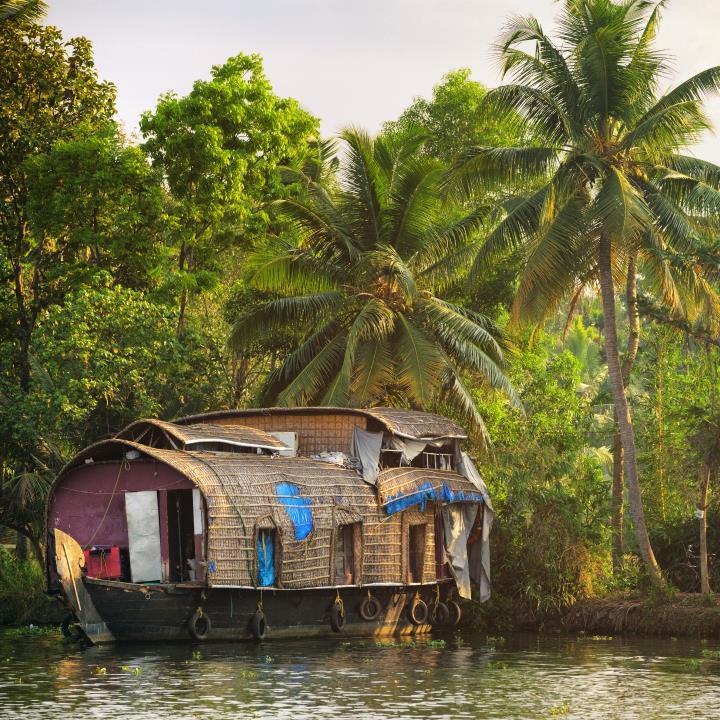
Water canals of Kerala
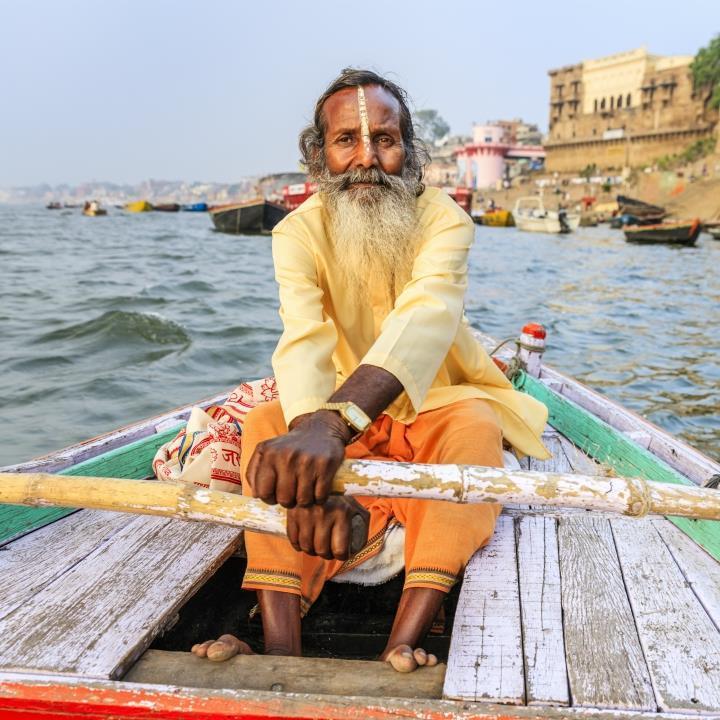
Holy Varanasi
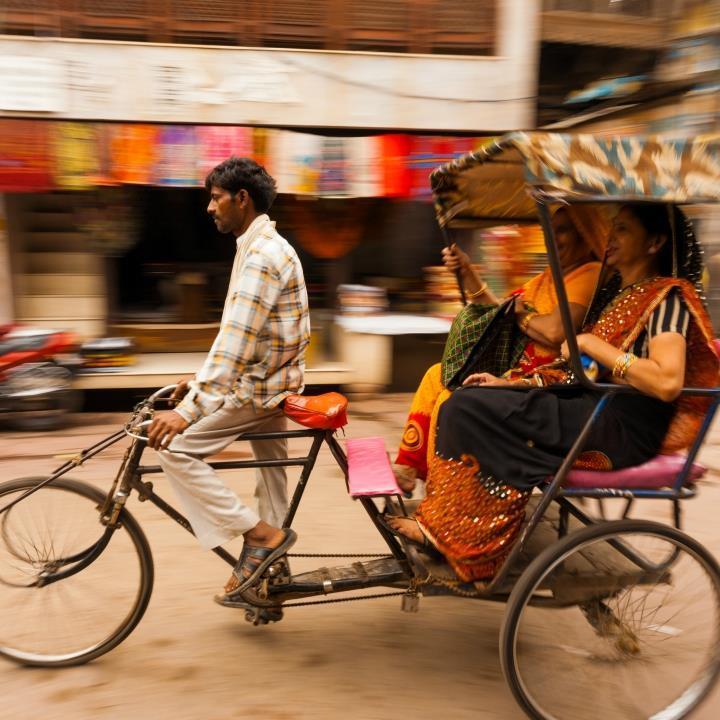
Rickshaw through Delhi