1 USD - 0,9 EUR
1 PLN - 0,23 EUR

Practical information
Visa information and airport fees
Vaccinations
Tips
Food prices
Sample prices:
A meal in a cheap restaurant – around 10 EUR
Dinner for two in a better place – around 35 EUR
Local draft beer in a restaurant – 2,5 EUR
Coffee in a restaurant – 1,5 EUR
Mineral water 1,5 l – 0,5 EUR
Beer 0,5 l – 0,8 EUR
Wine 0,7 l – 5 EUR
Oranges 1 kg – 1,3 EUR
Coca-Cola 1,25l – 1 EUR
Olive oil 1 l – 12 EUR
Iberian ham 1 kg – 40–80 EUR
Sangria 1l – 1,5 EUR
Food
Interesting facts
- Spain is one of the few countries in the world whose anthem has no words – it is just a melody. Of course, you can find a version of it that has words, but they are not approved by the authorities.
- Spanish, or rather Castilian, spoken by almost 6% of the world's population, is the second most spoken language in the world. The first is of course Chinese, while English is only in third place.
- One of the most visited monuments in Spain is the Sagrada Familia in Barcelona, which attracts an average of 4,5 million tourists each year!
- The national dance is the lively and energetic flamenco, originating from Andalusia, which has been on the UNESCO Intangible Cultural Heritage List since 2010.
- Although over 75% of the Spanish population declare themselves Catholics, the most popular religion they practice is... football! The two most popular football clubs in Spain are FC Barcelona and Real Madrid. You can tour the stadiums of these teams, which is a real attraction for local and visiting football fans.
- La Tomatina is one of the most interesting and boisterous Spanish festivals, during which people take to the streets and throw tomatoes at each other. The largest tomato fight in the world takes place at the end of August in the small town of Bunol.
- It is commonly believed that the red colour of the Spanish flag symbolises the blood of the toreador, while the yellow colour symbolises the sand in the bullfighting arena.
- The widely known Chupa Chups lollipop is a Spanish product. Its name comes from the word chupar, meaning to suck, and its characteristic logo, almost unchanged for over 50 years, was designed by Salvador Dalí himself.
- Spain has more bars, restaurants and clubs than any other European country. There are 129 of them per person!
- For one of the cheapest paintings by Pablo Picasso, or rather Pablo Diego Jose Francisco de Paula Juan Nepomuceno Maria de los Remedios Cipriano de la Santisima Trinidad Ruiz y Picasso, almost 50 million dollars was paid. The more expensive ones were sold for, a trifle, almost three times that amount.
- The name of the country Spain comes from the word Ispania, which means Rabbit Land. Where do rabbits come from? The Phoenicians, who came from Africa, saw many animals here that resembled the hyraxes they already knew, which from a distance could easily be confused with rabbits. So they gave this place the name Hi-shfanim – Hyrax Island, which was Latinized in ancient times as Hispania, which means Rabbit Land.
- Until recently, the chameleons that live here were listed as endangered. That status has now been changed to “near threatened” after it was discovered that the count had been greatly underestimated because census researchers had failed to spot most of the chameleons, so well camouflaged were they.

Learn more about the country of Spain
History
The discovery of America by Christopher Columbus began colonial expansion, and until the end of the 1898th century, Spain ruled by the Habsburgs was a political, naval and military power, a position that, however, due to constant internal conflicts and struggles for dominance with Portugal and England, became increasingly difficult to maintain over the years. However, the constant stream of money flowing from overseas colonies did not allow the country to become poorer. This situation began to change in the first half of the 1931th century, when Spain's difficult internal situation, in which the influences of liberals and absolutists clashed, made it easier for most colonies to free themselves from Spanish rule. Spain lost its last possessions in America and Asia during the war with the USA in 1936. At that time, strong separatist movements appeared, especially in the most developed regions - Catalonia and the Basque Country. The beginning of the 1939th century was a time of weak, conflict-ridden Spain, a republic since 1975, in which the rebellion of right-wing soldiers against the left-wing government in 1978 started a civil war that lasted until XNUMX. Nationalist forces emerged from the war unscathed, as a result of which until XNUMX, dictatorial rule was exercised by General F. Franco, based on the army and the Spanish Falanga, a system of control and repression, support of the Church and conservative part of society. After the dictator's death, Juan Carlos I of the Bourbon dynasty took the throne. Political life was rapidly liberalized, the constitution of XNUMX introduced a parliamentary-cabinet system of government, the right of historical regions to autonomy was recognized, Spain joined NATO and the EU.
Location
Spain has several mountain ranges, including the Pyrenees, the Castilian Mountains and the Baetic Mountains, which include the highest peak of the entire peninsula, Mulhacen (3478 m above sea level). However, it is not the highest peak in all of Spain - the one called Pico del Teide rises on Tenerife and reaches a height of 3718 m above sea level.
Spain lies in a subtropical climate zone, which is characterized by a maritime variety on the coast, while in the interior it takes on characteristics typical of a continental climate. In winter on the coast it is quite warm, while inland it is cool, from about 3°C to 10°C (in the higher mountains even -10°C), while in summer it is quite hot, around 24-30°C.
Culture and Religion
The Spanish live slowly, not in a hurry. They put off their duties "until tomorrow", always using the magic words - "manana" (tomorrow) and "tranquilo" (calmly). That is why you have to be patient when dealing with them! It is also worth being tolerant of the cleanliness of Spanish establishments, especially outside typical tourist destinations, as the amount of rubbish on the floor is an indicator of a bar's popularity - there are simply so many customers that no one bothers to clean up!
It is impossible to overestimate the contribution that Spain has made to world culture over the centuries. It is enough to mention here writers such as Cervantes, Ortega y Gasset, Garcia Lorca, Perez-Reverte, painters - e.g. El Greco, Murillo, Goya, Picasso and Dali, directors - Luis Bunuel and Pedro Almodovar. Music is also a very important element of life, including flamenco, paso doble, bolero and tango.

Trip to Spain
The most beautiful beaches in Spain
Which beaches in Spain are the most beautiful? And is it even possible to answer such a question? In a country whose coastline, including its islands, stretches for almost 5000 km, the beaches are endless, and their diversity can be surprising. Do you want to spend your luxury vacation in Spain in vibrant locations or in a secluded area, far from the hustle and bustle? Do you prefer wide stretches of sand, empty dunes, or dramatic cliffs? Thanks to this diversity, you can be sure that the beach you choose will surely meet your expectations. Whether it's the beautiful and extremely popular Playa de Lloret on the Costa Brava, the surprisingly intimate, tiny, and seagrass-covered Cala Xarraca on Ibiza, the famous sandy Es Trenc in Mallorca, ideal for families with children, the secluded and protected Playa El Canuelo on the Costa del Sol – each of them will add flavor to your exclusive trip to Spain!
Flamenco, bullfight and siesta
Just three words, yet so many emotions! The Spanish are a lively, temperamental, and unbridled nation, which is reflected in every aspect of their lives. Flamenco – sobbing guitar, deceptively slow movements that suddenly gain energy, the clatter of castanets, and the sweeping flutter of skirts… Perhaps a luxury trip to Spain will be a good excuse to try your hand at this dance, or at least attend a show? Bullfighting, on the other hand, evokes decidedly more negative associations, but the sheer number of people in the arenas doesn't give much hope that this custom will die a natural death. A completely different feeling is evoked by the siesta, an afternoon rest during which Spain seems to die down. While spending a luxurious vacation in Spain, you might not notice the downsides of this custom – it's not widely practiced in tourist destinations – but it has such a significant impact on the country's economic situation that the idea of legally banning it is increasingly being considered. But don't worry about it: a luxury holiday in Spain is a perfect opportunity to extend your siesta for the whole day!
Sangria and cava
When the sun is blazing and the temperature is scorching, what could be better than a chilled sangria—a drink made with wine and fruit? Original sangria, whose name comes from the word "sangre," meaning "blood," is a delicious, refreshing drink with almost no alcohol, which can sometimes have unforeseen consequences. When sipping sangria during a luxury trip to Spain, it's also worth remembering that only two countries in the world own the rights to produce this drink: Spain and Portugal, meaning you're in the homeland of this ambrosia! And if your exclusive Spanish vacation takes you through Catalonia, including Barcelona or the Costa Brava, be sure to try the local cava, a sparkling wine reminiscent of champagne. A champagne-style vacation, one might say!
Picasso, Gaudi and Almodovar
These names need no introduction! Born in Malaga, Picasso is much more than just a painter – he's a symbol of the avant-garde, whose art, in sometimes surprisingly diverse forms, has found its way into the public eye (remember those printed materials in Picasso?). While visiting Malaga or Barcelona during your exclusive Spanish vacation, be sure to visit the museums dedicated to the great Pablo and see the works that revolutionized 20th-century art. A luxurious trip to Barcelona is also a perfect opportunity to take a closer look at Gaudí's fairytale architecture, which – like any work transcending its time – evoked and continues to evoke strong emotions, making the Sagrada Familia, Park Guell, Casa Mila, and Casa Batlló impossible to ignore. The same applies to Almodovar's films, which you may love or hate, but it's certainly true that Spanish cinema wouldn't be what it is today without this director. If you fancy a movie during your luxurious holiday in Spain, one of Almodovar's films will undoubtedly be a good choice!
Luxury hotels in Spain
Exclusive hotels in Spain can satisfy even the most sophisticated tastes. Because the country is so diverse geographically, you will find properties tailored to the most diverse needs – hotels with pools on the beaches of the Costa del Sol and Costa Brava, boutique palaces in Barcelona or Seville or residences in the style of old plantations in Majorca or Andalusia. Regardless of whether you choose a luxury hotel in Spain for a holiday with children or a trip with friends – there is plenty to choose from! The list of options is long, but we have drawn attention to the most prestigious hotel in southern Spain, the Marbella Club, synonymous with luxury, hidden among orange groves, the rustic Agroturismo Atzaro in the heart of Ibiza, as well as the 16th and 17th century residences full of works of art, which make up the luxurious, art-filled Belmond La Residencia in Majorca.
Spain – places worth seeing
Spain is the fourth largest country in Europe, so it's no wonder that there is no shortage of places to spend a luxury holiday here, and what's more - they differ from each other so much that traveling between various regions and islands you can get the impression of moving from country to country. Do you want to discover the hot homeland of flamenco and bullfighting, with the architectural gems of Seville and Granada, to taste the life of the Spanish province, smelling of olives and oranges? We invite you on a luxury trip to Andalusia! Do you feel like sunbathing and swimming in the warm sea? Costa Brava and Costa del Sol are open to you! Are you tempted by the vibrant nightlife and dancing until the morning? Exclusive holidays in Ibiza will definitely appeal to you! Do you feel like an island holiday, but you value variety? We suggest exclusive holidays in Majorca! And finally, the pearl in the crown of Spain - a luxury trip to Barcelona, which perfectly reflects the intriguing Spanish soul!
Luxury travel deals to Spain


Luxury hotels in Spain


Spain – places worth seeing




When to go to Spain?
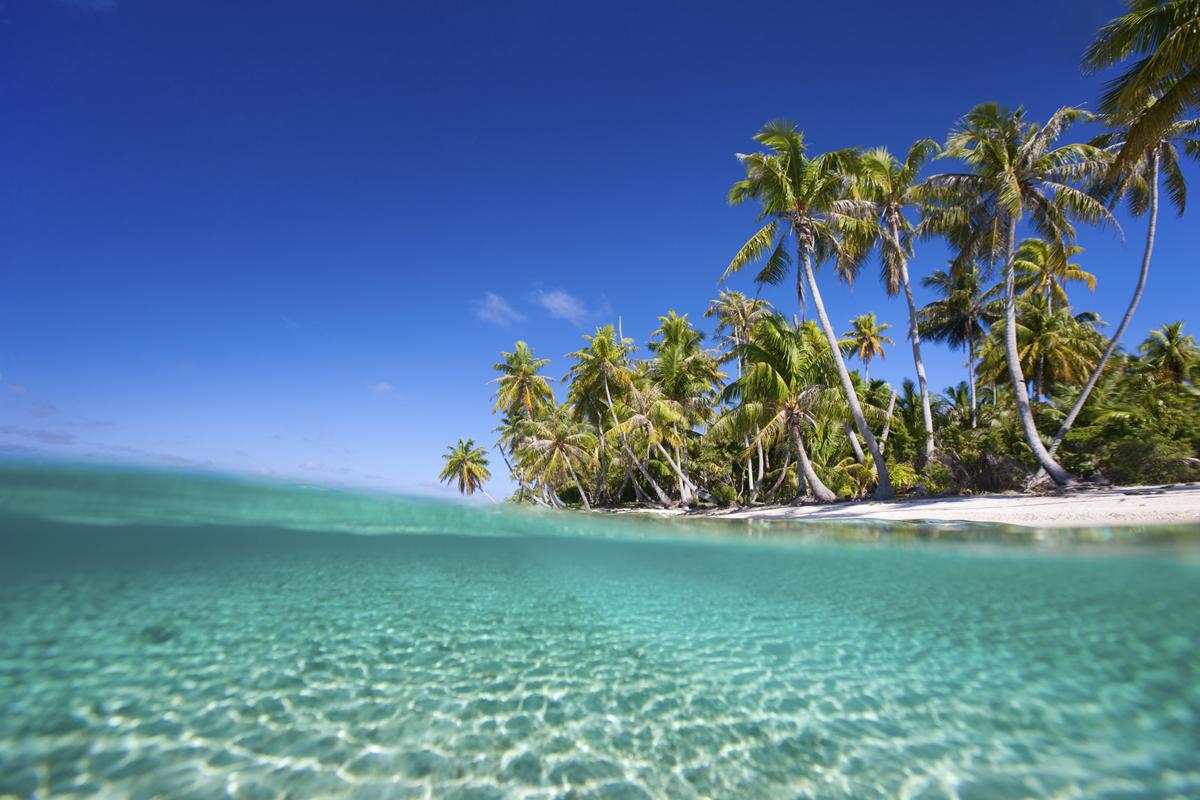
Spain is one of the warmest countries in Europe. It lies in three climate zones, but the largest area is in the Mediterranean climate zone, characterized by hot, dry summers and mild, rainy, but short winters.
The warmest months, from May to October, are the best time to relax on the beaches of mainland Spain. During this time, the temperature during the day does not drop below 24°C, and in the peak season - in June, July and August - it often rises above 30°C. There is some rain between December and February, but the temperature rarely drops below 8-10°C during the day. If you travel to Andalusia during the winter months, you need to be prepared for quite cold nights. The best months to visit Spain are March, April and May.
The weather in the Balearic and Canary Islands is good for most of the year. In addition, even in the winter months, it rains less often in the Balearic Islands than in other parts of the country.
Spain - travel inspirations

Winter in the Canary Islands, summer in the Balearic Islands

In the homeland of El Clásico

Live the fiesta

Tapas, churros and sangria