


1 USD = 10,3 BWP
1 EUR = 12 BWP
1 PLN = 2,8 BWP
The current exchange rate can be checked on the NBP website: https://nbp.pl/statystyka-i-powiedziałosc/kursy/tabela-a/

Practical information
Visa information and airport fees
If you are traveling to Botswana with a minor child, you must have the original birth certificate of the child or a notarized copy of the birth certificate, along with an English translation. If you are traveling with only one parent, you must have written consent for the other parent to travel. This letter should be translated into English and notarized.
The Travel Agency is not responsible for failure to obtain a visa for the country where the tourist event is held, or for transit countries. Obtaining a visa is 100% the responsibility of the participants of the trip.
Vaccinations
Tips
Food prices
Sample food prices:
Mineral water 0,33 l – 7 BWP
Local beer – 20 BWP
Imported beer – 25 BWP
Wine – 80 BWP
Coffee – 29 BWP
Coca-Cola 0,33 l– 11 BWP
Meal at a local restaurant – 100 BWP
Meal in a restaurant 3 courses – 400 BWP
Food
The basis of the diet and the main ingredient of most dishes is sorghum and its various varieties and corn-based products. The national dish is seswaa, a stew of boiled meat, cornmeal and greens. Popular additions are various types of meat and vegetable sauces with intriguing names, such as morogo or leputshe. Pathata, a pastry similar to muffins, is often served for breakfast, as well as fried dough balls with different flavors, depending on the spices added.
A well-known local delicacy and popular snack is the small mopane worms, fried in small portions and served with spices, which are an excellent source of protein. They are also now served as a tourist attraction.
The diet of the San people of the Kalahari includes a variety of beans and edible legumes, wild berries and plums, cucumbers, mushrooms – known as "Kalahari truffles" – and honey, as well as desert fruits and tubers rich in water.
It is worth trying local drinks: light beers, often made from sorghum, are particularly popular, and alcohols are also produced from marula fruit. Refreshing drinks are often made from sorghum or flour, and you can also find a variety of sour milk and traditional tribal teas Mosukujane and Lengane, which the locals believe have health properties.
Interesting facts
- The country's name means "Land of the Tswana" and refers to the dominant ethnic group.
- About 80% of the country is covered by the Kalahari Desert, which means "place without water." This desert is home to a variety of animals, from meerkats, flamingos and leopards to African wild dogs.
- Almost 40% of Botswana's territory is covered by national parks, reserves and nature conservation areas.
- Botswana boasts the world's largest population of African elephants, with the largest numbers found in Chobe National Park.
- Makgadikgadi Pan is one of the largest salt deserts in the world.
- Botswana is one of the world's largest diamond producers. A few years ago, the second-largest pure-water diamond was discovered here – the biggest find in over a century.
- The education of every child up to the age of 13 is financed from the income generated from the sale of diamonds.
- The country has been one of the fastest growing African countries in the last decade.
- Originating from the Kalahari regions, the San people are considered one of the oldest races in the world.
- Considering the number of inhabitants and the country's area, Botswana is one of the most sparsely populated countries in the world.
- Foreign tourists are sometimes referred to as "lekgoa", which literally means "spit out by the sea".
- The current president, Ian Khama, is the son of Botswana's first post-independence president, Sir Seretse Khama, and British Ruth Williams. His parents were treated as outcasts in England because of their then highly controversial interracial marriage. The story of their extraordinary love, which endured despite all odds, became the basis for the film "A United Kingdom."
- Botswana holds many world records, including the world's largest salt flats, the world's largest inland delta and the shortest national border – 700 metres, between Botswana and Zambia.
- The country boasts the longest-running multi-party democracy in Africa and low corruption.
- Literally translated, the name of the Botswanan currency, pula, means rain – precious in arid areas, associated with a blessing.

Learn more about Botswana
History
European colonizers and settlers, who appeared in Africa as early as the 40th century, gradually increased their economic and political activity in the region, established new trade routes, took part in missionary expeditions and settled ever further inland. As a result of tribal warfare and British military intervention, from the mid-30th century the country came under British rule and zones of settlement for white and indigenous people were designated. Part of the power was transferred to indigenous chiefs, but supervision over the colony was retained, which was to support economic activities in the region with cheap labor. In the 1966s, liberation movements intensified, which led to the formation of the first political parties and then to the first democratic elections. The most important date in the history of the country is September XNUMX, XNUMX, when the Independent Republic of Botswana was established, led by Seretse Khama. For many years he governed Botswana, establishing economic cooperation with other countries in the region and maintaining good relations with its former colonizers.
The country's recent history is one of dynamic economic and social development, and the huge revenues gained from the diamond mining industry are very well used to raise the standard of living, education and healthcare of the inhabitants, and to modernize the infrastructure. Botswana is one of the richest and most economically stable countries in Africa.
Location
Most of the country is located in the Kalahari Desert Valley. Characteristic sand dunes can only be observed in the southwestern part, the rest of the areas are rugged, endless areas. In contrast, in the north you will come across a green, water paradise created by the Okavango River floodplain. Abundant water resources make the northern part of Botswana home to numerous species of animals - over 400 species of birds live here, as well as countless mammals and other animals characteristic of the continent. Safari enthusiasts can see the Big Five of Africa and many other, often endangered species. It is worth preparing your cameras to capture the natural life of African elephants, lions, buffalo, hippos, rhinos, antelopes, giraffes, crocodiles, cheetahs and leopards.
Culture and Religion
People are open, sociable and polite, crowded and noisy houses are also a place of rest and peaceful existence. Greetings and forms of courtesy play a very important role in everyday etiquette, but in recent years changes in the lifestyle of residents can be observed more and more often. Modern trends from Western countries, the development of tourism and the world of new technologies make young people want to break away from the traditional lifestyle.
Christianity arrived here in the 30th century as a result of missionaries, but only XNUMX% of the inhabitants identify as believers. Local beliefs with indigenous roots remain the dominant religion. Spiritualism and spiritual aspects of life are very important in the daily lives of Botswanans. Traditional thanksgiving ceremonies for a successful hunt or rain were combined with dance and music played on simple drums, stringed instruments or idiophones.

Trip to Botswana
Holidays in Botswana
Imagine vast spaces where nature rules by its own rules and man is just a guest. This is exactly what Botswana is like – wild, untamed and full of life. This is one of the few places in the world where you can feel true harmony with nature, observing animals in their natural habitat. During your trip to Botswana, you will have an unforgettable encounter with African fauna. Herds of elephants slowly crossing the savannah, lions resting in the shade of trees, hippos emerging from rivers right next to your boat – here nature reveals its most spectacular face. You can hear the roar of a lion at dawn, the chirping of exotic birds at sunset and the rustle of grass moving in the wind. In Botswana, the landscapes change like in a kaleidoscope – from flooded areas, through endless plains, to dry desert areas. This is a place where every moment becomes part of a great spectacle of nature that captivates and delights. Prepare for an extraordinary journey in which nature will play a leading role.
Why is it worth going on holiday to Botswana?
If you dream of a true African adventure, Botswana is the destination that will fulfill your wildest expectations. This extraordinary country in the heart of southern Africa delights with its untouched nature, spectacular landscapes and a wealth of wildlife. It is here, in one of the best safari destinations in the world, that you can see elephants in the Okavango Delta, lions on the endless plains of Chobe National Park and cheetahs roaming the Kalahari Desert. However, Botswana is not just about safari – it is also an encounter with the culture of indigenous peoples, unforgettable overnight stays under the African sky and a sense of true freedom. This country is famous for its exclusive tourism, which means fewer crowds and more intimate experiences. Regardless of whether you choose luxury safari camps or a self-drive expedition, one thing is for sure – Botswana will leave indelible memories in your hearts.
Visiting Botswana – what is worth seeing?
Botswana is a country that combines wild nature, unspoiled nature and diverse landscapes. Although it is famous for places like the Okavango Delta and Chobe National Park, it also offers many other wonderful attractions worth exploring. When setting out to explore Botswana, it is worth delving into places where you can have unique experiences and see unforgettable views.
One such place is the Kalahari Desert, which covers a large part of the country. Although at first glance it may seem inhospitable, it is there that you will find extraordinary life. It is one of the most fascinating ecosystems in the world, where you can meet rare species of animals such as cheetahs, antelopes and wild dogs. The desert also offers the opportunity to visit traditional villages of the Bushmen, who have lived in harmony with this harsh environment for centuries. In the Kalahari you will also find the famous Makgadikgadi Pans - huge salt flats that were once part of a prehistoric lake. Today, it is one of the most unique places on earth, ideal for observing wildlife and, during the rainy season, also for admiring spectacular migrations.
Another fascinating region is the Tuli Block, located in the eastern part of Botswana. This is a place where nature meets history, offering amazing views, wildlife and unique rock formations. Tuli Block is also one of the best safari destinations and a great place to relax away from the crowds. Elephants, zebras, antelopes and rare bird species can often be seen in this region.
Botswana is also a country with a rich cultural tradition. It is worth visiting Gaborone, the capital of the country, which, although relatively small, is full of interesting museums and art galleries, as well as local markets where you can buy handmade products, jewelry or fabrics. Gaborone is close to the Mokolodi Nature Reserve, where you can admire wild animals and get closer to African fauna in a less touristy, intimate edition.
Another unique attraction is Tsodilo Hills, known as the “African Louvre.” This is a place that hides 4500 years of history, expressed through hundreds of prehistoric rock paintings created by indigenous people. Tsodilo Hills, a UNESCO World Heritage Site, is also a place full of legends and mysteries that continues to fascinate archaeologists and travelers.
Holidays in Botswana - practical information
When planning your holiday in Botswana, it is worth paying attention to a few practical issues that will make your trip easier and allow you to fully enjoy this unique country. First, make sure that your passport is valid for at least six months from your planned return date. Citizens of many countries, including Poland, can enter Botswana without a visa for tourist stays of up to 90 days, but for longer stays, a visa is required and can be obtained at the consulate or online. The currency in Botswana is the Botswana Pula (BWP). Money is best exchanged at banks, currency exchange offices or at the airport, although rates may vary. Credit cards are accepted in hotels, larger restaurants and shops, but in smaller places, especially in the countryside, it is worth having cash. You will often encounter situations where small payments are only accepted in cash. Tipping in Botswana is not mandatory, but is appreciated. Typically, 10% of the bill is left in restaurants, and small tips for porters or drivers can be around 10-20 pula. Health-wise, vaccinations against hepatitis A and B, tetanus and typhoid are recommended. It is also worth remembering that tap water in Botswana is not safe to drink, so it is always a good idea to have a supply of bottled water. In Botswana, plugs of type M and N (three round pins) are used, so an adapter will be needed. The voltage in the sockets is 230V, which is in line with European standards.
Botswana attractions – holiday guide
Discover the Okavango Delta on a boat safari
A boat safari in the Okavango Delta, one of the largest swamps in the world, located in the northern part of Botswana, is a fascinating and unforgettable experience for nature lovers and travelers. One of the most exciting ways to discover this beautiful Delta is by boat safari, offering unique attractions and experiences. The main attraction is of course the Delta itself, where the Okavango River spreads over an area the size of Switzerland, creating a maze of water channels and islands. A big attraction of a boat safari in the Okavango Delta is the way of getting around - mokoro boats, canoes, pushed with wooden poles by local guides. This traditional way of getting around the Delta allows access to places that cannot be reached by larger boats. During such a trip, you can feel like a traveler from ancient times and experience true peace and harmony with nature.
This extraordinary network of waters is home to numerous species of animals and birds and provides an abundance of vegetation. One of the most famous attractions is the majestic African elephants that can be seen crossing the river routes, while the Delta is also home to hippos, Nile crocodiles and various species of antelope. However, one of the highlights of a boat safari in the Okavango Delta is birdwatching. It is a real paradise for birdwatchers, as over 400 species of birds live here: you can see colourful parrots, eagles, storks and representatives of many other exotic genera. The sight of large flocks of flamingos that gather on the banks of the reservoirs is particularly impressive.
Another unique experience that you can have in the Okavango Delta is the night game drive, which allows you to discover a completely different aspect of wildlife. With the help of spotlights, you can spot nocturnal predators such as lions and hyenas on their nightly hunts. This is a truly thrilling experience that gives you an insight into the mysterious world of Africa’s nocturnal wildlife and an unforgettable highlight of your Botswana trip.
Chobe National Park – meeting the giants of Africa
Chobe National Park, located in northern Botswana, is home to one of the largest concentrations of African elephants on the continent. With an estimated 120 animals, it is one of the best places to spot elephants in the world. So if you want to be sure to see these majestic animals during your trip to Botswana, take a safari to Chobe. The park offers a variety of routes that allow you to get up close and personal with these giants and admire them in their natural habitat. The safaris are led by experienced guides who have extensive knowledge of elephant behavior and life, making for a unique and educational experience.
When should you go on a Botswana holiday to have the best chance of seeing these creatures? The best time to see elephants in Chobe National Park is during the dry season, which falls between May and October, when the elephants typically come close to the Chobe River to find water and food. Another incredible experience is to watch elephants from a boat on the Chobe River. This form of safari allows you to admire the elephants as they come close to the river to drink and cool off. You can also see a variety of other wildlife from the boat, such as hippos, crocodiles, buffalo and waterfowl.
Hotels in Botswana
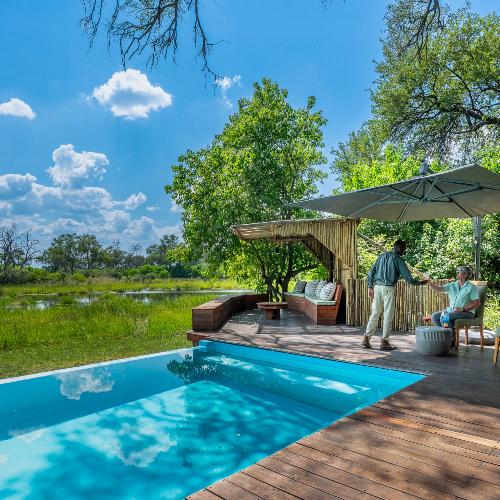
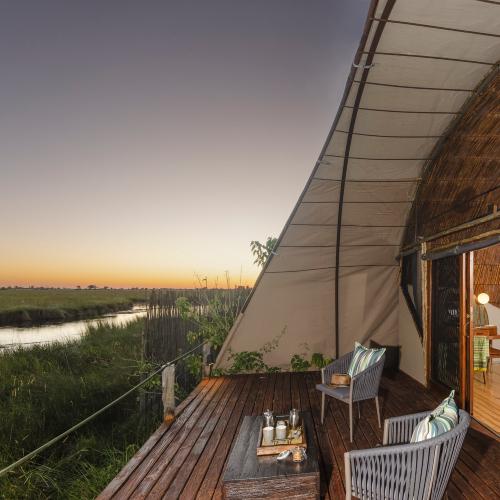
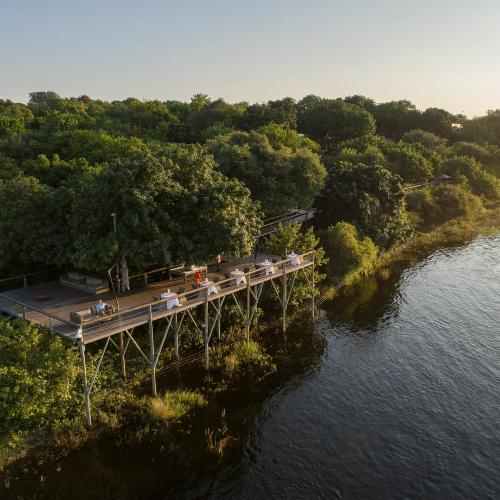
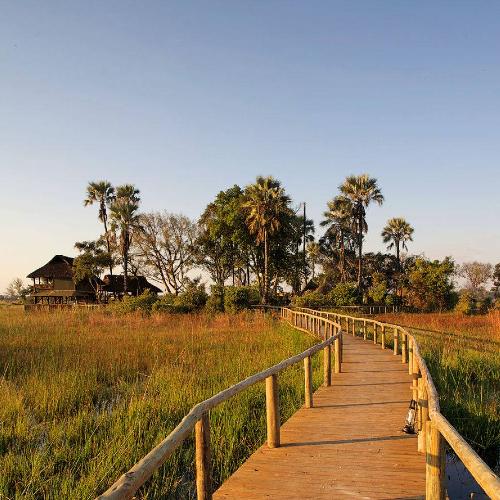
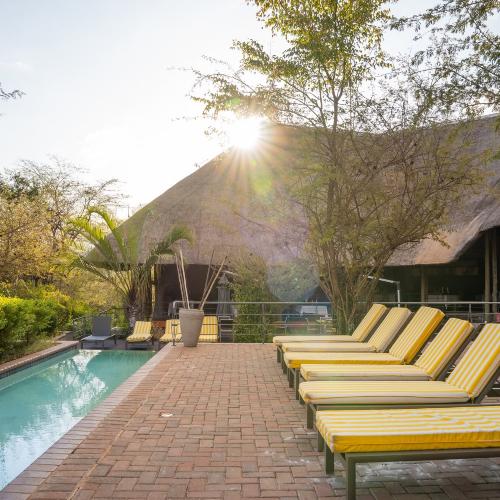
Botswana offers not only a wealth of wildlife and a unique ecosystem, but also a variety of accommodation options – luxury hotels and camps – allowing for complete immersion in the beauty of Africa's natural beauty. On one hand, there's the comfortable, African-style Chobe Bush Lodge, located near Chobe National Park, where guests can admire spectacular sunsets over the river and spot wildlife, while also enjoying amenities like a swimming pool and a restaurant serving delicious cuisine, allowing you to relax after a day on safari. On the other hand, Camp Gunn's offers guests a true adventure and close contact with nature, unlike a luxury hotel. This small and intimate camp offers an authentic safari camp experience. At Camp Gunn's, guests sleep in tents, which are comfortably furnished and equipped with all the necessary amenities, such as private bathrooms and comfortable beds. This allows for a close connection with nature without sacrificing comfort.
Both Chobe Bush Lodge and Camp Gunn's offer unforgettable Botswana travel experiences, albeit in completely different ways. Chobe Bush Lodge is for those seeking comfort, elegance, and luxury in a beautiful natural setting, while Camp Gunn's is for those dreaming of an authentic safari experience. Both locations are excellent examples of how Botswana combines luxury and adventure, creating unforgettable experiences for travelers.
Botswana – places worth seeing
What to visit, what places to see during your trip to Botswana, so that your African vacation is as complete as possible? This extraordinary country in many ways offers both a phenomenal safari and the opportunity to explore the culture and traditions of the indigenous people. This is a place where wildlife and man coexist in harmony, creating a true gem of Wild Africa, which is definitely worth a visit.
One of Botswana’s most important treasures, and one of the largest swamps in the world, is the Okavango Delta. This unique place where the Okavango River spills out, creating a home for a wealth of wildlife, including elephants, lions, leopards, crocodiles, hippos and over 400 species of birds. Chobe National Park is a paradise for safari lovers, where you can see huge herds of African elephants, buffalo, lions, leopards and many other wild animals. It is also one of the best places in the world for bird watching. Drive-by safaris and boat cruises on the Chobe River are great ways to discover this wildlife. Another place worth visiting is the Makgadikgadi salt flats, one of the most surreal places in Botswana, a vast desert area where you can see flamingos and other water birds. But it’s not just the birds that attract travellers here – night-time expeditions to meet meerkats, small mammals with unique behaviour, are also famous. Finally, the Kalahari Reserve is another great place for nature lovers, a desert area where you can meet meerkats, cheetahs, wolves and giraffes. The reserve also offers the opportunity to stay overnight in traditional huts and learn about the life of the San people – you can learn about their customs, including body painting and traditional food gathering, which gives you an opportunity to understand the cultural diversity of the country. And when flying in or out of Botswana, you can spend a day in Gaborone, the capital, where you can see the modern face of the country – the city offers numerous museums, art galleries, restaurants and shops. The National Museum and Art Gallery is worth a visit, which houses valuable exhibits from the history and culture of Botswana.
Which region to choose for traveling to Botswana?
Botswana is a country that offers endless opportunities for travelers looking to explore the wildlife, magnificent landscapes and culture of Africa. If you are planning a trip to this fascinating place, the region you choose will depend on what you are looking for in your adventure. Below are some less obvious but equally magical places to consider than Chobe National Park or the Okavango Delta.
One such region is Ghanzi in western Botswana, where you will find beautiful landscapes, a quiet atmosphere and close encounters with wildlife. Ghanzi is located in the heart of the Kalahari and is known for the opportunity to meet the traditional Bushmen who have inhabited the area for centuries. It is also a great place to explore the desert areas where you can admire unique ecosystems, as well as to go hiking or horse riding. The region is known for its unique fauna, including wild animals such as gazelles, antelopes and cheetahs. Another region worth considering is the Okavango Panhandle. This is a narrow strip of water that runs along the border between Botswana and Angola, part of the Okavango Delta. Although it is not as popular as the central part of the delta, it offers great water safari experiences. You can take a ride on a traditional mokoro boat while admiring lush vegetation, tropical birds and exotic animals. This is the perfect place for those looking for a quieter version of a safari, away from the crowds.
Kgalagadi Transfrontier Park, located on the southwestern border of Botswana, is one of the most scenic places in the country. Although it may not be as well-known as other national parks, you can experience a safari here, which is especially amazing for wild cat lovers. Here you can see lions, cheetahs, and even rare wild dogs. The park is one of the best places in Africa to observe wildlife in its natural habitat, especially during the dry season when animals gather around water sources.
Botswana has a lot to offer, and the choice of region depends on what kind of adventure you want to experience. If you dream of close contact with wildlife, immersion in African tradition or discovering unique landscapes, Botswana will certainly meet your expectations. Each region has its own charm, and a trip through this country is a journey full of unforgettable experiences.
Botswana Travel Deals
Hotels in Botswana
Botswana – places worth seeing


When to go to Botswana?
There are two seasons, dry and rainy. The summer season starts in November and ends in March, bringing high temperatures and heavy rains. Although there are fewer tourists then, when planning a trip to Botswana during this period, remember that due to the rainfall, communication may be difficult and it is harder to see animals. The winter season starts in May and ends in August. This is also the time of the dry season. Winter days are always sunny and rather warm, but in some places, especially in the southwest, temperatures can drop even below 0°C in the evening and at night.
The best months for tourists are from May to October, both in terms of weather and animal encounters. This is the time when wildlife gathers around rivers and backwaters, where it is most visible.
Botswana – travel inspirations


