1 BTN – 1 INR
1 USD – 82 INR
1 EUR – 89 INR
1 PLN – 19 INR
The current exchange rate can be checked on the NBP website: https://nbp.pl/statystyka-i-powiedziałosc/kursy/tabela-a/

Practical information
Visa information and airport fees
Vaccinations
Tips
Food prices
Sample prices:
Mineral water: 30 BTN
Local beer in a can: 70 BTN
Fresh fruit/fresh juice: 80 BTN
Coffee in a cafe: 120 BTN
Food
Interesting facts
- The country's name translates to "Kingdom of the Thunder Dragon," which comes from the fact that the Bhutanese Himalayas are often hit by storms.
- Smoking is illegal in Bhutan, and the sale of tobacco is also prohibited. Furthermore, since 1999, the use of plastic bags has been prohibited in the country.
- The streets of Bhutan's capital, Thimphu, have yet to be equipped with traffic lights, making it the only capital in the world without them. Instead, police officers direct traffic from special, ornate booths.
- The first tourist appeared on Bhutanese soil only in 1974.
- The most popular sports in Bhutan include… archery and darts.
- In Bhutan, not only polygamy but also polyandry, also known as polyandry, is legal. However, it should be noted that neither is generally practiced.
- The national animal of Bhutan is the takin, which somewhat resembles a musk ox and comes from the bovid family.
- Religious freedom was officially introduced in Bhutan only in 2008. Previously, only Buddhism was considered the official, legally permitted religion.
- Bhutanese commonly consume tea (the most popular drink here) in the Tibetan way… with butter and salt.
- The Kingdom of Bhutan has about as many people as San Francisco, California alone.

Learn more about Bhutan
History
The British attacked Bhutan twice, in 1772 and 1864. In 1865, a peace treaty was signed, during which Bhutan ceded some of its southern territories to Great Britain, which was to pay Bhutan annual compensation from then on. A significant date in the kingdom's history is December 17, 1907, when an assembly of representatives of Buddhist monks, officials, and the population elected the first hereditary king. The British supported Ugyen Wangchuk, thus ending the system of dual rule. As early as 1910, the ruler allied with Great Britain, agreeing to place the country under a foreign protectorate on the condition that the annual compensation be doubled. In 1949, a friendship treaty was signed between Bhutan and the now independent India. The treaty guaranteed the Kingdom of Bhutan the recovery of territories formerly occupied by Great Britain. India also committed to managing Bhutan's foreign policy and providing economic assistance. Bhutan was admitted to the UN in 1971, thanks to the efforts of its third king, Jigme Dorji Wangchuck. In the 90s, the country's stable situation was shaken by discontent among the Nepalese minority. Riots broke out in the kingdom's capital, Thimphu, resulting in several hundred deaths. Many Nepalese were forced to flee the country. The last significant date in the country's history was July 18, 2008, when the King of Bhutan signed the first constitution, previously adopted by Parliament. The political system adopted in Bhutan is a hereditary constitutional monarchy, with the King as head of state.
Location
Culture and Religion
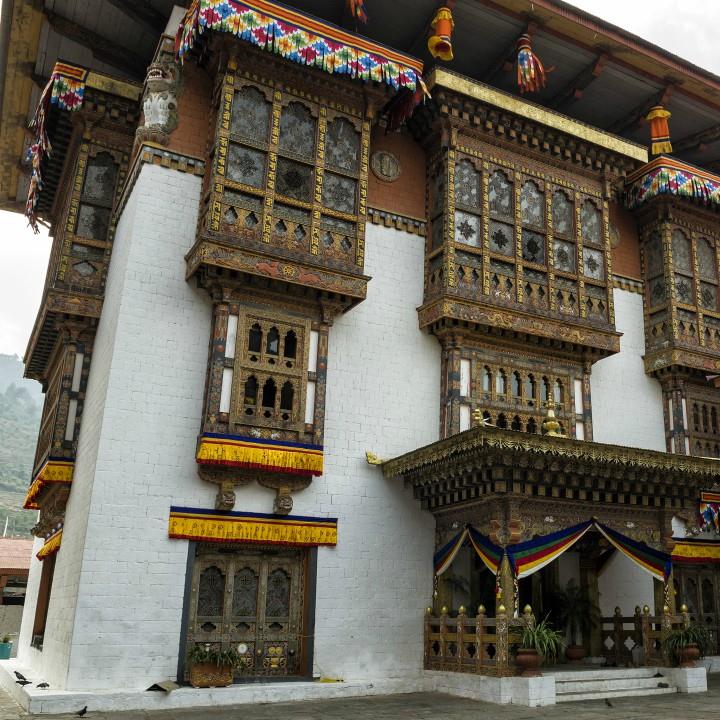
Thanks to its geographic, political, and economic isolation, Bhutanese culture has not been dominated by foreign influences. Bhutanese culture is the result of the interpenetration of the ancient Bon tradition and Buddhism. Architecturally, the Bhutanese are particularly proud of their numerous monasteries, erected in inaccessible locations. These are known as dzongs, Buddhist fortress-monasteries typical of Himalayan kingdoms. Among the sports most frequently practiced by the Bhutanese is archery, a veritable national sport, and extremely popular here.
The dominant religion in Bhutan is Buddhism, which is practiced by about 70% of the population. About 20% of the citizens declare their religious affiliation to Hinduism. The remaining residents practice varieties of tribal religions, Protestantism and Islam, but these are beliefs that are in a clear minority in terms of the number of adherents.

Trip to Bhutan
Holidays in Bhutan
Imagine a place where the concept of time loses its meaning, a nation's success is measured by the Gross National Happiness (GNP), and the majestic, snow-capped peaks of the Himalayas guard the secrets of ancient monasteries perched on sheer cliffs. Welcome to Bhutan – the legendary Kingdom of the Thundering Dragon, completely cut off from the rest of the world for centuries, now opening its doors to a select few travelers seeking authenticity. This isn't just an ordinary vacation – it's a profound, mystical journey into a reality where Buddhist tradition harmoniously coexists with pristine, unspoiled nature. If you dream of escaping the hustle and bustle of mass tourism and the chaos of the modern world, a trip to Bhutan will be the perfect choice. You'll feel a profound sense of peace as you stroll through monumental fortresses. jong, listening to the flutter of prayer flags in the wind and inhaling the scent of burning incense in the Paro Valley. Bhutan consciously protects its heritage, allowing only a limited number of visitors. Discover a land where the smiles of its inhabitants are its most valuable currency, and experience an adventure that will change your perspective on the world!
Why is it worth going on holiday to Bhutan?
While global tourism suffers from the repetitive nature of travel, the Kingdom of Bhutan remains one of the last true enclaves of authenticity on the planet. There are many reasons to invest in a trip to this Himalayan nation, but the most important lie deep within its people's philosophy of life and their uncompromising preservation of their heritage.
First of all, Bhutan is the only country in the world that is carbon negativeThis means it absorbs more greenhouse gases than it produces. The country's constitution mandates that at least 60% of the country's land area remain forested forever. For travelers, this means a unique opportunity to breathe the cleanest air on Earth and experience pristine, untouched nature – from the subtropical forests in the south to the alpine meadows at the foot of untouched, sacred seven-thousanders like Gangkhar Puensum. Another reason is the extraordinary architecture and aesthetics, untainted by modern, gray concrete. Bhutan has strict building codes, requiring that even newly constructed buildings, gas stations, and hotels be constructed in the traditional style – with ornate wooden cornices and characteristic windows. Walking through the capital, Thimphu, you'll get the impression that time has stood still. Interestingly, this is the only capital in the world without a single traffic light: the traffic at the main intersection is still directed by a white-masked policeman making almost dance-like movements with his hands.
Bhutan is also worth visiting for its unique sporting and cultural traditions. The national sport here is archery (datse), but played in a way not seen anywhere else. Competitors shoot at small targets 145 meters away, and each successful shot is accompanied by traditional, joyful dancing and singing by the team. Additionally, it's one of the few places where residents proudly wear their national costumes every day – men wear elegant robes. hoand women wear colorful dresses kiraBy choosing this destination, you are buying a ticket to a living museum!
Visiting Bhutan – what is worth seeing?
Tiger's Nest (Paro Taktsang)
Tiger's Nest is undoubtedly the cultural and spiritual heart of the kingdom, a must-see on any ambitious trip to Bhutan. Perched almost vertically on a granite rock 900 meters above the floor of the Paro Valley, this legendary monastery complex is a true mecca for adventurers, photographers, and those seeking inner peace. Here, during your Bhutan vacation, you can embark on a brisk trek through fragrant pine forests, where thousands of colorful prayer flags will flutter overhead. Paro Taktsang is renowned for its breathtaking location, mystical meditation caves, and the legend of Guru Rinpoche, who is believed to have flown here on the back of a tigress. One of the most famous attractions along the trail is the viewpoint, from where the monastery's mossy roofs stand out most spectacularly against the cloud cover. By choosing this unique place for your holiday in Bhutan, you gain access to the most sacred sanctuary in the country, which teaches humility and allows you to touch the true magic of the Himalayas.
Punakha Dzong
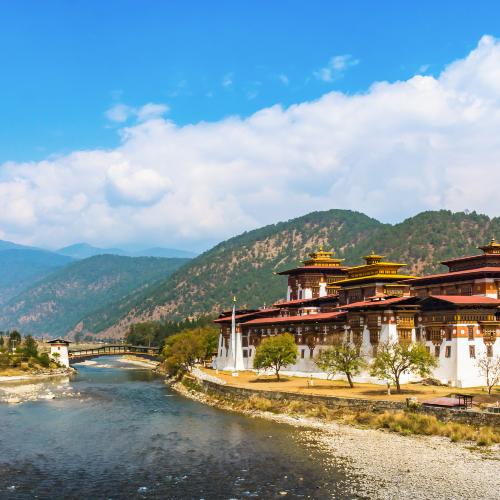
For many, a trip to Bhutan wouldn't be complete without a visit to the majestic Punakha Dzong. This monumental, 17th-century fortress rises at the confluence of two rivers—the capricious Pho Chhu (Male River) and the gentle Mo Chhu (Female River)—and offers one of the most scenic experiences in the country. Considered the most beautiful palace-fortress in Bhutan, it represents an absolute masterpiece of traditional Himalayan engineering and architecture, without a single nail. Your journey begins by crossing an intricately decorated wooden drawbridge, and within the courtyards, you'll admire a gigantic bodhi tree and intricate, multicolored carvings and murals. In spring, the dzong's surroundings transform into a fairytale landscape with purple-blossoming jacaranda trees. This is an ideal place for history and photography enthusiasts who, during their holiday in Bhutan, want to feel the former power of the state and see how the former winter capital is still vibrant with life.
Thimphu
Nestled in the picturesque Wang Chhu River valley, this extraordinary metropolis is a true mecca for those seeking to see how tradition and modernity coexist harmoniously. Here, during your Bhutan trip, you can stroll through bustling streets devoid of a single traffic light, where traffic is always directed by an elegant policeman in white gloves. Thimphu is renowned for its majestic, 52-meter-tall Dordenma Buddha statue, which offers a breathtaking panoramic view of the surrounding area, and for its numerous workshops specializing in traditional crafts and weaving. One of the most famous attractions is the national reserve, home to takins—extraordinary, rare animals resembling a cross between a goat and a cow, and the country's national symbol. By choosing the capital for your Bhutan vacation, you gain access to the finest restaurants serving traditional ema datshi and a unique opportunity to glimpse the daily lives of modern Bhutanese.
Strike
For many people, a trip to Bhutan begins and ends in the charming Valley Strike, a green gateway to the entire kingdom. It is here that the country's only international airport is located, where a spectacular landing amidst Alpine peaks provides a thrilling experience. Lush rice paddies, traditional two-story houses, and ancient monasteries surround Paro, making it the perfect place to acclimatize and relax. During your vacation in Bhutan, you can visit the mighty Rinpung Dzong fortress, which towers over the city and impresses with its traditional architecture, and the National Museum of Bhutan, housed in the former round watchtower of Ta Dzong. The town is enhanced by the intimate atmosphere of local artisan shops and cafes. It's an ideal place for active travelers who want to experience the atmosphere of the former Tibetan borderlands, try their hand at archery, the national sport, and relax in a traditional Bhutanese hot stone bath.
Punakha
Punakha This stunning former capital city is considered Bhutan's winter paradise due to its mild, subtropical climate. Situated at a much lower elevation than Thimphu, this valley welcomes travelers with warm air, the aroma of cactus gardens, and vast, terraced fields of red rice. Here, during your trip to Bhutan, you can cross the country's longest suspension bridge over the Pho Chhu River, providing a serious adrenaline rush and unforgettable views. Punakha is also famous for the extraordinary Chimi Lhakhang temple, also known as the Fertility Temple, visited by couples on pilgrimage and surprising tourists with its ubiquitous traditional phallus paintings on the walls of houses, intended to ward off evil spirits. Choosing Punakha for your Bhutan vacation offers the opportunity for wonderful trekking among banana and orange plantations, as well as the opportunity to go whitewater rafting on the gentle rivers.
Holidays in Bhutan – practical information
When planning a trip to one of the most isolated and fascinating corners of Asia, Bhutan, you must remember that the local reality is governed by its own unique rules. A successful trip to Bhutan requires meticulous logistical, financial, and cultural preparation, as the country prioritizes sustainable tourism, demanding from visitors a deep respect for local traditions.
Financial matters are the first and most important step in planning a trip. The country's national currency, ngultrum (BTN), is not a convertible currency outside the country's borders, and its the exchange rate is pegged to the Indian rupee (INR) in a one-to-one ratio. For this reason In Bhutan you can (and definitely should) pay in Indian rupees, which are widely accepted, however, please note that in India itself, you will not be able to make payments in Ngultrum. Before traveling to Bhutan It is worth taking US dollars or euros with youwhich you can easily exchange at the airport in Paro or at licensed points. Although ATMs are available in large cities such as Thimphu and Paro, the banking network can be unreliable, that's why it's best to stock up on cash for the entire trip. We do not recommend taking only one card with you. Due to occasional problems with authorization of foreign transactions, it is best to take two cards in different systems (Visa, Mastercard) and from two different banksYou need to be aware that debit and credit cards are accepted in few places – mainly in exclusive hotels and large souvenir shops.
Technical aspects and daily communication also require attention. The electrical voltage in the network is 230 V, at a frequency of 50 Hz, which is a standard compatible with Polish devices. However, the problem lies in the sockets – in Bhutan European, British and Indian type plugs are used (with three thick pins), therefore in an appropriate manner It is worth purchasing an adapter before arriving in the country, as finding an adapter on site can be difficult. You should also prepare for a digital detox, because Internet access in Bhutan may be limited, especially when traveling on roads between valleys or trekking in high mountain areas. Local SIM cards (from B-Mobile or TashiCell) can be purchased upon arrival; they offer quite stable data transfer in cities, but inland, coverage often disappears completely, and hotel Wi-Fi can be very slow.
The most important element of the trip, however, is religious and cultural etiquette, as Tibetan Buddhism permeates every aspect of Bhutanese life. As you visit the numerous monasteries and monumental fortresses, you must strictly adhere to strict rules. When entering temples, you must take off your shoes.You should also take care to dress modestly and have your shoulders and ankles covered, but definitely long legs and long sleeves are preferred – Wearing shorts, skirts, or tank tops is considered a deep lack of respect and will result in being refused entry to the facility. Please remember that In many sacred places there is a strict ban on taking photographs interiors, and cameras and mobile phones often have to be left with the guide before entering. A beautiful, traditional custom is that in temples you should leave a small donation on the altar. In return, the monk will pour some holy water into the guests' hands, and they should then make a gesture with their lips as if they were about to drink some of the water, then wipe it on their hands or hair, symbolizing purification. When moving around stupas and prayer walls, always walk clockwise, meaning keep the object on your right side.
Finally, it is worth thinking about souvenirs that will help preserve the magic of this country for longer. As souvenirs from Bhutan you can bring back prayer wheels, Tibetan bells and exquisite silver products., which impress with their meticulous craftsmanship. The country is also world-famous for its extraordinary, hand-woven silk and wool textiles (such as the traditional gho and kira costumes), unique wooden masks used during religious tsechu festivals, and rare, collectible postage stamps. However, the export of antiques is strictly prohibited, and any purchased religious item must have an official export certificate.
Bhutan attractions – holiday guide
Hit the bullseye
Archery is the national sport and passion of Bhutan. In hills, fields, and stadiums across the country, you'll find groups of men in patterned gho (traditional robes) taking turns shooting at a tiny target as far as 145 meters away. Every village in Bhutan has a shooting field, and the most important archery field is the Changlimithang Stadium in Thimphu. This ancient art, known as "dzong-sa" or "da," not only reflects archery skills but also aligns with the deeply rooted values and spiritual aspects of the community. The history of archery in Bhutan dates back centuries and has its roots in traditional defensive and hunting practices. For the Bhutanese, archery is not only a sport but also a way to preserve ancient traditions and national spirit. Many Bhutanese undergo rigorous training in this art, learning precision shooting and concentration skills. Participating in archery tournaments is not only an opportunity to compete but also to build community and strengthen bonds. These tournaments, known as "yangphel" or "nyagoe," often take place during important holidays and festivals, attracting large crowds of both competitors and spectators. Fans roar to the skies, and women decked out in their finest silk costumes dance around the competitors, cheering on their team and taunting their opponents. The raucous cheering, singing, and dancing of the spectators is as captivating as the competition itself. So, if you have the opportunity to see such performances during your trip to Bhutan, don't hesitate to join the crowd!
Tshechu Festival
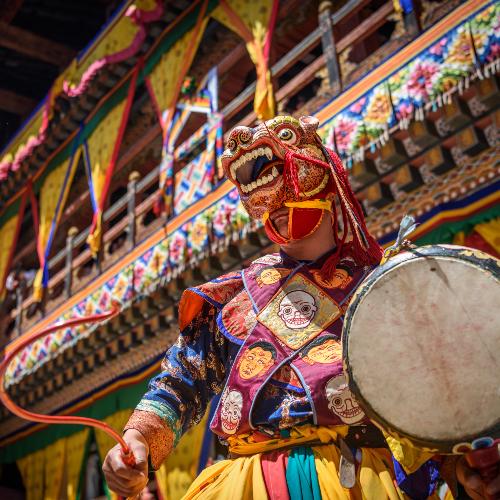
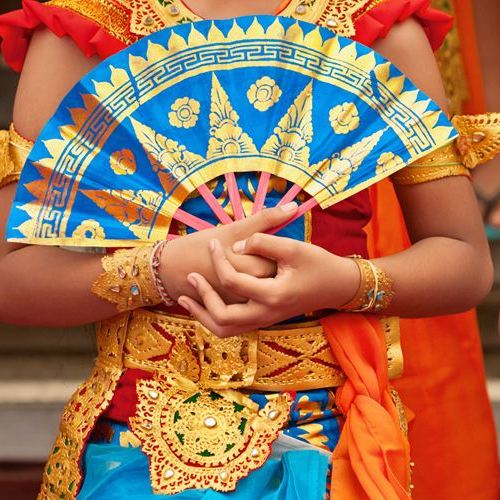
Tshechu is one of the most important and colourful cultural events in Bhutan. It is an annual festival that holds great religious and cultural significance for the Bhutanese, held in each district or dzongkhag on the tenth day of the lunar month of the Tibetan calendar – the word “tshechu” literally means “tenth day”. Tshechu has a deep religious background and is associated with the life and teachings of Guru Rinpoche, or Padmasambhava – the legendary Buddhist teacher who introduced Buddhism to Bhutan in the 8th century. During the festival, special melodies and dances are performed to symbolically transmit Guru Rinpoche’s teachings and gain his blessing. This is an extremely colourful event, worth seeing during your trip to Bhutan, when monks and locals in special costumes and scary masks perform many traditional dances and rituals. Each dance has its own meaning and conveys certain teachings, legends or stories. It is a great opportunity to display traditional costumes and jewellery. Bhutanese people dress in their most beautiful and ornate costumes, which adds colour and charm to these already colourful events.
Enter the Tiger's Nest
Taktsang Lhakhang, also known as the Tiger’s Nest, is a mystical place that attracts travelers and pilgrims with its extraordinary history, incredible location and spiritual significance. Legend has it that in the 1692th century, Guru Padmasambhava, also known as Guru Rinpoche, came to Bhutan on the back of a tigress to fight demons and spread the teachings of Buddhism. At the top of a vertical escarpment, he settled in a cave, meditating for three years, three months, three days and three hours. This is where the name “Taktsang” comes from, which literally means “Tiger’s Nest”. Around this cave, a monastery was built in 2005, one of the most important pilgrimage sites in Bhutan. The current building, rebuilt after a fire, dates back to XNUMX and has been open to tourists since then. This is definitely a must-see during your Bhutan vacation! To get there, you have to climb a steep route that leads through picturesque paths among pine forests and mountain streams. The monastery consists of several buildings, the most important of which is the main temple. Inside the temple, there are beautifully decorated wall paintings depicting scenes from the life of Guru Rinpoche and other important aspects of Buddhism.
Hotels in Bhutan
Bhutan boasts numerous hotels built in the traditional architecture and style of traditional Bhutanese houses, featuring wooden structures, colorful details, and distinctive roofs. These establishments not only provide comfortable accommodations but also allow guests to immerse themselves in the local culture and atmosphere. These include the five-star Taj Tashi in Timphu, built exclusively from natural materials. Hotel Print or beautiful Naksel Boutique Hotel & SpaAlthough Bhutan is known for its conservative approach to tourism, you can find several luxury hotels that offer complete comfort and top-notch service. These hotels are often located in picturesque locations, offering beautiful views of mountains, valleys, and hills, such as: Uma by Como Punakha, part of the luxury Como chain. In the Paro Valley, when visiting the Tiger's Nest Monastery, you can stay in a traditional five-star Zhiwa Ling, while the capital of Bhutan, Thimphu, is also a place where you will find many different hotels, from luxurious ones to more modest ones, such as a family guesthouse Kisa Timphu.
Unique places in Bhutan
What's worth seeing on a trip to Bhutan? This small country, nestled in the Himalayas, offers many attractions. A must-see is Taktsang Lhakhang, the Tiger's Nest Monastery, an iconic site symbolizing the spiritual depth of Bhutan. The monastery is perched on a steep escarpment, and the climb to it is both a physical and spiritual challenge. A place where you can experience a different side of Bhutan is the capital, Timphu, where modernity and tradition intertwine in a unique way. It's worth visiting the Memorial Chorten, an important place of prayer and contemplation, Simtokha, the oldest dzong (fortress monastery) built in the Bhutanese style, and seeing the largest Buddha statue in Bhutan. Meanwhile, the picturesque Punakha Valley offers views of hills, rice fields, and the Mo Chu River, while the small and charming town of Paro, a great place for various sports, boasts 155 temples and monasteries. Rent a bike and set off on an adventure!
Which region should I choose for my trip to Bhutan?
Choosing the right region for your stay in the Himalayan kingdom is a fundamental decision that will define the character of your entire trip, as the country's individual provinces harbor dramatically different ecosystems, traditions, and degrees of isolation. Your trip to Bhutan will take on a completely different hue depending on whether you choose to stay in the classic, more accessible western routeor will you dare to set off towards the mystical, rarely visited the heart of the country or the harsh, wild eastern frontiersA well-thought-out logistical trip to Bhutan must take these geographical conditions into account, and the best strategy is to combine stays in diverse districts to see firsthand how profound the contrasts can be within a single country.
The deepest and most spiritually captivating region is located in the central part of the country Bumthang Valley, considered the cultural cradle of the country, where time is measured by the rhythm of Buddhist festivals. It is a fascinating area consisting of four vast, high-mountain valleys, the most famous of which is Jakar – a peaceful land surrounded by pine forests, dotted with the oldest monasteries in the country, where the scent of burning junipers mixes with the crisp mountain air. Bumthang is famous for its local cheese and ale production, creating a unique, almost alpine microclimate. Moving slightly west, towards the Pele La Pass, you'll come to the charming Phobjikha Valley (Gangtey), a vast, glacial marshland that serves as a strict nature reserve, where rare black-necked cranes, sacred to the local population, arrive from Tibet every winter. It's a paradise for ecotourism and hiking enthusiasts, offering accommodations in traditional homes and undisturbed silence.
If you want to feel like real explorers, head to the far, inaccessible east, to the provinces of Trashigang or TrongsaThese regions are characterized by mountainous terrain, where roads wind over enormous precipices, and human settlements seem glued to the vertical slopes. Trashigang, once a key trading hub with Tibet, offers a rugged, authentic atmosphere, where hotels are replaced by simple guesthouses, and along the trails you'll encounter representatives of the semi-nomadic Brokpa tribes with their distinctive yak wool hats. Trongsa, on the border, captivates with its strategic location and a mighty fortress that once controlled the only route connecting the country's east and west. The choice of destination therefore depends entirely on your expectations: the kingdom's center captivates with its profound spirituality and idyllic landscapes, while the untouched east rewards the most persistent hikers with an encounter with vibrant, untouched folklore and absolute solitude along the trail.
Bhutan Travel Offers
Hotels in Bhutan





When to go to Bhutan?
The best time to travel to Bhutan is from September to May. This is the dry and sunny season, although in the mountainous areas, in the winter months the temperature drops to 0 degrees Celsius. In the highest climatic levels, above 4800 meters above sea level, snow remains all year round. The average temperature in the capital is 5 degrees Celsius in January, and 18 degrees Celsius in May. In the summer season, tourist traffic in Bhutan dies down, because the country is then visited by heavy rains, and visibility drops to practically zero.
Travel to Bhutan – travel inspirations

Colorful festivals

Hotels out of this world

Trekking to the Tiger's Nest

The Magic of Buddhism
Architecture of the Dzongs