


$1 - $1,48 AUD
1 EUR - 1,58 AUD
1 PLN - 0,34 AUD
The current exchange rate can be checked on the NBP website: https://nbp.pl/statystyka-i-powiedziałosc/kursy/tabela-a/

Practical information
Visa information and airport fees
The Travel Agency is not responsible for failure to obtain a visa for the country where the tourist event is held, or for transit countries. Obtaining a visa is 100% the responsibility of the participants of the trip.
Vaccinations
Tips
Food prices
Sample prices:
Meal at a cheap restaurant: AUD 25
Dinner for two at a better venue: AUD 120
Local beer 0,5 l: AUD 10
Imported beer 0,5 l: 11 AUD
Coffee: AUD 6
Mineral water 1,5 l: 3 AUD
Wine 0,7 l: 20 AUD
Oranges 1kg: 4,5 AUD
Food
Pineapples, papayas, persimmons, passion fruit, durians, figs or tamarinds – thanks to the climate here, you can pick and choose from a wide range of fruits. Kiwis, mangoes and the well-known pears, cherries and apples are also popular. Vegetables are most often grilled or baked with olive oil and herbs. The most famous Australian beer, available in almost every country, is Fosters. Interestingly, Australians themselves do not drink it, and even buying it in local shops can be a problem!
Winemaking in Australia has a tradition of over 200 years and the country is one of the largest wine producers in the world. Grapes are grown mainly in South Australia, where summers are cool enough to develop the right flavour compounds in the grapes before harvest.
Interesting facts
- Aborigines have lived in Australia for about 50 years, and Aboriginal culture is the oldest surviving culture in the world. However, until the 000s, Aborigines were considered animals.
- There are twice as many kangaroos in Australia as people.
- Australia has an average population of four people per square kilometre, with most of them living on the coast and the centre of the continent being almost unpopulated. Sydney, Melbourne and Brisbane now have as many people as the whole country did in 1968.
- The longest national highway in the world is in Australia – Highway 1, measuring 14 km.
- The national dish is Vegemite (a bread spread made from yeast extract).
- Australia was the second country in the world, after New Zealand, to grant women the right to vote.
- Australians love to shorten words: "Barbie" is barbecue, roo is kangaroo, Aussie is Australian, arvo is afternoon, and selfie is self photography.
- There are over 750 camels in Australia, more than in the Sahara – the largest population of wild camels in the world.
- Kangaroos and emus cannot walk backwards, which is one of the reasons they are featured on the Australian national emblem – they symbolise a nation moving forward.
- Kangaroo mothers can choose the gender of their baby during its development, and they can also suspend the development of pregnancy.
- Australia is the only continent in the world where there is no active volcano.
- About 200 Poles live permanently in Australia.
- The world's longest fence measures 5 km (twice the length of the Great Wall of China), separating wild dingoes from sheep.
- 25% of Australians were born outside Australia.
- In the town of Coober Pedy, people live in caves carved underground.
- In 1859, 24 rabbits were released into the wild. They are now a plague and cause the most damage to crops in the entire country. Other pests include toads and domestic cats, also imported from Europe.
- Approximately 70 Australians are followers of the Jedi religion.
- In Australia, according to statistics, one person reads an average of 54 minutes a day. They also read the most newspapers in the world.
- There are 480 airports here.
- 13 Australian citizens have received a Nobel Prize.
- A typical Australian-born word is pom or pommy, a pejorative English term, usually used in the expression "whinging pom", where it means an old grump.

Learn more about Australia
History
The Portuguese probably arrived on the shores of Australia in the 1606th century. They considered these lands uninhabited and inhospitable to Europeans due to the demanding climate. The discoverer of Australia is the Dutchman Willem Jansz, who landed here in XNUMX. In the XNUMXth century, the Dutch named the continent New Holland, not venturing into its interior.
However, the official discoverer of Australia is considered to be the English sailor and explorer James Cook, who arrived here in 1768. He named the eastern coast New South Wales and annexed it to the British Empire. Initially, penal colonies for criminals were organized here - by 1858, over 160 prisoners were transported here. The indigenous inhabitants, on the other hand, were treated as part of the fauna, the law allowed them to be killed with impunity, and many were used as slaves. In 000, gold was discovered in the interior of the continent, which resulted in the development of settlement and colonization of the continent. It is worth remembering that the highest peak in Australia, Mount Kosciuszko, was discovered and named by the Polish explorer, Paweł Edmund Strzelecki. Another famous person from Poland who passed through this continent was the cosmetics tycoon, Helena Rubinstein, born in Kraków.
Independence from Great Britain was declared in 1942. Australia is still part of the United Kingdom, with King Charles III as titular head of state. The Governor-General is David Hurley. The Prime Minister is currently Anthony Albanese.
Location
The area of Australia was isolated from other continents early on, which is why there are many endemic species, that is, species that do not occur anywhere else. Marsupials are very numerous: kangaroos, koalas, marsupial moles, wombats. The world of birds is very rich, including parrots and birds of paradise.
Culture and Religion
The traditions practiced are mainly derived from British culture. The newlyweds usually receive a bible as a wedding gift. The marriage bible is a family treasure and is often passed down from generation to generation.
The first amateur theatre performances were held in prison theatres. Patrick White is the only Australian to have won the Nobel Prize for Literature. He received it in 1973 for "his epic and psychological mastery has opened up a new literary continent". Famous contemporary Australians include actors Russell Crowe and Nicole Kidman.
A well-known feature of Australians is their love of gambling. There are many casinos and gambling houses, and street gambling is also common. Players in Australia do not pay taxes on their winnings, because gambling is considered a pastime and hobby, not a source of income.

Trip to Australia
Holidays in Australia
Are you planning a vacation and looking for a destination that offers something more than a standard vacation? Australia is a proposal that can completely change your approach to traveling. It is a continent that combines modernity with nature, exoticism with safety, and adventure with comfort. You don't have to be an avid traveler or a fan of extreme experiences to take full advantage of what this remote corner of the world has to offer. All you need is openness to new experiences, a willingness to plan more intensively, and the awareness that a vacation in Australia requires a slightly different approach than standard trips to Europe or Asia. This is a country that operates according to its own rules - not only in terms of culture, but also climate, daily rhythm, distances between cities, and lifestyle. Arriving in Australia is like entering an alternative version of everyday life, where everything is familiar, but different at the same time. Although English is the official language there, communication, social customs, and approach to time may surprise you.
Traveling to Australia gives you the chance to combine activity with relaxation. Whether you’re interested in contact with nature, an urban lifestyle, or something in between, Australia has something for you. However, it’s important to be realistic when planning. The distances between major attractions are huge, and access to some places is limited. This means that spontaneous decisions – although tempting – won’t always be possible. On the other hand, a well-thought-out plan will allow you to see and experience more, without unnecessary stress.
Australia is also a destination that requires good budget preparation. Prices, especially in large cities, can be higher than in Europe. On the other hand, the quality of services, safety and organization of everyday life make it worth investing in such a trip. Proper preparation will allow you to avoid disappointment and fully utilize your time there. You can decide to travel by car, internal flights, public transport - each of these options has its pros and cons, so it is worth considering what best suits your travel style.
Why is it worth going on holiday to Australia?
Australia is a country that at first glance may seem too distant, too exotic and logistically complicated, but if you are looking for a holiday destination that will provide you with more than just relaxation on the beach (although there is definitely no shortage of beaches here!), it is worth seriously considering this continent. Australia offers a unique combination of diverse landscapes, modern cities, high-quality services and unique experiences that are hard to find elsewhere.
Firstly – diversity. During one trip you can see desert areas, tropical forests, and coasts with crystal clear water. This combination not only makes a visual impression, but also gives you the opportunity to plan very diverse activities. You can swim, hike, dive, ride a bike, visit cities and relax on secluded beaches. Importantly, each of these activities is perfectly organized there and available even to people without previous experience.
Secondly – safety and comfort of travel. Australia is one of the safest tourist destinations in the world. The infrastructure works efficiently, public services are professional, and the local community is friendly towards tourists. Thanks to this, you can focus on discovering, not stressing about unforeseen situations. Accommodation is diverse – from luxury hotels to campsites and apartments at reasonable prices. Internal transport works well, and English as the official language makes communication and orientation in the area easier.
Thirdly – unique nature. In no other place will you find such a large number of species of animals and plants that do not exist anywhere else in the world. Kangaroos, koalas and cockatoos are just the beginning. For many people, contact with this unique nature is one of the main reasons for a trip. What's more, Australia takes great care of the environment – national parks and nature reserves are well-maintained, and the rules for visiting are clearly defined and observed.
Fourthly – experience a different culture. Although Australia is a Western country, it has its own cultural identity that is worth getting to know. The lifestyle is more relaxed, and the emphasis on work-life balance is stronger than in Europe. You can see for yourself how a society focused on quality of life and contact with nature works. Additionally, the history and culture of the Aborigines is an important element of Australian identity, which gives you a chance to understand this country more deeply.
Visiting Australia – what is worth seeing?
If you are planning a trip to Australia, prepare yourself to visit a country that offers very specific and diverse attractions. This is not a place that you "look at from the bus window". Here you have to act - walk, drive, explore. Australia is a continent that gives access to different natural environments, lifestyles and ways of spending time. It is worth taking full advantage of it. The greatest advantage of visiting Australia is that you do not have to limit yourself to one type attractions in Australia. You can combine beach relaxation with active exploration of nature, city life with remote areas, and relaxation with adventure. Do you want to see modern architecture, visit galleries and cafes? You will find them without a problem. Do you prefer trekking, watching wild animals or traveling through the wilderness? This is also within reach.
Importantly, Australia is a country of vast spaces. If you intend to visit different regions, you must prepare for long distances. A car or internal flights are the most efficient way to travel between points. Thanks to this, you can see completely different areas in one trip - coasts, mountains, semi-desert areas, rainforests. Each of these places offers different attractions and requires a different approach. One of the most interesting aspects of visiting Australia is contact with wildlife. And it's not just about well-known animals, such as kangaroos, emus or koalas. You can see whales, dolphins, birds that do not occur anywhere else in the world. In many regions, organized guided tours are possible, which allow you to see nature up close and in controlled conditions. Australia is also a place where you can learn about the culture of the indigenous people. A visit to an Aboriginal cultural center or participation in workshops is a specific opportunity to understand the history of the continent from a different perspective.
Exploring cities also makes sense – not only as a main goal, but as a complementary element. In cities, you will find high quality services, great cuisine, interesting museums, markets and meeting places. Australia is a multicultural country, so the food and people you meet will be very diverse. It is worth using this aspect – try local dishes, talk to locals, listen to how they live. Exploring Australia is not one destination, but many different experiences. It is a country that requires a good plan, but offers a huge reward in the form of unforgettable impressions.
Holidays in Australia – practical information
If you are planning a vacation in Australia, prepare well not only for unique views and unforgettable attractions, but also for the specific challenges associated with traveling to another continent. Australia is a tourist-friendly country, but there are rules that are worth knowing about in advance to avoid unpleasant surprises. A well-planned trip means not only comfort, but above all safety and greater freedom of action on the spot.
In terms of safety, Australia is one of the more peaceful and stable countries, but – like everywhere – common sense is key. In larger cities and tourist towns, watch out for pickpockets and don't carry large amounts of cash. It's worth exchanging money in Poland – you'll need Australian dollars (AUD) from the very first moment after your arrival. Fortunately, you can easily pay by card in most places, and ATMs (marked as ATM) are widely available. Popular cards such as VISA, MasterCard or American Express work practically everywhere – although in some cases a small commission is added.
Australia has very strict regulations regarding the transport of food. You can only take factory-packaged products from Poland, such as sweets or cookies. Everything you bring must be declared in a customs declaration. Upon arrival, you will go through the so-called Bio Security, which is a check of the cleanliness of your luggage and clothes, especially sports shoes - even traces of mud or plant remains are checked. Customs services make sure that foreign microorganisms or seeds that could disrupt the local ecosystem do not enter Australia.
It is also worth remembering the weather and environmental conditions. Sunglasses, a hat, a cream with a high UV filter and insect repellent are the absolute minimum in your luggage. The sun can be very intense, and mosquitoes and other insects can be a nuisance, especially outside cities. Tap water is safe to drink, which is a great convenience when traveling, especially on longer car trips.
If you plan to travel by car, remember that Australia drives on the left. Be especially careful after dark – wild animals, especially kangaroos, often come out onto the roads. Additionally, at certain times of the year, some areas may be at risk of forest fires or floods – before traveling to less-frequented places, check the latest local reports.
It is worth buying a SIM card on the spot – preferably from Telstra. For around 40 AUD you will get a package of Internet and unlimited calls. When shopping, look for Food 4 Less markets – the prices there are lower than in popular chains. Also remember to bring a power adapter – in Australia, three-pin, British-type sockets are used (240 V, 50 Hz).
Be careful when traveling, especially in coastal and tropical regions. In some places, swimming in the ocean is prohibited due to the presence of dangerous animals - sharks, jellyfish or crocodiles. Inland, you may come across snakes and spiders - not all of them are dangerous, but it is worth avoiding contact.
Finally, there is the issue of souvenirs. Australia is famous for opals, wool products and natural oils – these are legal and safe products that you can take home, but you cannot take products made from coral reefs, shells, crocodile skin or ivory out of the country – these are strictly regulated goods. When buying souvenirs, make sure they are allowed to be exported.
Australia Attractions - Holiday Guide
Meeting with the Australian Zoo – Kangaroos, Koalas and More
Australia is not only associated with beautiful beaches or unique rock formations, but also with some of the most charming and eccentric inhabitants – kangaroos and koalas. This is a land where nature presents its most colorful and slightly crazy face. Make the most of your trip to Australia and meet its extraordinary inhabitants!
In the world of kangaroos, every day begins with a jump. These flexible creatures, with their enormous hind legs, can surprise even the most experienced observers. Watching them move freely through open spaces is like watching a live dance show. What a joy to watch in their energetic tail-wagging and endless races through sandy terrain! Australian koalas, on the other hand, represent peace and charm all in one. These small, fluffy creatures can usually be found safely huddled in the arms of eucalyptus branches. Their main interest is food… and more food. For most of the day, koalas are occupied with feasting on eucalyptus leaves, and in between, they take endless naps.
In the great theatre of nature called Australia, where every day is like a play, kangaroos and koalas are the stars of the stage. However, when you look behind the scenes, you will discover that this is only the beginning of this extraordinary adventure. Just look at the emus, gigantic, flightless birds with legs capable of reaching incredible speeds. Their silhouettes bring to mind long-legged marathon runners, dashing across the vast Australian spaces. A real feast for the eyes are the multi-coloured blue-bellied lorikeets, whose flight is like a dynamic dance, adding colour to the surrounding landscape. The eucalyptus forest is also home to wombats, cute marsupials, and we cannot forget the adorable platypuses, extraordinary animals that combine the features of birds (laying eggs), reptiles (scales on their legs) and mammals (feeding milk). Australian nature is a real spectacle, and every encounter with its inhabitants is a moment that will remain in your memory forever.
Sun, waves and surf
A trip to Australia is like an invitation to paradise for all surf lovers! This continent, with its endless beaches, secluded bays and waves that tempt surfers from all over the world, is a place where every board becomes a magic flying carpet on the path to adventure. The coast of Australia stretches for thousands of kilometres, offering a variety of surfing conditions, from the gentle waves of Noosa Heads in Queensland, perfect for beginners, to the powerful and challenging waves in places like Bells Beach in Victoria or Margaret River in Western Australia. A trip to Australia is also an opportunity to discover the surf culture that is deeply rooted in the Australian way of life. Surfing here is not just a sport, but a way of life. It is here that many surfing competitions take place, including prestigious World Surf League events.
For travellers looking to learn to surf, Australia offers a wide range of surf schools. You can find them in popular surfing spots like the Gold Coast, Byron Bay and Bondi Beach in Sydney. Lessons are available for all ages and skill levels, and instructors are often experienced surfers who are eager to share their knowledge and passion. Travelling to Australia to surf is not only a sporting challenge, but also a chance to get up close and personal with the nature and culture of this unique country. It’s an experience that will stay with you long after you’ve returned from the beach.
Australia, the land of wine
It would be a serious oversight to travel to Australia and not sample some of the local wine! As one of the world’s leading wine producers, the country has a rich history and diversity in winemaking, and Australian wines have gained international recognition for their quality, innovation and distinctive style. The history of winemaking in Australia began in the 19th century when the first vineyards were established by European settlers. Despite the challenges of climate and geography, the wine sector in Australia has flourished and has become a pillar of the country’s economy.
The diversity of wine regions is one of the key strengths of Australian winemaking. Each region, from the cooler areas of Tasmania to the warmer areas of southern and western Australia, produces wines with unique flavour profiles. The Barossa Valley in South Australia is best known for its powerful and full-bodied Shiraz wines. It is here that some of the world’s most prized reds are made, with depth of flavour and longevity. Margaret River in Western Australia is renowned for its elegant and complex white wines, particularly Chardonnay and Sauvignon Blanc. With its temperate climate, this region attracts the attention of lovers of subtle and refined wine styles. The Yarra Valley in Victoria is another important wine region, known for producing excellent Pinot Noir and Chardonnay. The cooler climate of this area favours wines with high acidity and elegant structure.
Australian wines have won international awards and recognition, and are a major export and tourism asset to the country. Wine tastings and tours are popular attractions for tourists visiting Australia.
Hotels in Australia
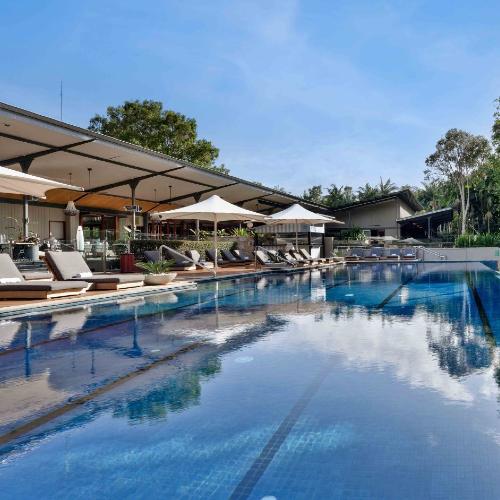
Hotels in Australia are as diverse as the country itself. From luxurious resorts in natural surroundings, to modern landmarks, to intimate boutique hotels, each one offers a unique experience that enhances your journey through this fascinating continent. Among the many unique accommodation options, a few hotels stand out and are worth a visit during your trip to Australia. Manly Pacific Sydney MGallery Collection is an elegant hotel located in one of Sydney’s most picturesque districts – Manly. Its location provides easy access to the famous Manly Beach, making it the perfect place for those looking to combine city lifestyle with the charms of seaside relaxation. With its sophisticated interiors and high-quality services, Manly Pacific is synonymous with luxury in the heart of Sydney. Captains at the Bay in Apollo Bay is an example of a boutique hotel that offers an intimate and personalised atmosphere. This small but elegant hotel is ideal for those looking for a peaceful getaway, and its proximity to the Great Ocean Road makes it a great base from which to explore the coastal attractions. Crystalbrook Byron is a luxury resort located in the heart of the subtropical rainforest of Byron Bay. This eco-friendly hotel offers not only comfortable accommodation but also unique experiences such as sunrise yoga and spa treatments. Crystalbrook Byron is a place where luxury meets nature, offering guests an escape from the everyday and a sense of rejuvenation.
QT Melbourne Hotel stands out for its modern design and artistic approach. Located in the heart of Melbourne, the hotel offers guests sophisticated interiors, innovative solutions and access to the city's vibrant streets, restaurants and galleries. QT Melbourne is the perfect place for those looking for urban style and modern luxury. With exceptional views of the Coral Sea, Pacific Hotel is perfectly located for exploring Cairns and the surrounding area. The hotel balconies offer spectacular views, while modern facilities and proximity to tourist attractions make it an ideal place to stay in this tropical part of Australia.
Australia – places worth seeing
Australia, as a country with a huge geographical and cultural diversity, hides many extraordinary places worth seeing. From spectacular landscapes to bustling metropolises, Australia guarantees countless attractions for every traveler. So what to see on a trip to Australia? You definitely can't miss the Great Barrier Reef, the largest coral reef system in the world. This underwater wonder of nature, which can be seen even from space, provides unparalleled opportunities for diving and snorkeling, allowing direct contact with rich marine life and colorful corals. A different experience is offered by Uluru in the heart of the Australian Outback, another place that amazes with its majesty. This huge monolithic rock, considered a sacred place by the indigenous people of Australia, provides unforgettable views, especially at sunrise and sunset, when the sun changes colors. In turn, the Great Ocean Road, a scenic route along the southern coast of Victoria, unfolds before the eyes of the traveler awe-inspiring panoramas. Along the way, you can see impressive rock formations such as the Twelve Apostles, as well as encounter wildlife including koalas and kangaroos. Kakadu National Park in the Northern Territory is an area of extraordinary ecological and cultural significance. It is home to ancient Aboriginal rock art, diverse ecosystems from wetlands to dry savannahs, and a wealth of flora and fauna. Finally, Tasmania, separated from the mainland by Bass Strait, is an island with a unique charm, with beautiful scenery, an interesting history and vast wilderness areas. Freycinet National Park and Bay of Fires are just some of the many natural attractions that Tasmania has to offer.
And Australian cities? From bustling metropolises to laid-back seaside towns, Australia’s most beautiful cities are a testament to its diverse history and modern development. Sydney, Australia’s largest and most famous city, is home to the Sydney Opera House and Harbour Bridge, symbols not only of the city but of the entire country. Sydney also boasts stunning beaches such as Bondi and Manly, as well as vibrant districts filled with cafes, restaurants and galleries. Melbourne, often called the cultural capital of Australia, is home to museums, art galleries, artists, trendy cafes and great food. Meanwhile, Brisbane, the capital of Queensland, combines modernity with natural beauty. Situated on the Brisbane River, the city offers beautiful parks and gardens, as well as a vibrant nightlife and cultural scene. It is also a gateway to Australia’s famous resorts on the Gold Coast and Sunshine Coast. Perth, the world’s most isolated metropolis, has a laid-back atmosphere and beautiful beaches, making it the perfect place to watch the sun set over the Indian Ocean and explore Western Australia’s natural beauties, including the famous Margaret River wine region. Finally, Adelaide, known as the city of festivals, offers a rich cultural life and tempts with numerous parks and gardens, and is also a gateway to wine regions such as the Barossa Valley and McLaren Vale.
Which region to choose for a trip to Australia?
Australia is such a diverse continent that choosing one region to travel to can be harder than it seems. Each state offers a completely different climate, landscapes, attractions and lifestyle. If you don’t have a few months to travel the entire country, it’s worth considering what you want to see and experience.
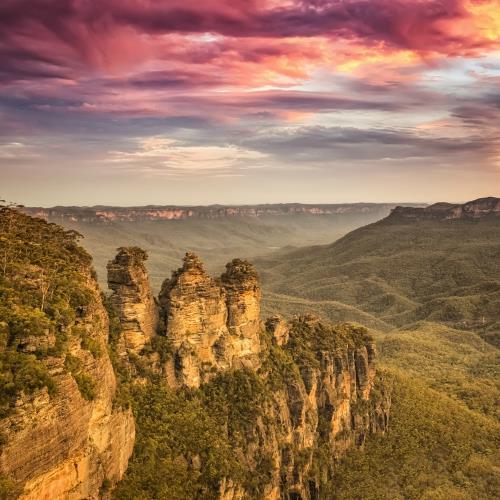
If this is your first trip to Australia and you want a varied program – a combination of city sightseeing, beach relaxation and light adventure in nature – it is worth starting in New South Wales. This is the most popular region for tourists, mainly because of Sydney – the largest city in Australia. You will find there the famous Opera House, Harbour Bridge and beautiful beaches such as Bondi and Manly. But that's not all – the Blue Mountains with their majestic rock formations and picturesque trails are just a few hours' drive away. If you like surfing, walking along the waterfront and enjoying the nightlife, this will be a good choice to start your Australian adventure.
If you prefer a warm climate, lots of sun and exotic views, Queensland may be the perfect destination for you. It is home to the Great Barrier Reef – the world’s largest coral reef and one of the world’s top diving spots. You will also find the tropical forests of the Daintree, the vast beaches of Fraser Island and friendly resort towns such as Cairns and Airlie Beach. The southern coast of Queensland, with its famous Gold Coast, is a centre for surfing, shopping and entertainment. Australia's climate is conducive to holidays throughout most of the year.
Victoria is also worth mentioning – the smallest continental state, but with a lot of potential. The capital is Melbourne – a dynamic, multicultural city, known for its cafes, street art and sporting events. One of the state’s biggest attractions is the Great Ocean Road – one of the most beautiful scenic drives in the world, leading along the coast with breathtaking views, including the famous Twelve Apostles. Nature lovers can also visit the Grampians National Park or the vineyards in the Yarra Valley.
For lovers of wine, mild climate and European lifestyle, South Australia may be an interesting option. Adelaide is worth visiting – a peaceful, atmospheric city with numerous festivals and proximity to the Barossa Valley vineyards. In the north lies Coober Pedy – the famous underground town of opal miners. If you are looking for contact with wildlife, go to Kangaroo Island, where you will see kangaroos, koalas, seals and unique rock formations.
Western Australia, on the other hand, is for those who are not afraid of long drives but are looking for the reward of authentic, less commercialised attractions. It is Australia's largest state and one of the least populated, which means space, silence and amazing views. The perfect place if you want to really unwind and see Australia off the beaten track. Perth, the state capital, is one of the most isolated big cities in the world, but it offers a great base. In the north, Broome and Cable Beach are worth a visit, as well as Karijini National Park with its red gorges and waterfalls. In the Ningaloo region, you can swim with whales and whale sharks – a less crowded alternative to the Great Barrier Reef.
If you're looking for a more desert-like and adventurous Australia, head to the Northern Territory, the quintessential Australian destination. Outback. Here you will find the most famous symbol of the continent – Uluru (Ayers Rock), the sacred mountain of the Aborigines. It is also worth visiting the Kakadu National Park – a UNESCO World Heritage Site – with its rock paintings, waterfalls and wildlife. This region has a unique climate: hot, dry and unpredictable, so it is best to travel here during the dry season (May – September).
Or maybe you want to see something completely different? Tasmania is a world apart – an island with clean air, dense forests, high mountains and wild beaches. It is a place for lovers of trekking, silence and nature. You can walk the Overland Track, see wild animals such as the Tasmanian devil and visit local towns with colonial architecture. Tasmania is also a delicious cuisine – cheeses, seafood, local wines and ciders.
As you can see, each state in Australia has its own climate, attractions and character. When choosing a destination, consider whether you prefer city life, wilderness, beach relaxation, active recreation or contact with local culture. Australia will not disappoint any type of traveler – you just need to know where to start.
Australia Travel Deals

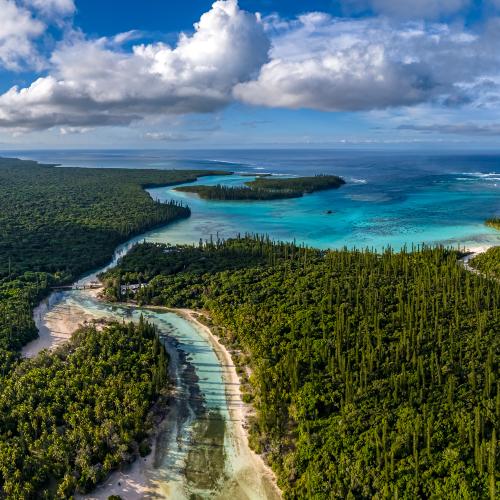

Hotels in Australia
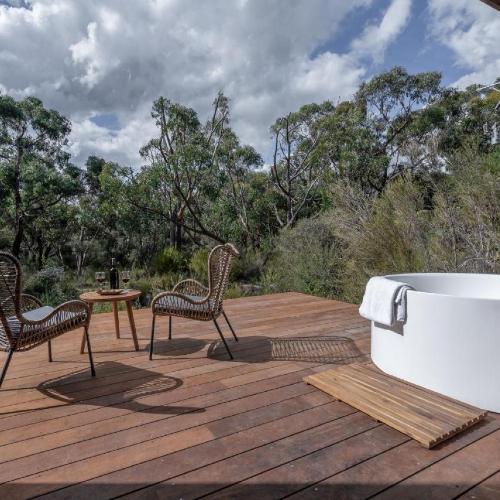
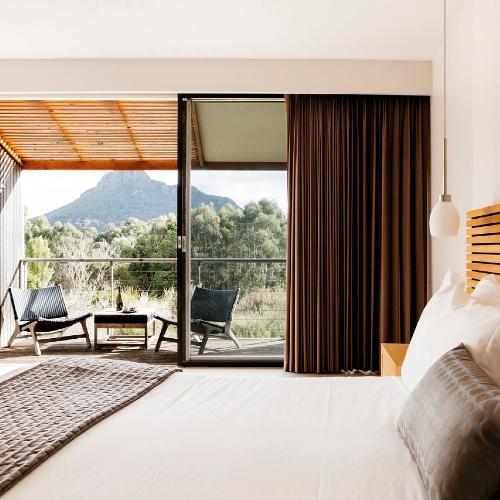
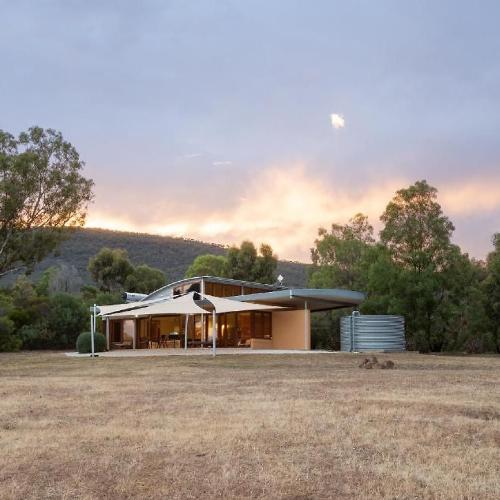
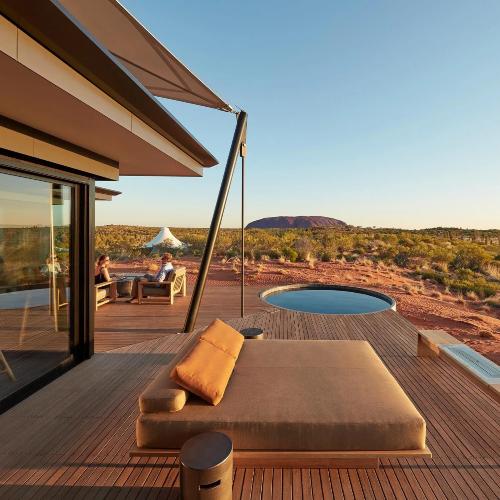
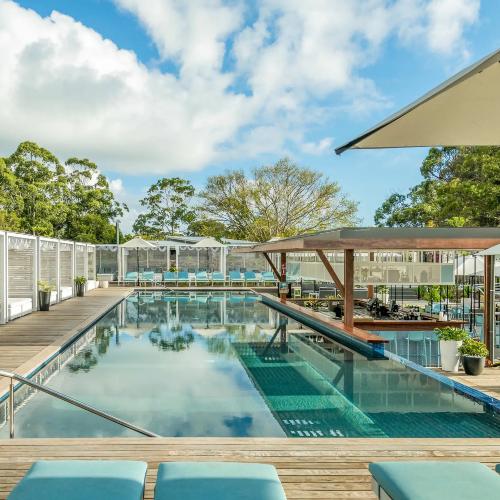
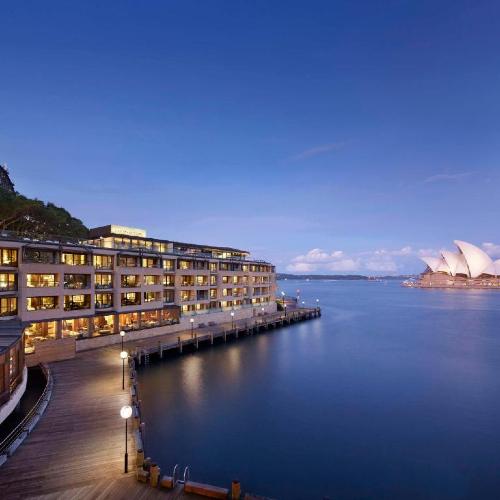
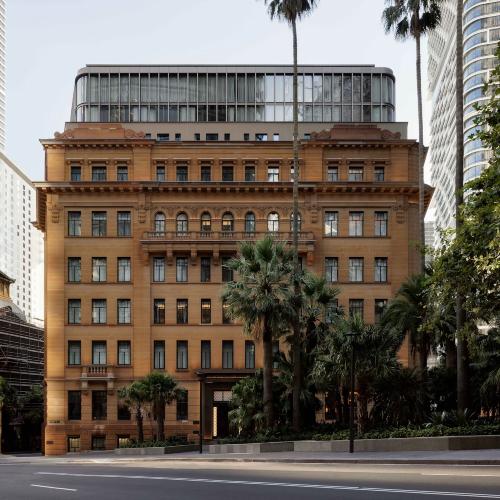




Australia – places worth seeing







When to go to Australia?
The climate of Australia, due to the size of the country and its location in three climate zones, is very diverse. In northern Australia, the climate is predominantly tropical, with a lot of rainfall in summer (monsoon); in the southwestern part of the country, the climate is Mediterranean, while in the southeastern region, there is a maritime climate (Tasmania and coastal Victoria) and a humid subtropical climate (northern New South Wales). In the central part of the country, the climate is dominated by arid and semi-arid.
In the north of the country, where the climate is tropical, there is a wet and dry season, while the rest of the country has four seasons. Spring is from September to November, summer from December to February, autumn from March to May, and winter from June to August. The warmest month of the year is January (up to 33 ͦC in Western Australia), while July has the lowest temperatures (below 10 ͦC, even down to 0 ͦC in the southwestern part of the mainland).
The great climatic diversity makes it difficult to determine the best time to travel to Australia, because each region has something different to offer. The south and east of the country are worth visiting in spring and autumn (summer is very dry and hot, and in winter it rains very often), and the north in the period from May to October, when temperatures and humidity are not very bothersome (from November to April in these regions there is frequent rainfall, and temperatures exceed 40 ͦC). The best months to visit Western Australia are November-April.
Australia – travel inspirations


Sydney Harbour Bridge

Hug a Koala!

Sydney Opera House

The Sacred Mountain of the Aborigines – Uluru

Dive into the Great Barrier Reef

The beautiful Great Ocean Road


