
Get inspired and read about your dream trip on the blog
Nooks and crannies of Japan – 7 extraordinary places for explorers of Japanese nature
October 1, 2020
W Japan culture and nature intertwine, creating one coherent land. The common Japanese names for Japan refer to nature: "Land of the Rising Sun", "Land of the Rising Cherry Blossoms", and the Japanese emperor sits on a "chrysanthemum" throne. Writers, poets, and painters have been enumerating the Five Famous Mountains of Japan, the Three Famous Gardens, the Three Famous Views, and the Three Hidden Regions for centuries. The Japanese live in a constant threat of tsunamis, earthquakes, and floods, which is why they prefer nature in a slightly tamed form: Zen gardens made of stones, smooth paths, and bonsai trees. Below you will find a description of several places that show the power and beauty of the Japanese landscape. Some are not easily accessible, which is why at Planet Escape we prepare holidays according to your needs, and if you are interested in, for example, the Japanese Alps, we will weave them into your own program holidays in Japan.

All the colors of Japan
JAPAN - Tokyo, Takayama, Shirakawa-go, Kanazawa, Kyoto, Koya San, Osaka
The unique culture of this place has always fascinated Westerners. The Land of the Rising Sun, where the rites of different religions overlap, has no equivalent anywhere in the world. Modern technology and ancient customs exist here simultaneously. Add to that the amazing, well-kept nature - all this is a must-see when going on holiday to Japan.
The unique culture of this place has always fascinated Westerners. The Land of the Rising Sun, where the rites of different religions overlap, has no equivalent anywhere in the world. Modern technology and ancient customs exist here simultaneously. Add to that the amazing, well-kept nature - all this is a must-see when going on holiday to Japan.
Mount Fuji: Trekking for the ambitious or a view for connoisseurs
The highest mountain in Japan is considered the seat of Shinto deities. In the past, only priests and pilgrims under the spiritual care of a monk-guide could climb Fuji, and such an expedition was considered the highest level of Shinto initiation, culminating in admiring the sunrise from the top. Today, climbing does not have such a religious character, but most Japanese still aim to reach the summit at sunrise. The sunset, equally spectacular, can be admired in more intimate conditions.

Mount Fuji, Japan
The Japanese say that "he who climbs Mount Fuji once is a wise man, but he who climbs twice is a fool", because Mount Fuji can be dangerous. The summit reaches 3776 m above sea level, which is why the weather can be extreme from October to June. Wind, snow, ice and the risk of avalanches are typical for such high mountains, and few people remember that Mount Fuji is still an active volcano, whose last eruption took place after the earthquake in 1707. The trail is open from July to September and is climbed by 300 people a year, of whom one in three is a foreign tourist. The route to the summit is marked by 000 stations, and the paved trail ends at the fifth, so if you plan to climb outside the season, you have to reckon with the lack of support from the fifth shelter to the summit. According to custom, as confirmation of conquering a given stage, at each station, seals are burned on the staves - i.e. sticks used for support. The route is not difficult, but the challenge is its length and the large elevation gain, which can lead to altitude sickness. In order to quickly call rescuers and warn tourists, there is free Wi-Fi throughout the mountain, which successfully serves tourists on an active holiday in Japan.

Mount Fuji, Japan
The majestic, snow-capped peak of Fuji looks better from a distance than up close, as the long trail leads through a volcanic, barren landscape. The home of the Shinto gods is most beautifully viewed from the town of Hakone. The characters of "Death of the Commander," Haruki Murakami's latest novel, live on the hills near the mountain, in the Odawara area. This scenery can be seen during a cruise on Lake Ashi, when the peak emerges from the forested hills as a complement to the colorful panorama. It is a panorama like a postcard sent from a vacation in Japan: blue water, green leaves, a red temple gate, and white Fuji towering over the country.
Hokkaido: Ice Sculptures and Hot Springs
Hokkaido, the northernmost Japanese island, takes up 22% of Japan's total area but is home to less than 5% of the country's population. Tourism is still in its infancy, although 11 airports have already been opened, some of which have direct connections to Beijing. Hokkaido is likely to become a popular destination for winter holidays in Japan, but for now it still resembles the world of old tales, when winters were harsh, picturesquely falling snowflakes could effectively block the way back, and animals began to talk. From our point of view, Hokkaido's greatest asset remains the wilderness of the island, the vast uninhabited space, the inaccessible mountains towering to the sky without marked trails.

Hokkaido
In winter, it does happen that a tunnel has to be dug through the snow to make the road passable. The locals know how to enjoy the charms of every season: Sapporo hosts a ski jumping tournament and one of the four world snow festivals, famous for its ice sculptures.
In Hokkaido, an effective way to warm up is to take a bath in a hot spring – an onsen. During a warm bath, you can simultaneously immerse yourself in the hot spring and catch falling snowflakes. Experiencing so many elements and seasons at once is hard for Europeans to imagine and all the more tempting for that reason.

Hokkaido
An attentive traveler can find places related to the life of the Ainu in Hokkaido. Little is known about the origins of the Japanese autochthons. This is hardly surprising, since the most important research on them was prepared by... Bronisław Piłsudski, Józef's brother, i.e. was conducted over 100 years ago. The Ainu were treated as citizens of a lower category and discriminated against, which is why their culture was disappearing. It was not until 1998 that protection of their Ainu tradition was restored, and it was not until 2019 that the Japanese government passed a law that for the first time in the history of the country recognized the Ainu as "indigenous people". We know that they practiced animism, worshipped nature, and one of their most important deities took the form of a bear. Spending your vacation in northern Japan, you will see the mountains, rocks, and streams of Hokkaido, which are reflected in the legends and tales of the Ainu.
Okinawa: the island for which the Japanese abandon their ordinary lives
Just as the Ainu culture is something unknown to the Japanese, so too are there places in Japan that are considered exotic by most. Okinawa and the surrounding islands close off the territory of Japan from the south and differ from the rest of the country as Hawaii differs from the continental part of the United States. Bringing this comparison closer to Polish conditions, some write that the Japanese think of Okinawa the way Poles think of the Bieszczady Mountains. Salarymen – office workers – abandon glass skyscrapers Tokyoto go to Okinawa. The archipelago has retained its wildness and during the unexpected holidays in Japan here you will find beaches, rocky cliffs above turquoise water, forests, jungle, tropical plants and that elusive sense of freedom.

Okinawa
Until the 1879th century, the islands were a separate Ryukyu kingdom, and the geographical proximity of China and Taiwan is visible in the architecture of the ruler's palace. It was not until 100 that the Japanese annexed the kingdom and the old culture began to disappear. Okinawa Prefecture includes the largest island of that name and many smaller ones, and the furthest from Japan, Iriomote, is located only 140 kilometers from Taiwan. Geography can be a curse even for a paradise island: during World War II, the last major battle in the Pacific took place here, as a result of which most of the indigenous inhabitants of the islands, about XNUMX thousand civilians, died. Suicides also took on a mass scale, as propaganda was used to encourage fighting by scaring people with the Americans and that they were bringing a fate "worse than death". The void was filled by nature and Okinawa became one of the few places in Japan where civilization took a back seat. As military tensions between Japan and the United States eased significantly, hotels and resorts began to spring up here.

Okinawa
Okinawa lies at a similar latitude to Hawaii, and the tourist potential of the prefecture's largest island was quickly noticed. The archipelago hides many smaller islands, less accessible and therefore even more delightful. If you want to combine a vacation in Japan with a beach vacation, go to one of them.
Naruko Volcano: A Breath of Terror
The former Naruko resort best illustrates why nature in Japan is controlled, fenced, divided by paths, and the most beautiful garden is considered to be one in which the branches are suitably shaped and even the flower petals are trimmed. Just ten years ago, the picturesque valley, majestic mountains and hot, volcanic springs attracted Japanese people looking for rest on their days off, until the earthquake in 2011 destroyed the trails and covered them with pieces of rock. In an active seismic area, nature is dangerous, capricious and unpredictable, admiration is laced with fear, and you can never be too careful. That is why the Naruko volcano is active according to official documents, despite the fact that its only eruption was recorded in the year... 837. Terrified residents then went to the emperor to report the extraordinary event and the chronicles recorded a new deity associated with the place where the sound that arouses terror can be heard.
Over the years, a resort has grown here. The seven-kilometer-long caldera at the top of the volcano is filled with acidic Lake Katanuma, a natural wonder: only acid-resistant bacteria live there. Small cruise ships sail on the lake, and you can bathe in the numerous hot, sulfurous springs. For years, Japanese people came here mainly to admire the colors of the autumn leaves on the trees growing on the slopes of the volcano and the valleys. Today, there are few tourists, which is worth considering when choosing a place to spend your vacation in Japan, and the paths are once again partially open to pedestrians and further renovation work is underway.
Shirakawa-go: Searching for Harmony
The advantages of the region Shirakawa in the old days they were not obvious: the Japanese Alps are too cold for farming, it is difficult to prepare rice fields, and narrow and steep roads did not facilitate contact with the valleys. In winter, the entire valley was covered in snow and the inhabitants began to build houses with high, sloping roofs covered with several layers of thatch, so that they could withstand the pressure of the snow. They may remind us a bit of the architecture of... Podhale! Such houses, called minka, were built by farmers, artists and merchants, i.e. those members of Japanese society who did not belong to the samurai caste. Supplies were stored in the attics, until it was accidentally discovered that the conditions there were ideal for the development of silkworms, and soon the region became famous for breeding - the production of silkworms, which were even sent to Europe.

Shirakawa-go
Now the villages of the region Shirakawa they delight with life in harmony with nature. Wooden houses built two hundred years ago are cozy, exude warmth and peace, and the thought that silkworms were sleeping in cocoons in the attic is soothing. Here, every element is well thought out and practical, functional and aesthetic at the same time, and also beautiful in its functionality. Squat houses with high roofs look as if they grew straight from the slopes of the Japanese Alps, as if they were an integral part of the mountains that you can see when spending your vacation in Japan. Such harmony of man with nature is visible in only a few places in the world.
Beppu: colorful hell
Natural pools with water colored with various minerals are the most touristic of the places we recommend for discovering nature during a holiday in Japan, because it is so unique that it attracts both those looking for rest and the simply curious. You can come across hot springs during a holiday in Japan in many places, from Hokkaido to the southern part of the island of Kyushu.

Beppu
Beppu is located on a bay in the northeastern part of the island. The rocks here are saturated with minerals, from sulfur to iron oxides, which is why the pools shimmer with different colors. Christians associated the red-orange ponds full of bubbling water (and in sulfur fumes, to boot!) with hell only until they experienced the beneficial effects of a hot, mineral bath. Each spring supposedly helps with a different ailment, and at the same time, they all improve mood and well-being. You will see blue, orange, red, yellowish and milky white springs. Lotuses grow on the shores of one of the reservoirs, crocodiles live in another. Almost every hotel in Beppu has a private onsen for guests, without colors and usually without the smell of sulfur, but with equally positive effects. The Japanese do not have many beaches, but they do have hot springs, and relaxing in such a bath is one of the best ideas for a vacation in Japan.

Beppu
Sendai and the Tanabata Festival: How to Celebrate the Cycle of Nature
Japanese nature is best admired together with the Japanese during one of the cyclical ceremonies dedicated to the changes occurring in nature. The Lunar New Year begins in January or February, May is the Children's Day, summer is a time of various festivals, including the most famous Tanabata, and in August the Japanese pay homage to the dead. Watching the blossoming plums, cherries, autumn leaves and parties organized on the night of the first autumn full moon are opportunities to admire nature, but also to feel part of society, because a large part of the Japanese spend this time in the same way.
The Tanabata Festival attracts over 2 million people to Sendai each year. Compared to other holidays, the celebrations are quiet, and attention is mainly drawn to the intricate, colorful decorations that look great in photos, which is probably why the festival owes so much interest to it. On July 7, the stars Vega and Altair, separated by the Milky Way on other nights, approach each other. According to a legend told in many versions, the stars are a pair of lovers who were separated and can only meet once a year. The Japanese celebrate July 7 as the day when dreams come true, so if you dream of a vacation in Japan, it is worth considering this date when planning your trip!

Sendai
In Japanese culture, nature is constantly present, and Japanese nature is subject to intensive transformations by human activity, including artistic activity. Chrysanthemums with specially cut flowers, ikebana compositions, a separate art of shaping plants - they testify to a careful look at nature, but also to the courage to introduce your own transformations and changes. Japanese nature is not only studied bouquets, but also wild islands in the south and dense thickets in forests in the north, full of animals, to which inhabitants have given magical meaning for centuries. Maybe instead of a popular temple or a crowded place it is worth finding a way to them? Specialists from Planet Escape will be happy to help you plan trip to Japan according to your needs and ideas, but no one knows what exactly you will find when you open your eyes a little wider and stray from the trail. You may not find a forgotten Ainu village, but you will certainly find other delights. Not everyone can be an explorer, but everyone can be a seeker of unforgettable places and views.


Trip to French Polynesia - the best diving spots
Older post
7 Most Interesting Luxury Hotels in Zanzibar
Newer post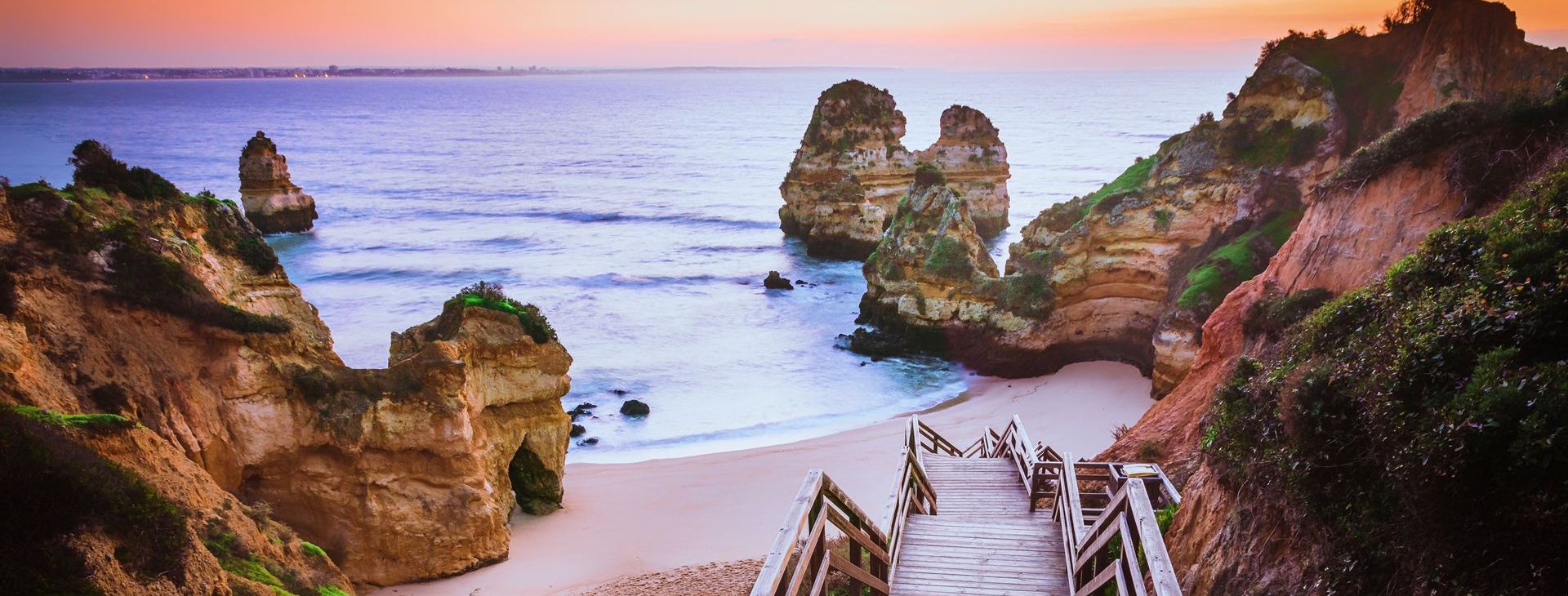
October 12, 2026
October 9, 2026

October 8, 2026
October 7, 2026
October 6, 2026
recent posts
- Honeymoon trip to Portugal October 12, 2026
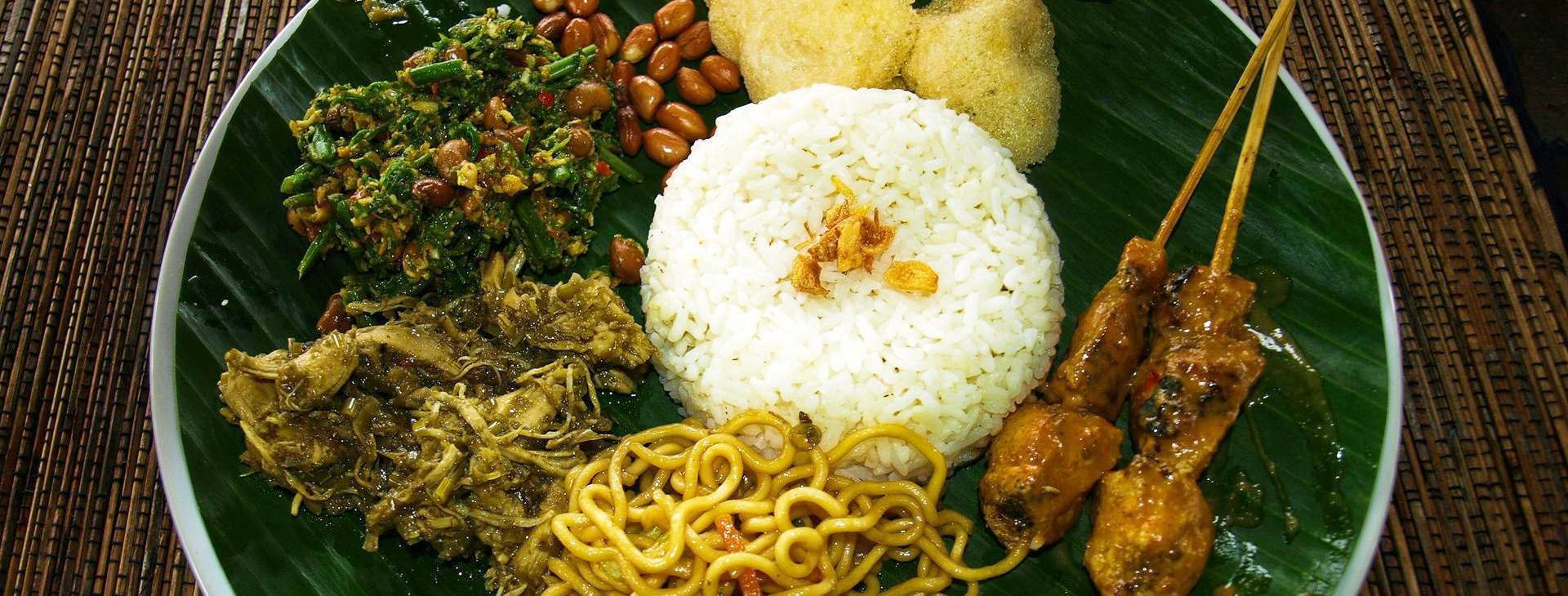
- Cambodian cuisine – what is worth trying? October 9, 2026
 Safety in Ecuador. Is Ecuador safe? October 9, 2026