Get inspired and read about your dream trip on the blog
Trip to Peru – how to prepare, what is worth knowing?
May 22, 2025
You've almost bought your dream home holidays in Peru. Before your eyes you have the legendary Machu Picchu, llamas and a Peruvian in a colorful poncho playing a melody on a flute. But a thousand questions are swirling in your head. Is Peru safe? What to see in Peru? We will try to answer these and other questions.

Machu Picchu
Why is it worth taking a trip to Peru?
- Because you will touch the historic Inca culture in one of the most recognizable places in the world – Machu Picchu.
- Because Peru is the only country with majestic mountains, the Amazon jungle and.. penguins!
- Because you will be surfing on the desert dunes.
- Because you will be carried away by the riot of colors of the skirts of Andean women.
What is worth seeing in Peru?
What are the biggest attractions of Peru? This is not to be missed:
Machu Picchu
You can reach it by hiking the Camino Inca for several days—one of the world's most fascinating trekking routes—or by train. It's usually shrouded in fog, which only adds to its aura of mystery. How was the ancient Inca capital founded? What motivated its inhabitants to live in such isolation? We recommend visiting Machu Picchu with a guide who will share many extraordinary stories.
Lake Titicaca
The highest navigable lake in the world, the region's inhabitants are Aymara and Quechua Indians, and their culture can be witnessed in nearby villages, on tours of the floating Uros Islands or the less commercial Titino Islands, and during the week-long Fiesta de la Virgen de la Candelaria festival held in Puno in early February, when colorful processions of dance groups wind through the city.
Iquitos
The heart of the Amazon jungle. This is the only city in the world without a road, accessible only by boat or plane. See pink dolphins and discover the world of Native American tribes, where a bunch of bananas or a live turtle still serve as currency, and the oracle is the word of a shaman.
What else is worth seeing in Peru? Definitely condors soaring over the Colca Canyon and the mysterious lines and symbols on the Nazca plateau – preferably from a bird's eye view. Also visit the white city of Arequipa, atmospheric Cuzco and Ollantaytambo with its ruins of ancient citadels and handicraft markets. Try your hand at sandboarding in the desert oasis of Huacachina and see how penguins live on the Islas Ballestas.
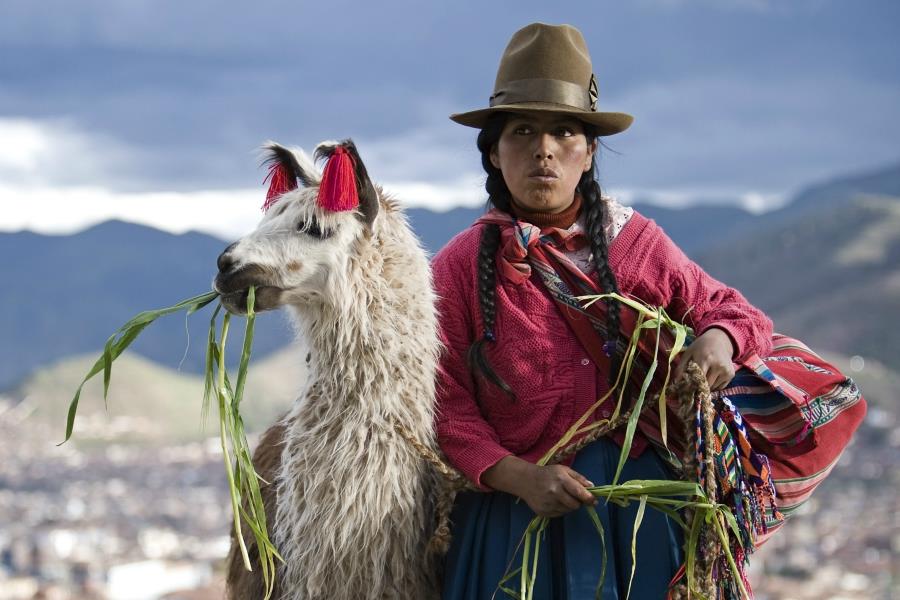
Peru - Inca Trail to Machu Picchu
PERU — Lima, Arequipa, Colca Canyon, Puno, Machu Picchu, Cuzco The Inca Trail is one of the most popular trekking routes in the world. It is 43 kilometers of beautiful mountain scenery, dense tropical forest and of course the stone remains of the Inca civilization - trails where Inca couriers ran, tunnels and interesting archaeological sites.
Holidays in Peru with a child?
Czy Peru is it a good destination for a trip with children? Yes, but your children will have to deal with changes in climate and altitude, a long flight to Peru and travel in not always comfortable conditions. To overcome the inconvenience, it is worth investing in private transport and better hotels. The youngest do not like monotony and will not listen to long explanations about the history of the Incas. What will interest them? What are the attractions for children in Peru? Definitely animals. In Peru there are llamas, alpacas, vicunas, large condors fly over the Colca Canyon, in the Amazon you will meet turtles and colorful parrots, and on the Islas Ballestas penguins and sea lions. The country of the Incas is a mosaic of completely different landscapes: the coast, the Amazon jungle, the Andean trails, and children love it when something different is always happening. Since Peru is located over a large area, it is worth making sure that the journeys between attractions are as short and varied as possible. Maybe a cruise on the Amazon or a flight over Nazca? Show your kids some amazing desert drawings. I wonder if they'll guess what shapes they see? The colorful Peruvian markets, where you can find almost anything, will surely delight the youngest treasure hunters. What will you feed your little ones?
Salchipapas – French fries with sausages will make every little gourmet happy, and in addition healthy and colorful fruit juices, sweet churros, picarones, or doughnuts in honey sauce made right before your eyes by plump Peruvian women. Local factories make some of the best chocolate in the world. And now a real hit! Did you know that cola can be yellow? Inca Cola is the color of the sun!
When to go to Peru?
The peak season in Peru is from June to August. This is a great time for hiking in the Andes. This is also the time when there are holidays in Europe and the USA. You have to be prepared for the biggest attractions to be crowded, but you can expect many interesting acquaintances from all over the world. If you prefer to explore in peace and quiet, and changeable weather is not a problem for you, we recommend going on holiday in the transitional seasons, i.e. from April to June, when the mountains are covered in lush greenery after the rainy season, and from September to October.
Visa to Peru – is it necessary?
No. If you are traveling to Peru for tourist purposes, you can stay in the country for up to 90 days without having to apply for a visa. You just need a passport valid for at least 6 months from the date of entry to Peru.

Peru Exclusive
PERU — Lima, Sacred Valley of the Incas, Machu Picchu, Cuzco, Titicaca Atmospheric, colonial hotels, unique eco-lodges and an unforgettable journey aboard the luxury Peru Rail train from Cuzco to Lake Titicaca!
Health in Peru. Are vaccinations required for Peru?
No. Vaccination against yellow fever is recommended, especially if you are planning to visit the Amazon. Of course, it is always worth getting basic vaccinations useful for travel, such as rabies, typhoid, hepatitis A and B, tetanus and polio. At lower altitudes, take repellents and avoid mosquito bites, which can carry the Dengue virus and Zika, which are particularly dangerous for pregnant women. In mountainous areas, be prepared for unpleasant symptoms of altitude sickness, such as headache and nausea. Rest on the first day of your stay at higher altitudes, and if you have circulation problems, consult a doctor before traveling. Medical care with standards similar to those in Europe can be found in larger cities.
Security in Peru
Is Peru safe? Yes, if, like in all of South America, you follow the principle of limited trust and exercise caution. Above all, watch out for pickpockets and "gangs" who, using the popular "bird poop scam", can rob you of your wallet. Remember to protect valuable items and documents well and not flaunt yourself by wearing expensive clothes or jewelry.
In Peru, drug cartels and the terrorist organization "Shining Path" operate. For this reason, the Polish Ministry of Foreign Affairs warns against traveling to the WRAE region (Valle de los Ríos Apurímac, Ene y Mantaro). Earthquakes occur, especially in the Andes and on the coast. In many places, safety zones have been designated, marked with a white letter "S" on a green background (zona de seguridad).
Don't worry. We don't want to scare you! Remember that thousands of tourists from all over the world come to Peru every year, experience a fantastic adventure, and return home happily full of positive impressions.
Money in Peru
Peru's currency is the Peruvian new sol. In many places, such as better hotels or restaurants, you can also pay in dollars or euros and with Visa and Mastercard. The ATM system in Peru works very well and you will have no problems withdrawing money in any larger city, so for safety reasons do not take large amounts of cash from Poland and do not carry it with you. Use ATMs at large banks such as BCP (Banco de Credito del Peru), BBVA and Scotia Bank. You can also exchange currency there. Inform your bank that you will be making transactions abroad so that they do not block your account and it is best to take payment cards to accounts where no or small fees are charged for withdrawals at ATMs abroad. For a so-called rainy day, it is worth having hard currency with you, i.e. US dollars or euros, of course deeply hidden. You have probably heard about the so-called express kidnappings of tourists in South America. Unfortunately, they also happen in Peru, so it is better to be prepared for such an extreme situation. Criminal groups force their victims to withdraw funds from an ATM from their account. Never fight with kidnappers. Protect yourself by having two accounts, one so-called tourist, for which you will have a payment card and a small amount of cash for current expenses and the second "main" account, for which you will leave the card in Poland, and from which you will transfer small amounts to your "tourist" account on an ongoing basis. Usually nothing bad happens, but...

In the Kingdom of Condors
PERU — Lima, Paracas, Arequipa, Colca Canyon, Cuzco, Machu Picchu Endless spaces, deep canyons, fertile valleys and the most beautiful colonial cities - you will see all this and much more during this extraordinary journey through Peru!
Peruvian Cuisine – What to Eat in Peru?
Well, the Peruvian specialty is home-made coffee or Peruvian-style coffee. cuj, or... our sweet guinea pig, which we often keep at home for cuddling and friendly fraternization with a living creature. Peruvians, especially in the provinces, also like to keep these charming animals in their home pens, but for purely food purposes, just like we do with chickens. This is more or less what guinea pigs taste like. Eat in Peru ceviche. This salad of marinated seafood is popular almost all over Latin America, but in Peru – trust us, you will try a truly delicious version of this dish. For an appetizer or a “street snack” you can try Tamales – ground corn with additives wrapped in banana leaves or papa rellenos – grilled stuffed potato. For dinner it is popular I'm a wimp, or fried beef, grilled chicken, or the well-known rotisserie chicken, treated here almost as a national dish. The most popular soup is chicken soup, which tastes like our broth, but if you want to try something more local, order heart of lomos – sheep spine soup. When you get any meat on a plate or in a soup in the Amazon, it will most likely be turtle, but you might also get an iguana or crocodile, yuka instead of salad and cornmeal pancakes similar to Colombian arepas. You can get freshly squeezed juices from exotic fruits almost everywhere. Our favorite is cherimoya juice. What will be yours?
Travel to Peru – what to pack?
First of all, make a list! Then, during the pre-departure madness, you won't forget to pack the most important things. What should be in your suitcase apart from your personal belongings? You definitely can't miss a sunscreen and a head covering. They will be useful both in the tropical Amazon and on mountain trekking. Pack bandages in your first aid kit, and for possible altitude sickness, painkillers and charcoal for diarrhea. Electrolytes and tablets with microelements to dissolve in water will also be useful. If you plan to travel to places below 2300 m above sea level, take insect repellent with you. Cosmetics in small packages will work well, because there is no point in carrying unnecessary ballast. Also pack light flip-flops for the shower, earplugs for better sleep during a long flight, a small pocket knife that has everything, a neck bag or a so-called fanny pack for documents and money, and a headlamp and batteries. Comfortable shoes are a must in your luggage, especially if you plan on hiking or doing some intensive sightseeing. Think about your electronics – do you have a large enough memory card in your camera and have you packed all your chargers, adapters and USB cables?
What to remember before traveling to Peru?
Here, too, you will need a personal checklist of important things to do before you travel. Here are a few suggestions from us. Install helpful apps on your phone, such as a map of Peru and an offline Spanish translator – you won’t be able to communicate in English everywhere. Make sure you have written down all important phone numbers and addresses, have your documents and a photocopy of your passport or its electronic copy with you, and have informed your loved ones about your travel plans.
How to get around Peru?
Long-distance buses are one of the most comfortable, cheap (ticket prices in VIP class are similar to Polish) and relatively safe means of transport in Peru. You will find very comfortable buses belonging to companies such as Cruz del Sur, Movil Tours, Civa or Oltursa, which are ideal for long distances and night transfers, have reclining seats, TVs and catering on board. Of course, you will also find in Peru so-called local buses, very cheap, which travel in a much less comfortable way, but you can feel the local folklore in them. Buses depart from stations, often located on the outskirts of cities, e.g. in Lima it is Terminal Terrestre (Terminal North Plaza) or directly in front of bus agencies.
In cities, you can travel by city buses, usually crowded, where the journey is made more interesting by vendors of various kinds, most often selling miracle cures that alleviate all the diseases of the world, and street musicians. Tickets cost less than a dollar and you can buy them on the bus. Avoid walking at night and use only legal taxis with the name of the company they work for. You can safely use Uber. In Lima, there is a city bike system called CityBike (www.citybikelima.com).
The Peruvian Amazon is home to elegant ships with private cabins, a guide, and vegetarian options. If you're feeling adventurous, choose a ship that is used by the people of the Amazon. Then remember to bring your own hammock and earplugs, because you'll be woken up very early every morning by chickens roaming freely on the deck.
What to bring from Peru?
Buy yourself a chullo! This is a typical Peruvian hat with earflaps made of alpaca, sheep, llama or vicuna wool. Or a sweater, poncho, blanket or at least socks. Woolen clothing will keep you warm in winter in Poland and remind you of your Peruvian vacation. Especially if you pour yourself a glass of Pisco Sour. This alcohol produced from grapes, with a hint of lemon and cane sugar is a Peruvian national treasure. And maybe bring yourself a record with traditional music, or if you like to create sounds yourself, an Andean flute or charango. For gourmets, we offer organic coffee, chocolate or... coca leaf candies. In the Inca country, they will help you cope with altitude sickness, and will be a curiosity that you can treat to your friends in Poland. Maybe they will also want to get closer to the Andean peaks.
Peru - practical information
Peruvian currency: new Peruvian sol 1 sol = 1,2 PLN
Time in Peru: in Peru it is 6 hours less than in Poland in winter and 7 hours less in summer (in Peru there is no change to daylight saving time).
Electrical plugs in Peru: the voltage is 220 V, the electrical sockets are adapted to American plugs with two thin pins or two thin and one round, there are also sockets the same as in Poland. It is worth taking an adapter or buying it on site.
Embassy of the Republic of Poland in Lima:
Avenida Salaverry 1978, Jesus María, Lima 11, Peru
Phone: (00-511) 471 39 20, 470 04 24, for urgent matters (00-511) 999 400 552
Emergency numbers in Peru:
Emergency calls: 112
Police: 105, Fire Department: 116, Ambulance: 106

New Zealand Weather and Temperatures – When to Go on Holiday
Older post
Vaccinations before traveling to Mauritius - recommendations and requirements
Newer post
November 4, 2026
November 2, 2026
October 30, 2026
October 28, 2026
recent posts
 The best diving spots in the world – where to go? November 6, 2026
 Wedding abroad – what should you remember? November 5, 2026