Get inspired and read about your dream trip on the blog
Vaccinations before traveling to Mauritius - recommendations and requirements
May 22, 2025
Are you planning an exotic trip to Mauritius – an island of dreams, where clear water meets white sand, and nature delights with its lushness at every step? However, before you immerse yourself in this tropical reality, it is worth stopping for a moment and taking care of something that can easily slip away in the heat of planning – your health. Although Mauritius is mainly associated with a paradise vacation, it – like any exotic destination – requires a little more preparation from travelers. Especially if you want to experience this trip not only beautifully, but above all safely. Traveling to countries located in the tropical zone is associated with different climatic conditions, different bacterial flora, potential risk of contact with infectious diseases and different sanitary standards. That is why it is so important to take care of health issues in advance – and vaccinations are one of the key elements of this prevention. Although Mauritius is not a high-risk country, it does not mean that you can completely ignore the topic. Vaccinations are not only protection against serious diseases – they are also a way to have a peaceful, stress-free vacation. With proper preparation, you will avoid a situation in which health problems disrupt your plans, force you to seek medical help abroad or even prevent you from entering the island.
Health in Mauritius
When planning a trip to Mauritius, an island associated with paradise beaches, turquoise waters and exotic nature, you certainly think about relaxation, sun and unforgettable views. However, before you start packing your bags, it is worth taking a moment to prepare yourself in terms of health. Although Mauritius is considered a relatively safe destination, the tropical climate and local conditions can surprise unprepared travelers. Here is a comprehensive health guide, thanks to which you will be able to enjoy your trip to the fullest - without stress and unpleasant surprises.
Let's start with water and food - two pillars of health when travelling. In Mauritius, drinking water straight from the tap is not recommended. Although locals often do it, for those not used to it, it can result in stomach problems. The best choice is bottled water - available practically everywhere and cheap. Also, avoid ice cubes in drinks, especially in local bars or stalls - you can never be sure what water they were made of. If you have any doubts about the cleanliness of the dishes or food, it is better to skip the meal than risk food poisoning.
Street food can be delicious, but it can also be risky. Pay attention to sanitation – a clean counter, fresh ingredients, and properly stored food are essential. It’s best to choose places that are popular with the locals – this usually means good product rotation and freshness. Try to avoid raw fruit and vegetables unless you’re sure they’ve been washed in safe water.
Another important topic is insects. Mauritius is a tropical country, which means there is no shortage of mosquitoes here – especially during the rainy season, which lasts from November to April. They can carry various diseases, including dengue and chikungunya. Therefore, protection against bites is essential. Use repellents with DEET, wear airy but covering clothes – especially in the evening – and use mosquito nets if you sleep in less standard conditions. It is also worth choosing accommodation with air conditioning, which discourages insects from staying in the room.
Don't forget about the sun. Tropical rays can be treacherous, even if the sky is partly cloudy. Take care of a strong sunscreen - at least SPF 30 - and apply it regularly, especially after swimming in the sea. A hat and sunglasses are a must-have, and during the hours of the greatest sun (i.e. from 11:00 to 15:00) it is best to limit direct exposure to the beach. Sunburn can ruin the whole pleasure of a holiday, and in extreme cases even lead to heat stroke.
A slightly less obvious but equally important issue is the weather conditions. Mauritius, although it has a pleasant climate all year round, is prone to cyclones – especially between January and March. Keep an eye on local weather forecasts and if there is a cyclone warning, do not ignore it. Remember that a sudden change in weather can affect not only safety but also the availability of medical care in some areas.
Also, take care of your first aid kit. Although there are many pharmacies in Mauritius, their range may differ from what you are used to. It is worth taking basic medications with you: painkillers, antipyretics, antiallergics, diarrhoea preparations, electrolytes, insect bite remedies and panthenol cream. People taking medications on a regular basis should have a supply for the entire stay – along with a copy of the prescription in English.
If necessary, you can use local medical facilities - Mauritius has a well-developed healthcare system, and private clinics offer high-quality services. However, it is worth having health insurance that covers the costs of treatment abroad - without it, a visit to a private hospital can be very expensive.
In summary – by taking care of basic hygiene rules, protecting yourself from the sun and mosquitoes, and having the most necessary medical supplies with you, you can enjoy this unique place without any worries. Mauritius is a paradise not only for the eyes, but also for the soul – provided that you take care of your health with the same commitment as you plan trips to the beaches or mountain trails.

Vaccinations for Mauritius - a list of mandatory and recommended vaccinations for tourists
If you are planning a vacation in one of the most picturesque places in the world, which is undoubtedly Mauritius, before you give in to exotic dreams, it is worth thinking about something much less romantic, but very practical - vaccinations. The topic of Mauritius - vaccinations may seem less exciting than choosing a hotel with an ocean view, but it is one of the key elements of responsible preparation for travel.
Let's start with the fact that there are no mandatory vaccinations for tourists from Poland when traveling to Mauritius - unless you are coming from a country where yellow fever is present. This is an important caveat: if you are planning a transfer or stay in one of the countries at risk of this disease (e.g. some African or South American countries), you must show proof of vaccination against yellow fever when entering the island. Otherwise, you may be turned away from the border.
Although vaccinations are not formally mandatory for Mauritius, there are several that are strongly recommended by the World Health Organization (WHO) and the Polish Ministry of Health. You are probably wondering: Mauritius – what vaccinations are worth considering? We will explain.
- Hepatitis A (Hepatitis A) – this is one of the most frequently recommended vaccinations when travelling to countries with sanitary standards other than those in Europe. Hepatitis A is transmitted through food – through contaminated water, food and dirty hands. In Mauritius, you may be exposed to the virus, especially when eating in street bars or drinking drinks with ice. Vaccination against hepatitis A provides long-term protection – up to 20 years – and allows you to enjoy the culinary attractions of the island.
- Hepatitis B (Hepatitis B) – Hepatitis B is a disease transmitted through blood and other body fluids. Theoretically, the risk for the average tourist is small, but if you plan on doing activities that increase the risk of injury (e.g. water sports, trekking in remote areas), or contact with local health services (e.g. in the event of an accident), it is worth getting vaccinated. What's more, vaccination against hepatitis B is often done in childhood, so it is possible that you are already protected.
- Typhoid – this bacterial disease is also spread through contaminated water and food, and its symptoms – fever, abdominal pain, weakness – can effectively ruin a vacation. If you plan to eat at street markets or stay in less touristy areas of the island, consider this vaccination. It will be especially important for people planning a longer stay.
- Tetanus, diphtheria, whooping cough (combination vaccine) – these are vaccinations that most of you received in childhood, but it is worth updating them every 10 years. Tetanus can develop even after a minor cut, e.g. on a coral reef or during a mountain trip. If you do not remember when you last had a vaccination, it is worth referring to your documentation or consulting a doctor.
- Rabies – rabies vaccination is not mandatory or even recommended for every tourist. But if you plan on having contact with wildlife – for example, trips into the interior of the island, a stay on a farm, volunteering with local animals, or you have children who might inadvertently approach a strange dog – it is worth considering. Mauritius has a low level of disease, but the risk is never zero, and treatment after exposure is expensive and time-consuming.
- COVID-19 – In the context of international travel, COVID-19 vaccination may be required or at least make things easier (e.g. no need for testing or quarantine). Mauritius does not currently require proof of vaccination, but the situation may change rapidly. In addition, the virus is still circulating, and contact with people from all over the world increases the risk of infection. Getting vaccinated is also a form of protection for others.
Which vaccinations you need for Mauritius largely depends on the nature of your trip. If you are planning a luxury vacation in a five-star hotel with a private beach and limited contact with the local population, the risk is relatively low. However, if you are planning active exploration of the island, local food, jungle expeditions or contact with animals, the recommended vaccinations become more important. It is best to plan vaccinations in advance - some require several doses at intervals, others need several weeks to develop full immunity. Ideally, you should consult a travel medicine doctor at least 6-8 weeks before departure.
To sum up: although vaccinations for Mauritius are not mandatory for tourists from Poland, it is definitely worth considering them. By taking care of your health before your trip, you provide yourself with greater comfort, safety and peace of mind on the spot. So if you are wondering what vaccinations to take for Mauritius, the answer is: those that will allow you to experience this adventure healthily and without stress.

Madagascar with the Avenue of the Baobabs and the beaches of Mauritius
Madagascar, Mauritius | Anatananarivo, Morondava, Kirindy, Bekopaka, Le Morne
How to prepare for a trip to Mauritius?
Are you going on holiday to Mauritius? Great! However, before you set off to meet paradise, it is worth preparing well in terms of health. Exoticism is not only a pleasure, but also different sanitary conditions, climate, flora and fauna. A well-planned trip will allow you not only to fully enjoy your holiday, but also to avoid unpleasant surprises. Here is what you should do to take care of your health before you set foot on this extraordinary island.
Food hygiene and safety are very important. In Mauritius, sanitary standards are relatively good, but this does not mean that you can completely abandon caution. Do not drink tap water - choose bottled water, which you can find in every shop and hotel. Even for brushing your teeth, it is better to use boiled or bottled water, especially if you have a sensitive digestive system. Give up ice cubes in drinks, especially in street bars - you never know what water they were made of.
When it comes to food, follow the rule of “boil, fry, peel or don’t eat”. Avoid raw vegetables and fruit unless you are sure they have been washed in safe water. It is best to buy fruit that you can peel yourself – bananas, mangoes and papayas are ideal choices. Also be careful with street food – although it is often tasty and cheap, it does not always meet basic hygiene standards. Pay attention to the cleanliness of the stall, the popularity of the place (high traffic means freshness), and the temperature of the food served.
Another aspect that you cannot forget is sun protection. Mauritius is located in the tropical zone, and UV radiation is much stronger here than in Europe. Even if the sky is slightly cloudy, you can quickly get sunburned. Take creams with a high filter (minimum SPF 30, preferably 50), wear hats, sunglasses and light, airy clothing that covers your body - especially at noon. Also remember to regularly hydrate - drink plenty of water, especially when sightseeing or doing sports.
Don't forget that climate change can affect your body. Heat, high humidity and different foods can cause fatigue, mild stomach upset or headaches for the first few days. Give yourself time to acclimatize - don't plan any intense attractions on the first day, drink plenty of water and avoid heavy meals. People with chronic diseases, circulatory problems or asthma should consult a doctor beforehand to make sure tropical conditions are safe for them.
If you are planning an active holiday – e.g. diving, kitesurfing, trekking or boat trips – make sure that your physical condition allows for such challenges. Bring comfortable sports shoes, technical clothing and a change of clothes if you are planning mountain trails or hiking.
It is also worth writing down the basic emergency numbers and the address of the nearest medical facility in the area you are staying in. There are many private clinics and pharmacies in Mauritius that offer good quality services – however, their prices can be high, so make sure you have valid travel insurance that covers medical costs.
Traveling to Mauritius is a dream for many – a paradise island that can enchant everyone. But to truly enjoy this place, it is worth taking care of your health before you leave home. Proper preparation – both in terms of diet, sun and insect protection, and well-being – will ensure you have a peaceful and safe vacation.

The nature of Reunion and the beaches of Mauritius
Mauritius, Reunion | St. Gilles, St. Denis, Flic en Flac
What medications should I take with me on my trip to Mauritius?
One of the most important elements of packing – right next to documents and sunscreen – is a well-stocked travel first aid kit. Properly selected medications can save your vacation in a situation where access to a pharmacy is difficult or when a quick response is crucial. So: what medications to take to Mauritius? Here is a list with a description of what and why it is worth having with you.
- Painkillers and antipyretics – start with the basics. It is worth packing paracetamol or ibuprofen – they are universal, effective and relatively safe. They will help with headaches, toothaches, muscle pain after a long journey or fever that may appear as a result of infection or sunstroke. It is good to have both active substances with you, because they work slightly differently – ibuprofen also has anti-inflammatory properties.
- Medicines for gastrointestinal complaints – a change in climate and cuisine can affect your digestive system. Even if you are careful, you can’t always avoid stomach problems. So take loperamide – for sudden diarrhoea, especially useful when travelling, probiotics, which are worth starting a few days before departure and continuing during your stay, strengthening the intestinal flora and helping to prevent traveller’s diarrhoea, preparations for flatulence and indigestion – such as simethicone or herbal tablets for digestion, and activated charcoal – a classic solution for milder food poisoning.
- Electrolytes – in a tropical climate it is easy to become dehydrated – especially with diarrhea, fever or after intense physical exertion. Electrolytes in sachets to be dissolved in water are lightweight, take up little space and can be invaluable when your body needs a quick replenishment of mineral salts and hydration.
- Antiallergic drugs – although Mauritius is not a particularly allergenic place, it is worth having antihistamines with you. Insect bites, unfamiliar plants or reactions to new food – all of these can cause adverse reactions. Cetirizine, loratadine or desloratadine work well – they do not cause drowsiness and are long-acting.
- Insect Bite Remedies – Mosquitoes and other insects can be particularly troublesome, especially in the evenings or in the more humid areas of the island. Take repellents with DEET or picaridin – they effectively repel mosquitoes, a soothing gel for bites – e.g. with ammonia, hydrocortisone or aloe vera, and an antihistamine or cooling cream – it relieves itching and swelling.
- Anti-inflammatory and skin inflammation medications – an ointment with hydrocortisone or panthenol will come in handy – both for skin irritations after sunbathing and minor inflammations, e.g. after cuts. It is also worth taking something for herpes, if you are prone to it – the sun and a weakened body can activate it.
- Ointments and remedies for abrasions, cuts and wounds – in the tropics, every wound, even the smallest, should be well secured. Take a disinfectant – e.g. Octenisept or an alcohol-based liquid, an antibiotic or zinc ointment – it speeds up healing and protects against infection, as well as plasters in various sizes and sterile dressings – they will be useful if you plan on trekking or water sports.
- Motion sickness medication – if you are planning cruises, driving on winding roads or long car journeys, take something for nausea – e.g. dimenhydrinate (Aviomarin) or ginger tablets, which work more gently but effectively.
- Cold and sore throat remedies – climate change, air conditioning in a plane or hotel can cause an upper respiratory tract infection. It is worth packing throat lozenges (e.g. with propolis or herbal), antiseptic throat spray, cold medicines, e.g. decongestant drops, and vitamin C and zinc – to support immunity.
- Medications taken on a regular basis – if you have a chronic illness – e.g. high blood pressure, diabetes, asthma or allergies – pack enough medication for the entire trip plus a few days “in reserve” in case of delays. Keep them in your hand luggage so you always have them with you.
A trip to Mauritius is undoubtedly an unforgettable adventure – full of delight, relaxation and exotic experiences. However, in order to fully enjoy this experience, it is worth taking care of your health in advance. As practice shows, well-planned medical preparation before departure can protect you not only from serious illnesses, but also from stress and unexpected expenses on site. Although vaccinations before traveling to Mauritius are not mandatory, they should not be underestimated. Recommended preventive vaccinations, such as against hepatitis A and B, typhoid fever or tetanus, are a proven and effective way to protect yourself against diseases that occur more often in the tropics than in Europe. Especially if you are planning an active holiday, contact with local people, eating street food or traveling outside the main resorts, health protection should be a priority for you.
Beaches in Mauritius They delight with turquoise water, white sand and a peaceful atmosphere - no wonder the island is considered one of the most beautiful destinations for a romantic vacation. Honeymoon in Mauritius is an ideal option for couples looking for exotic, luxury and unforgettable views. Although the island is considered relatively peaceful, it is worth checking the current information regarding security in Mauritius and follow local recommendations. Flight time to Mauritius from Europe it takes on average 11–12 hours, so it is worth ensuring travel comfort and planning a longer stay.


Trip to Peru - how to prepare, what is worth knowing?
Older post
Travel to Vietnam - how to prepare?
Newer post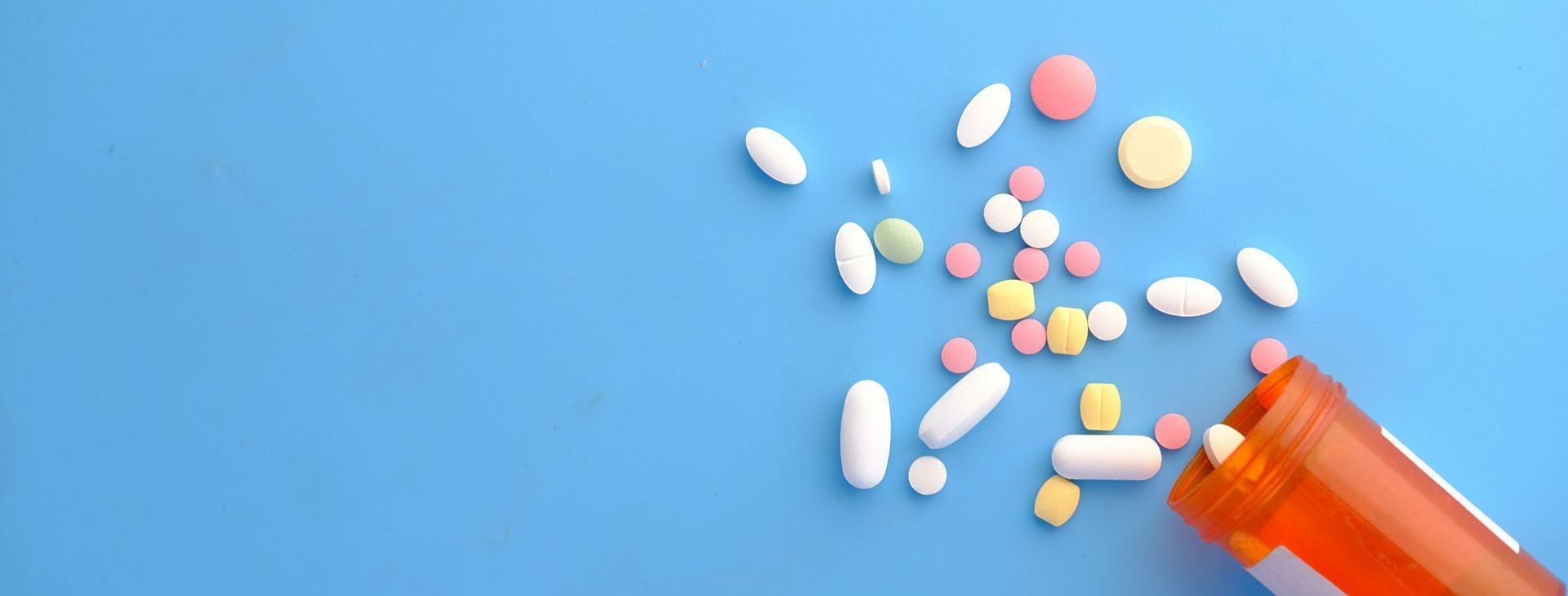
November 4, 2026
November 2, 2026
October 30, 2026

October 28, 2026
recent posts
 The best diving spots in the world – where to go? November 6, 2026
 Wedding abroad – what should you remember? November 5, 2026