
Get inspired and read about your dream trip on the blog
Vaccinations before traveling to Australia – recommendations and requirements
August 19, 2025
Health when traveling to Australia is a topic that shouldn't be underestimated – from the climate and sun, through nature, to the distances and intensity of the trip itself. By taking care of your own safety and well-being, you can be sure that every day spent in the land down under will bring joy and new, fascinating discoveries. So how should you prepare for such a trip in terms of health, what vaccinations should you take, and what medications should you take? Australia appears to be a continent of extraordinary contrasts, where modern metropolises intertwine with endless deserts, and bustling beaches border wild national parks full of unique fauna and flora. It's a country where you'll find everything – from Great Barrier Reef and tropical forests of Queensland, to the harsh spaces outback and rock wonders Uluru Blue MountainsOn the one hand, it's waiting for you Sydney Opera House and cosmopolitan streets Melbourne, and on the other, the opportunity to encounter kangaroos and koalas in their natural habitat. Australia's uniqueness also lies in its climate and geographical diversity. Within one country, you can explore tropical coastlines, arid deserts, mountain trails, and lush valleys. There, you'll encounter the rich culture of the indigenous people – the Aborigines, whose traditions and art form an important part of the continent's identity. Each region has its own unique character and countless attractions, making the trip an unforgettable experience. However, it's worth remembering that such a diverse environment requires proper preparation.
Healthy travel to Australia
A trip to Australia is an adventure that requires proper preparation, including health-related considerations. When planning an extended stay in such a remote country, it's important to remember that the climate, wildlife, and lifestyle differ significantly from what you're used to. Being aware of potential health challenges will help you avoid many unpleasant surprises and ensure your trip is not only exciting but also safe.
The first aspect to consider is the climate. Australia is known for its hot summers and intense sun. UV radiation is much stronger there than in Europe, so you should ensure adequate skin and eye protection. Using high-SPF sunscreen, a hat, and sunglasses is a daily necessity. Hydration is equally important – it's easy to forget to drink water while sightseeing or at the beach, and dehydration sets in much more quickly in hot climates than in temperate conditions.
You also can't forget about Australia's natural environment, which is astonishing in its diversity, but also harbors certain dangers. Encounters with wild animals require caution and adherence to safety regulations. When hiking, stick to designated trails and avoid areas where the risk of contact with dangerous species is higher. On beaches, it's worth paying attention to signs warning about the presence of jellyfish and sharks, and use lifeguarded swimming areas.
When traveling in Australia, you also need to consider long distances. Long car journeys can be tiring for your body, so you should take regular breaks, stretch, and rest. It's also worth remembering that changing time zones can cause jet lag. Adjusting to the new daily rhythm takes a few days, so it's a good idea to plan a more leisurely start to your trip to give your body time to recover.

Vaccinations for Australia - a list of mandatory and recommended vaccinations for tourists
Australia does not require specific vaccinations for those arriving directly from non-exposed countries. The only exception concerns yellow fever: if you have stayed (even overnight) in a risk country (some African and South American countries) within six days of arrival, or have transited for more than 6 hours in such a country, you may be asked at the border for an International Certificate of Vaccination against yellow fever. The vaccination itself must be received at least 12 days in advance, and the certificate is valid for life. As for recommended vaccinations, the list is short, and you likely won't encounter any situations that would expose you to danger during your trip.
- Routine vaccinations Basic routine vaccinations that should be up to date before any international trip – including to Australia – include measles, mumps, and rubella (MMR), diphtheria, tetanus, pertussis, and polio. It's crucial to be fully protected against measles, as cases of this disease still occur worldwide and are sometimes brought to Australia. Booster doses against tetanus and pertussis are equally important, and should be renewed every 10 years. It's also worth getting vaccinated against chickenpox if you haven't had the disease and haven't received the vaccine before. Another important step is getting vaccinated against influenza, especially if your trip falls during the Australian flu season, which runs from June to September.
- Hepatitis B Although not required for entry, vaccination against hepatitis B is one of the most frequently recommended precautions for those planning a holiday in Australia. The virus is transmitted through blood and sexual contact. Vaccination is particularly recommended for longer stays, volunteering, working, or activities involving the risk of injury or medical intervention.
- Japanese encephalitis This disease has been present in some regions of Australia for several years, particularly in rural areas associated with pig farming, the Murray-Darling Valley, and the Torres Strait Islands. The virus is transmitted by mosquitoes, and the risk of infection increases during camping, fishing, or working in rural areas. Vaccination is recommended for people planning to stay there for an extended period of time—at least a month—or for a shorter period if they anticipate frequent outdoor activities in conditions conducive to bites.
- Rabies and Australian bat lyssavirus Although classic rabies does not occur in Australia, there is a risk of infection with Australian lyssavirus, transmitted by bats. This risk primarily affects people who intend to spend time in caves, engage in field research, work in reserves, or volunteer with wildlife. In such situations, pre-exposure vaccination is recommended, which may be a two- or three-dose regimen. Even vaccinated individuals should seek immediate medical attention and implement appropriate post-exposure prophylaxis if scratched or bitten by a bat.

Australia and New Caledonia – a journey to the Antipodes
Australia, New Caledonia | Sydney, Poe, Kone, Hiengene, Poindimie, Farino, Ile Des Pins, Noumea
How to prepare for a trip to Australia?
A trip to Australia requires a thoughtful approach to health, even in less obvious areas. Besides vaccinations, packing a first aid kit, and paying attention to sun protection and proper hydration, one such consideration is preparing the body for the change in climate and geographic zone.
Weather in Australia is characterized by large temperature differences between day and night in some regions – especially in the outback. Therefore, you should dress appropriately in layers and prepare for weather fluctuations to avoid colds or heat exhaustion.
An important element is also food hygieneFood is safe in Australia, but high temperatures are characteristic and contribute to rapid spoilage. Therefore, remember to store food in coolers, avoid leaving drinks or food in a hot car, and be careful with water in remote areas. It's best to use bottled or tested water, and carry water purification products when hiking.
When visiting cities or coastal areas you need to be prepared for contact with other types of insects, not just mosquitoesFlies can be a real nuisance in Australia, and they can be persistent and intrusive, so it's worth getting special mosquito nets or mesh hats to make it easier to function in open areas.
Don't forget about the appropriate fitness preparationAustralia tempts with trekking, water sports, and diving, which can be physically demanding. Before setting off on your trip, it's worth ensuring your general fitness, as fatigue or lack of fitness can easily lead to injuries. It's also a good idea to practice snorkeling beforehand or test your endurance on longer hikes.
It is also worth thinking about prevention related to personal hygieneIn hot climates, it's easy to get chafing, sore feet, or athlete's foot, especially when hiking for hours in closed shoes. When packing, it's a good idea to bring lightweight, breathable clothing, quick-drying towels, and antiseptics to help maintain comfort and prevent skin infections.

The most beautiful corners of Australia
Australia | Melbourne, Grampians National Park, Apollo Bay, Byron Bay, Sydney
What medications should you take with you when traveling to Australia?
One of the most important elements of preparing for a trip to Australia is bringing a properly stocked first aid kit. Medications not only provide emergency cover but also provide practical support in situations that may arise in the unusual conditions of the Australian climate and natural environment, so it's worth considering what to pack to be prepared for both everyday inconveniences and the unique challenges unique to Australia.
- A set of basic medications and medical supplies These primarily include painkillers and antipyretics, such as paracetamol and ibuprofen, which are effective for both infections and minor injuries. Medications for stomach ailments are also essential, as changes in diet or climate can result in traveler's diarrhea. It's worth carrying electrolyte supplements to quickly rehydrate the body in case of diarrhea or dehydration in the heat. Constipation medications and activated charcoal, which help with food poisoning, are also good options.
- Antiallergic drugs – new surroundings, unfamiliar plants or insects can cause allergic reactions, so antihistamine tablets and ointments to soothe itching and rashes should be in your medicine cabinet.
- Motion sickness remedies – especially if you are planning ocean cruises or internal flights.
- Dressings and disinfectants – You should bring plasters of various sizes, sterile gauze pads, elastic bandages, and pressure bandages, which will be useful for abrasions or minor cuts. Hydrogen peroxide, salicylic acid, or special antiseptic wipes are also essential for cleaning the wound. It's also worth remembering anti-burn cream and ointment for minor wounds, which will speed up skin healing.
- Effective protection against insects In tropical and subtropical regions, mosquitoes can transmit diseases, and flies can be a nuisance throughout the country. A strong repellent with a high concentration of DEET or picaridin is essential. It's also a good idea to bring a soothing product after bites to reduce swelling and itching.
- Sun protection Australia is known for its intense sun, so high-factor UV sunscreens are essential, as well as soothing after-sun balms, preferably aloe-based. It's also worth carrying a lip balm with SPF for lips that burn easily in strong sunlight.
- Drugs specific to Australian field expedition conditions – During long outback hikes, mineral salt tablets or powders are useful to help maintain electrolyte balance. Cooling gels for muscles and joints are also a good addition, as active sightseeing or trekking in mountains and deserts can put strain on the musculoskeletal system. If you plan to dive or fly frequently, it's worth taking ear and nose drops, which will help balance pressure and prevent inflammation.
Diseases and health threats in Australia
Before you set off, you should be aware that Australia, in addition to its wonderful attractions, also harbors certain diseases and health hazards unique to this region. Being aware of these and knowing how to prevent them will allow you to travel with peace of mind and enjoy your stay without worry. The risks are not significant, and if you're wondering, is Australia a safe country, we answer – yes, but better safe than sorry!
- Japanese encephalitis (mosquitoes) – a mosquito-borne disease, recently present in Australia, especially in pig-farming areas and the Murray River Valley; it has a severe course and can lead to neurological complications, therefore when staying in risk areas, special care should be taken to protect against insect bites.
- Australian bat lyssavirus (bats) – a virus related to rabies, found exclusively in Australia and transmitted by bats; infection occurs through a bite or scratch. Symptoms resemble classic rabies and are almost always fatal without treatment, so absolutely avoid approaching or attempting to touch bats.
- Dengue (mosquitoes) – occurs sporadically, mainly in the north of the country, especially in Queensland; it manifests itself with fever, rash and joint pain, is rarely fatal, but can significantly reduce travel comfort.
- Ross River Virus (mosquitoes) – is endemic in many regions of Australia and causes fever, rash and joint pain that can last for weeks; the disease is not life-threatening but is very bothersome.
- Barmah Forest Virus (mosquitoes) – another viral infection typical of Australia, causing fever, joint pain and rash; it is usually milder than Ross River Virus, but can weaken the body and make travel difficult.
- Sunburn (UV radiation) – Due to one of the highest levels of UV radiation in the world, unprotected skin can be damaged after just a few minutes of exposure; this increases the risk of skin cancer, which is extremely common in Australia.
- Snakes (venomous species) – Australia is home to some of the most dangerous species, such as the inland taipan, the reticulated cobra and the tiger snake; a bite requires immediate medical attention and the administration of antiseptic serum, so avoid tall grass, wear sturdy footwear and stick to designated trails.
- Spiders and scorpions – although some species, such as tarantulas, can cause severe symptoms, and others – such as jumping spiders – are harmless despite their large size, it is always worth being careful, checking shoes or objects left outside and avoiding contact with these animals.
- Jellyfish (sea wasps and irukandji) – they pose a serious threat in northern Australian waters as their stinging tendrils cause extremely painful and sometimes fatal reactions; swimming in this region is often only permitted with protective nets or outside the jellyfish season, and on lifeguarded beaches, heed warnings from lifeguards.
- Crocodiles (freshwater and saltwater, so-called saltwater crocodiles) – in northern Australia, especially in Queensland and the Northern Territory, there are huge and very dangerous “salties”, so you should never enter the water in places not marked as safe.
- Sharks – although attacks are rare, the presence of sharks in Australian waters poses a threat mainly to surfers and swimmers in unguarded areas; using beaches with protective nets and patrols, as well as avoiding solitary bathing at dawn or dusk, significantly reduces the risk.
Australia is a continent of extraordinary experiences, perfect for an unforgettable honeymoon trip to AustraliaIconic landmarks await you here. attractions of Australia, from the bustling Sydney Opera House to the mystical monolith of Uluru in the heart of the outback. This country is famous for its endless golden beaches of Australia, which are a paradise for sun lovers and surfers. For couples seeking underwater adventures, the world-famous diving in Australia, especially on the Great Barrier Reef, offers an encounter with a dazzling wealth of marine life and becomes the crowning achievement of any romantic trip.

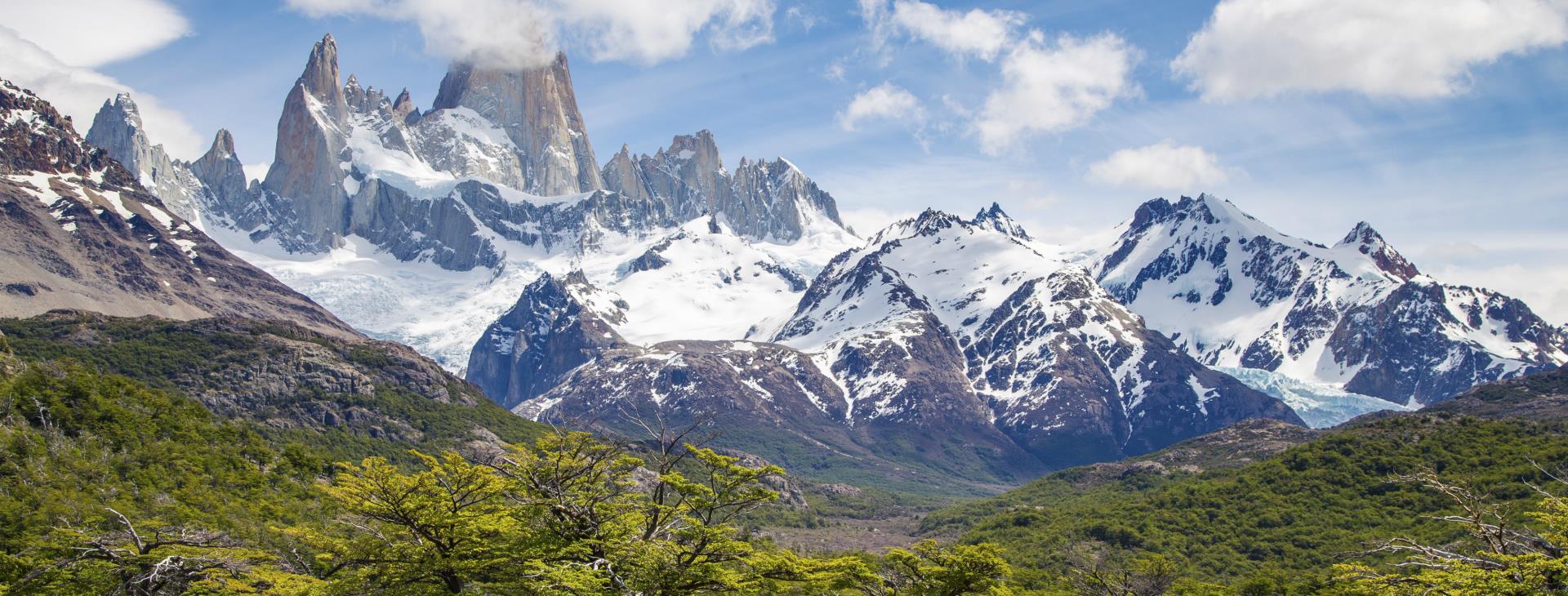
Weather and temperatures in Argentina - when to go on holiday?
Older post
The most beautiful beaches in Mexico – which ones are worth visiting?
Newer post
November 12, 2026

November 9, 2026

November 4, 2026
November 2, 2026
October 30, 2026

recent posts
 Honeymoon trip to Morocco November 13, 2026
- International driving license – when is it needed? November 12, 2026
 The most beautiful lakes in Asia – where is it worth going? November 10, 2026