Get inspired and read about your dream trip on the blog
Weather and temperatures in Chile – when to go on holiday?
June 18, 2026
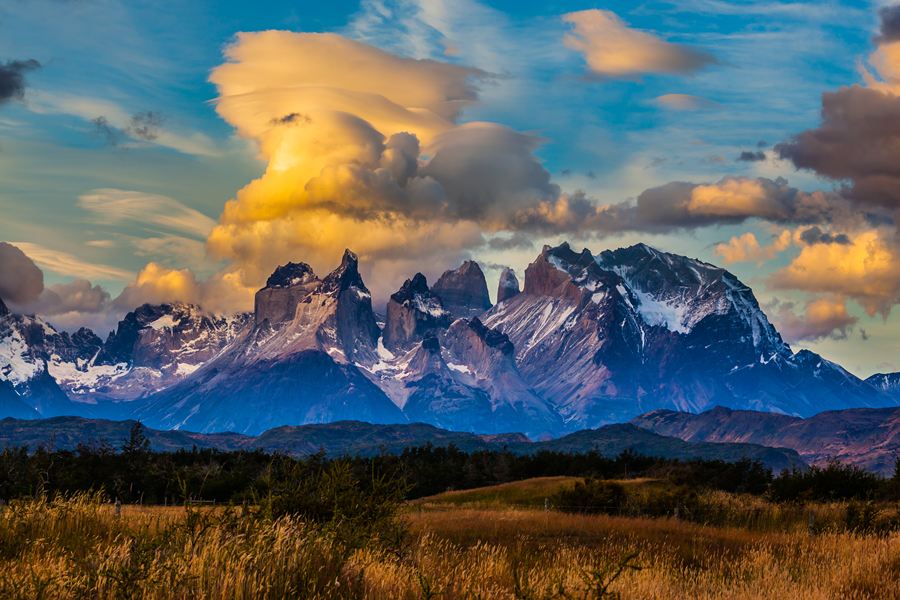
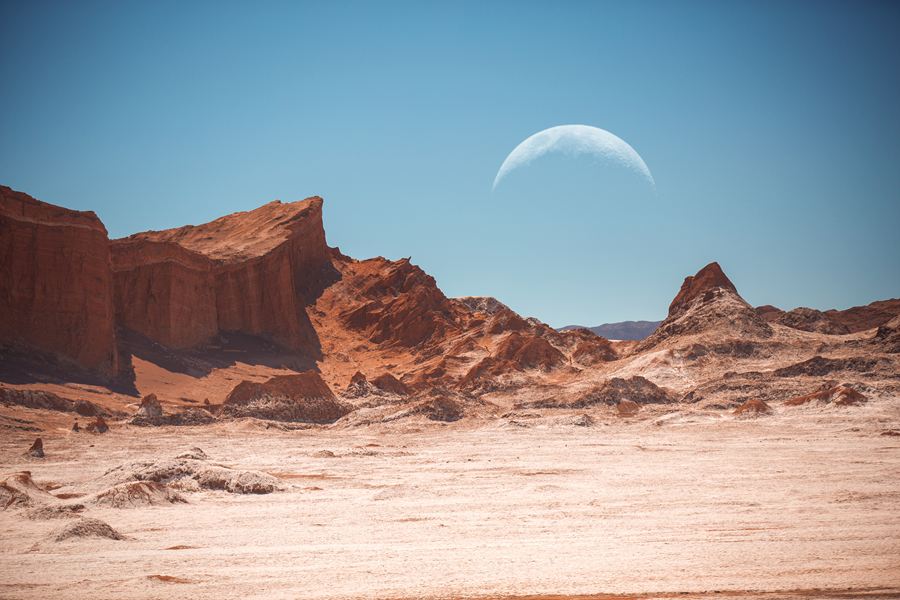
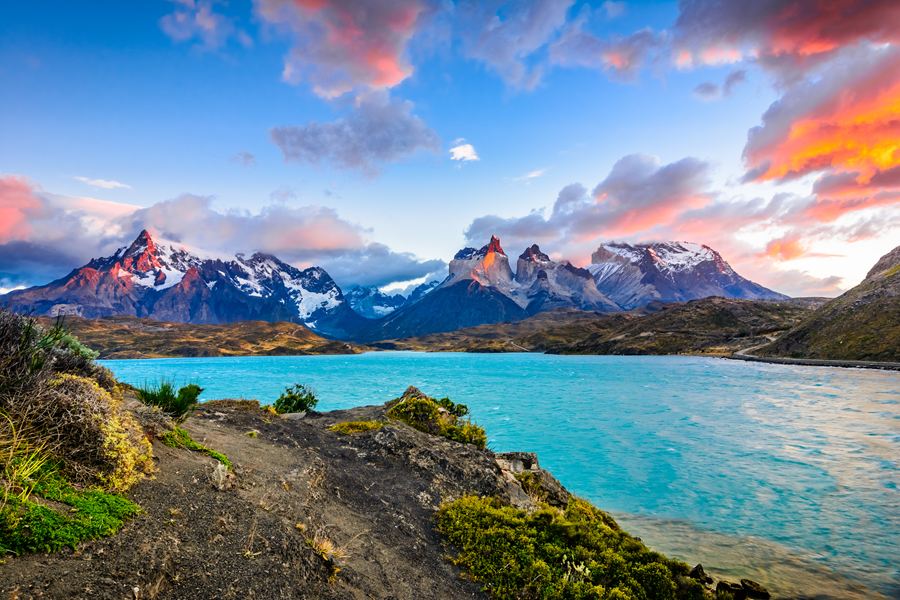
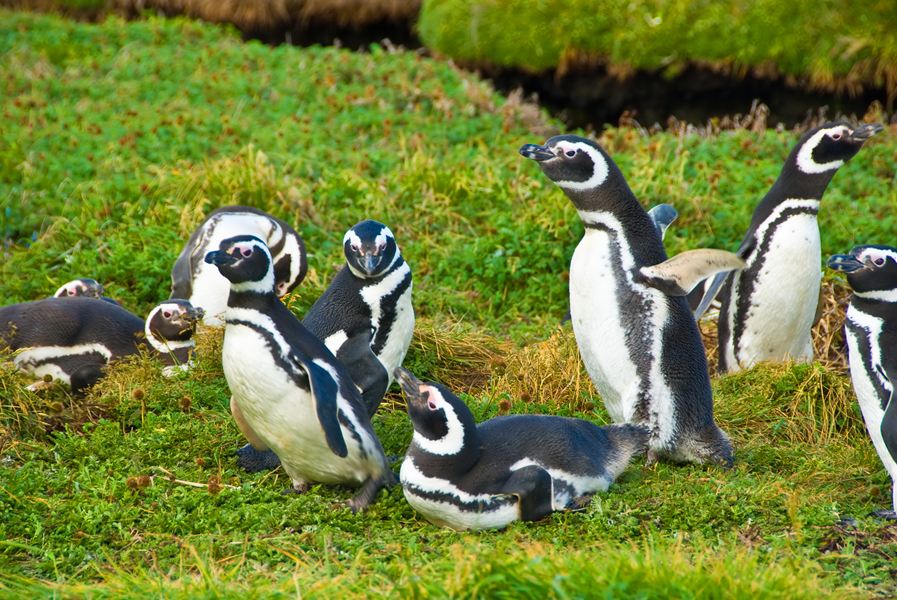
Chile is a veritable weather whirlwind – imagine a trip so long that, while traveling from north to south, you change your wardrobe from swimsuits to thick winter jackets. There's no such thing as "one weather" in Chile – it's a true microcosm, encompassing almost every climate on the planet. In the far north stretches the sun-baked Atacama Desert, where it hasn't rained in years. Meanwhile, in the verdant south and frosty Patagonia, icy winds and rains remind us that this is almost the end of the world and the gateway to Antarctica. In the middle of it all lies vibrant Santiago, with its ideal, warm climate, reminiscent of the Mediterranean Sea, while far out in the ocean, the tropical and exotic Easter Island beckons. We invite you on a journey through the country, where in just a few days you can transport yourself from scorching hell to a land of ice!
When is the best time to travel to Chile?
The answer to the question of the ideal time to visit Chile is as complex as the country's geography itself. Due to its unique, elongated shape, Chile doesn't have a single, universal tourist season. While in the far north the sun mercilessly scorches the sands of the Atacama, in the southern reaches Patagonia Polar blizzards are raging. To plan your trip accurately, you must first reverse the seasons. As a country in the Southern Hemisphere, Chile experiences summer when Europe experiences winter. The key to success, therefore, is synchronizing your plans with the regional whims of nature.
Summer (December – February): time for Patagonia and trekking
For most travelers, especially those whose destination is the legendary Torres del Paine National Park or the harsh Tierra del Fuego, the best weather window is from December to February.
It's the height of the Chilean summer. During this time, the days in the south of the country are the longest (daylight lasts up to 17 hours), and temperatures – by local standards – the most pleasant (average around 10–15°C). Although the Patagonian wind can blow with equal force year-round, it's during these months that the risk of crippling snowfall or trail closures is lowest. Summer is the peak tourist season. Accommodation and ticket prices skyrocket, and the most popular trails require reservations months in advance.
Spring and Fall (March-May and September-November): the season for connoisseurs and the central region
If your destination is the heart of the country – Santiago de Chile, colorful Valparaiso and the surrounding wine valleys (such as Casablanca or Colchagua) – transitional periods, the so-called shoulder seasons, are absolutely unrivaled.
- Autumn (March – May): It's a magical time in Chilean vineyards. March and April are the grape harvest months. The entire central region comes alive with local festivals, where you can sample new wine and traditional dishes, while the treetops shimmer with the fiery colors of autumn.
- Spring (September – November): Nature is coming to life, which is especially spectacular in the Lakes Region (Land of Volcanoes) south of Santiago. Temperatures are moderate (around 18–22°C), perfect for exploring the cities, and the trails are still relatively uncrowded. Interestingly, it's also a great time to visit mysterious Easter Island before the most expensive summer tourist waves arrive.
Atacama Desert: year-round destination
There is one unique region on the map of Chile that escapes the rigid framework of seasons – Atacama DesertDue to its extremely dry tropical climate, San Pedro de Atacama and the surrounding area can be visited 365 days a year.
Days are always warm and sunny here. Only nighttime temperatures vary – during the Chilean winter (June–August), the mercury can drop below freezing after dark, requiring you to pack sturdy thermal clothing. We particularly recommend the months from March to May and September to November, when diurnal amplitudes are the least bothersome and the sky remains perfectly clear, offering the best conditions in the world for astrotourism and Milky Way observations.
Chilean winter (June-August): a paradise for skiers
Although beach and trekking enthusiasts associate winter in Chile with cold, rainy Santiago and the inaccessibility of Patagonia, it does have its share of fans. The turn of July and August is a time when Andean ski resorts—such as Valle Nevado and Portillo, located just a few dozen kilometers from the capital—come to the top. They offer some of the best skiing conditions in the entire Southern Hemisphere.
|
Destination |
The best months |
Why then? |
|
Patagonia/trekking |
December - February |
the highest temperatures, the longest days |
|
Vineyards/Central Valley |
March - April |
grape harvest festival, mild weather |
|
Atacama/astrophotography |
all year round (with emphasis on March – May and September – November) |
a guarantee of cloudless skies, moderate night temperatures |
|
Skiing in the Andes |
June - August |
the best snow cover in high-mountain resorts |

Chile – climate
Chile, stretching in a narrow strip along the western coast of South America for over 4300 kilometers, is one of the most unique countries geographically. This vast meridianal extent—from 17°S to a whopping 56°S—combined with the barrier of the towering Andes and the influence of the Pacific Ocean, has earned Chile the nickname "climatic microcosm." Within a single country, one can experience almost every type of climate: from extremely dry deserts, through mild Mediterranean zones, to the harsh, glacial landscapes of the south.
The North: The Kingdom of Absolute Drought
The northern part of Chile is Atacama Desert – the driest place on Earth (outside the polar regions). It has an extremely dry tropical climate. In some areas of the Atacama, rainfall has not been recorded for centuries. The main factor shaping this region is Humboldt Current – a cold ocean current flowing along the coast. It cools the air over the ocean, preventing rain clouds from forming, and instead generates dense coastal fogs called camanchacaThese mists are often the only source of moisture for a few specialized species of plants and animals.
Center: Mediterranean paradise
In the south, the landscape changes. The Central Valley, where the capital, Santiago, is located, is located in the zone subtropical climate with a Mediterranean variety. It is characterized by hot, dry summers, ideal for the development of agriculture and winemaking, andmild, rainy winters, during which precipitation is brought by fronts coming from the Pacific. It is this stable and pleasant climate that has led to over 70% of the country's population being concentrated in the central region.
The South and Patagonia: a windy land of rain and ice
The further south you go, the more severe and capricious the climate becomes. Southern Chile and the Chilean part of Patagonia lie in the zone temperate maritime climate, which in the Tierra del Fuego region turns into subpolar climateThe region of rivers and lakes is characterized by enormous rainfall, reaching in some places up to 3000–5000 mm per year. It is a land of evergreen temperate rainforests. Patagonia and Tierra del Fuego are constantly influenced by strong westerly winds (the so-called Roaring Forties and Howling Fifty). Summers are cool here (averaging around 10°C) and winters are frosty. This harsh environment has favored the development of massive ice fields, which are among the largest reservoirs of freshwater outside the polar zones.
The influence of the Andes and the El Niño phenomenon
When talking about Chile's climate, it is impossible to ignore the mighty mountain range Andes, which stretches along the entire eastern border of the country. In the higher mountain ranges, a high-alpine climate prevails, with perpetual snow and glaciers, even at tropical latitudes. The Andes act as a climatic barrier – they retain moisture from the Atlantic, which exacerbates the aridity of the Atacama in the west, and in the south, cuts off Argentine Patagonia from Pacific precipitation. Chile's climate is also subject to cyclical weather anomalies linked to the Southern Oscillation – phenomena El Niño and La niñaEl Niño typically brings heavy downpours to normally dry areas of Chile, causing floods and mudslides, while La Niña increases drought in the central region.
Weather and temperatures in Chile
Chile – weather in January
January is the middle of the Chilean summer, which makes it one of the most attractive, yet weather-diverse months for traveling through this incredibly sprawling country. In the desert north, in the region San Pedro de Atacama, the highest temperatures of the year prevail, exceeding 25°C during the day. Moving south, to the central region and the capital of the country, Santiago de Chile, you'll experience cloudless skies, full sun, and dry heat, with the mercury regularly exceeding 30°C, which is great for evening cafe life, but forces you to seek shade during the day. Further south, in Land of Lakes and VolcanoesJanuary offers ideal conditions for active recreation, characterized by pleasant temperatures around 22°C and significantly less rainfall than in other months of the year. In the harsh and windy Patagonia and Tierra del Fuego January is the peak season: the days are longest there, and temperatures reach their annual highs of around 15°C, although the famous, gusty winds can still quickly turn sunny weather into icy rain. A completely different, subtropical climate is enjoyed at this time in the ocean. Easter Island, where January brings hot and humid weather with temperatures around 27°C, interrupted only by short, refreshing downpours.
Chile – weather in February
February in Chile is a seamless continuation of the southern summer, offering travelers excellent, albeit regionally diverse, weather conditions in every corner of the country. In the sun-baked north, in the heart of Atacama Desert, the days remain hot and dry with temperatures reaching 26°C, however, the vagaries of the phenomenon known as altiplano winter should be taken into account, which in the higher parts of the mountains can cause afternoon thunderstorms. At the same time, the central region, with Santiago de Chile at the forefront, experiences the peak of summer heat, when cloudless skies and temperatures often exceeding 30°C encourage residents to escape to the cooler, ocean coast to Valparaíso or Viña del Mar. Heading south, towards the picturesque Land of Lakes and Volcanoes, you can expect optimal, stable weather with temperatures around 22°C and minimal rainfall, creating perfect conditions for sailing, kayaking, and conquering volcanic peaks. On the far reaches Patagonia and in the area Torres del Paine February is the last chance for safe trekking with the longest day of the year, and although temperatures hover around a comfortable 14°C, unpredictable, gusty winds still remind us of the harshness of this region. Meanwhile, in the isolated area Easter Island February is traditionally the hottest month of the year, with subtropical air heating up to nearly 28°C, and high humidity and occasional warm rains coinciding with the iconic, colorful Tapati Rapa Nui festival.
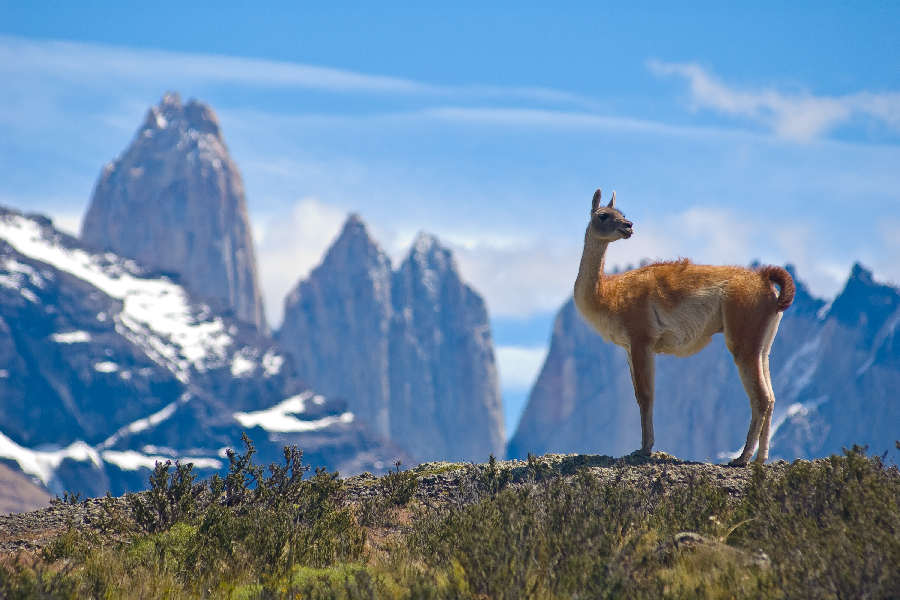
Natural Treasures of the Andes: An Incredible Journey Through Latin America
Bolivia, Chile, Peru | Lima, Arequipa, Colca Canyon, Puno, Lake Titicaca, Copacabana, Isla del Sol, La Paz, Salar de Uyuni, San Pedro de Atacama, Santiago de Chile
Chile – weather in March
March in Chile is a fascinating time of subtle transformation, as the vibrant summer slowly gives way to a quieter autumn, bringing relief from the heat and less tourist traffic. In the vast north, in the region Atacama Desert, March heralds almost perfect weather – summer high-altitude storms are subsiding, days remain pleasantly warm with temperatures around 24°C, and the crystal clear sky creates ideal conditions for nighttime stargazing. In the central region, including SantiagoMarch is an exceptionally charming month, characterized by mild warmth at 27°C, lower humidity, and crisp evenings, which coincides with the beginning of the grape harvest in the surrounding valleys. Land of Lakes and Volcanoes March brings the first visible signs of autumn, when temperatures drop to around 18°C, the days become shorter, and the forests slowly change color, although the weather is still favorable for hiking. In Chilean Patagonia March marks the beginning of the end of the trekking season, with temperatures dropping to an average of 10°C, nights becoming frosty, and winds gaining strength. However, the majestic landscapes of Torres del Paine, bathed in the golden and red hues of autumn, compensate for any weather whims. Easter Island March continues the subtropical summer, offering very warm weather with temperatures around 26°C and a warm ocean, which, with a slight increase in showers, still guarantees excellent conditions for sunbathing and discovering the mysterious moai statues.
Chile – weather in April
April in Chile is the height of the picturesque southern autumn, bringing a noticeable coolness, a change of color to the landscape, and a decidedly calmer atmosphere after the summer peak season. In the north Atacama Desert The weather becomes stable and comfortable, with daytime temperatures hovering around a very pleasant 22°C, but the lack of clouds means that nights in San Pedro become noticeably cold, with temperatures dropping to around freezing. In the central region, around Santiago, April delights with crisp, clean air and the golden hues of trees, with maximum temperatures of around 23°C, which quickly give way to a chill after dark, reminding us of the approaching winter. Further south, in Land of Lakes and Volcanoes, autumn is coming in full force – temperatures rarely exceed 14°C, and the days are becoming much shorter and increasingly rainy, which, however, gives the local forests and hot springs a unique, nostalgic charm. Patagonia April marks the definitive end of the classic tourist season: temperatures drop to an average of 5°C, night frosts are a common occurrence, and the first snowfalls and gusty winds close most of the trails in Torres del Paine. A completely different microclimate prevails in the remote Easter Island, where April brings a gentle transition towards the local winter, characterized by still high temperatures around 24°C and a noticeable increase in humidity and more frequent, albeit short, tropical downpours.
Chile – weather in May
May in Chile is the time when late autumn takes root, heralding the coming winter and bringing a noticeable cool down across the country. In the dry north, in the region Atacama Desert, May offers very pleasant days with temperatures around 20°C and a guarantee of cloudless skies, however, after sunset, thermal radiation causes a sharp drop in temperature, making nights there frosty. In the central region and Santiago May brings the first typical winter weather: average temperatures drop to around 18°C, the days become short and foggy, and the first heavier rainfalls begin to appear over the city, which in the higher reaches of the Andes already turn into snow. Further south, in Land of Lakes and VolcanoesMay is a very humid and cool month, with average temperatures around 11°C, where dense fog and almost constant rain significantly limit visibility and outdoor activities. Patagonia and Tierra del Fuego May brings almost winter-like conditions: temperatures hover around just 2°C, most tourist infrastructure is closed, and short days, icy roads, and regular snowfall make the region inaccessible to traditional travelers. Easter Island May marks the arrival of the rainiest period of the year, although the concept of winter is relative here – temperatures still remain at a very comfortable level of 22°C, and rains, although frequent and heavy, alternate with warm, subtropical sunshine.
Chile – weather in June
June in Chile marks the official start of winter in the Southern Hemisphere, bringing the shortest days of the year, low temperatures, and a clear divide between the snowy Andes and the rainy lowlands. In the northern Atacama Desert June offers cool but sunny days with temperatures reaching 18°C, which, however, quickly drop below freezing after dark, requiring travelers to wear professional thermal clothing for nighttime stargazing. In the central region, including Santiago de ChileJune is usually the coldest and rainiest month of the year; maximum temperatures rarely exceed 14°C and frequent rainfall brings welcome snow to the nearby Andes, meaning official opening of prestigious ski resorts, such as Valle Nevado. Further south, in Land of Lakes and VolcanoesJune is marked by capricious, harsh weather with temperatures reaching 9°C and heavy rain and snowfall, which shrouds the local national parks in thick fog. In the Chilean Patagonia June is the middle of the polar winter – days last only a few hours, temperatures drop well below freezing, and icy winds and thick snow cover completely paralyze tourist traffic in the Torres del Paine region. Easter Island June brings a distinctly subtropical winter. Although it's one of the island's coldest months, temperatures still hover around a very pleasant 20°C, and cooler air masses from the south bring changeable weather with stronger winds and scattered downpours.
Chile – weather in July
July in Chile is the middle of winter in the Southern Hemisphere, characterized by the lowest temperatures of the year, but also excellent conditions for winter sports enthusiasts. In the northern Atacama Desert July brings crisp, bright days with temperatures around 17°C, which, with a completely cloudless sky, guarantees ideal conditions for space observation, although the night temperature in San Pedro regularly drops below -5°C. In the central region, around SantiagoJuly is cool and humid with temperatures rarely exceeding 13°C, and winter weather changes mean heavy snowfall in the higher elevations, attracting skiers to the bustling Andean resorts. Further south, in Land of Lakes and VolcanoesJuly is marked by harsh weather, low temperatures around 8°C, and frequent snowfall, which prompts the few tourists to seek refuge in the local hot springs. On the far reaches Patagonia there is a deep polar winter: the days are extremely short, the temperatures constantly remain below zero, and almost the entire tourist infrastructure in Torres del Paine remains closed due to snow and ice. It offers a completely different atmosphere in July. Easter Island – although it is the middle of winter there, the subtropical climate guarantees very mild temperatures of 20°C, and the changeable weather with occasional rain showers and stronger winds still allows for comfortable sightseeing on the island.
Chile – weather in August
August in Chile is a month of gradual transition, with winter in the Southern Hemisphere slowly beginning to subside, giving way to the first, tentative signs of spring. Atacama Desert The days are getting slightly warmer, with temperatures reaching 19°C, but the crystal clear sky still generates very strong thermal radiation, so night frosts in San Pedro remain the norm. In the central region and Santiago August days bring the first noticeable warming, with the mercury exceeding 15°C in the sun, although mornings can be foggy and icy, and the Andean ski resorts still enjoy excellent snow cover and a full ski season. Further south, in Land of Lakes and VolcanoesAugust remains damp and cool with temperatures around 9°C, but the heavy winter rains are slowly starting to thin out, giving way to isolated sunny days. Patagonia August is still a time of harsh winter weather with temperatures hovering around freezing and regular snowfall, but the lengthening days herald upcoming changes and motivate local agencies to prepare for the upcoming season. Easter Island August marks the end of the subtropical winter, bringing stabilization of the weather, temperatures at a very comfortable 20°C and less rainfall, which, combined with less tourist traffic, creates ideal conditions for peacefully discovering the secrets of Rapa Nui.
Chile – weather in September
September in Chile marks the official start of spring in the Southern Hemisphere, bringing a noticeable revival of nature and a sharp rise in temperatures. Atacama Desert September offers excellent weather with daytime temperatures reaching 21°C and a smaller diurnal range, which, combined with the traditionally cloudless sky, makes this month one of the best times to explore the local geysers and valleys. In the central region, around Santiago, September already smells of spring, and temperatures regularly exceed 19°C, which favors the pompous celebration of Chilean Independence Day (National Holidays) in the open air, while in the high Andes the melting snow is slowly closing the ski season. Further south, in Land of Lakes and Volcanoes, nature comes to life – temperatures rise to around 12°C, and although there are still occasional showers, the blooming forests and the receding fogs increasingly encourage trekking. Patagonia September brings the long-awaited breakthrough: the days become much longer, the temperatures rise to around 5°C, and the melting ice allows the first trails to open in Torres del Paine, although strong spring winds can still bring sudden changes in weather. In turn, on Easter Island September ushers in an extremely pleasant spring-like weather with temperatures around 21°C, lower humidity and negligible rainfall, creating ideal and refreshing conditions for walking and cycling around the iconic moai statues.
Chile – weather in October
October in Chile is the height of a delightful spring, bringing stabilized weather, a dynamic bloom of nature, and ideal conditions for traveling before the summer peak season. Atacama Desert October welcomes tourists with perfect weather, with daytime temperatures reaching a comfortable 23°C, and the night frosts in San Pedro finally giving way to crisp, pleasant evenings under cloudless skies. In the central region, with Santiago de Chile October is characterized by plenty of sunshine and temperatures regularly exceeding 22°C, which, combined with blooming gardens and green wine valleys, creates the perfect setting for city walks. Further south, in Land of Lakes and Volcanoes, spring arrives with a bang – temperatures rise to around 15°C, the days become noticeably longer, and the melting snow in the mountains powers spectacular waterfalls, attracting the first rafting and trekking enthusiasts. Patagonia October marks the official opening of the new tourist season, the park Torres del Paine comes to life, temperatures rise to around 9°C, and although gusty winds begin to intensify, the lack of crowds on the trails fully compensates for the capricious weather. Easter Island October offers a fantastic subtropical spring with temperatures around 22°C, a very low risk of rainfall and a pleasant, crisp ocean breeze, providing perfect conditions for exploring the island without the oppressive summer heat.
Chile – weather in November
November in Chile is a time of advanced spring, which smoothly transitions into early summer, offering travelers one of the best times to comprehensively explore the entire country. Atacama Desert Daytime temperatures begin to rise significantly, reaching an average of 24°C, and the crystal clear sky and minimal diurnal amplitudes create excellent conditions for all-day excursions. In the central region, around Santiago, November brings a truly summery feel: the days are dry, sunny, and very warm with temperatures exceeding 25°C, which is perfect for relaxation in the blooming wine valleys. Further south, in Land of Lakes and VolcanoesNovember delights with stable weather, when temperatures hover around a very pleasant 18°C, rainfall becomes rare, and the awakening, lush greenery creates the perfect backdrop for hiking. Patagonia November is the beginning of the optimal trekking season: the days become exceptionally long, the temperatures in the area Torres del Paine rise to a comfortable 12°C, and the awakening fauna and flora attract photographers, although travelers must be prepared for the increased activity of strong Patagonian winds. In turn, on the remote Easter Island November heralds the approaching summer, treating visitors to excellent, subtropical weather with temperatures around 24°C, a warm ocean and excellent sunshine, which is ideal for both sunbathing and discovering the mysterious moai statues.
Chile – weather in December
December in Chile marks the official start of the southern summer, characterized by the longest days of the year, wonderful weather, and a massive influx of tourists. In the sun-baked north, in the region Atacama Desert, December brings high temperatures exceeding 25°C, dry air and cloudless skies, although the first signs of a humid front from Bolivia may already appear in the higher reaches of the Andes. In the central region, including Santiago, December is a time of full sun and striking heatwaves, with the mercury regularly exceeding 29°C, prompting tourists to explore in the evenings or escape to the cooler seaside breezes ValparaisoFurther south, in Land of Lakes and Volcanoes, December offers optimal conditions for a vacation: temperatures reach a comfortable 21°C, rainfall drops to an annual minimum, and the lush greenery and clear waters of the lakes are perfect for water sports. Patagonia December is the peak of the trekking season - the days last up to 17 hours and the temperatures reach a pleasant 14°C, which allows you to fully utilize your time in Torres del Paine, although travelers must constantly reckon with sudden, gusty winds. Easter Island December brings a wonderful, subtropical summer with temperatures reaching 26°C and high sunshine, which, combined with the warm ocean, creates ideal conditions for sunbathing, diving and preparing for the upcoming New Year's festivals.

Argentina and Chile – landscapes of the south
Argentina, Chile | Buenos Aires, El Chalten, El Calafate, Torres del Paine, Punta Arenas, Santiago
Water temperature in Chile
Chile, with its impressive coastline stretching along the length over 4300 kilometers, seems to be an ideal destination for sea lovers, but in terms of water temperature, it is a country of profound paradoxes. The main factor shaping thermal conditions along the entire continental coast is the powerful Humboldt Currentwhich flows north from Antarctica and carries icy waters, though incredibly rich in fauna. As a result, the ocean temperature is surprisingly low, and even in the far north at the peak of the summer season it is only 19 from 21 ° C to ° CThe further south you go, the more challenging the situation becomes, because in the popular central region, including the resorts Valparaíso and Viña del Mar, water in summer rarely exceeds 15°C–17°C, while in the Patagonian fjords, the temperature drops to a mere 8°C, making traditional swimming practically impossible without a professional neoprene wetsuit. Despite this cold, swimming on the continent is possible, and beach lovers should primarily head to the north of the country, where places such as English Bay They delight with white sand, and the fresh water brings welcome relief during the heat, while the center of the country remains the domain of surfers battling high waves.
A completely different reality is offered by the island located over 3500 kilometers from the mainland. Easter Island, which is located completely outside the reach of the Humboldt Current. Rapa Nui has a mild subtropical climate, thanks to which the ocean is warmed by warm tropical currents, and the water temperature reaches 24°C to 26°C in the summer months, never dropping below 20°C in winter. Easter Island is a prime example of this: the spectacular Anakena Beach, where fine coral sand, coconut palm groves, and majestic moai statues standing right on the shore create the perfect setting for carefree swimming, snorkeling, and relaxing in the warm Pacific waters.

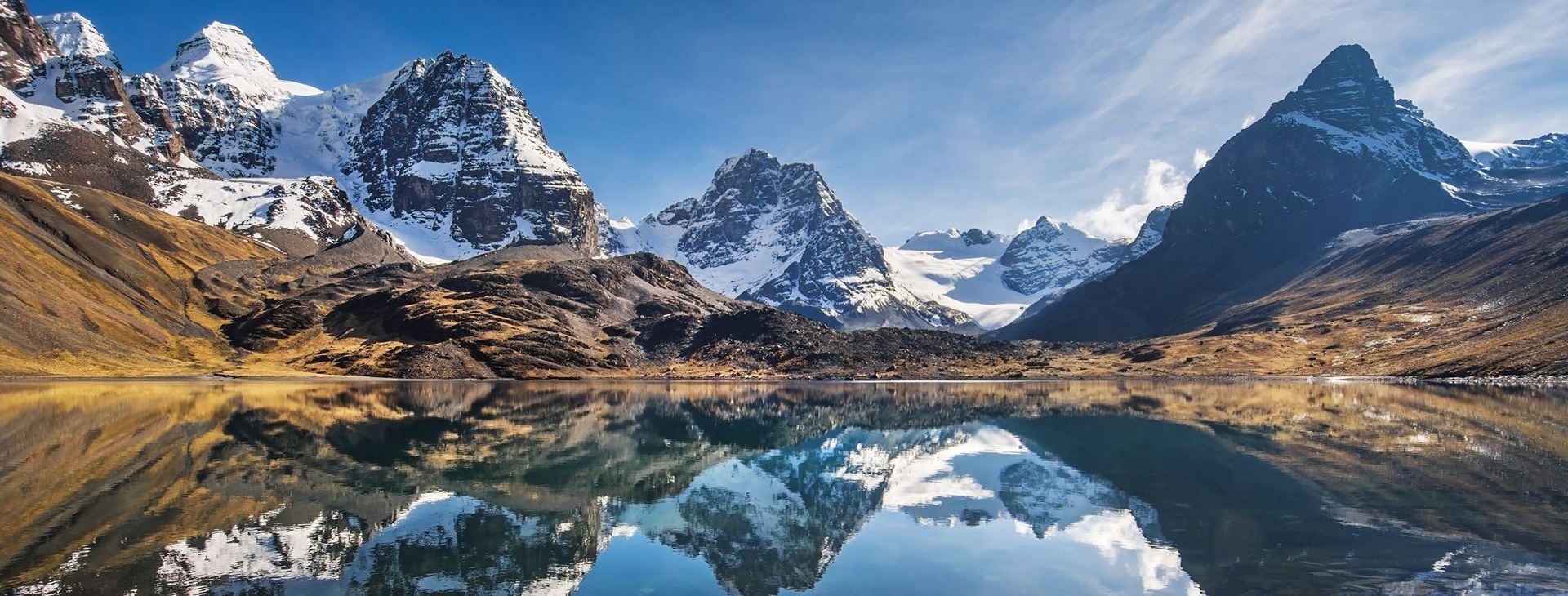
Weather and temperatures in Bolivia – when to go on holiday?
Older post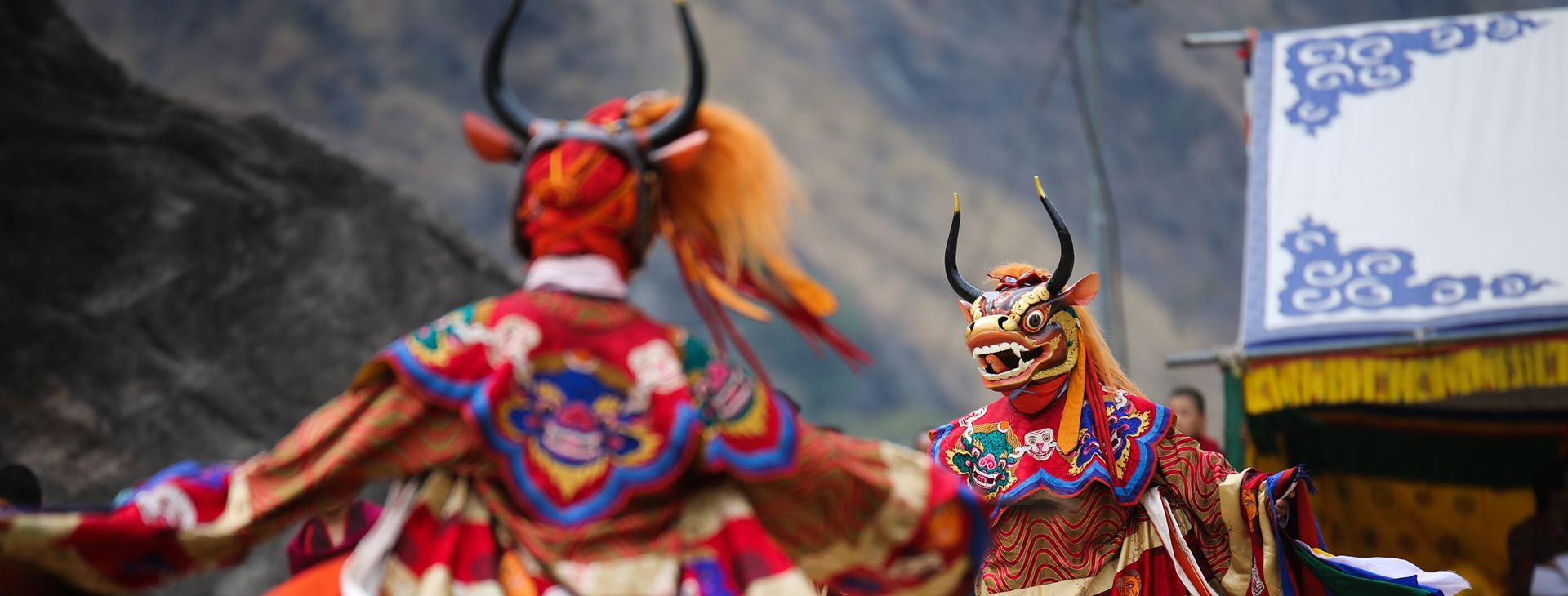
Best attractions in Bhutan – what is worth seeing?
Newer post
October 9, 2026
October 7, 2026

October 6, 2026
October 5, 2026
recent posts
 Cambodian cuisine – what is worth trying? October 9, 2026
- Safety in Ecuador. Is Ecuador safe? October 9, 2026