
Get inspired and read about your dream trip on the blog
Weather and temperatures in Bolivia – when to go on holiday?
June 17, 2026
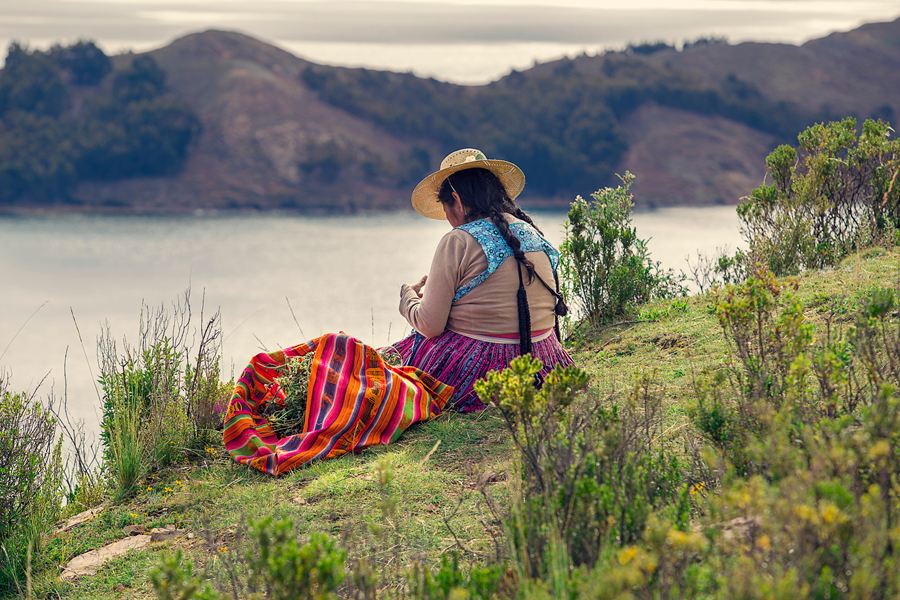
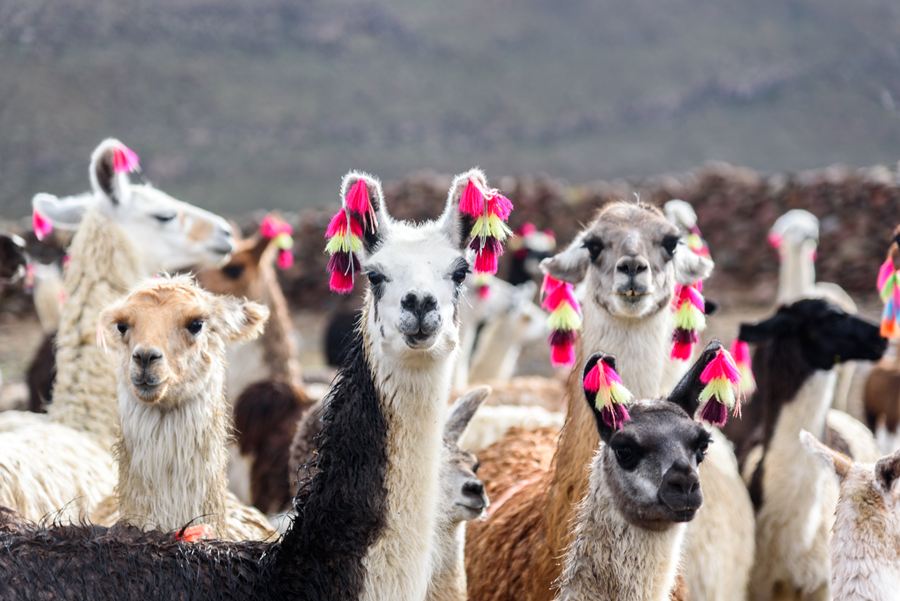
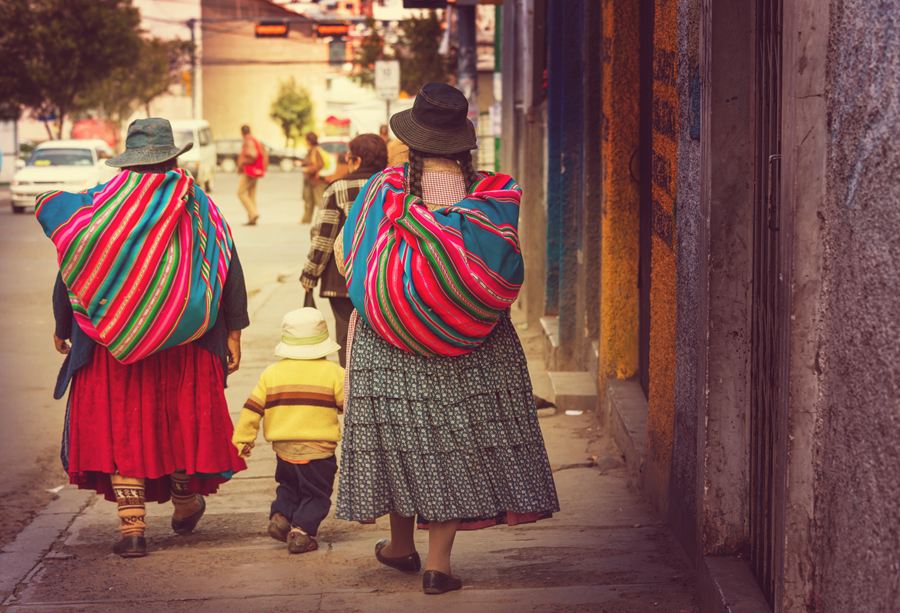
Planning a trip to Bolivia and wondering what to pack in your suitcase – a down jacket or a T-shirt? The answer is both, because the weather in Bolivia will challenge your entire notion of the tropics. This landlocked country lies in the tropics, but its climate is determined not by latitude but by the mighty Andes Mountains. It's precisely this terrain that allows you to travel from the freezing Arctic desert to the steamy, rainy jungle in a matter of hours.
Before you set off, it's important to understand that temperature is a key parameter in this region, as it varies with altitude. On the high-altitude Altiplano plateau, at nearly 4000 meters, you'll bask in the sun during the day, only to shudder at night as temperatures drop below -10°C. Meanwhile, in the Amazonian lowlands, you'll be enveloped in dense, tropical heat, exceeding 32°C. Check out our guide to Bolivia's climate zones and seasons to help you plan your route perfectly and avoid weather traps.
When is the best time to travel to Bolivia?
When planning a vacation to Bolivia, the key to success is adapting your dates to the vagaries of the Andean geography. It's best to visit this country during the dry season, which lasts from May to OctoberThis is the Bolivian winter, guaranteeing cloudless skies and ideal travel conditions.
For those who love trekking in the Andes and visiting cities such as La Paz or Sucre, the best options are: June, July and AugustThe air clarity is breathtaking, and the roads are dry and safe. However, it's important to remember that on the high mountain plateau of the Altiplano, nights can be icy, with temperatures dropping below -10 ° C. In the Amazonian lowlands, on the other hand, there is a pleasant, bearable heat (approx. 25°C).
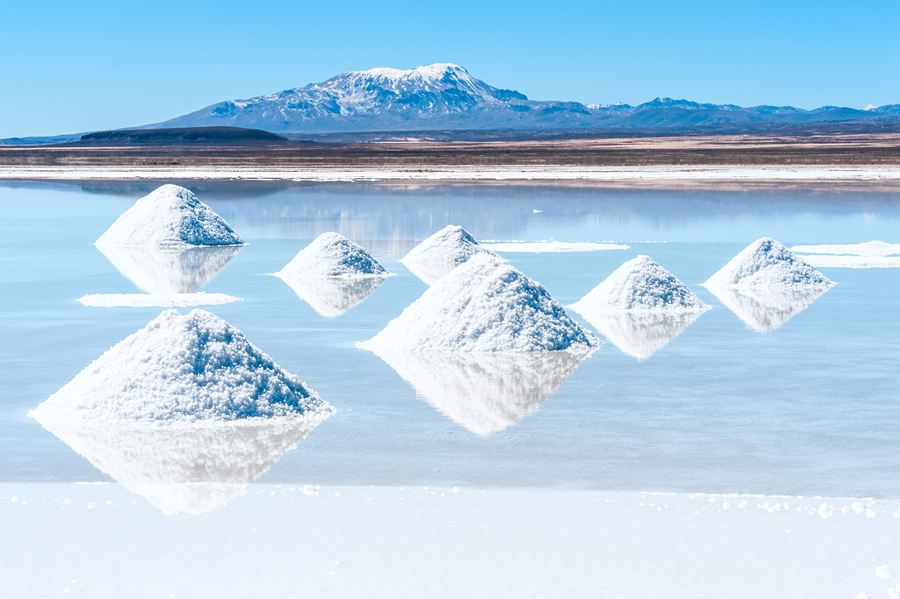
If your main goal is the legendary salt pan Uyuni Salt Flats, the choice of month depends on the desired effect. To see the famous, giant water mirror, it is best to go in January or FebruaryHowever, you have to expect heavy rain in the rest of the country. To capture the hard, white crust of salt, it will be perfect May or September – transitional months that combine warmer nights with a lack of rainfall.
Bolivia – climate
Bolivia, located in the heart of South America, is a country full of paradoxes. Although geographically located entirely within the tropics, describing its climate as "tropical" would be a vast oversimplification, if not a complete mistake. Bolivia is landlocked, but its landscape and weather are shaped by another formidable natural barrier – the Andes. It is precisely these enormous differences in topography, ranging from the lowlands of the Amazon River basin to the 6,000-meter-high, snow-capped peaks, that make Bolivia one of the most climatically diverse countries in the world.
Traveling through this country is like traveling through the climate zones of the entire globe, compressed into one national territory.
Vertical climatic division: from the caliente tier do frozen ground
The key to understanding Bolivia's climate is the principle of climatic stratification. Instead of the traditional north-south division, Bolivia's weather is determined by altitude. Four main strata are distinguished:
- Tierra caliente (hot land, up to 1000 m above sea level): It covers over half of the country – the northern and eastern lowlands (Llanos). It has a classic equatorial and subequatorial climate. Temperatures rarely drop below 25°C, and the humidity can be stifling.
- Tierra templada (temperate land, 1000–2500 m above sea level): Valleys and mountain depressions with a mild, almost Mediterranean climate. Average temperatures hover around 18–22°C. This region has the status of "eternal spring," ideal for agriculture.
- Tierra fría (cool land, 2500–3500 m above sea level): covers the higher reaches of the mountains and the fringes of the Altiplano (where La Paz is located, among other places). Nights here become crisp, and daytime temperatures rarely exceed 15°C.
- Tierra helada i nevada (frosty and icy land, above 3500 m above sea level): rugged, high-mountain plateaus (Altiplano) and perpetually snow-capped peaks. The average temperature drops below 10°C, and night frosts regularly occur.
Dry plateau and humid jungle
The most fascinating aspect of the Bolivian aura is the clash of two extreme worlds: Altiplano and Amazonian Lowlands.
Altiplano It's a dry, windswept plateau located at an altitude of almost 4000 meters above sea level. The air here is thin and dry, which intensifies the temperature experience. The sun beats down almost mercilessly during the day, but immediately after sunset, temperatures drop dramatically—diurnal variations can reach as much as 25°C. In the southwestern part of the Altiplano, home to the famous Salar de Uyuni salt flat, the climate becomes extremely dry (desert-like), and rainfall is rare. The region's sole thermal regulator is Lake Titicaca, whose vast mass of water moderates the local microclimate, enabling the development of agriculture on its shores.
The complete opposite is the region Nibujon and the Pando and Beni departments. This is a world dominated by rivers, dense rainforest, and swampy savannahs. Annual rainfall in some places (e.g., the Chapare region) exceeds 5000 mm, making it one of the rainiest places on Earth.
Two seasons and the vagaries of El Niño
Due to its proximity to the equator, Bolivia does not have four seasons. The year is divided into:
- Rainy season (Southern Hemisphere summer: November – March): brings heavy rainfall, which causes floods in the lowlands and paralyzes transport in the mountains due to landslides.
- Dry season (Southern Hemisphere winter: April – October): is characterized by cloudless skies and sunny days, but also by the lowest temperatures of the year (especially at night on the Altiplano).
It is worth mentioning anomalous phenomena such as surazos – cold, polar winds from Patagonia, which can lower the temperature in the tropical lowlands by several degrees in a few hours. Another increasingly challenging phenomenon is the cyclical phenomenon El Niño/La Niña, which destabilizes the already extreme weather, bringing catastrophic droughts to the Altiplano and devastating floods to the east.

Natural Treasures of the Andes: An Incredible Journey Through Latin America
Bolivia, Chile, Peru | Lima, Arequipa, Colca Canyon, Puno, Lake Titicaca, Copacabana, Isla del Sol, La Paz, Salar de Uyuni, San Pedro de Atacama, Santiago de Chile
Weather and temperatures in Bolivia throughout the year
Bolivia – weather in January
January in Bolivia marks the peak of the rainy season and the calendar summer. It brings extreme weather contrasts dictated by the enormous differences in altitude.
On a high mountain plateau Altiplano (including La Paz) January is one of the warmest months, with average daytime temperatures of 13-15 ° CThe thin air intensifies the sun's power, but in the afternoons, clouds routinely appear. heavy downpours, storms and hailstorms, and the nights bring a coolness around zero. This is when the famous Salar de Uyuni salt flat is covered with water, creating a gigantic, natural mirror. Going lower, in intermountain valleys (Cochabamba, Sucre), one experiences a climate of "eternal spring." The mercury there exceeds 20°C, but the steep slopes of the Andes retain masses of moisture, generating heavy rainfallThey cause picturesque greenery to bloom, but also dangerous mudslides that paralyze roads. A completely different face of January can be seen in Amazonian lowlands (Santa Cruz, Beni). It reigns there extreme tropical heat exceeding 32°C, which, combined with the extreme humidity, becomes suffocating. Tropical downpours last for days, turning rivers and savannas into vast floodplains, cutting off entire regions from the outside world.
January in Bolivia perfectly showcases the power of the Andean geography – at the same time, the country experiences brisk storms in the mountains, torrential spring rains in the valleys and tropical heat and floods in the jungle.
Bolivia – weather in February
February in Bolivia is the direct continuation and culmination of the rainy season. It's the month when the ground is at its maximum saturated and rivers reach their highest levels, drastically affecting weather conditions across the country.
On the high mountain Altiplano February brings temperatures of 12-14 ° C during the day. The air is very humid, and the sky is often covered with thick clouds. Heavy rain and hail occur almost daily, and nights can still be icy. The flooded Salar de Uyuni salt flat still acts like a giant mirror in February, offering spectacular views, although movement around it is severely restricted. This is also the time of the famous Oruro Carnival, during which participants regularly brave mountain downpours. intermountain valleys (Sucre, Cochabamba) February maintains mild temperatures within 20-22 ° CHowever, this is the moment of greatest risk in the region – weeks of rainfall make mountain slopes unstable, which causes dangerous mudslides (The so-called. landslides), cutting off mountain roads from the rest of the country. Amazonian lowlands February is the apogee tropical floods. Heat above 31°C Combined with 100% humidity, they create a sauna-like atmosphere. Walls of rain flood hundreds of square kilometers of savannahs and forests, practically freezing land transport in the departments of Beni and Pando, leaving rivers and local airports as the only means of communication.
February in Bolivia is the time when Andean nature shows its most unpredictable and powerful face, combining cool, mountain rains with the destructive, tropical element of water in the lowlands.
Bolivia – weather in March
March in Bolivia is a time of profound atmospheric change, forming a meteorological bridge between the receding rainy season and the approaching dry season. This transitional nature of the month manifests itself in completely different ways depending on the terrain, creating a fascinating weather mosaic across the country.
On a high mountain plateau Altiplano, where La Paz is located, March brings welcome stability. Although average daytime temperatures remain around 13-15 ° C, the violent summer storms begin to visibly subside, giving way to longer sunshine. However, the nights become noticeably colder, heralding the approaching Andean winter. During this period, the previously flooded Salar de Uyuni salt flat begins to slowly dry out, although fragments of the famous water surface can still be found there. Descending to intermountain valleys with a temperate climate (Cochabamba, Sucre), March shows its most beautiful face. Temperatures fluctuate around comfortable 20-22 ° C, and the easing rainfall leaves the landscape in its full, spectacular green bloom. The risk of dangerous mudslides on mountain roads begins to decrease, making travel easier. March dictates a completely different rhythm for Amazonian lowlands (Santa Cruz, Beni). Here it still dominates heavy, tropical heat with temperatures reaching 30-32 ° CHumidity remains high, but continuous, hours-long downpours are giving way to periodic afternoon thunderstorms. Water levels in the Amazon basin are slowly beginning to fall, and nature, after months of rain, is teeming with life, thus bringing to a close the humid cycle of the Bolivian summer.
Bolivia – weather in April
April in Bolivia is one of the most beautiful months of the year, heralding the official start of the dry season and the Andean autumn. After months of heavy rainfall, the skies across the country are finally clearing, and the drop in humidity is dramatically changing weather conditions across all geographic regions.
On a high mountain plateau Altiplano April delights with crystal clear air and an almost cloudless sky. Daytime temperatures are very pleasant and hover around 13-14 ° C, which, combined with intense sunshine, creates ideal hiking conditions. However, the lack of clouds, which previously retained the heat, means that the first serious frosts, and thermometers in La Paz and Uyuni regularly show values below zero. intermountain valleys (Sucre, Cochabamba) April offers the absolute peak of the "eternal spring" climate. With stable temperatures of 21-23 ° C and the almost complete lack of rain, these regions become an oasis of peace. Nature remains lush green after the summer, and mountain roads are finally dry and safe. Amazonian lowlands (Santa Cruz, Beni region) April brings a welcome respite from tropical torments. The mercury drops to comfortable levels. 27-29 ° C, and the air is no longer oppressive. The heavy downpours are disappearing, and the waters in the Amazon Basin are visibly receding, allowing previously flooded land routes to reopen. April in Bolivia is a perfect moment of balance, when nature calms after the great flood, offering sunshine from the peaks of the Andes to the heart of the jungle.
Bolivia – weather in May
May in Bolivia is when the dry season and Andean winter take root. A lack of rainfall becomes the norm across the country, and crystal-clear skies reveal the full beauty of the local geography, while also bringing a noticeable cooling effect.
On a high mountain plateau Altiplano May days are sunny and crisp, with temperatures reaching around 12-13 ° CHowever, due to the complete lack of clouds and thin air, heat quickly escapes into the atmosphere right after sunset. At night, it becomes severe frost, and the mercury regularly drops to -5 ° C, and even lower in the areas of Oruro and Uyuni. The famous Salar de Uyuni salt flat is drying up completely, turning into a hard, geometric crust of white salt. In intermountain valleys (Cochabamba, Sucre) May is an excellent month with consistently dry weather. Temperatures during the day are very comfortable. 20-22 ° C, which favors local harvests and tourism. However, nights become chilly and require warmer clothing. Amazonian lowlands (Santa Cruz, Beni region) the average temperature in May is pleasant 25-27 ° C, and humidity is low. However, it is in this month that the so-called surazos. These are cold, gusty winds from Patagoniawhich can, in a matter of hours, lower the temperature in the heart of the tropics to just 12°CMay in Bolivia is therefore a month of striking air clarity, marked by Andean frost and the first weather surprises in the jungle.
Bolivia – weather in June
June in Bolivia is the coldest and driest month of the year, at the heart of the Andean winter. The dominance of a powerful high-pressure system ensures almost constant sunshine across the country, but temperatures—especially at night—drop to annual lows.
On a high mountain plateau Altiplano June days are strikingly bright and sunny. The sun's rays warm the thin air to about 11-12 ° C, which, in the absence of wind, gives a feeling of pleasant warmth. The situation changes dramatically after dark; the lack of any cloud cover makes it cold at night. Siberian frostThermometers in La Paz show values below zero, and in the open spaces of Salar de Uyuni the temperature can drop to -15 ° C or even -20 ° C. IN intermountain valleys (Sucre, Cochabamba) June offers very fresh and cloudless days with temperatures around 18-20 ° CThe dry air is perfect for walking, but the evenings and mornings are unusually cool, with temperatures dropping to just a few degrees above freezing. Amazonian lowlands (Santa Cruz, Beni region) June brings a welcome escape from the year-round tropical heat, with average temperatures around 24-25 ° CHowever, it is this month that they strike with the greatest force. surazos icy winds from the south of the continentThey can bring about a change in the weather overnight and lower the temperature in the jungle to just 10°C, forcing tropical residents to don their winter wardrobes. June is a time of climatic extremes hidden under cloudless skies.
Bolivia – weather in July
July in Bolivia maintains the harsh winter conditions of the previous month, marking, along with June, the absolute peak of the dry season. Cloudless, blue skies consistently dominate the country, and humidity drops to annual lows, intensifying the sensation of extreme temperatures.
On a high mountain plateau Altiplano July days are exceptionally bright and the intense sun heats the air to approximately 11-13 ° CHowever, the lack of any moisture in the atmosphere causes a drastic drop in temperature right after sunset. Nights bring extreme, icy frostswhich are regularly achieved in La Paz -5 ° Cand in the desert regions of Salar de Uyuni and near the border with Chile they can drop even to -20 ° C. IN intermountain valleys (Cochabamba, Sucre) July is a month with stable, beautiful weather. Sunny days bring very comfortable 19-21 ° C, making this region an ideal refuge from the cold higher up in the mountains. Despite this, mornings and evenings remain crisp, often with temperatures dropping to just a few degrees above freezing. Amazonian lowlands (Santa Cruz, Beni) July can be tricky weather-wise. Typically, there are pleasant, dry days with temperatures in the range of 25-26 ° CHowever, this month they are still extremely active. surazos polar winds from PatagoniaWhen they arrive, they can bring dense clouds and rapid cooling to the area in just a few hours. 10-12 ° C, which, combined with the lack of heating in houses in the lowlands, can be very burdensome for residents.
Bolivia – weather in August
August in Bolivia is a month of profound change and a harbinger of impending climate change. Although the country is still in the grip of the dry season, the windless, winter stability is giving way to dynamic air masses, and on clear days, warmth slowly begins to return.
On a high mountain plateau Altiplano August is famous for strong, gusty windswhich can raise clouds of dust and dirt from the dried-out soil. However, the sun is working more and more strongly, thanks to which the temperatures during the day begin to rise, reaching approximately 13-15 ° CAlthough night frosts are still a regular occurrence (in Uyuni it is still below -10 ° C), each week they become a little milder and shorter. intermountain valleys (Sucre, Cochabamba) Winds herald the definitive end of winter. Daytime thermometers are increasingly pushing the envelope. 22-24 ° C, and the evenings are no longer as piercingly cold as in July. The region becomes dry and very warm, and nature patiently awaits the first drops of rain. Amazonian lowlands (Santa Cruz, Beni region) August brings a sudden return of stronger heat, with average temperatures reaching 28-30 ° CThe cold wave from the south is losing its strength, making the days uniformly hot. Because this is the moment accumulation of several months of drought, the August air in the lowlands is often hazy due to smoke – this is the period when traditional burning of pastures and forests reaches its annual peak.
Bolivia – weather in September
September in Bolivia brings the long-awaited spring, being the last fully dry month before the summer monsoon sets in. A significant jump in temperatures is visible across the country, and nature begins to come alive after its winter dormancy.
On a high mountain plateau Altiplano September offers a noticeable warming. Daytime temperatures reach very comfortable levels. 15-17 ° C, and the sun, shining through a cloudless sky, can be scorching hot. Most importantly for residents and travelers, the risk of nighttime frosts is decreasing, and temperatures rarely drop below freezing after dark in larger cities. intermountain valleys (Cochabamba, Sucre) September is one of the hottest and driest times of the year. The mercury soars to around 25-27 ° C, and intense sunlight makes for a truly scorching summer during the day. However, the lack of rainfall means that the soil is already extremely dry, and the landscape eagerly awaits the first rains heralding the change of seasons. Amazonian lowlands (Santa Cruz, Beni) September marks the return of heavy, tropical heat. Average daytime temperatures easily exceed 32-34 ° C, and air humidity begins to gradually increase again. Because the first violent storms may appear towards the end of the month, September in the lowlands is characterized by a dense, muggy atmosphere, definitively ending the winter respite from the heat.
Bolivia – weather in October
October in Bolivia is a crucial month, marking the final stretch of the dry season and the highest temperatures of the year. The lack of consistent cloud cover, combined with the approaching summer solstice, allows the sun to operate at its peak, heating the entire country just before the arrival of heavy rains.
On a high mountain plateau Altiplano October brings the annual maximum temperatures, which reach during the day 16-18 ° Cand in full sun they feel hot. Nights finally become mild, and frosts become a thing of the past. Towards the end of the month, spectacular storm clouds begin to form in the sky, heralding the upcoming change in the climate cycle. intermountain valleys (Sucre, Cochabamba) there is intense, pre-rain heat with temperatures soaring to 26-28 ° COctober, however, brings the first, eagerly awaited showers. These short, afternoon showers provide temporary relief to the parched earth and stimulate vegetation to burst into bloom. Amazonian lowlands (Santa Cruz, Beni region) October is a time of extreme, almost unbearable heat. Thermometers there regularly exceed 35°C, and the air becomes thick and sticky with returning moisture. The hot atmosphere fuels violent thermal storms that sweep across the jungle with great force and spectacular lightning discharges, heralding the imminent arrival of tropical summer.
Bolivia – weather in November
November in Bolivia officially marks the start of the new rainy season. The summer monsoon, arriving from the north, dramatically changes the weather across the country, bringing welcome humidity but also sudden changes in weather and increased cloud cover.
On a high mountain plateau Altiplano the sky is regularly covered with a thick layer of clouds. These clouds limit the inflow of sunlight, causing daytime temperatures to drop slightly, stabilizing at 14-16 ° COn the other hand, clouds act as a blanket, effectively protecting the region from nighttime cooling. In the afternoons and evenings, clouds become the norm. frequent storms and downpourswhich, after months of drought, quickly replenish the dry streambeds. intermountain valleys (Cochabamba, Sucre) November brings regular, refreshing rainfall with very pleasant temperatures of 23-25 ° CRain acts as a catalyst for nature, which explodes with lush greenery almost overnight, and farmers head out to the fields, taking advantage of the ideal conditions for sowing. Amazonian lowlands (Santa Cruz, Beni region) November turns into a real tropical cauldron. Average temperatures hover around 32-33 ° C, which, combined with a massive dose of humidity, creates an incredibly muggy, stifling atmosphere. Afternoon storms are violent and heavy, with sheets of rain regularly flooding city streets and raising river levels in the jungle, ushering in several months of high water.
Bolivia – weather in December
December in Bolivia closes the annual climate cycle, ushering the entire country into the full swing of a humid summer and bringing the peak of the rainy season. It's a month when high temperatures combine with almost daily rainfall, transforming the landscape from the Andean peaks to the edge of the Amazon.
On a high mountain plateau Altiplano December is characterized by heavy cloud cover and regular afternoon downpours. Average daytime temperatures stabilize at 14-15 ° C, and nights are warm for the region, rarely dropping below 5°C. Rains cover the usually harsh Altiplano with greenery, and the legendary Lake Titicaca noticeably rises. At the end of the month, water begins to accumulate in the Salar de Uyuni salt flat, inaugurating the season of the famous mirror effect. intermountain valleys (Sucre, Cochabamba) December is a time of warm days with temperatures ranging from 22-24 ° C and heavy, mostly nocturnal rainfall. The rains bring relief from the recent heatwave, but the constantly increasing moisture levels in the soil are starting to pose the first threat of landslides on the winding mountain routes. Amazonian lowlands (Santa Cruz, Beni region) December is the quintessence of tropical summer. There is a constant, heavy heat exceeding 32-34 ° C, which becomes extremely exhausting with maximum humidity. Powerful monsoon storms can last for hours, causing rivers to burst their banks. They transform lowland savannas into vast floodplains and ultimately cut off many land routes.


Autumn holidays abroad – where is it worth going on holiday?
Older post
Weather and temperatures in Chile – when to go on holiday?
Newer post
October 9, 2026

October 7, 2026

October 6, 2026
October 5, 2026
recent posts
 Cambodian cuisine – what is worth trying? October 9, 2026
- Safety in Ecuador. Is Ecuador safe? October 9, 2026