
Get inspired and read about your dream trip on the blog
Honeymoon trip to Portugal
October 12, 2026
Just think: an evening at a Lisbon viewpoint, with the sun sinking towards the Tagus estuary and fado drifting from the backstreets of Alfama. A few days later, you'll be watching a different sunset from a terrace overlooking the Atlantic, and yet another from a boat on the Douro River, with a glass of port in hand. Honeymoon to Portugal This is a trip that combines the city, the wine, and the ocean—without the long flights and the time difference. A honeymoon trip to Portugal doesn't require choosing between sightseeing and relaxation. You can wander the steep streets. Porto and relax in a spa overlooking the vineyards. The country is small, safe, and well-connected, so it's easy to create an itinerary with two or three completely different hotels. Is Portugal a good honeymoon destination? We'll show you how to plan such a trip, where to stay, and what to experience together.
How to plan a honeymoon to Portugal?
Start by asking how you want to spend your days – strolling through the city, sipping wine, or by the ocean. Continental Portugal stretches approximately 560 km from north to south, and each region has a different rhythm. Two stops are sufficient for a week, three for two weeks. "City and relaxation" pairings work well: Porto z The Douro Valley, Lisbon with the coast or Lisbon with Madeira.
Date: The most pleasant months are May and June, and September and October. The sea is warm enough for swimming then. Algarve, the cities are not as crowded, and in the Douro Valley, September is grape harvest time. July and August are the highest hotel prices, and inland areas can be very hot. You can find detailed temperature distribution in the text about weather and temperatures in Portugal.
Accommodation: In the cities, the most interesting hotels are in palaces and townhouses, in the Douro Valley – modern hotels and wine estates by the river, and by the ocean – complexes with swimming pools and spas. Many of them have Michelin-rated restaurants, so it's worth booking dinner with your room. We describe more addresses in the guide about hotels in Portugal.
Transport: The most convenient way to travel between Lisbon and Porto is by high-speed train, and to Madeira by flying from Lisbon. In the Douro Valley, Comport A car is also useful in the Algarve, although transfers can be arranged to many hotels. Motorways are toll-free, and on some, tolls are collected exclusively electronically – rental companies offer special devices for this purpose. Parking in city centers is difficult, so it's best to rent a car only after leaving Lisbon or Porto.
Kitchen: Portugal is a country of cod prepared in many ways, grilled sardines, seafood and muffins Pasteis De NataEach region also has its own wine: port and table wines from the Douro Valley, light vinho verde from the north and Madeira wines. Tasting in port cellars is a good opportunity to choose a bottle to celebrate your wedding.
Fees and budget: Many municipalities charge a tourist tax per person per night. In Lisbon, it's €4 and in Porto, €3, for a maximum stay of seven nights in both cities. The hotel usually adds this fee on the spot. We'll show you how to prepare for your entire trip, from documents to budget, in this article. how to prepare well for your honeymoon.
The best honeymoon destinations in Portugal
Portugal allows you to change the scenery every few days without changing the language, currency, or time zone. Choose two or three of the following destinations—and leave yourself time to be completely relaxed in each one.
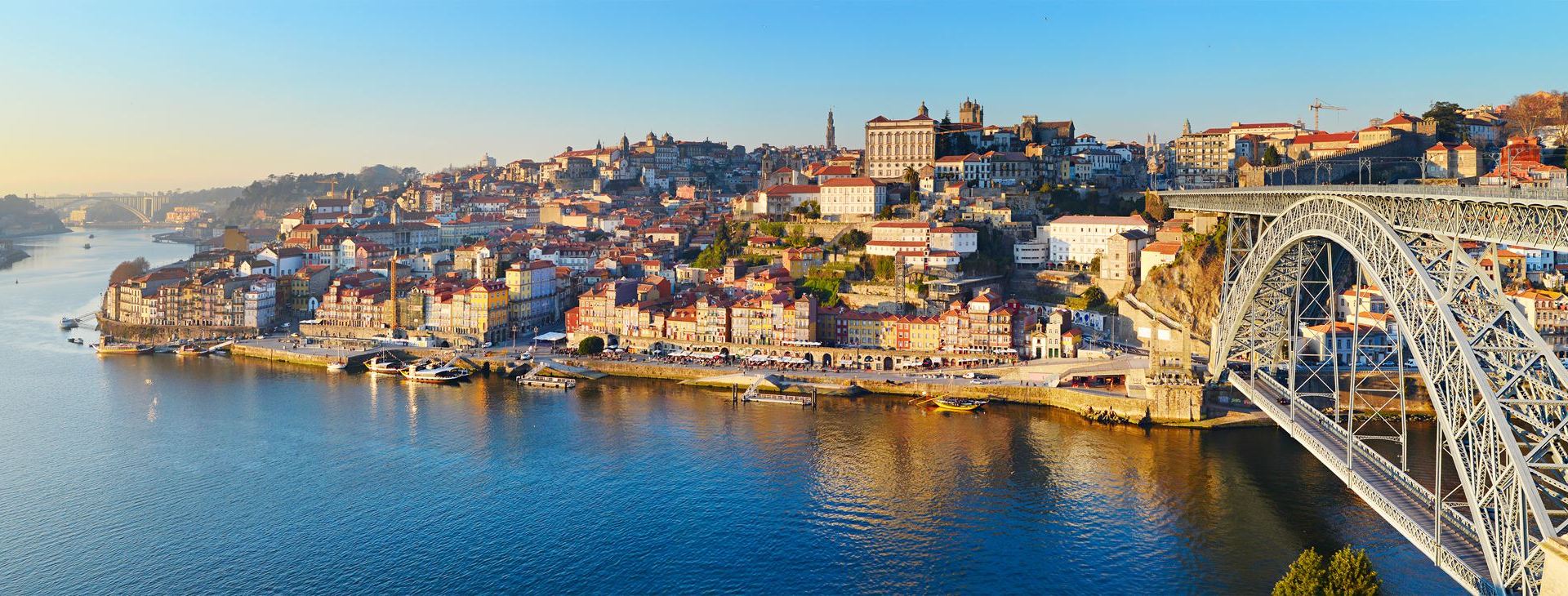
Porto
Porto is a city on the steep banks of the Douro River, whose historic center was designated a UNESCO World Heritage Site in 1996. The colorful townhouses of the Ribeira waterfront slope down to the river, and the Dom Luís I Bridge spans it, with two piers – the upper one for metro trains and pedestrians. At São Bento Station, the lobby is decorated with thousands of azulejos tiles depicting scenes from Portuguese history.
Across the river lies Vila Nova de Gaia, where port wine has matured in its cellars for centuries. In the evening, it's worth walking across the upper bridge to the hill with the Jardim do Morro garden – from there, you can see the sunset over the old town at its best. Porto is smaller than Lisbon and more intimate, making it a good starting point for your trip before heading into the Douro Valley. Also worth checking out is the Livraria Lello bookstore, with its neo-Gothic interior and red staircase – entry is ticketed, and the lines are long, so buy your ticket in advance.
Douro Valley
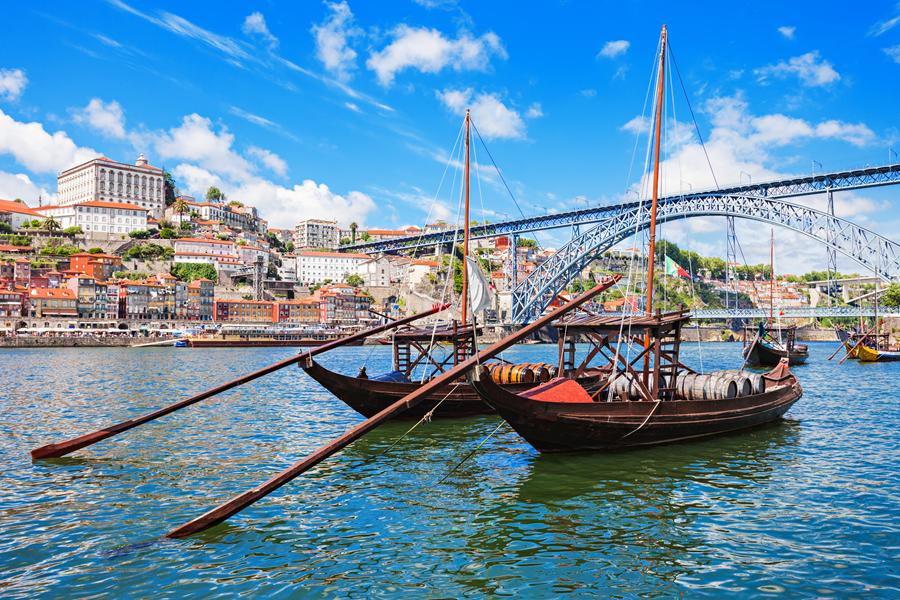
The Douro Valley is one of the oldest wine regions in the world with officially defined borders – they were established in 1756. The terraced vineyards of the Alto Douro, carved into the slate slopes, were added to the UNESCO list in 2001. Between them stand whitewashed wine estates, fifths, where you can visit the cellars, taste the wine and often also stay overnight.
For couples, this is one of the most pleasant destinations in the country: days pass with tastings, river cruises, and dinners on terraces overlooking the water. From Porto to Pinhão, you can take a scenic railway line that runs along the river for long stretches. The most beautiful time is in September and early October, when the grape harvest is underway and the hillsides begin to change color. Many estates welcome guests overnight and serve dinner with wine from their own vineyards. The drive from Porto to Pinhão is less than two hours, and the winding riverside roads are an attraction in themselves.
Lisbon
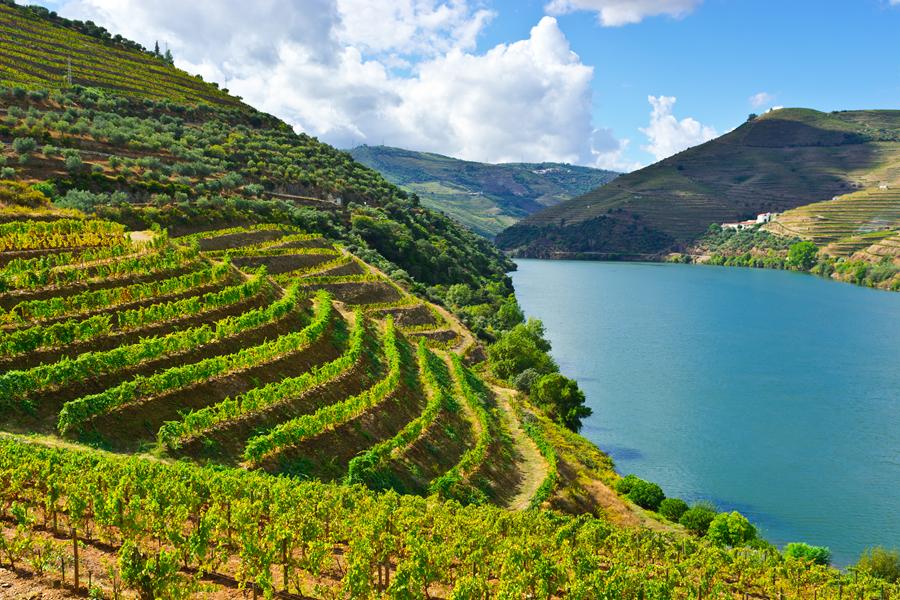
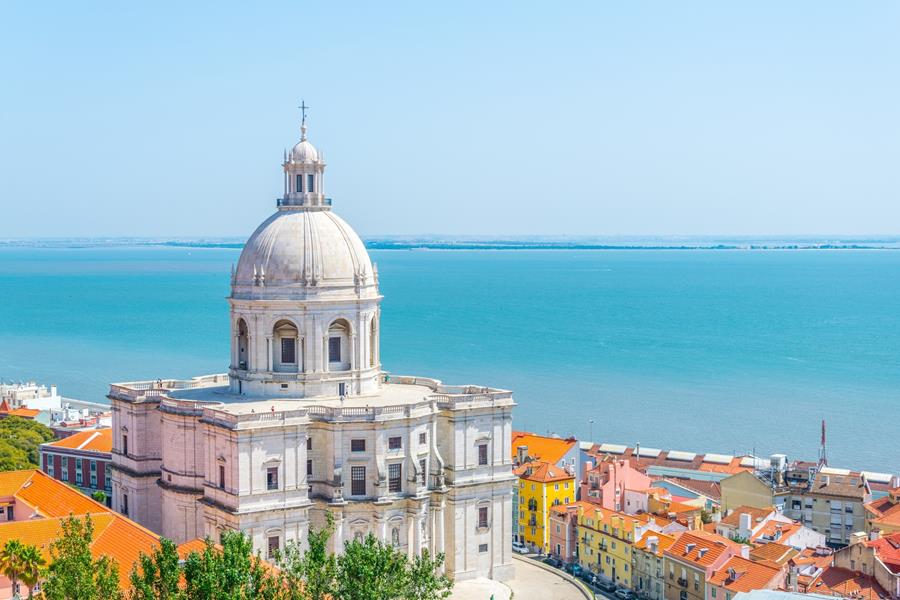
Lisbon is situated on the hills above the wide mouth of the Tagus, and from its viewpoints, called viewpoints, you can see the red rooftops and the river. In Alfama, the oldest district, winding streets lead to São Jorge Castle, and in the evenings, fado, a dance inscribed on UNESCO's Intangible Cultural Heritage List in 2011, is sung in small restaurants.
In Belém you will see the Jerónimos Monastery and the Belém Tower, which are UNESCO World Heritage Sites, and next to it you will taste Pasteis De Nata in a pastry shop that has been baking them since 1837. The historic tram line 28 climbs through the oldest districts, and the Santa Justa elevator takes passengers from the lower town to Chiado hill. For a few days in the capital, it's a good idea to choose a hotel with a garden or terrace where you can relax after sightseeing. In the evening, stroll through Bairro Alto, where dozens of bars operate in the narrow streets. For ideas for a short stay, read the article about luxury trips to European cities.
Sintra
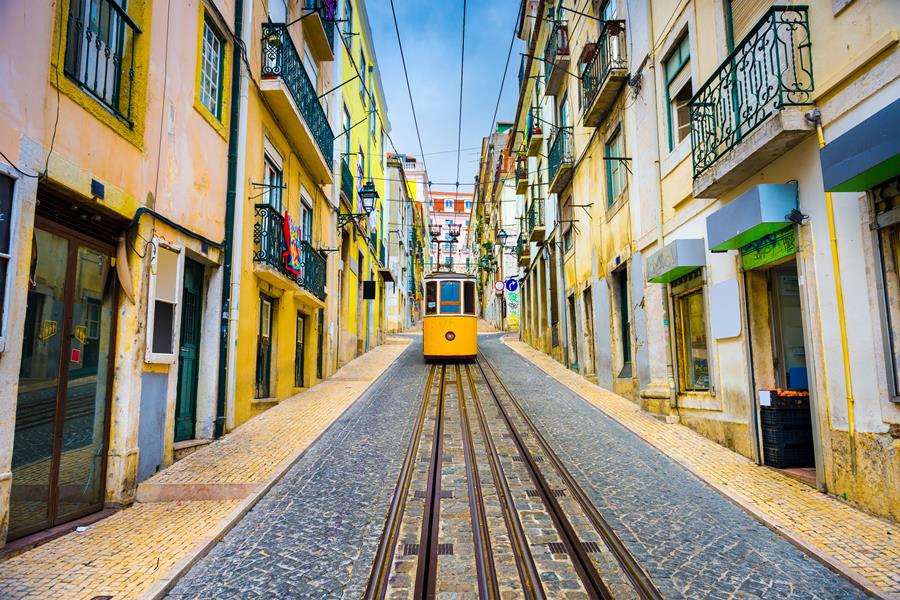
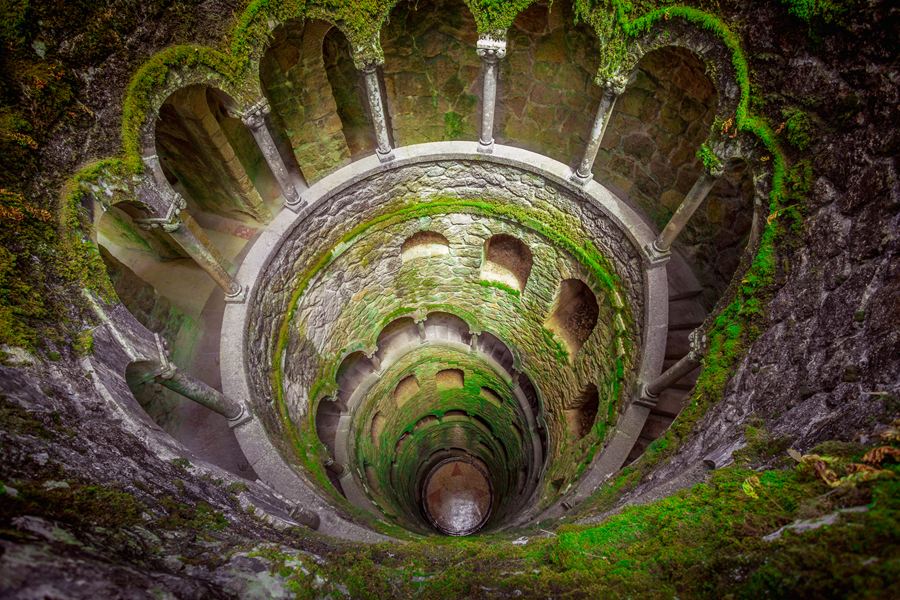
Sintra, the former summer residence of kings and aristocrats, nestles among forested hills, about 30 km from Lisbon. In 1995, its cultural landscape was added to the UNESCO World Heritage List. The most famous is the Pena Palace – a colorful 19th-century fantasy atop a hill – and right next to it rise the walls of the medieval Moorish Castle. Lord Byron called Sintra a paradise – no wonder. Couples will especially love Quinta da Regaleira, an estate with gardens full of grottos, tunnels, and symbols. Its most famous landmark is the Well of Initiation, where a spiral staircase leads 27 meters down. Cabo da Roca, the westernmost point of continental Europe, is also close to Sintra. Reserve a full day for Sintra and start early in the morning before the arrival of the tourists.
Cascais
Cascais This former fishing village became a summer resort for the Portuguese royal family in the 19th century. It lies about 30 km west of Lisbon, accessible from the capital city by suburban train along the coast. Villas and mansions remain from its aristocratic days, and the former citadel is now an elegant space with a hotel and galleries.
Cascais combines beach and city: a morning swim in one of the small bays, an afternoon stroll along the cobblestone streets, and an evening fish dinner in the port. A few minutes outside the town, the waves crash into the rocky grotto of Boca do Inferno, or "Mouth of Hell." Further west, a path leads to the dunes and Guincho Beach, a favorite among surfers. It's a good place for a few days of leisurely relaxation after exploring Lisbon. The town itself boasts several small beaches, including Praia da Rainha, or Queen's Beach, once favored by Portuguese queens.

Estoril
Estoril It borders Cascais and, together with it, forms the Lisbon Riviera. It gained fame in the early 20th century, and during World War II, it provided refuge to exiled monarchs, refugees, and spies from both sides. The Estoril Casino, one of the largest in Europe, inspired Ian Fleming to write the first James Bond novel, "Casino Royale."
Today, Estoril boasts elegant villas, gardens, and the palm-fringed Tamariz Beach. A seaside promenade runs along the seafront, taking you to Cascais in less than an hour—a good idea for an evening stroll. You can dine and watch a show at the casino, even if you don't plan on gambling. Estoril is quieter than its neighbor, and Lisbon is just as close. A train from Lisbon's Cais do Sodré station takes about half an hour, and in the evenings, bars and restaurants with ocean views open along Tamariz Beach.

Algarve
The Algarve is Portugal's southern coast and the country's sunniest region. To the west of Faro lie golden cliffs, rocky arches, and small bays, while to the east lie long sandy beaches and the lagoon of the Ria Formosa Natural Park. Beneath Lagos, the rocks of Ponta da Piedade form a labyrinth of caves accessible by boat or kayak.
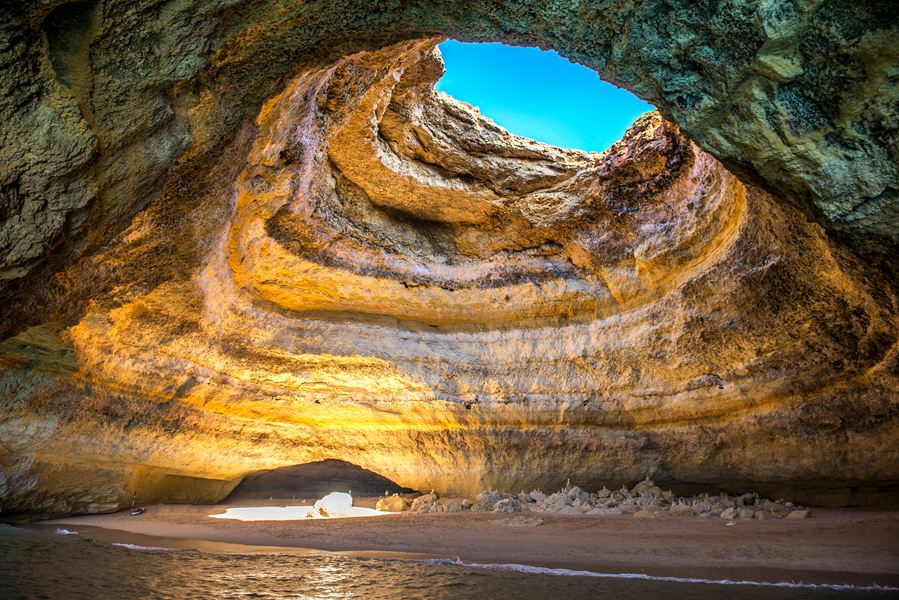
The most famous grotto, Benagil, has an opening in the ceiling that lets light shine onto a hidden beach. Since 2024, swimming or disembarking is prohibited; the grotto must be viewed by boat or kayak with a licensed guide. At the western end of the region, in Sagres and Cape St. Vincent, watching the sunset from the cliffs is one of the most beautiful experiences in Portugal. Couples often choose the Albufeira and Lagoa areas, with their cliff-top hotels, or the quieter eastern town of Tavira. Faro Airport offers connections to many European cities.
Wood
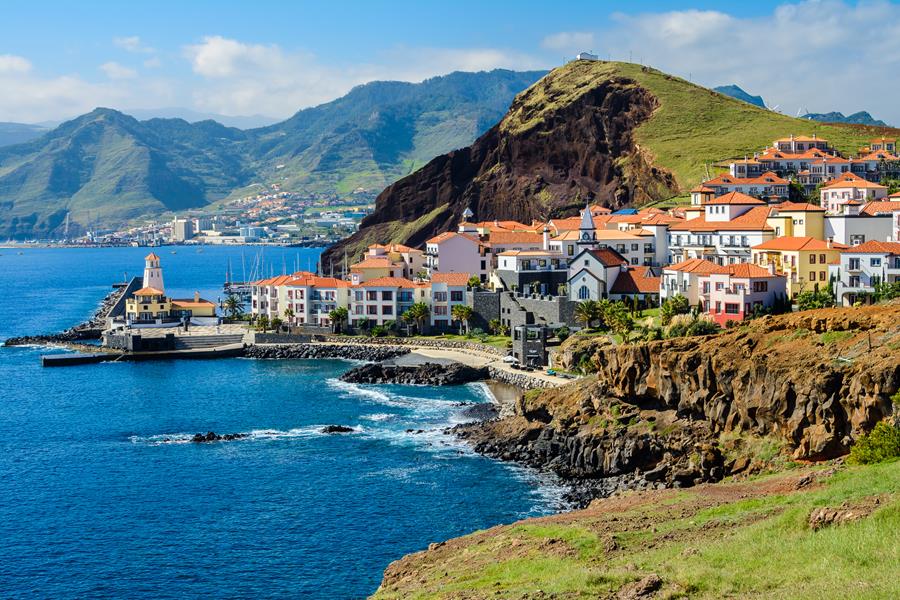
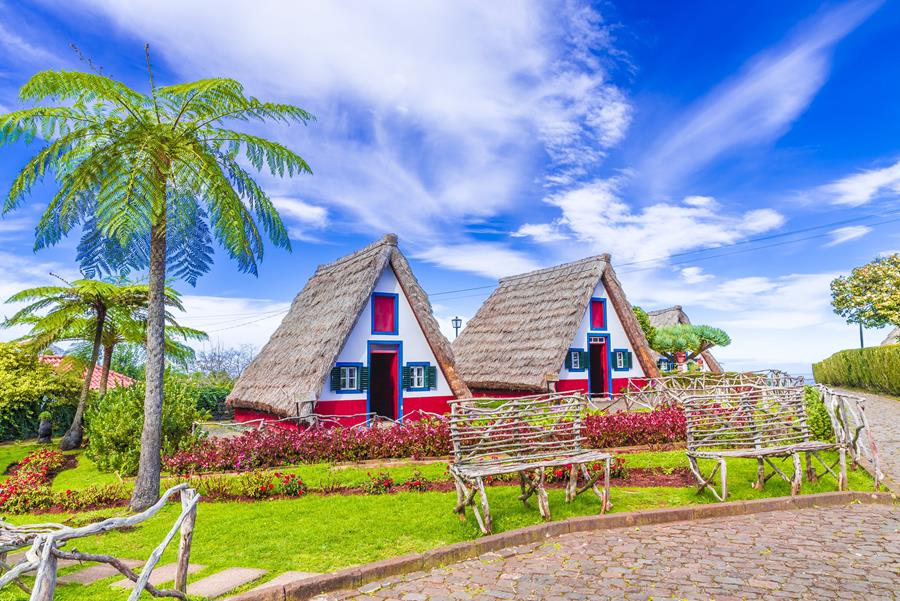
Madeira, the "island of eternal spring," lies in the Atlantic, about an hour and a half flight from Lisbon. Instead of sandy beaches, it boasts cliffs, gardens, and green mountains crisscrossed by levadas—ancient irrigation canals lined with walking trails. The island's laurel forests, or laurisilva, were added to the UNESCO World Heritage List in 1999.
In Madeira, honeymooners spend their honeymoon at a more leisurely pace: sunrise on Pico do Arieiro, strolls through Funchal's gardens, and dinners with a glass of Madeira wine. From Pico do Arieiro, a ridge trail leads to the island's highest peak, Pico Ruivo. From Funchal, a cable car takes you to Monte, from where you can ride down in a wicker sleigh pulled by two drivers. Those who miss the sand can take a ferry to neighboring Porto Santo with its long golden beach. You can find other ideas for islands in the middle of the ocean in the article about European islands and peninsulas.
Recommended honeymoon hotels in Portugal
Looking for a hotel that will become part of your memories, not just a place to stay? Each of the hotels below has its own story or a view that's unmistakable.
Pine Cliffs Hotel, Algarve
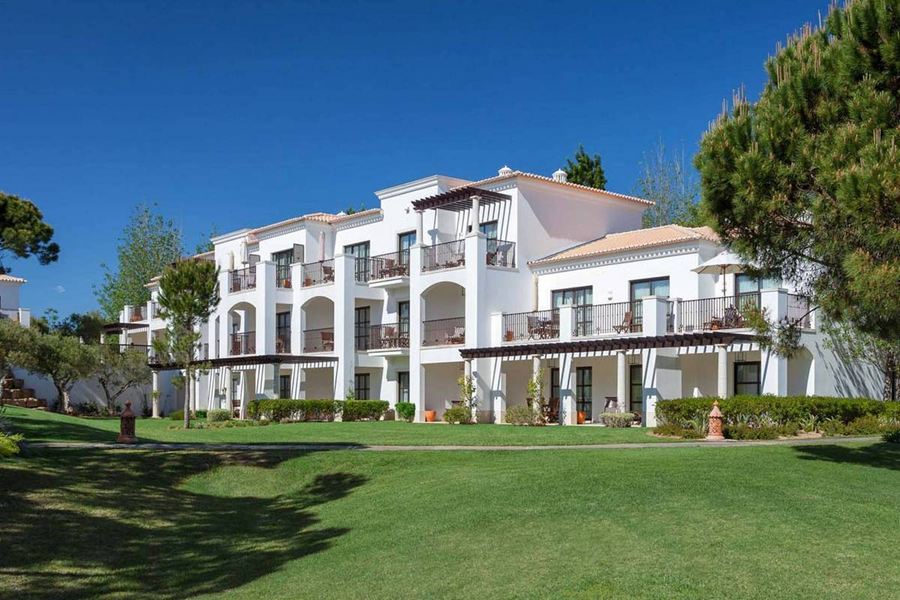
Pine Cliffs Hotel, a Luxury Collection Resort It stands on ochre-red cliffs above Falésia Beach, one of the longest in the Algarve. Access to the beach is via a panoramic elevator. Formerly known as the Sheraton Algarve, the hotel is part of the Pine Cliffs complex, which occupies 72 hectares nestled among pine trees. It is approximately 10 km from Albufeira and the marina in Vilamoura, and approximately 35 km from Faro Airport.
The buildings are inspired by Moorish architecture. The hotel has 217 rooms and suites, each with a balcony or terrace overlooking the garden or, for an additional fee, the ocean. Couples can choose between Deluxe Rooms, approximately 34 m², or two-story Duplex Suites (approximately 55 m²) with a living room and a second bathroom.
On-site amenities include a 1000-square-meter Serenity – The Art of Well Being spa, an indoor pool, several outdoor pools, tennis courts, and a 9-hole golf course. The poolside restaurant, O Pescador, serves fish and seafood with ocean views, and Yakuza by Olivier offers Japanese cuisine. In the summer evenings, the Maré beach restaurant features live music. This is the perfect place for couples who want the ocean beneath their feet, yet have everything they need within walking distance.
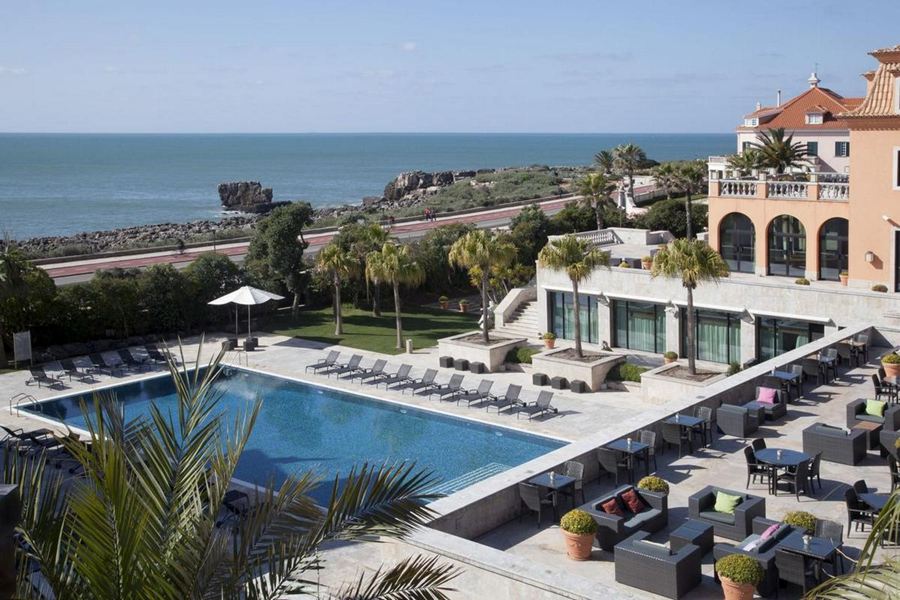
Grande Real Villa Itália, Cascais
Grande Real Villa Italy This five-star hotel is the former residence of Umberto II, the last Italian king. Umberto reigned for just 34 days in 1946, hence the nickname "May King." After the fall of the monarchy, he lived in exile in Cascais, where loyal monarchists built him a house by the ocean. He named the house Villa Italia. He lived there until he fell seriously ill and died in Geneva in 1983.
Today, the hotel is a member of The Leading Hotels of the World. It has 124 rooms, including 22 suites, two of which are on the top floor. Each room offers ocean or garden views, and the interiors combine classic and modern styles.
The highlight is the Real Spa Therapy, spanning over 1000 square meters, with a thalassotherapy circuit powered by Atlantic water, a Turkish bath, sauna, ice fountain, and Vichy showers. Outside, there's a seawater pool for adults. Cascais Marina is a two-minute walk away, and the town center is a five-minute walk along the sea. Lisbon is about 30 km away, so a day trip to the capital doesn't require changing hotels. The king's crown fell off after 34 days – just one afternoon in thalassotherapy will be enough to understand why he chose this coast.
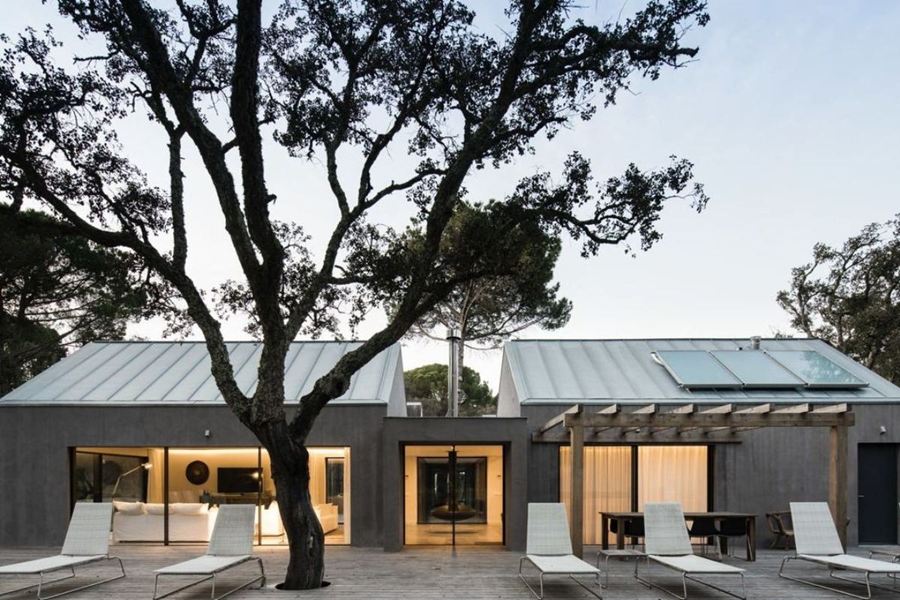
Sublime Comporta, Comporta
Sublime Gate It occupies approximately 68 hectares among cork oaks and pines, a few kilometers from the Atlantic Ocean and about an hour's drive from Lisbon. Nearby are the wide beaches of Praia da Comporta and Praia do Pego, rice paddies, and pools dotted with flamingos. The Michelin Guide has awarded the hotel one key.
The rooms, cottages, and villas are decorated in a minimalist style, using wood, linen, and cork—the same materials that grow right outside the window. Each room has at least one terrace, air conditioning, and underfloor heating. Honeymooners will especially appreciate the Bio-Pool Suites, which feature their own natural pool.
The hotel collects rainwater, uses solar panels, and grows vegetables and herbs for the restaurant in the garden. Sem Porta Restaurant blends tradition with modernity, serving classic cuisine from around the world. At The Food Circle, in the center of the garden, up to 12 people sit at a communal table, while the chef cooks before their eyes over a fire. About 10 minutes from the hotel, on Praia do Carvalhal, there's also a hotel beach club serving fish and seafood. On-site amenities include a spa, swimming pools, saunas, tennis courts, and electric bikes for exploring the surrounding area. The hotel organizes yoga classes, cooking workshops, and picnics. This is the perfect place for couples who want to wake up among the trees, not among other hotels.
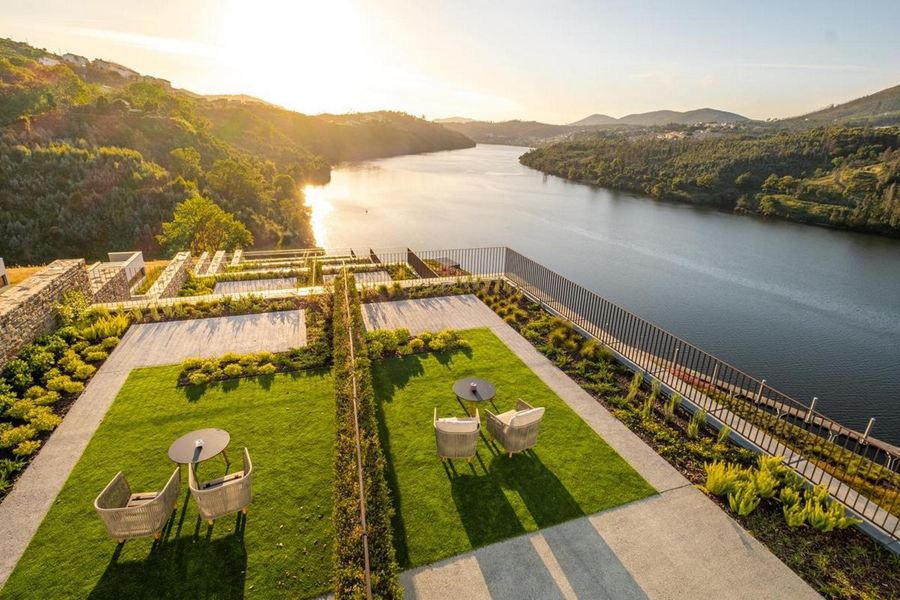
Octant Douro, Douro Valley
Octant Douro stands on a wooded slope above a river, in the village of Raiva in the municipality of Castelo de Paiva, about a 40-minute drive from Porto. The name of the village sounds ominous because in Portuguese anger means "rage," but it's hard to find a more peaceful place for your first evening in the valley. The hotel previously operated under the name Douro41 and was awarded one key by the Michelin Guide.
The modern structure descends in terraces down the slope. Glass walls, glass walkways, and wide terraces ensure that the river accompanies you in almost every room. In addition to the rooms and apartments, there are houses from the House Collection – some of them have their own plunge pools, and the bathrooms feature freestanding bathtubs.
Dinner is available at the panoramic Raiva restaurant, with modern cuisine based on regional produce, or at the more casual À Terra, where dishes are prepared in a wood-burning oven. The spa features a hydrotherapy circuit, sauna, and Turkish bath, and the water in the outdoor pool seems to flow directly into the valley. The hotel has its own jetty, making it easy to take a boat trip on the Douro. Reception can also arrange wine tastings, vineyard tours, kayaking, and horseback riding. This is a good place to stay for two or three nights after exploring Porto.
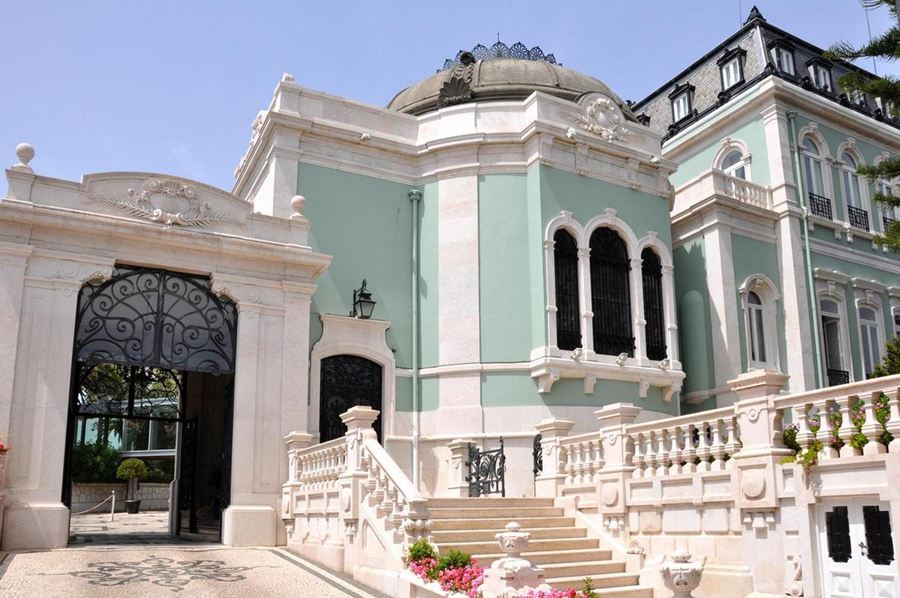
Pestana Palace Lisboa, Lisbon
Pestana Palace Lisbon The turn-of-the-20th-century Valle Flôr Palace occupies the Alto de Santo Amaro district, between the city center and Belém. It was built by José Luís Constantino Dias, Marquis of Valle Flôr, who made his fortune in cocoa plantations. He commissioned its construction in 1890, and the palace has been a national monument since 1997. The Pestana Group purchased it in 1991 and, after a decade of renovations, opened it as a hotel.
The hotel has 194 rooms and suites, mostly in the modern wings. Inside the palace itself, on the second floor are four royal suites with terraces and views of the Tagus River. Historic salons, including the Rococo Blue Salon and the Japanese Salon, have been preserved on the first floor.
The palace is surrounded by a garden, some of whose plants are protected as a national monument. The Valle Flôr restaurant operates in the former ballrooms, and the Allegro Bar welcomes you in the evenings. The outdoor pool is seasonal, while the indoor, heated one is open year-round. The Magic Spa offers a sauna, Turkish bath, and massages. After a day in the Lisbon hills, returning to the garden and pool is like closing the gates on the outskirts of the city—and Belém and its famous cupcakes are just a short drive away.
Quinta da Casa Branca, Madeira
Quinta da Casa Branca is located in Funchal, nestled in a private botanical garden, about a 20-minute walk or 10-minute drive from the city center. Its history begins in the mid-19th century, when the British ancestors of the current owners, the Leacock family, established a vineyard and banana plantation here. The family traces its lineage back to John Leacock, who established the Madeira wine trade with England in the 18th century.
The first hotel building opened in 1998. It was designed by Madeiran architect João Favila Menezes, who, instead of traditional architecture, chose glass and dark slate, a reminder of the island's volcanic origins. The design won the 1999 Funchal City Architecture Award. Since 2003, the hotel has been a member of Small Luxury Hotels of the World.
The hotel has 49 rooms and suites, including suites in the historic Manor House. Garden Rooms have terraces overlooking the garden, and the largest suites are over 100 square meters. The gardens are home to camphor trees, banana trees, and the endemic Madeiran bugloss, many of which have nameplates. There are two outdoor pools, a jacuzzi, and a spa. Dinner is served in The Dining Room, located in the former manor house, where the cuisine combines Madeiran tradition with modernity.
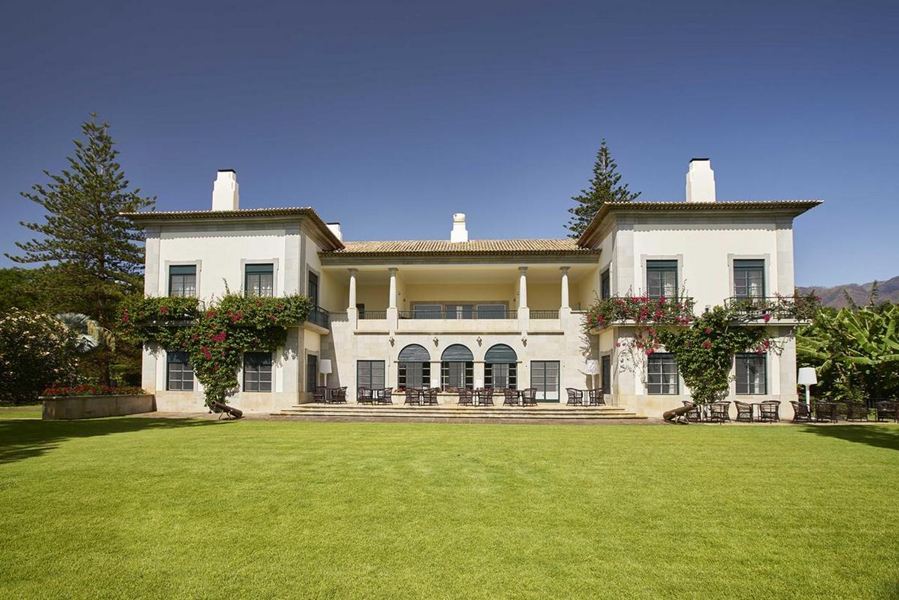
Torel Palace Porto, Porto
The Torel Palace Porto is located on Rua de Entreparedes, in Porto's historic center. The hotel occupies a historic mansion with a glass skylight and stucco ceilings, whose renovation earned it a national award for urban regeneration in 2021. The Michelin Guide awarded the hotel a single key.
The theme is Portuguese literature: each room and suite pays homage to a different writer or poet. The hotel has 24 rooms and suites on four floors, plus 18 suites in the adjacent building, across thirteen categories. So, it's a good idea to pack a book of poetry.
On the ground floor is the Blind restaurant, which received one Michelin star in 2026. Since 2025, the kitchen has been headed by Stéphane Costa, under the supervision of Vítor Matos, whose restaurants have a total of six Michelin stars. The name refers to the novel by José Saramago, known in Poland as "Miasto ślepców" (Blind City). The Blind Emotions tasting menu is a surprise: you don't know what's coming to your plate until the waiter sets it down. In the morning, visit the Florbela pastry shop. After sightseeing, relax by the outdoor pool or order a treatment at the Calla Wellness Suite. Porto's most important sights are within walking distance. The hotel also offers private yoga classes, 24-hour room service, and private parking, which is very convenient in Porto's busy city center.
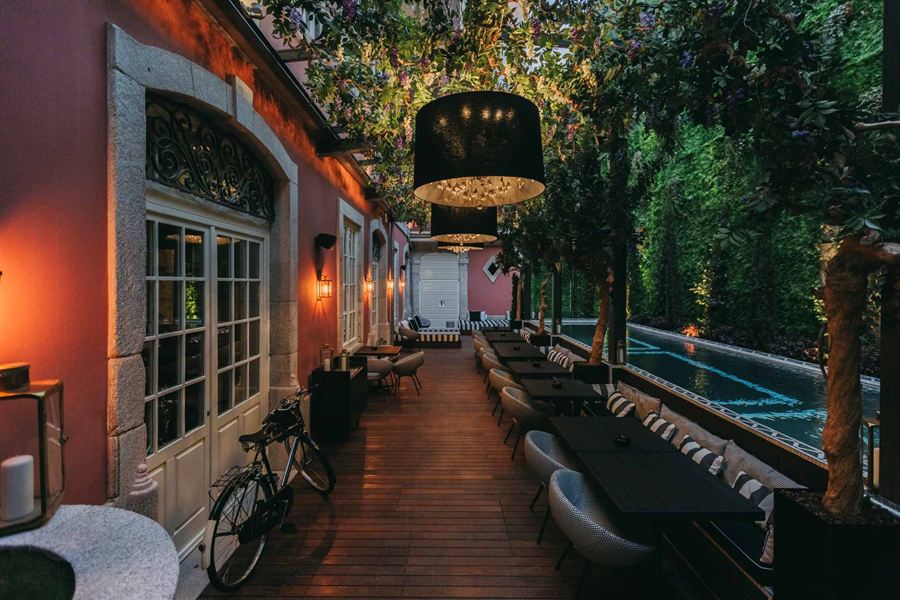
Attractions for couples in Portugal – what is worth it?
The best memories from Portugal are rarely about the list of sights—they're more about what you experience together. Here are a few ideas worth including in your honeymoon itinerary.
Private Sunset Cruise on the Tagus River
For your honeymoon in Portugal, book a private cruise on the Tagus River and see Lisbon from a completely different perspective. Set sail in the late afternoon, when the light is gradually turning golden, and the white facades of the buildings and red rooftops of the city are taking on warm hues. From the deck, you'll see the monumental April 25th Bridge, the Monument to the Discoveries, and the Belém Tower, as well as a panoramic view of the waterfront, which is best viewed from the water. Enjoy a glass of Portuguese wine, snacks, and a moment just for you—no rush, no crowds, and no need to check your watch. This cruise is the perfect idea for a romantic evening during your honeymoon in Portugal, as well as a unique opportunity to toast to your future together. If you're dreaming of an even more intimate atmosphere, choose a small boat with an experienced skipper and arrange the route and departure time individually.
A night in a palace or historic estate
Turn an ordinary overnight stay into an unforgettable experience and spend at least one night in a Portuguese palace, historic residence, or former country estate. In Sintra, you can stay surrounded by romantic gardens, exotic plants, and historic architecture that evokes tales of Portuguese aristocrats of yore. In the Douro Valley, seek out elegant accommodations. farm, a country estate, often surrounded by terraced vineyards and hills descending to a river. In the Alentejo, whitewashed houses, expansive countryside, olive groves, and intimate properties await, allowing you to enjoy the peace and quiet of the day. When choosing a hotel for your honeymoon in Portugal, look for rooms with views, private terraces, gardens, and restaurants serving local cuisine. Breakfast served in the courtyard, an afternoon by the pool, and a candlelit dinner will make even a day without sightseeing a special part of your honeymoon.
Picnic on the beach
Not all romantic moments on a honeymoon trip to Portugal need to require bookings and meticulous planning. Sometimes all you need is a basket full of local delicacies, a soft blanket, and a quiet beach where you can spend a few hours alone. Head to the Algarve coast, where golden sands and impressive cliffs create a beautiful setting, or discover the wide, unspoiled beaches around Comporta, surrounded by dunes and pine forests. Pack a picnic with fresh bread, Portuguese cheeses, olives, and fruit. Pasteis De Nata and a bottle of local beverage. You can prepare everything yourself or order a picnic basket from your hotel. It's best to plan this moment for late afternoon, to watch the sun slowly sink below the horizon. Just remember that the Atlantic can be chilly, and the wind on Portuguese beaches can be surprising, so a warm blanket and an extra layer of clothing will be useful. Such a picnic will be a beautiful addition to a romantic vacation in Portugal, especially if you enjoy natural landscapes and uncomplicated pleasures.
Azulejos Workshop – Create Your Own Souvenir
Portugal is famous for its azulejos, decorative ceramic tiles that adorn building facades, churches, train stations, and the interiors of tenement houses. Instead of bringing home another souvenir from a store, attend a workshop where you'll learn the history of this tradition and try your hand at decorating ceramics. In Lisbon or Porto, you can learn to compose patterns inspired by Portuguese ornaments, choose colors, and transfer motifs to ceramic surfaces. Artistic talent isn't necessary—the most important thing is the shared experience and having fun. Create two matching tiles or one larger design, which you can hang in your home upon your return. Such a souvenir will take on special meaning, as it will remind you of your first trip together as a married couple. An azulejos workshop is a great option if you're planning a honeymoon in Portugal and want to combine a romantic sightseeing trip with immersing yourself in the local culture. It's worth checking in advance whether the finished pieces can be taken home immediately or if you need to wait for them to fire and dry.
Stargazing in Alentejo
If you're dreaming of a relaxing break away from the hustle and bustle of the city, include the Alentejo region in your itinerary, known for its vast plains, olive groves, small white towns, and tranquil atmosphere. After dark, the sky here can delight with an extraordinary number of visible stars, especially away from artificial light sources. Choose accommodation in a country estate, where you can spend the evening on the terrace, observing the constellations and listening to the sounds of nature. An even more interesting idea is to organize an observation trip with a guide or astronomer, who will help you identify the most important constellations and share the secrets of the night sky. You can combine this activity with an al fresco dinner or an overnight stay in a cozy hotel away from larger towns. This is a great option for couples who want to slow down and find time for true relaxation on their honeymoon in Portugal. If you're looking for a particularly dark sky, consider the area around the Alqueva Dark Sky Reserve, where astronomy tourism is being developed. Before leaving, check the Moon phase and cloud cover forecast – they largely determine the observing conditions.
Ride on a historic tram in Lisbon
Hop on a yellow, vintage tram and discover Lisbon to the rhythm of its distinctive wheels on rails. A ride through its historic streets offers a perspective on the city that can't be replicated on foot. The trams climb steep slopes, pass traditional townhouses, small squares, and viewpoints, while glimpses of everyday Portuguese life pass by. The popular line 28 runs through historic districts, including Graça, Alfama, and the Baixa area, making it an interesting first day of sightseeing. However, it's worth remembering that it's very crowded, especially during peak season. For a more relaxed atmosphere, choose a less crowded time or another historic tram line. After your ride, hop off in one of the atmospheric districts, order a coffee, and sit on a terrace overlooking the city. Such a leisurely stroll is a perfect addition to a romantic trip to Portugal, and a ride on a historic tram will be a pleasant way to get to know the character of the capital without having to plan a tight sightseeing schedule.
Olive oil and local delicacies tasting in Alentejo
During your honeymoon in Portugal, explore the country's culinary side and enjoy a tasting of regional products in the Alentejo region. This vast region is renowned for its olive oil, aromatic herbs, traditional cheeses, mature meats, and dishes where simplicity meets intense flavor. Visit a local oil mill or farm, where you'll learn the various stages of olive oil production—from harvesting to pressing—and how to distinguish the differences between different varieties. During the tasting, sample several types of oil, noting their fruity, herbal, or slightly spicy notes. It's worth combining your visit with a tasting of regional cheeses, fresh bread, and local specialties. Some farms also offer cooking workshops or group cooking of traditional dishes. This is a great opportunity to unwind and experience Portuguese flavors, chat with producers, and discover a less touristy side of the country. This type of activity is especially useful during a honeymoon trip to Portugal, when you'll want to relax in a more peaceful setting after sightseeing in Lisbon or Porto. Finally, buy a bottle of your favorite olive oil and use it to prepare a Portuguese-inspired dinner upon your return.
We have collected more ideas on what to see in the country in our guide the best attractions in Portugal.
What is worth knowing before traveling to Portugal?
Portugal doesn't require complicated preparations, but there are a few things you should know before you go. We've summarized them below to ensure you don't encounter any surprises along the way.
Safety in Portugal
Portugal is one of the safest countries in the world: in the 2025 Global Peace Index, it ranked seventh out of 163 countries. The biggest problem for tourists is pickpocketing in crowded places, for example, on the 28 tram in Lisbon, at viewpoints, and near train stations. At the ocean, pay attention to the flags on beaches and avoid entering the water at red light – the waves and currents of the Atlantic can be strong. In the summer, forest fires occur inland, and in case of danger, call the emergency number 112. We wrote about the most common tricks used against tourists in the article about tourist scams in Europe.
Visa to Portugal
Portugal is a member of the European Union and the Schengen Area, so Polish citizens do not require a visa. A valid ID card or passport is sufficient for entry, including to Madeira. Remember that hotel and ticket reservations made immediately after the wedding should be in the same name as the document you are traveling with. Before leaving, it's worth obtaining a European Health Insurance Card and purchasing private travel insurance.
Weather in Portugal
Portugal has a mild Mediterranean climate with Atlantic influences. The warmest and sunniest are in the Algarve, where summers are long and winters are mild. Summer breezes temper the summer heat along the ocean, but in the Douro Valley and Alentejo, July and August can be very hot. Madeira has moderate temperatures year-round, which is why the island is called the island of eternal spring. May, June, September, and October are the best months for a honeymoon.
Beaches in Portugal
Portuguese beaches lie on the Atlantic, so the water is cooler than in the Mediterranean. In August, the Algarve typically has temperatures around 20–22°C, with Lisbon and Cascais a few degrees cooler. The quietest bathing areas are found in the eastern Algarve and the bays of the Lisbon Riviera, while the wildest are on the Alentejo coast. In Madeira, instead of beaches, there are swimming pools and natural bathing areas in volcanic rocks, and a sandy beach awaits in Porto Santo.
Flight time to Portugal
A direct flight from Warsaw to Lisbon takes about four hours. The flight from Lisbon to Madeira takes about an hour and a half. In Portugal, including Madeira, the clocks are an hour earlier than in Poland, so the time change is almost imperceptible. You can therefore embark on your honeymoon immediately after the wedding, without a long acclimatization period.
Portugal allows you to start your life together with a journey where each day has a different taste – sometimes port wine, sometimes the ocean, sometimes fresh Pasteis De NataThe best itinerary leaves room for evenings that don't require planning. Ready-made trip ideas can be found in Planet Escape programs, and inspirations in the text about honeymoon in the exclusive versionIf you want us to organize your honeymoon in Portugal, contact us. Bon voyage!

November 10, 2026
November 9, 2026
November 6, 2026
November 5, 2026
November 4, 2026
October 29, 2026

recent posts
 International driving license – when is it needed? November 12, 2026
- The most beautiful lakes in Asia – where is it worth going? November 10, 2026
- Honeymoon trip to Canada November 9, 2026