
Get inspired and read about your dream trip on the blog
Diving in Australia – what's worth knowing? Must-see places!
September 4, 2025
Fancy seeing Australia from a completely different perspective—not from a beach or mountain trail, but from beneath the ocean? This continent is one of the most exciting diving destinations in the world, a place that captivates both beginners and experienced divers. Australia has it all: colorful tropical reefs, mysterious wrecks resting on the seabed, encounters with gigantic animals, and unique creatures.
In this article, we'll take you on an underwater journey across Australia. First, you'll learn practical information to help you plan your trip step by step. Then, you'll discover the best times to dive in each region, as the season in tropical Queensland is completely different than in the colder waters of the south. Next, we'll delve into your wallet – you'll learn the costs of courses, individual dives, and tour packages. We'll also tell you what you can expect to encounter in Australia's depths, from turtles and manta rays to sharks and rare seahorses. We'll also review the best dive sites and the different types of diving that await you in Australia.

Diving in Australia – practical information
Australia is a true paradise for underwater adventure lovers. Here you will find some of the most beautiful diving sites in the world – from the famous Great Barrier Reef to lesser-known but equally fascinating corners of the south and west coasts. Diving into these waters is a chance to encounter colorful fish, majestic turtles, reef sharks, and extraordinary coral formations.
The most recognizable diving destination is, of course, the Great Barrier Reef in Queensland. It's the largest coral reef on Earth, stretching for over two thousand kilometers. You can take day trips here from Cairns or Port Douglas, or opt for a multi-day liveaboard cruise that will allow you to discover more remote and untouched places. Besides the reef, it is worth considering diving in Byron Bay, where manta rays and dolphins are often seen, or in Western Australia, at the Ningaloo Reef – there, in turn, you can swim next to huge, yet gentle whale sharks.
Before you head underwater, prepare thoroughly for your adventure. Many dive centers offer PADI and SSI courses – you can earn your certification on-site or refresh your skills. Equipment is usually available for rent, although experienced divers often bring their own masks and dive computers. It's also worth remembering to purchase water sports insurance and checking weather conditions – cyclones or strong currents can affect the accessibility of some locations.
A practical solution is to book your trip in advance, especially during the peak season, which runs from June to November. During this time, underwater visibility is at its best, and you'll have the chance to admire migrating whales and the seasonal phenomena of coral spawning. The water in tropical Queensland is warm year-round, but in the south of the country, a wetsuit is a must, especially in winter.
It's also good to know that jellyfish are common in some regions of Australia, especially northern Queensland, especially between October and May. During this time, it's recommended to use special protective gear, which can be rented from any dive center. Many centers also offer additional activities, such as night dives and shipwreck expeditions, which are extremely popular.
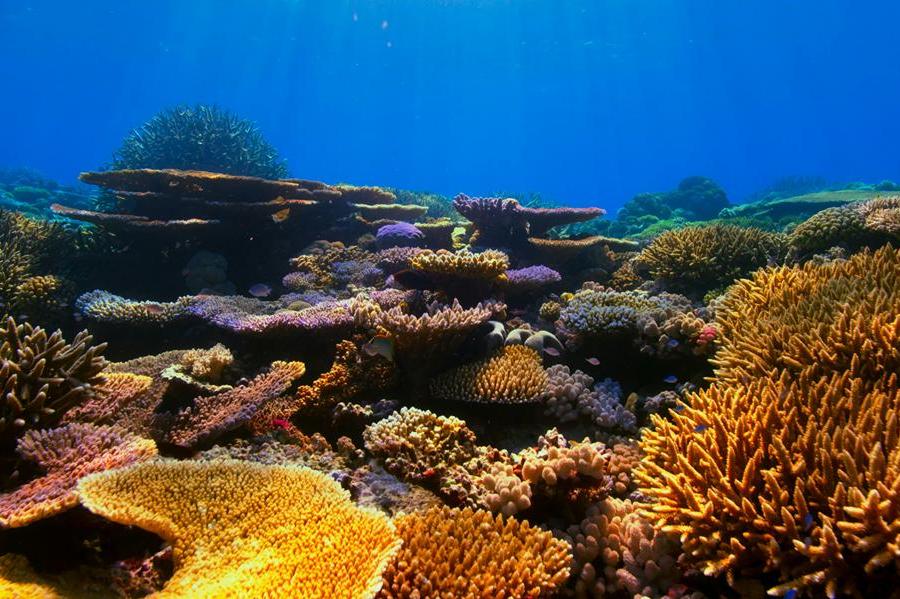
When is the best time to dive in Australia?
Weather in Australia It allows for year-round diving, but choosing the best time depends on the places you want to visit and what underwater attractions are most important to you. The continent spans several climate zones, so the diving season varies in tropical Queensland, the south, and even on the west coast.
The most popular destination is the Great Barrier Reef in Queensland. If you're planning a trip there, the best time is from June to November. During this period, the water is clear, and underwater visibility can reach up to 30 meters. This is also the time to see migrating humpback whales and witness the spectacular phenomenon of mass coral spawning. However, it's worth remembering that this is also the peak tourist season, so it's a good idea to book boats and dive sites well in advance.
In southern Australia, around Melbourne and Adelaide, diving conditions are best during the summer months, from December to February. The water is warmest then, and the weather is stable. It's the perfect time to see creatures typical of the region, such as leafy seahorses. However, keep in mind that the water temperature is lower than in the north, so a wetsuit is essential.
Western Australia, and especially Ningaloo Reef, has its peak season from March to June. This is when whale sharks appear – enormous but completely harmless giants of the ocean, with whom you can swim shoulder to shoulder. It's one of the most unique diving experiences in the country. Furthermore, visibility is excellent during this time, and the water temperature is exceptionally pleasant.
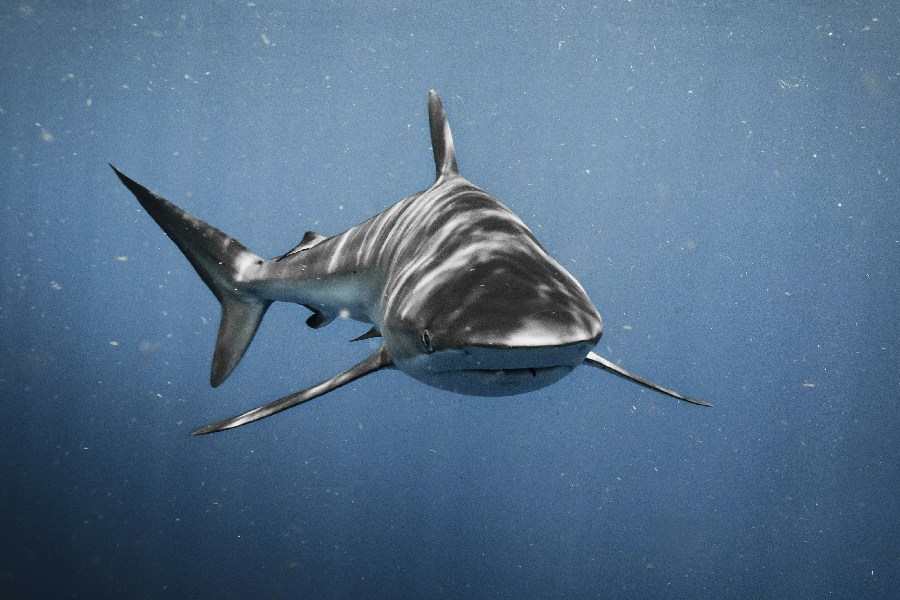
How much does diving cost in Australia?
Diving prices in Australia depend on the location, type of trip, and whether you're interested in individual dives, packages, or courses. The most popular destination remains the Great Barrier Reef in Queensland. Day trips from Cairns cost around AUD 250-300, and typically include equipment rental, lunch, and access to several reef locations. If you're planning a longer adventure, you can opt for a liveaboard cruise, which is a multi-day diving trip with overnight stays on a boat. These range from AUD 500 to even AUD 3000, depending on the cabin standard and the number of dives. PADI Open Water course packages are also popular – for example, an eight-day package including training, a three-day cruise with accommodation, and certification costs between AUD 1990 and AUD 2490 per person, plus an environmental fee of around AUD 90 and a possible single room surcharge. An additional attraction are combination packages, such as diving combined with a helicopter flight over the reef – such trips cost AUD 388–499.
Another well-known destination is Ningaloo Reef in Western Australia, a particularly popular spot for those dreaming of encountering whale sharks. Day trips for certified divers typically cost AUD 270–290 and include two dives and equipment. Those without experience can opt for an introductory program, which ranges from AUD 320–410. Shorter, half-day options are also available for AUD 225–270. Diving courses are also worth considering in this region – a three-day Open Water Diver course costs AUD 750, and a similarly advanced Advanced Open Water course. A Rescue Diver course costs around AUD 560, while a Dive Master program, lasting at least two months, costs around AUD 1600.
Australia also boasts other famous locations, such as the SS Yongala wreck off the coast of Queensland, considered one of the best wreck sites in the world. A trip including two dives, equipment, lunch, and transportation costs around AUD 450. On the Gold Coast, diving off Cook Island, where you'll encounter sea turtles, is popular, and costs around AUD 310. In Byron Bay, Sydney, or the Melbourne area, you can try diving at local centers, and prices are usually in the same range as on the Gold Coast.
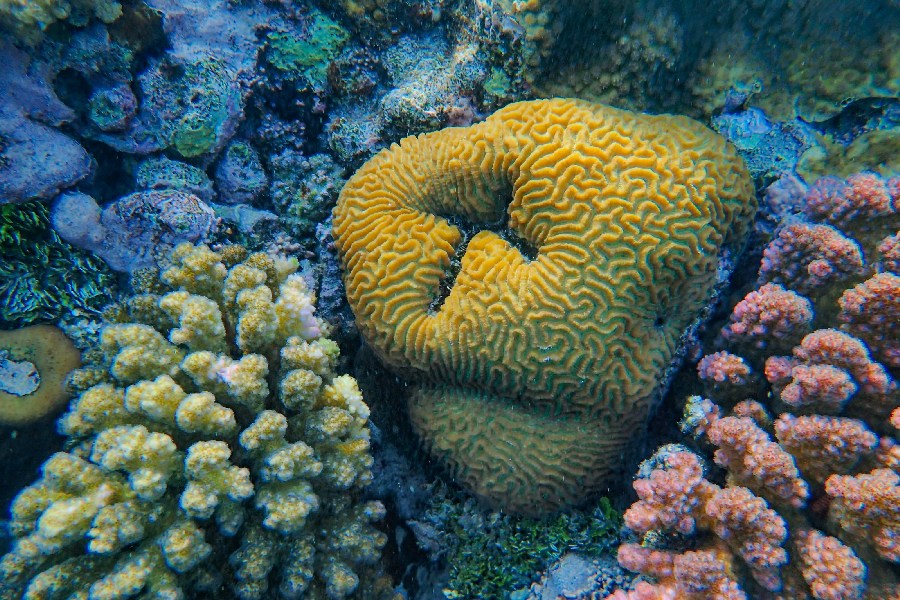
Australia's underwater world – what can you find underwater?
Australia is renowned for having some of the richest marine ecosystems in the world. Diving in its waters will reveal an incredible diversity of life that will captivate even the most experienced divers. It's a country where the underwater world combines the beauty of tropical reefs, fascinating shipwrecks, and unique animal species found only in this region.
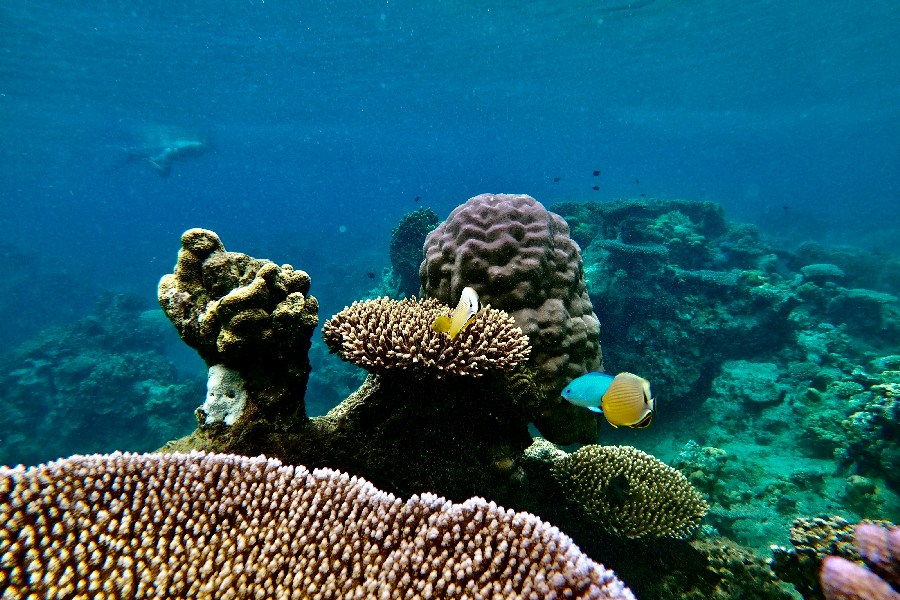
The biggest attraction, drawing travelers from all over the globe, is, of course, the Great Barrier Reef. Thousands of species of fish await underwater – from the tiny clownfish you might remember from animated films to the majestic barracudas patrolling the reef. The colorful corals create veritable underwater gardens, home to crabs, starfish, and octopuses. You'll also encounter green turtles and loggerheads, which majestically swim alongside divers, completely unafraid.
While exploring the reef, it's impossible to miss the blacktip and whitetip reef sharks, which, despite their menacing appearance, pose no threat to humans. For many, the mere opportunity to observe these predators in their natural habitat becomes a dream come true. Even more spectacular are encounters with manta rays. These enormous rays, with wingspans of up to several meters, glide through the water with a grace unmatched by any other animal.

Australia and New Caledonia – a journey to the Antipodes
Australia, New Caledonia | Sydney, Poe, Kone, Hiengene, Poindimie, Farino, Ile Des Pins, Noumea
If you head to Australia's west coast, you'll experience an unforgettable encounter with whale sharks at Ningaloo Reef. These are the largest fish in the world, reaching lengths of up to 12 meters, yet they're completely docile. In these same waters, you can also spot humpback whales migrating between oceans—their acrobatic leaps above the sea surface are truly impressive, even from a boat, let alone underwater.
Australia's south coast, on the other hand, offers other attractions. Around Melbourne and Adelaide, you'll encounter leafy seahorses (Australian seahorses)—extremely delicate and unique creatures whose bodies resemble twigs of seaweed. They're one of the symbols of the local marine fauna. These areas are also home to colonies of sea lions, which eagerly approach divers and play with them in the water.
Australia is also a paradise for wreck diving enthusiasts. One of the most famous sites is the SS Yongala, a ship that sank near Townsville in the early 20th century. Today, the wreck teems with life: you'll see huge schools of fish, turtles, and even bull sharks. It's not just the ship's history that's impressive, but also the rich fauna that made its home there.
Australia's underwater world also boasts tiny yet extraordinary species. Reef crevices harbor cleaner shrimps, eager to remove parasites from fish, and miniature nudibranchs, captivated by their stunning colors, are a true treat for underwater photographers.
Whether you choose coral reefs, wrecks, whale sharks, or seahorses, Australia will reveal something new every time. Each dive is a chance to see a different side of the ocean—from monumental animals to the tiniest organisms that make up this extraordinary ecosystem.
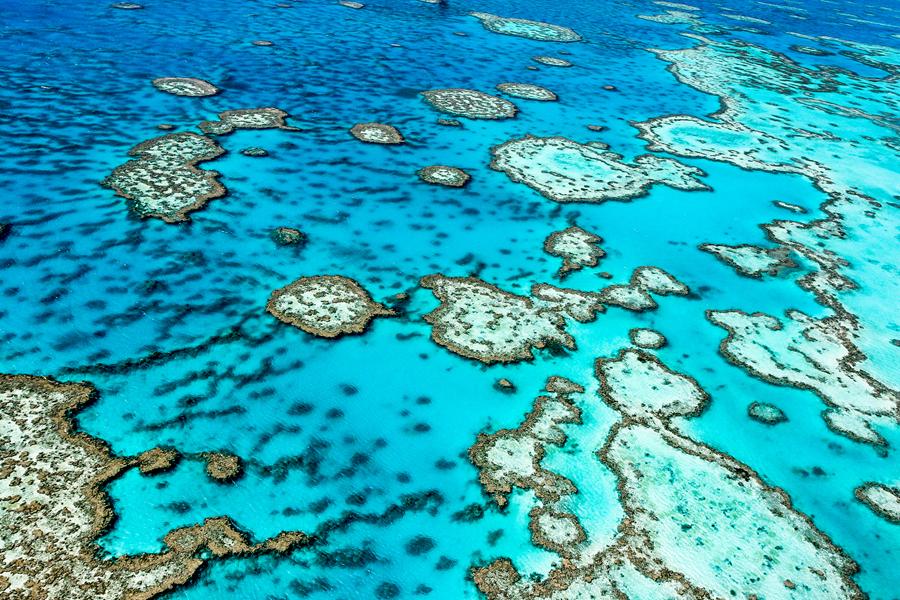
Best diving spots in Australia
Great Barrier Reef
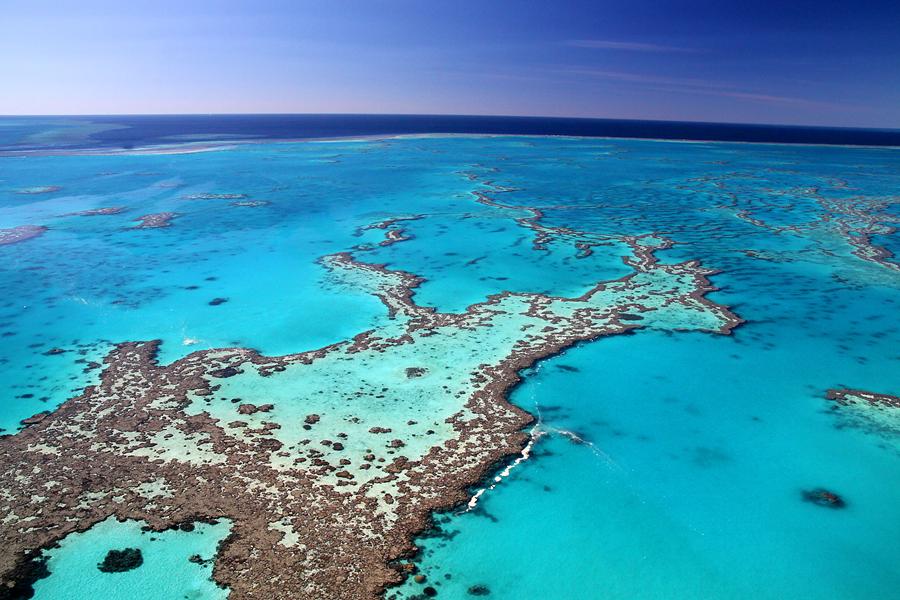
The Great Barrier Reef is one of the most beautiful and diverse diving destinations in the world. Venture underwater into this region and you'll discover a vast ecosystem spanning over two thousand kilometers, which can be explored on both day trips and multi-day liveaboard cruises. The reef is millions of years old and encompasses over three thousand individual coral systems and hundreds of islands. Here, you'll discover underwater landscapes unlike any other.
The state of the reef has been a hot topic of discussion in recent years. On the one hand, it is under pressure from global warming and the coral bleaching phenomenon that occurs during exceptionally warm summers. On the other hand, you can still discover places brimming with life and color, especially in areas far from the main tourist centers. Local dive centers strive to operate sustainably, and scientists and volunteers work to protect this extraordinary ecosystem.
The most interesting dive sites await you in both popular areas and more remote sections of the reef. From Cairns and Port Douglas, you can quickly reach sites like Agincourt Reef, Flynn Reef, and Norman Reef – ideal for day trips, where you'll encounter sea turtles, reef sharks, and huge schools of fish. A multi-day liveaboard cruise will take you to more unspoiled spots like Ribbon Reefs and Cod Hole, where you'll spot majestic jackfish and giant Napoleon wrasse. To the south, Lady Elliot Island awaits, famous for frequent encounters with manta rays. Each of these locations offers a completely different experience, and the choice depends on your level and expectations.
The Great Barrier Reef has something for everyone. Beginners will find safe and easily accessible locations with shallow waters and calm conditions. More advanced divers can explore remote areas and wrecks, where larger marine life and more challenging dives are a draw. Underwater photographers will be captivated by the colorful corals, unusual fish patterns, and the abundance of microscopic creatures hiding in crevices.
There's no shortage of interesting facts – the Great Barrier Reef is so vast it's even visible from space, with an area larger than Great Britain, Switzerland, and the Netherlands combined. It's also the only place in the world where you can simultaneously admire sea turtles, reef sharks, dolphins, and whales on a single dive trip. Furthermore, the reef is home to over 1500 species of fish and around 400 species of coral, as well as rare animals such as dugongs – marine mammals related to manatees. During the right season, you can even see humpback whales migrating along the coast. One of the most remarkable phenomena is the annual coral spawning, when, after the spring full moon, entire swaths of the reef release millions of eggs and sperm simultaneously, creating a spectacular "snow" in the water.
Wreck of the SS Yongala
One of Australia's most fascinating dive sites is the wreck of the SS Yongala, located near Townsville and Magnetic Island in Queensland. This passenger ship sank in a cyclone in 1911, taking over 120 lives. The site of the tragedy remained undiscovered for many years until the wreck was discovered in the XNUMXs. Today, Yongala is considered one of the best wreck sites in the world and is a must-see for any diver visiting the Great Barrier Reef.
You'll dive to depths of approximately 14–28 meters here, so this location requires at least an Advanced Open Water Diver certification. Due to currents and variable weather, diving can be demanding, so experience and good water fitness are essential. This isn't a place for beginners—intermediate and advanced divers who can handle open water are more likely to benefit.
What makes the SS Yongala unique is the incredible amount of marine life that has taken up residence around the wreck. Here, you'll see gigantic schools of fish circling the metal structure, enormous sea turtles resting on the hull, and majestic manta rays. The wreck also attracts sharks—both reef sharks and bull sharks—which further enhance the diving experience. Besides the large animals, the details are also noteworthy: colorful corals, soft sponges, and numerous invertebrates that have made the wreck their home.
The SS Yongala lies entirely on its side, and although its interior cannot be accessed for safety reasons, the external structures are so vibrant that they still provide an unforgettable experience. This protected site allows the underwater ecosystem to thrive naturally, and divers can observe an authentic, almost untouched world. Each dive offers a different experience – sometimes you'll see eagle rays diving, other times giant stingrays or schools of barracuda obscuring the view.
The wreck of the SS Yongala is also a place steeped in history and mystery. The bodies of the passengers have yet to be found, and the sinking itself remains a dramatic mystery. Diving here will not only allow you to admire the extraordinary natural beauty but also experience the atmosphere of a place where the past meets the present.
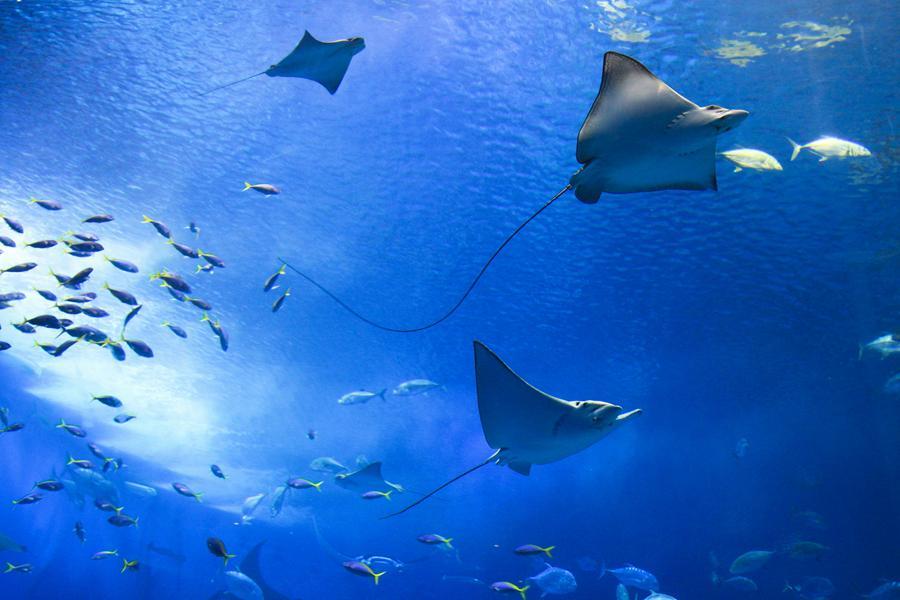
Ningaloo Reef
Ningaloo Reef in Western Australia is a magnificent dive site, yet much less crowded than the famous Great Barrier Reef. Here, you have the opportunity to discover a pristine ecosystem, a UNESCO World Heritage Site, stretching over 260 kilometers along the coast. The reef is in very good condition – thanks to reduced tourist pressure and effective conservation efforts, the underwater world remains virtually untouched. The corals are healthy and colorful, and the water clarity allows for excellent visibility while diving.
Ningaloo's biggest attraction is the whale sharks, which appear in the region from March to June. These are the largest fish on Earth, reaching lengths of several meters, yet are completely docile. During this time, you can also spot manta rays and watch migrating humpback whales as they pass along the coast on their way to warmer waters.
A huge variety of species awaits you underwater. You'll see colorful schools of reef fish, green and loggerhead turtles, and even dolphins, which often accompany boats out to the reef. At spots like Muiron Islands and Lighthouse Bay, you can discover both vibrantly colored coral gardens and underwater caves harboring sharks and rays. Macrophotography enthusiasts will be captivated by the extraordinary nudibranchs and cleaner shrimp, which create fascinating microscopic worlds.
Ningaloo Reef is suitable for both beginners and advanced divers. Those just starting their adventure can participate in introductory dive programs and, under the guidance of an instructor, attempt their first dives in safe conditions. Certified divers will find hundreds of sites to explore, including more challenging locations with stronger currents and greater depths. Experienced divers are recommended for multi-day packages, which allow them to visit different parts of the reef and see as much as possible.
Ningaloo is one of the few reefs in the world where you can enter the water directly from Australian beach and instantly find yourself among the coral. Just a few steps from the shore, you'll be surrounded by colorful fish and vibrant coral formations. This makes the region particularly suitable for those who want to combine diving with snorkeling and don't always opt for longer boat trips.
During your stay in Ningaloo, you'll also discover less obvious attractions. In addition to whale sharks and manta rays, these waters are home to the rare dugong, which resembles a sea cow. Encountering them is a real treat for divers and snorkelers.
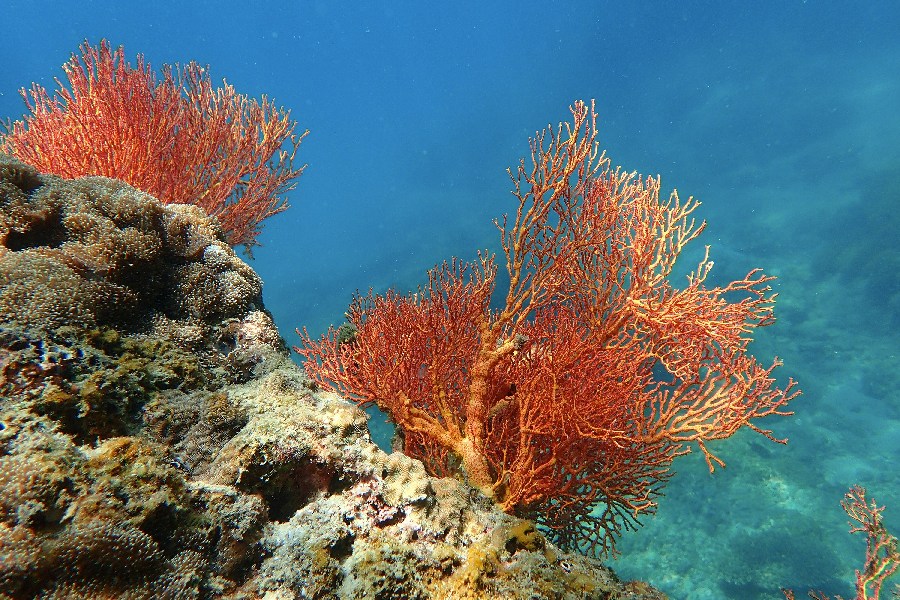
South Australia
South Australia is a region that might surprise you if you've previously associated diving in this country solely with the tropical reefs of the north. Here, a completely different world awaits underwater – colder, harsher, yet teeming with extraordinary species. The reefs in this part of the continent differ from those you're familiar with in Queensland or Ningaloo. Instead of the typical, colorful corals, you'll encounter mainly cold-water algae, sponges, and soft corals, creating colorful, yet somewhat more subdued underwater landscapes. These ecosystems remain in good condition, and thanks to fewer tourists, they have retained their natural and authentic character.
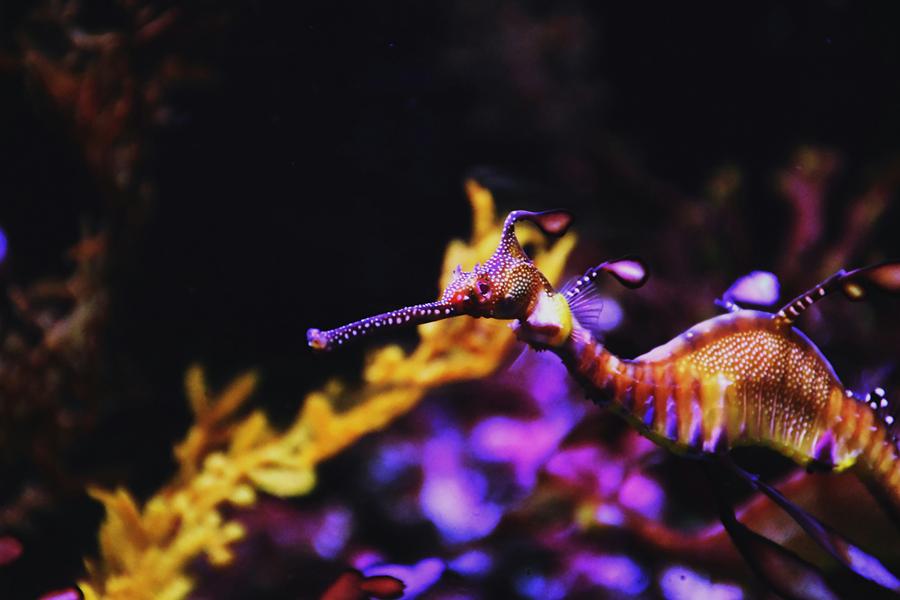
The biggest attraction of South Australia There are creatures you won't find anywhere else. In the waters off Adelaide and the Fleurieu Peninsula, you'll spot leafy seahorses—unusual animals with bodies resembling twigs of seaweed. They're a symbol of the region and a dream for many underwater photographers. Besides them, you'll also find seals and sea lions, which are known for eagerly approaching divers and playing with them in the water.
One of the most famous spots is Eyre Peninsula. From here, you can embark on the famous cage diving experience with great white sharks. This experience is only for the brave, but it will give you the opportunity to observe some of the ocean's largest predators in their natural habitat. If you're not looking for such extreme thrills, you can choose locations closer to shore, such as Rapid Bay Jetty or Edithburgh Jetty. These are easily accessible spots, perfect for leisurely dives with a rich macro world, including the aforementioned seahorses, shrimp, and colorful nudibranchs.
South Australia is suitable for a wide range of divers. Beginners will enjoy the bays and jetties, where conditions are safe and depths are moderate. More experienced divers can try diving with stronger currents or wreck expeditions – the region is home to many sunken ships that have become home to fish and coral. However, the biggest draw for advanced divers remains shark cage diving – an experience that requires courage but not necessarily extensive diving skills, as it often takes place near the surface.
Interestingly, the waters of South Australia are one of the few places in the world where you can regularly see giant cuttlefish during their breeding season. Every year, thousands of them gather in Spencer Gulf, creating a spectacular spectacle. It offers divers a unique opportunity to witness the extraordinary behavior of these intelligent animals up close.
A practical base for diving in this region is primarily Adelaide, from where you have access to both local spots and the possibility of organizing further trips. On the Eyre Peninsula, the diving bases are the towns of Port Lincoln and Whyalla, from where trips to see great white sharks and sea lions are organized. The best diving season runs from November to April, when the water is warmest and the weather is stable, although many attractions, such as the aforementioned cuttlefish mating, take place in the colder months, attracting divers even outside the summer season. Therefore, it's worth timing your trip according to the species you want to see.
South West Rocks
South West Rocks in New South Wales is one of those places that has become a permanent fixture in divers' minds. This small, tranquil oceanside town houses one of Australia's greatest underwater attractions – the cave system known as Fish Rock Cave. It's here that you can experience diving that combines the beauty of the underwater landscape with an exceptional diversity of marine life.
The reefs in this part of Australia are in excellent condition, although you won't find the tropical coral gardens of Queensland. Instead, cold-water sponges, soft corals, and algae await below, creating a colorful, yet more subdued landscape. This is an excellent habitat for numerous fish species, as well as for grey reef sharks, the main attraction at South West Rocks. Hundreds of these majestic animals gather here during the summer, giving you a unique opportunity to see them up close in a completely natural setting.
The most famous spot is the aforementioned Fish Rock Cave – one of the longest underwater caves in Australia, measuring approximately 125 meters. Diving here, you'll swim through passages leading to vast chambers filled with fish and shimmering light filtering through openings in the rock. The cave is home to a myriad of life – from schools of fish to turtles and rays. Besides Fish Rock Cave, you can also visit sites like Green Island and Black Rock, where you'll encounter colorful sponges, barracuda, and stingrays.
South West Rocks is a location primarily suited to intermediate and advanced divers. While the cave itself isn't extremely technically challenging, it requires confidence in the water and experience in confined spaces. Stronger currents and depths of 18-30 meters make this a challenging dive for beginners. For those divers, the quieter areas around the islands offer a better opportunity to acclimate themselves to the underwater world.
Fish Rock Cave has been recognized by many experts as one of the ten best diving caves in the world. It's also one of the few places where gray sharks gather in such large numbers, yet is so easily accessible. Add to this the opportunity to observe whales migrating along the coast during the winter season, and you have a complete picture of a place that can surprise you at every turn.
Byron Bay
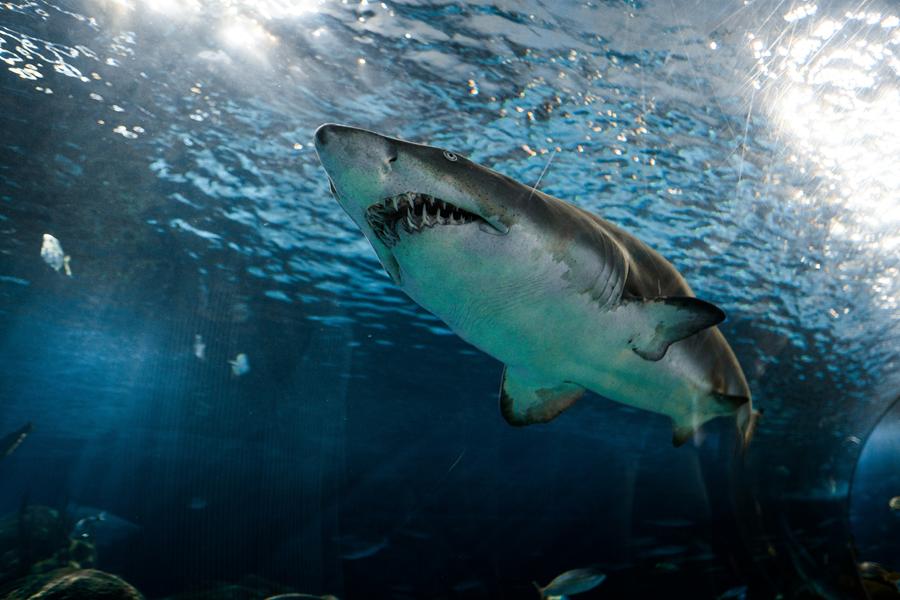
Byron Bay is one of the most famous diving spots on Australia's east coast. While it's primarily known for its surfing and artistic atmosphere, the main attraction for underwater adventure lovers is Julian Rocks, a marine reserve located just a few kilometers offshore. Here, you'll find one of the most diverse and vibrant dive sites in all of New South Wales.
The reef and the entire ecosystem at Julian Rocks Reserve are in excellent condition. Thanks to strict protection and limited access for boats and tourists, the underwater world thrives at a natural pace. Soft corals, sponges, and algae grow on the rock formations, and among them lies a wealth of fauna, combining tropical and cool-water species. This is a result of Byron Bay's unique location—where north and south ocean currents meet, creating ideal conditions for marine life.
Underwater, you can spot green turtles, loggerheads, and manta rays, which float majestically through the water. In the summer, leopard sharks appear here – gentle giants reaching several meters in length, which, despite their menacing appearance, are completely harmless to humans. Encountering them is one of the greatest experiences that await divers in Byron Bay. You'll also encounter colorful schools of reef fish, eels, moray eels, and numerous species of small creatures perfect for macro photography.
Julian Rocks offers a variety of dive sites. The Nursery is ideal for beginners – a shallow, sheltered cove full of peaceful fish and turtles. The Needles and Hugo's Trench, on the other hand, offer deeper and more challenging locations, where you can admire larger animals and immerse yourself in stronger currents. This diversity makes Byron Bay suitable for both beginners and experienced thrill-seekers.
Byron Bay is located on the easternmost point of Australia, making it a great place to dive at sunrise before everyone else gets their day started. Julian Rocks Reserve has been recognized as one of the best dive sites in the country precisely because of its unique combination of tropical and temperate species – nowhere else in Australia will you find such a rich variety in one place. During the winter season, humpback whales migrate along the coast, an additional attraction.
Tasmania
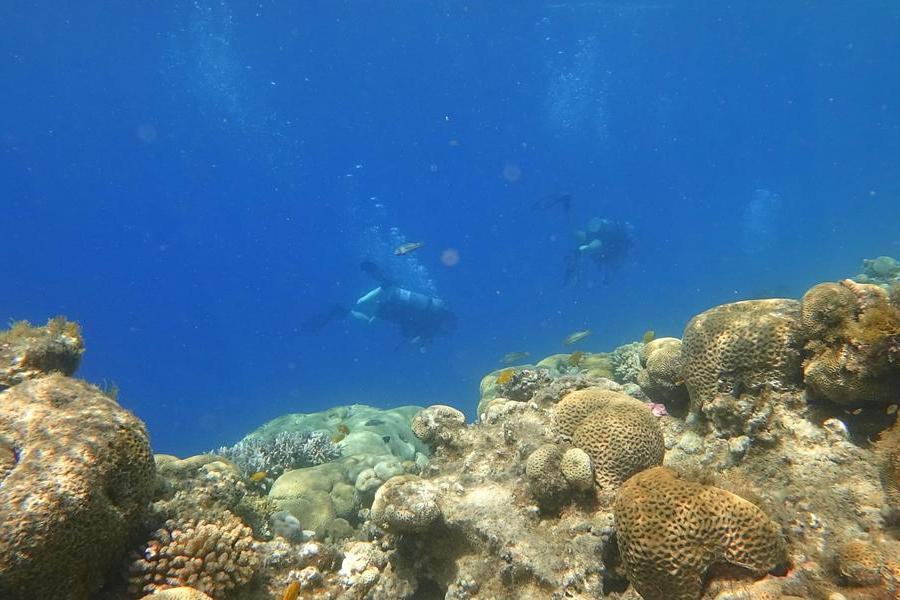
Tasmania is a destination that might surprise you if you're looking for a diving experience beyond the tropical reefs of Queensland or Western Australia. The waters here are cooler and more rugged, yet harbor a wealth of species and unusual formations. Diving around the island, you'll encounter marine reserves teeming with sponges, soft corals, colorful nudibranchs, and rare fish not found in warmer waters.
Just a few decades ago, Tasmania's greatest treasure was its underwater forests of giant kelp. These impressive seaweeds formed dense, majestic structures resembling undersea cathedrals. Sadly, today, most of them have died. Due to climate change, increasingly warm ocean currents, and the expansion of sea urchins, Tasmania has lost approximately 95% of these unique ecosystems. This is a huge loss, as the kelp provided a haven for numerous species of fish and invertebrates, and was also a symbol of local diving. The good news is that intensive efforts are underway to restore the kelp forests. Scientists are cultivating more resistant varieties of seaweed and attempting to plant them in suitable locations, and sea urchin control programs are also underway. Therefore, you can count on this unique feature of the underwater landscape returning in the future.
Despite the decline of kelp, Tasmania remains an exceptionally interesting diving destination. On the east coast, it's worth visiting the Maria Island reserve, where you'll encounter large schools of fish, rays, and turtles. Schouten Island, on the other hand, boasts underwater tunnels and rock labyrinths overgrown with sponges, which will delight you with their diverse colors. In the north, near Flinders Island, you'll find vertical walls, deep crevices, and a wealth of soft coral. A real treat for experienced divers is Eaglehawk Neck, where the wreck of the SS Nord rests at a depth of approximately 42 meters.
Tasmania is a destination for people of all skill levels, although the chilly waters require more preparation and appropriate equipment – typically thick wetsuits or drysuits. Beginners will find many sheltered bays and shallow spots that allow for safe viewing of marine life. Advanced divers can explore wrecks, caves, and deeper walls, as well as observe larger animals such as dolphins and migrating humpback whales, which can often be heard underwater during the winter season.
Tasmania's unique species are a delight – diving offers the chance to spot rare leafy seahorses, vibrantly colored nudibranchs, and mysterious octopuses. In Spencer Gulf, you can also witness the spectacular mating of giant cuttlefish, which gather in their thousands, creating a spectacle unlike any other.
Types of diving in Australia
Diving with whale sharks
Whale sharks can be spotted in Australia primarily at Ningaloo Reef in Western Australia. The season runs from March to June, when plankton is abundant in the waters. Trips depart from Exmouth and Coral Bay. On board, you'll receive a briefing, equipment, and an instructor. If you're certified, you can dive, and if not, snorkeling is also included, making this activity accessible to practically everyone. Whale sharks are large, reaching 10-12 meters in length, but they're completely docile, so you can get within a few meters and observe them up close. Organizers ensure you don't get too close or touch the animals – a minimum distance of around 3 meters is required. In addition to whale sharks, manta rays, turtles, and dolphins are common sights, and from July to November, migrating whales are an added attraction. A one-day trip costs around AUD 350-400 per person. This dive is good for both beginners and experienced divers – what matters most is the contact with the animal itself, not the level of difficulty of going underwater.
Cage diving with great white sharks
Great white shark cage diving is offered in Port Lincoln, South Australia, on the Eyre Peninsula. It's the only place in the country where you can experience this kind of experience. Trips take place by boat in the open ocean, where steel cages are lowered into the water. Sharks are attracted using natural bait, but are not fed. The cage is submerged just below the surface, so you don't need a diving certificate – just a mask and snorkel, and equipment is provided on-site. However, if you are certified, you can take advantage of more advanced cages that go deeper, up to 10 meters. Great white sharks reach 4-6 meters, and seeing them in their natural habitat is a unique experience. Trips are completely safe, yet incredibly exciting. In addition to sharks, you can also see tuna and sea lions. The price for a one-day trip is AUD 500-600. This is an ideal activity for those seeking an adrenaline rush, yet accessible even to those without diving experience.
Wreck diving
Australia's waters are home to numerous wrecks, the most famous of which is the SS Yongala near Townsville, Queensland. The ship sank in 1911 and lies at depths of 14-28 meters. Around the wreck, you'll encounter turtles, bull sharks, barracuda, and manta rays. This dive is recommended for those with Advanced Open Water Diver certification, as it requires skill in managing currents and depth. Another popular wreck is the HMAS Adelaide in New South Wales, deliberately sunk in 2011 as an artificial reef. It lies at 32 meters and is ideal for experienced technical divers. In Victoria, you can find wrecks of merchant and military ships from the XNUMXth and XNUMXth centuries, often accessible from shore. Wreck diving in Australia combines historical exploration with a wealth of marine life, as the steel and wooden structures quickly become habitats for coral and fish. This is for intermediate and advanced divers who want something more than a standard reef.
Cave diving with sharks
The most famous cave site in Australia is Fish Rock Cave in South West Rocks, New South Wales. The cave is 125 meters long and leads from a depth of approximately 24 meters to an exit at 12 meters. Grey sharks congregate in and around it, and you can observe them up close. Encounters are peaceful – the animals are curious but harmless. In addition to sharks, you'll also see turtles, moray eels, barracuda, and large schools of fish. The cave itself is spacious, but requires confidence underwater and the ability to navigate confined spaces, so it's recommended for intermediate and advanced divers. Fish Rock Cave is considered one of the ten best cave diving sites in the world. Diving here combines caving adventure with the observation of large animals, making this a unique experience.
Encounters with leafy sea dragons
Leafy sea dragons (Australian sea dragons) are among Australia's most unusual creatures, relatives of seahorses. Their bodies are covered in leaf-like appendages, allowing them to camouflage perfectly among the seaweed. They can be found in southern Australia, particularly around Adelaide, Edithburgh Jetty, and Rapid Bay Jetty. These are quiet spots, often accessible from shore, with shallow depths of up to 10 meters. This makes diving with leaf dragons accessible even for beginners. Encounters with these animals require patience and observation – the dragons are masters of camouflage. Macro photography is best here, as it allows you to capture the details of their extraordinary bodies. In addition to the dragons, you'll also encounter seahorses, nudibranchs, and numerous reef fish. The best visibility season is from November to April. This type of diving offers more satisfaction from observing unique species than from extreme experiences.

The most beautiful corners of Australia
Australia | Melbourne, Grampians National Park, Apollo Bay, Byron Bay, Sydney
Australia's underwater world is a mosaic of experiences that never lets you get bored. You can dive the famous Great Barrier Reef, explore shipwrecks, encounter gigantic whale sharks, or search for tiny sea dragons hidden among the kelp. There's something for everyone, regardless of skill level, budget, or preference. Now all you have to do is choose a location, choose your dates, and decide which type of diving appeals most. One thing's for sure: once you dive into Australian waters, you'll want to return for more encounters and discoveries.
Traveling to the other side of the world is a unique experience, so when planning your trip, it's worth checking a few key things in advance. safety in Australia, this country is considered peaceful and tourist-friendly, but you should be aware of natural hazards such as strong sun and wildlife. Important information is also flight time to Australia, which, depending on the selected connections and transfers, usually ranges from a dozen to even over twenty hours. Before departure, it is also a good idea to check what vaccinations for Australia are recommended – although most travelers do not need special mandatory vaccinations, doctors often recommend basic protective vaccinations to ensure that the trip goes without unnecessary complications.


Japan Visa – Everything You Need to Know Before You Leave Planet Escape
Older post
Vietnam Visa – Everything You Need to Know Before Traveling with Planet Escape
Newer post
November 10, 2026
November 9, 2026
November 6, 2026

November 5, 2026

November 4, 2026
October 29, 2026
recent posts
 International driving license – when is it needed? November 12, 2026
- The most beautiful lakes in Asia – where is it worth going? November 10, 2026
- Honeymoon trip to Canada November 9, 2026