Get inspired and read about your dream trip on the blog
Diving in the Philippines - What You Need to Know? Places You Must See!
February 3, 2025
The Philippines is a true paradise for diving enthusiasts, offering some of the most spectacular and diverse underwater landscapes in the world. Located in the heart of the Coral Triangle, the waters of this archipelago are home to thousands of species of fish, fabulously colorful coral reefs, shipwrecks, and impressive creatures such as whale sharks, manta rays, and barracudas. There is something for every diver, from those looking for relaxing reef dives to those who enjoy extreme dives in places with strong currents. Diving in the Philippines is also an opportunity to explore extraordinary marine ecosystems and immerse yourself in a world that has remained unchanged for thousands of years. This is the perfect place for those who want to discover the secrets of the ocean and admire the beauty of one of the richest marine zones in the world.

Diving in the Philippines - practical information
Holidays in the Philippines is a true paradise for lovers of underwater adventures! If you dream of exploring colorful coral reefs, meeting manta rays, sea turtles or even whale sharks, this is where you will find everything you need to make these dreams come true. Prepare yourself for an unforgettable experience, because diving in the Philippines is more than just a sport - it is a journey to another world. With over 7 islands, the Philippines offers countless diving sites that will delight both beginners and experienced divers.
When choosing diving spots, it is worth paying attention to several iconic locations. Tubbataha Reef, listed on the UNESCO list, is a real pearl for experienced divers. A paradise for beginners is the island of Malapascua, famous for regular encounters with whale sharks. If you dream of diving among wrecks, you must visit Coron, where a dozen or so Japanese ships from World War II rest on the bottom. For lovers of macro photography, Anilao is the ideal place, known for its wealth of small, colorful creatures.
Before you go, make sure you have the right diving certifications. Most dive centers in the Philippines require at least a PADI Open Water Diver certification. If you don’t have one yet, don’t worry – many centers offer courses on site. You don’t need to bring your gear, as you can easily rent it on site.
Underwater, you will find captivating sights: schools of colorful fish, sea turtles, manta rays, and even whale sharks. Philippine waters are home to one of the richest marine biospheres in the world, so every dive is a new adventure. If you love diving, the Philippines is a place you must visit. Whether you are looking for excitement, natural beauty, or underwater history, you will find it all here.

Beach in the Philippines - Boracay, Palawan and Bohol with Panglao
Philippines | Manila, Boracay, El Nido, Panglao, Bohol
When is the best time to dive in the Philippines?
If you are looking for unforgettable underwater adventures, the Philippines is the perfect place for your next diving trip. To fully enjoy this heavenly experience, it is worth choosing the right time to travel. The best season for diving in the Philippines is from November to May – during this period weather in the philippines is stable, the sea is calm, and the underwater visibility reaches up to 30 meters - ideal conditions for exploring the underwater world! In November and December, the water temperature is around 26-28°C, which makes diving comfortable even in a light wetsuit. This is also the time when you can meet manta rays and thresher sharks around Malapascua Island. January and February are the perfect time to visit Apo Reef, one of the most beautiful dive sites in the world, where visibility reaches up to 40 meters. In March and April, the weather is almost perfect - sunny, warm and without rainfall, which encourages long days spent underwater. If you prefer to avoid crowds, it is worth considering traveling in November or May, when the season is just starting or slowly ending. In these months, you have a better chance for peaceful, intimate dives among colorful coral reefs and exotic sea creatures. Remember, however, that the Philippines is a country with a tropical climate, so even in the season there may be short rainfalls. Don't be discouraged by this - after a while the sun will come out from behind the clouds again and the sea will be waiting for you with new adventures!
How much does diving cost in the Philippines?
If you dream of underwater adventures in the Philippines, you are probably wondering how much it will cost you. Don't worry - this paradise archipelago offers spectacular experiences at affordable prices, and every penny you spend is an investment in unforgettable memories. The cost of diving in the Philippines depends on several factors, such as location, level of difficulty of the dives and whether you use your own equipment or rent it on site. On average, for one dive with a guide you will pay from USD 30 to USD 50, and if you plan a package of several dives, the prices may be slightly lower - many diving centers offer discounts when you buy, for example, 5 or 10 dives. It is also worth considering buying a so-called fun dive package, which often includes boat transport, a guide and air tanks.
If you are new to diving, you will need to take a certification course, such as the PADI Open Water Diver. The cost of such a course ranges from $400 to $600 and includes both theory and practical training in a pool and in open water. It is an investment that will open the doors to the underwater world for life! Additional costs may include equipment rental. A full set (wetsuit, tank, regulator, vest, fins) will cost around $15-25 per day. However, if you have your own equipment, you can save this amount. Also, remember that some marine parks have entry fees, which are usually $5-10 per day.
Transport between islands is another part of your budget. Local ferries and boats are relatively cheap, but if you’re going to a remote area like Tubbataha Reef, you should expect to pay more – up to $1000-$1500 for a week-long dive trip. However, this is a unique experience that you should try at least once in your life.

Best places to dive
Busuanga and Coron
Diving on Busuangze and Coron is one of the most exciting experiences you can have in the Philippines. These extraordinary places are famous for their sunken wrecks, crystal clear waters and breathtaking coral reefs. If you dream of an underwater adventure full of history and amazing landscapes, be sure to put them on your list of diving destinations. The biggest diving attraction in Coron are the wrecks of Japanese ships from World War II. In 1944, American troops sank the imperial fleet, leaving behind a real underwater museum. One of the most famous wrecks is the Okikawa Maru, a huge tanker covered in a beautiful layer of coral and inhabited by numerous species of fish. Another fascinating place is the Akitsushima wreck, where you can still see parts of its armament. If you want to experience diving in the tunnels and corridors of ships, the Irako wreck is an excellent choice - it is one of the best preserved places in the entire region.
Coron is not only about wrecks, but also fascinating natural sites. Barracuda Lake is one of the most unique dive sites in the world, where you can feel the temperature difference in the layers of water and immerse yourself in a lunar-like landscape. Twin Lagoon is another extraordinary spot, where fresh and salt water mix, creating a spectacular visual effect and a unique diving experience. If you prefer to explore coral reefs, Siete Pecados Marine Park is a place you must visit. It is a vibrant underwater ecosystem full of colorful corals, schools of fish and sea turtles. Whether you are a lover of underwater history or fascinated by the wonders of nature, Busuanga and Coron offer something for everyone. The clear water, stable weather and ideal temperature make every dive a pleasure!

Palawan
This Philippine island delights not only with its pristine beaches and turquoise waters, but also with an incredible wealth of underwater life. Prepare yourself for an unforgettable experience, because diving in Palawan is a true journey to an underwater paradise.
One of the most beautiful and unspoiled places is Tubbataha Reef, located about 150 km southeast of Puerto Princesa, the capital of Palawan. The only way to get there is by diving trip, which usually lasts 10-12 hours. Most trips last from 5 to 7 days and include a dozen dives. Listed as a UNESCO World Heritage Site, Tubbataha is not only a place of great ecological importance, but also one of the richest marine life places on the planet. It consists of two main atolls – North Atoll and South Atoll – and a smaller reef called Jessie Beazley Reef. The entire area is protected as Tubbataha Reefs Natural Park, and access is only possible from mid-March to mid-June, when the sea is calm and diving conditions are ideal. This is a real kingdom of marine life. The coral reefs here are exceptionally healthy and vibrant, and underwater walls, dropping to a depth of hundreds of meters, create spectacular views. During your dive, you can spot hundreds of species of fish, including barracudas, tunas, napoleons, as well as reef sharks, sea turtles and dolphins. Between March and May, you can also spot whale sharks, which visit these waters in search of food. Diving in Tubbataha is an experience for advanced divers, although some sites are also suitable for intermediate divers. The waters are deep here and the currents can be strong, which requires good fitness and skill. However, the effort is worth every moment - after just a few minutes underwater, you will understand why Tubbataha is considered one of the best dive sites in the world. One of the most famous dive sites is Amos Rock, where you can admire steep walls covered in coral and meet large pelagic fish. Shark Airport is a place where you can often see reef sharks and sea turtles. For lovers of macro photography, the ideal place is Black Rock, where many small, colorful creatures live, such as nudibranchs and shrimp.
Another must-see on the diving map Palawan is El Nido. This picturesque town is famous not only for its limestone cliffs and hidden lagoons, but also for its excellent diving conditions. In the surrounding waters you will find both shallow reefs ideal for beginners, as well as deeper places for more advanced divers. One of the most popular places is South Miniloc, where you can meet sea turtles, barracudas and numerous species of coral. El Nido is also a great place for night dives, during which you can observe completely different, fascinating species of sea creatures.
If you prefer a quieter, less crowded place, Port Barton is the place to go. This charming village offers diving among pristine reefs, where you can see turtles, rays and many species of reef fish. The waters here are calm and warm, making it an ideal place for beginners. Port Barton is also a great base for exploring smaller, lesser-known islands that hold real treasures of the underwater world.
Last but not least is Puerto Princesa, the capital of Palawan. There are several interesting dive sites in and around the city, such as Honda Bay, where you can see colorful fish, soft corals, and gorgonians. It is a great place for relaxing dives in warm, clear waters. Also worth a visit is Pandan Island, a small island that offers excellent conditions for snorkeling and shallow diving. It is a perfect place for family trips or for your first steps under the water.
Bohol
Bohol is famous not only for its picturesque landscapes, but also for the underwater wonders that attract divers. If you decide to dive in Bohol, you can count on diverse and spectacular places that will provide an unforgettable experience. One of the most popular diving spots in Bohol is Panglao Island, connected by a bridge to the main island, known for its numerous coral reefs, clear waters and rich marine life. There are many renowned diving centers on this island that offer a variety of diving options - from shallow reefs to deeper, more demanding dives. Alona Beach is one of the most popular places on Panglao, where the water is exceptionally clear and the coral reefs are teeming with life. Here you can meet not only colorful tropical fish, but also smaller sharks, sea turtles and many other fascinating creatures. Right next to Alona Beach is one of the most famous diving spots in the region - Balicasag Island. This small island, located south of Panglao, is one of the best diving spots in the Philippines. Balicasag offers a variety of diving conditions, including magnificent coral reefs, steep cliffs and numerous types of fish. One of the most visited spots on Balicasag is Balicasag Wall, characterized by beautiful, colorful reefs and an abundance of fish. Here you can also see larger marine life such as reef sharks and manta rays, which add to the excitement of diving. Also located near Balicasag is Virgin Island, a small island with pristine white sand, surrounded by shallow waters. Although it is less well-known than Balicasag, it offers great diving with a rich marine life. Virgin Island is an ideal place for beginners, but also for those looking for peace and quiet. The water is shallow and the coral reefs are diverse, making it very easy and enjoyable to meet tropical fish and other marine life.
Also worth checking out is Dumaluan Beach, in the south of Panglao. This is a less crowded spot, ideal for those looking for a bit of peace and quiet. The reefs in this area are just as beautiful as those in more popular locations, and the clarity of the water and the abundance of marine life make it a great place to dive. Anda, located on the eastern coast of Bohol, is also becoming increasingly popular with divers. The water in this area is just as clear, and the coral reefs are rich in marine life. Anda Reef is one of the most visited places in the region, with impressive reefs, including huge, healthy corals and hundreds of different species of fish. Diving in Anda is a real treat for anyone who wants to explore the diversity of the underwater world.
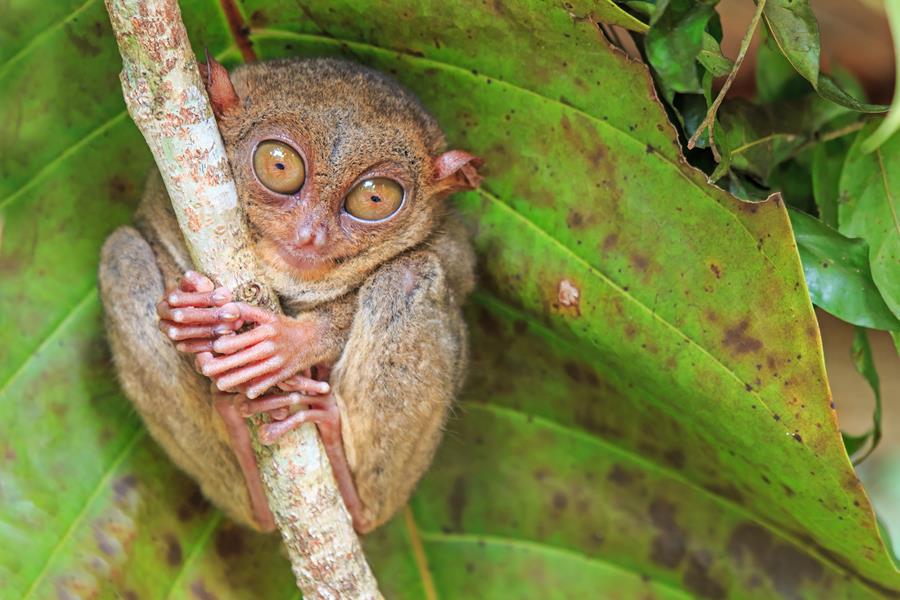
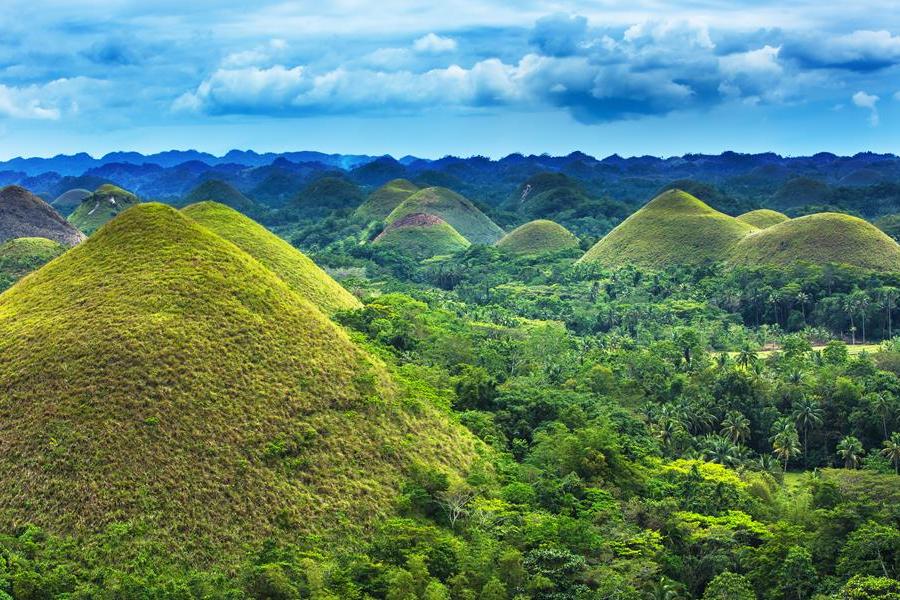
Besides diving, Bohol also offers other attractions, such as the famous Chocolate Hills and the chance to see tarsiers. However, it is the underwater world that makes Bohol one of the most popular diving destinations in the Philippines. The island offers everything from magnificent coral reefs, to diverse marine life, to calm waters perfect for scuba diving of all skill levels.
Malapascua
Malapascua is a small island located off the northeastern coast of Cebu that has gained a reputation as one of the best diving spots in the region. Although relatively small, it offers unique opportunities for underwater adventures, thanks to its abundance of marine life and unique wildlife encounters. If you dream of diving in Malapascua, you will find spots for both beginners and experienced divers, each one of which will take your breath away.
One of the most famous dive sites on Malapascua is Monad Shoal, a legend among divers, an underwater platform just a few kilometers from the island. This place is known primarily for the presence of thresher sharks - one of the most characteristic and fascinating marine predators. Seasonally, schools of these sharks can be seen around Monad Shoal, attracting divers from all over the world. The water in this region is usually clear, and meeting a shark in its natural habitat is undoubtedly one of the most exciting experiences underwater.
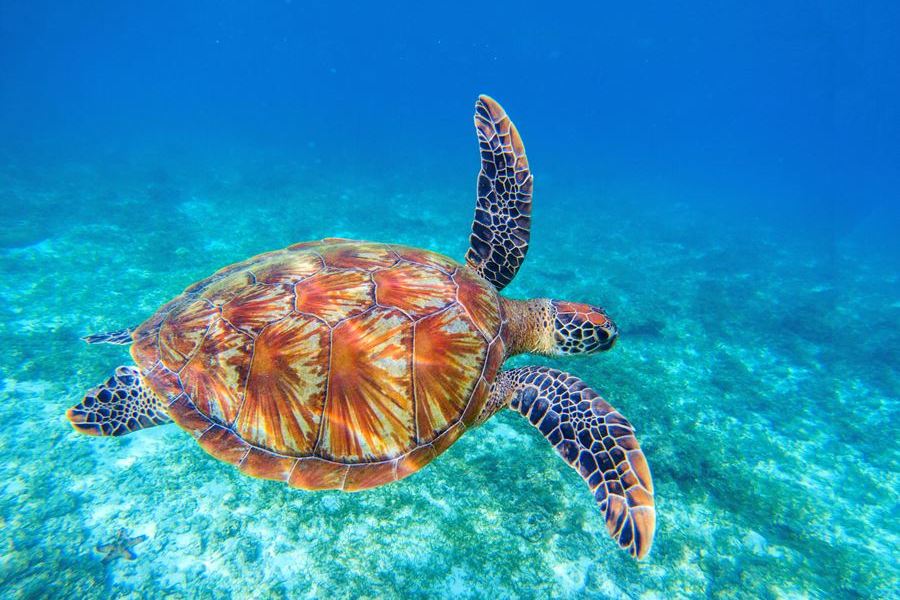
Another place worth visiting while diving in Malapascua is Gato Island, located about 30 minutes by boat from the island, a real underwater oasis full of marine life. This is one of the places where you can meet unique creatures such as brittle stars and sea turtles, as well as various species of tropical fish. An additional advantage of Gato Island is its underwater caves, which are a great place to attractions of the philippines for divers looking for a bit more extreme experiences. Diving in these caves is not only a challenge, but also an opportunity to see unique rock formations and underwater ecosystems.
If you are looking for a more advanced dive, you should consider Deep Rock, a dive around the deep reef zone. This is a place where you will not only encounter impressive coral formations, but also large predators such as reef sharks. Deep diving in this area requires skill and experience, but it is thanks to this that you can see some of the most fascinating sea creatures in their natural habitat.

Mindoro
Mindoro is an island located in the western part of the Philippines, which is becoming increasingly popular among divers. Although the island is not as well-known as Palawan or Cebu, it offers many fascinating diving spots that attract both beginners and experienced divers. Mindoro has rich marine life, diverse coral reefs and warm, clear waters, which create ideal conditions for underwater adventures. One of the most popular diving spots in Mindoro is Puerto Galera in the northwest of the island, known for its rich marine ecosystems and excellent diving conditions all year round. The water in this area is clean and warm, and the coral reefs are rich in a variety of fish species. One of the main places that attracts divers to Puerto Galera is Sabang Beach - a place where there are many dive shops and resorts that offer both diving trips and beginner courses. The waters around Sabang are home to thousands of tropical fish, including parrotfish, moray eels and scorpionfish. Additionally, diving in this area gives you the chance to encounter marine creatures such as sea turtles and manta rays.
Another fascinating place in Puerto Galera is The Canyons, one of the most visited dive sites in the area. The Canyons is a network of underwater gorges that create an extraordinary landscape, with deep chasms and steep cliffs. Diving here is a real challenge, especially for more experienced divers looking for extreme experiences. Here you can meet huge schools of fish, as well as larger predators such as reef sharks. The Canyons is also an ideal place to admire extraordinary coral formations and underwater landscapes.
On the east coast of Mindoro, in the Calapan region, there is a place less crowded but equally fascinating: Verde Island is a small island, one of the best diving spots in the Mindoro area, a great place to dive for those who want to admire not only corals, but also meet rare marine species. The island is also known for its large number of sea eels and reef sharks that live in deeper waters. It is an ideal place for those looking for a more secluded and wild place to dive.
One of the most spectacular dive sites in Mindoro is Apo Reef, on the west side of the island, the second largest coral reef system in the Philippines and one of the best preserved marine ecosystems in the country, and a UNESCO Biosphere Reserve. This area attracts both professional divers and those looking for unique underwater experiences, offering a variety of diving conditions, from shallow waters along the coast to deep cliffs reaching 60 meters. Diving around Apo Reef allows you to admire beautiful, untouched coral reefs, home to hundreds of species of tropical fish, including barracudas, tuna, parrotfish and barracuda. You will also find rare species such as manta rays, reef sharks and sea turtles, which are frequent visitors to these waters. The great thing about this location is that the coral reefs are relatively untouched by human activity, and the abundance of marine life is preserved in its natural form. The Apo Reef Marine Park is also located near the reef, protecting this unique ecosystem, and divers can only dive into these waters under the supervision of licensed operators. The reserve looks after the ecological balance and ensures that diving is done responsibly, minimizing the impact on the environment.
Mindoro is a place where diving becomes a real adventure for everyone. The island offers a wide range of dive sites that can meet the expectations of different levels of experience. Whether you are looking for exciting shark dives at The Canyons, peaceful dives around Verde Island or relaxing adventures at Sabang Beach, Mindoro has something for every diver. The island is the perfect place for an unforgettable underwater adventure, full of unique encounters with marine life and rich ecosystems.
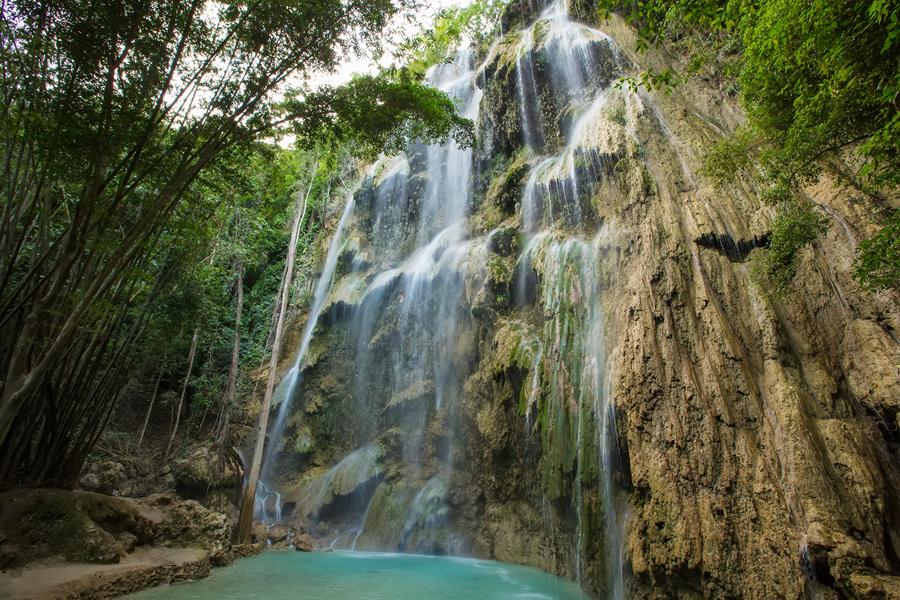
Luzon
Luzon, the largest island in the Philippines, is a place that has a lot to offer divers. One of the most famous dive sites in Luzon is Anilao in the province of Batangas, just a few hours drive from Manila. The waters around Anilao are clear and the variety of marine life makes diving in this area exceptional. Places such as Sombrero Island and Beatrice Rock offer excellent diving conditions, where magnificent coral reefs and abundant marine life create a unique landscape. Anilao is also an ideal place for beginner divers, offering shallow waters and numerous diving centers that organize diving courses and trips.
Another place worth checking out is Subic Bay, located on the western coast of Luzon, a famous dive site that, in addition to its magnificent reefs, also offers shipwrecks, making it a great location for those looking for wreck diving. Here you can explore the USS New York, an American warship that sank during World War II. Diving around wrecks is a real journey back in time, where in addition to the wreck itself, you can also admire the rich marine fauna, including reef fish, as well as larger predators such as sharks and barracudas.
For an unforgettable underwater adventure, Ticao Island in the Bicol region, southwest of Luzon, is also worth a visit. It’s a real gem for divers, offering great conditions for diving with big fish. The Ticao Reef, which surrounds the island, is full of healthy coral reefs, and the crystal clear waters provide excellent visibility. Ticao Island is less touristy than other places around Luzon, making it a great option for those looking for a quieter place to dive in peace and quiet, close to nature.
To the west of Luzon lies the Hundred Islands National Park, where you will find many fascinating diving spots. The archipelago consists of over 100 islets surrounded by crystal clear waters and magnificent coral reefs. Diving in this area is a great opportunity to discover the underwater life among the small islands, where you can see a variety of tropical fish, as well as sea turtles and other marine life. In addition, in the waters around the Hundred Islands you can often see groups of dolphins, which adds an extra thrill to the dive. With a variety of locations, from deep wrecks to shallower reefs, Luzon is becoming one of the best diving spots in the Philippines, which is sure to provide you with unforgettable memories.
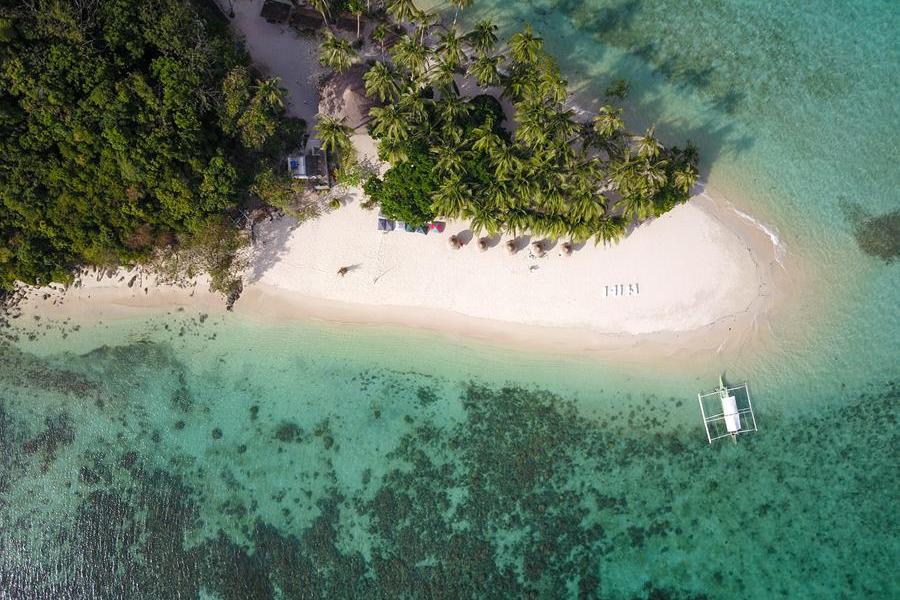
Palawan – a journey to the undiscovered pearl of the Philippines
Philippines | Manila, Palawan (El Nido, Port Barton, Sabang)
Boracay
Boracay it's not just powdery white beaches and vibrant nightclubs, but also a unique place for diving. This small island located in the western part of the Philippines offers a variety of dive sites that will satisfy both beginners and experienced divers. Crystal clear waters, rich marine life and spectacular coral formations make every dive an unforgettable adventure.
Boracay hides many treasures beneath the surface of the water. If you are just starting your diving adventure, the best place for your first dive is Crocodile Island. Despite the menacing-sounding name, you won't encounter crocodiles here, but beautiful, expansive coral reefs full of reef fish, sea turtles and colourful nudibranchs. This is an ideal place for recreational diving, where you can admire schools of colourful fish and, with a bit of luck, a moray eel or an octopus. For those looking for more excitement, Yapak, one of the most exciting dive sites in Boracay, is an excellent choice. It is a deep wall that drops down to 70 metres, where you can encounter larger pelagics - reef sharks, barracudas, rays and tuna. The currents here can be strong, so this dive is for more experienced divers. Visibility in the water often reaches 30 meters, allowing you to admire the majestic underwater landscape in all its glory.
If you are interested in wreck diving, you should definitely visit Camia Wreck. It is a sunken ship about 30 meters long, which over the years has become home to a multitude of sea creatures. Here you can see huge schools of fish, scorpionfish, lionfish and unusual macro organisms hiding in the nooks and crannies of the wreck. The wreck is at a depth of 18-30 meters, making it a great place for divers with an Advanced Open Water license.
For night diving enthusiasts, Angol Point is the perfect place. During the day, it is a quiet, shallow dive site, but at night it comes alive with bioluminescent creatures. Here you can see shrimp, crabs, small squid and eels peeking out of the sand. Night diving here is a unique experience, allowing you to discover the mysterious world of underwater fauna that remains invisible during the day. And if you want to combine diving with admiring rock formations, it is worth going to Laurel Island - a place full of tunnels and caves, through which you can swim, admiring the play of light and shadows cast by the coral walls. It is also one of the best places to meet bamboo sharks, which often rest in the rock crevices.
Boracay offers something for everyone, from calm, shallow reefs perfect for beginners to deep dives and wrecks for advanced divers. What’s more, the warm waters and excellent visibility make diving here a pleasure. Once you’ve finished your underwater exploration, you can return to land to relax on the famous White Beach and enjoy the tropical climate of this extraordinary island.
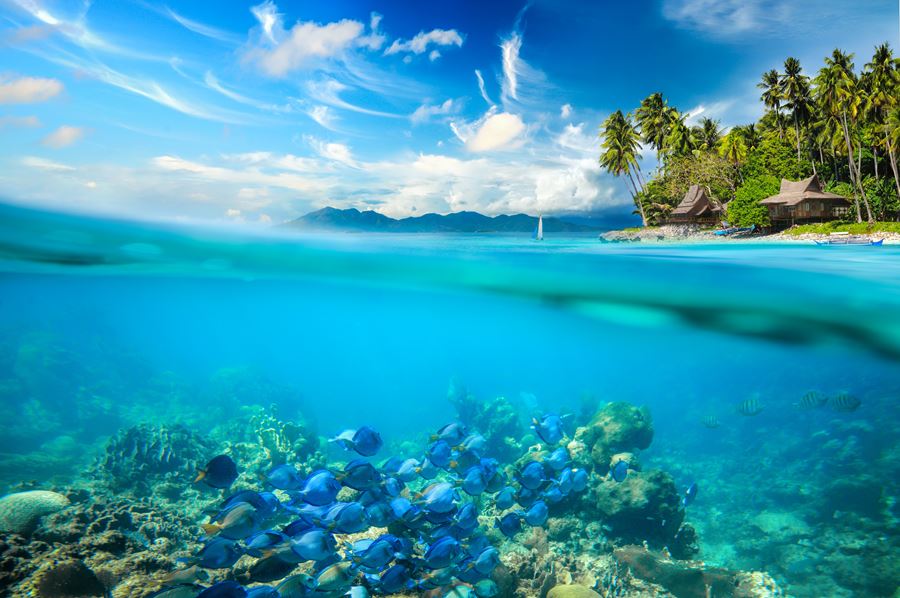
Oslob
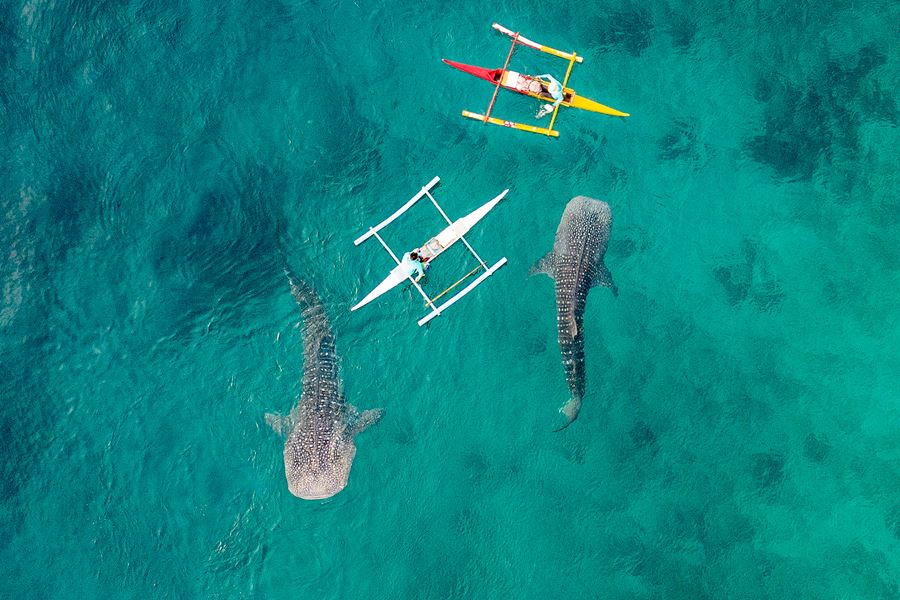
Oslob, located on the island of Cebu, has become one of the most popular diving sites in the region, especially thanks to the unique opportunity to dive with whale sharks, being one of the few places in the world where you can see these huge marine creatures in their natural habitat. Diving and snorkeling trips are organized daily, allowing for safe encounters with whale sharks, which come to the region most of the year. These huge fish, which can grow to a length of 18 meters, feed on plankton, so diving near them is completely safe, provided that the rules for the protection of these animals are followed.
Types of diving in the Philippines
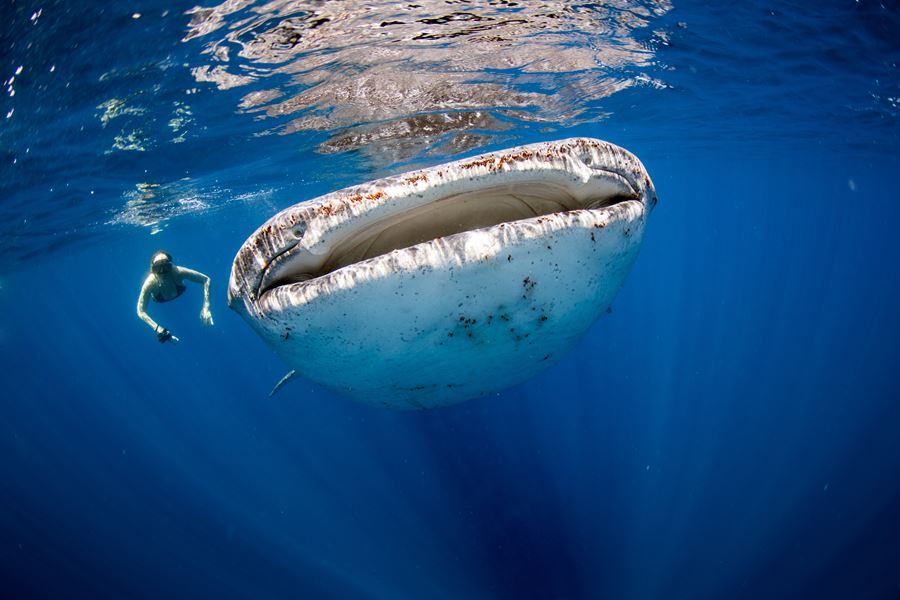
Diving with whale sharks
Diving with whale sharks in the Philippines is one of the most exciting and unforgettable experiences that attracts diving enthusiasts. These majestic sea giants, which can grow to a length of 18 meters, are the largest fish on our planet. The Philippines, with its rich biodiversity and unique marine conditions, has become one of the few places in the world where you can safely encounter these magnificent creatures in their natural habitat.
One of the most famous places to dive with whale sharks is Oslob on the island of Cebu. They visit the coast of Oslob most of the year, mainly in search of plankton, which they feed on. Locals organize diving and snorkeling trips, allowing tourists to have close encounters with these wonderful animals. The whale sharks in Oslob are fed, which makes them more likely to get close to humans, giving divers the chance to have a close encounter with them. Another place that offers an unforgettable whale shark dive is Donsol on the island of Luzon. Unlike Oslob, where the whale sharks are fed, in Donsol the encounters with these fish are more natural. Whale sharks appear in the waters of Donsol, mainly between November and June, and divers can admire them in their natural habitat, undisturbed by human interference. Another place to consider if you want to dive with whale sharks is Ticao Island in the Bicol region, and the Masbate area. While these locations are not as popular as Oslob or Donsol, they offer a unique experience of diving with whale sharks. Ticao Island and Masbate are areas with less tourism, making the shark encounters wilder and less disturbed by humans.
Diving with whale sharks in the Philippines is an experience that requires following a few basic rules. First and foremost, divers should avoid touching the sharks and maintain a safe distance from the animals. Although whale sharks are generally gentle, it is important to always remember to respect the wildlife and not disturb their natural behavior. For this reason, guides and diving instructors are present during the trip to ensure the safety of both tourists and animals.
Wreck diving
The country's rich history, especially the events of World War II, left behind numerous wrecks, which are now covered with corals and inhabited by countless species of marine fauna. The most famous wreck diving site in the Philippines is Coron Bay in Palawan, home to one of the largest underwater graveyards from World War II. It was here that in 1944 the American air force sank an entire flotilla of Japanese ships, which today constitute an underwater open-air museum. One of the most impressive wrecks is the Okikawa Maru, a huge tanker lying at a depth of about 26 meters, which has preserved its structure in excellent condition. Divers can swim inside it, exploring its extensive holds and the captain's bridge, where schools of fish and barracuda are often found. Another unusual wreck in Coron is the Irako, a large refrigerated transporter lying at a depth of 30 to 45 meters. It is one of the deepest and best-preserved wreck dives in the region, and its interior, still containing some of its equipment, gives a unique sense of time travel. In Coron, you can also dive the wreck of the Akitsushima, a Japanese warship that is one of the few with a well-preserved anti-aircraft gun. Diving here is a real treat for history buffs and underwater photographers, as the water in Coron Bay is usually clear, allowing you to admire the details of the wrecks.
Besides Coron, another popular wreck diving spot is Subic Bay on Luzon Island. This former American naval port houses wrecks that date back to the Spanish colonization of the Philippines. One of the most interesting is the USS New York, an American battleship sunk in 1941, lying in about 30 meters of water. Due to its size and good visibility, it is one of the most visited wreck diving spots in the Philippines. Another wreck in Subic Bay is the El Capitan, a large cargo ship that today provides shelter for schools of fish and colorful sponges, creating an underwater ecosystem full of life.
For more advanced technical divers, an interesting option is the MV Dona Marilyn, a Philippine passenger ferry that sank in a typhoon in the 80s. It lies in about 50 meters of water near Malapascua Island and is a great place for technical divers to explore the wreck’s interior. Although the wreck is more difficult to access due to the depth and currents, it is a great place to dive for those looking for a challenge.
Diving among coral reefs
The Philippines’ coral reefs are home to thousands of species of fish, countless varieties of coral, and rare marine life, including reef sharks, manta rays, sea turtles, and seahorses. No matter your experience level, there’s something for every diver—from shallow, colorful coral gardens to deep reef walls that drop into the ocean’s depths. One of the most famous coral reef dives is Tubbataha Reefs Natural Park, located in the open sea about 150 km from Palawan. Due to its remoteness and status as a national park, Tubbataha is one of the most pristine ecosystems in the Philippines. Here, you can see huge schools of barracuda, hammerhead sharks, and even whale sharks. Diving in Tubbataha is only possible during a specific season, from March to June, when weather conditions are at their most favorable.
Another spectacular reef diving location is Apo Reef, one of the largest reef systems in the Philippines, located west of Mindoro Island. Apo Reef offers breathtaking coral walls where divers can admire a wealth of gorgonians, sponges and soft corals. The reefs attract large pelagics, including manta rays, reef sharks and tuna. With its clear waters and strong currents, Apo Reef is ideal for intermediate and advanced divers looking for a top-level underwater experience.
For those looking for accessible reefs of exceptional beauty, Balicasag Island, located near Bohol, is the ideal place to go. This small island is surrounded by stunning coral gardens, where you can admire large schools of fish, sea turtles and macro fauna, including shrimp, nudibranchs and seahorses. The most famous dive site on Balicasag is the Black Forest, where black corals contrast with the light sand of the bottom, creating a unique underwater landscape. Anilao, located south of Manila, is equally attractive, famous for its incredible biodiversity and excellent conditions for macro photography. The coral reefs of Anilao are rich in the smallest and most unique creatures, such as mimetic octopuses, clownfish, scorpionfish and rare nudibranchs. One of the most famous places in the Philippines for diving among coral reefs is also Moalboal in Cebu. Moalboal is famous for the sardine run, a spectacular display of millions of sardines moving in sync through the water. Although the sardines are the main attraction, the surrounding reefs, such as Pescador Island, are rich in soft corals and numerous species of reef fish. You can also come across sea turtles in the area, which regularly visit the local waters.
Diving with manta rays
The Philippines is one of the best places in the world to dive with manta rays, majestic rays that can grow to 7 meters in length. These gentle giants attract divers with their grace and amazing movements, and meeting them underwater is one of the most unforgettable experiences. Philippine waters, which belong to the so-called Coral Triangle, provide the manta rays with ideal living conditions - warm sea, rich plankton and numerous cleaning stations where smaller fish remove parasites from their bodies. One of the best places to dive with manta rays in the Philippines is Ticao Island, famous for the Manta Bowl, one of the surest places to meet these majestic creatures. Ocean currents attract large amounts of plankton here, which means that the manta rays regularly visit this place in search of food. The Manta Bowl is a deeper diving area where, in addition to the manta rays, you can also encounter reef sharks and other large pelagic species. Due to strong currents, diving here is mainly intended for intermediate and advanced divers.
Another popular place to dive with manta rays is Apo Reef, the largest reef system in the Philippines, located near Mindoro. In addition to its spectacular coral walls, Apo Reef attracts manta rays, which often appear around the cleaning stations. Due to its clear water and abundance of marine life, Apo Reef is a great place for both large pelagics and underwater photography. One lesser-known but equally fascinating place is Balicasag Island, located near Bohol. Although this place is known mainly for its turtles and dense coral reefs, manta rays also appear here seasonally, especially in areas where the currents bring in large amounts of plankton. Balicasag offers easier diving conditions, making it a great choice for beginners as well. These intelligent and inquisitive creatures often swim up to divers, performing spectacular spins and dance moves in the water.
Macro diving
The Philippines is not only home to majestic manta rays, whale sharks and spectacular coral reefs, but also one of the best places in the world for macro diving. This type of diving, focused on finding small and often extremely rare sea creatures, is extremely popular with underwater photographers and lovers of marine biodiversity. Philippine waters hide real treasures in the form of microscopic seahorses, colorful snails, bizarre crustaceans and miniature octopuses.
One of the most famous macro diving spots in the Philippines is Anilao, located near Manila, where you can find dozens of species of nudibranchs, seahorses, scorpionfish, anglerfish and rare octopuses. Thanks to the variety of habitats - from sandy slopes to coral gardens - every diver can discover something new here. Another paradise for lovers of this type of diving is Dauin, located near Dumaguete on the island of Negros. This region is famous for so-called muck diving, i.e. diving in places with a muddy bottom, where unusual and rare species hide. In Dauin you can see various species of crabs, shrimp, clownfish hiding in anemones and unique fish such as anglerfish and pipefish. Also not to be missed is Moalboal on the island of Cebu, which, although famous for its huge schools of sardines, is also a great place for macro diving. Here you can find rare seahorses, nudibranchs with fanciful colors, and numerous species of crustaceans that inhabit the coral walls and sandy bottom. Puerto Galera, one of the first dive sites discovered in the Philippines, also offers excellent conditions for macro diving. In the local waters you can come across multi-colored shrimp, rare species of scorpionfish, and tiny fish-monkfish that blend in perfectly with the surroundings.
Diving in the Philippines is an unforgettable adventure that allows you to discover one of the most diverse underwater environments in the world. Whether you are fascinated by colorful reefs, mysterious wrecks or close encounters with large marine life, you will find everything every diver is looking for in Philippine waters. Every dive in the Philippines is a new story, a new discovery and another unforgettable memory. It is an underwater paradise that will stay in your memory forever and make you want to come back again and again.


November 6, 2026

November 5, 2026
November 4, 2026

November 4, 2026
November 2, 2026
recent posts
- The best diving spots in the world – where to go? November 6, 2026
- Wedding abroad – what should you remember? November 5, 2026