Chinese cuisine – what's worth trying? The most interesting dishes
5394
0
October 3, 2025
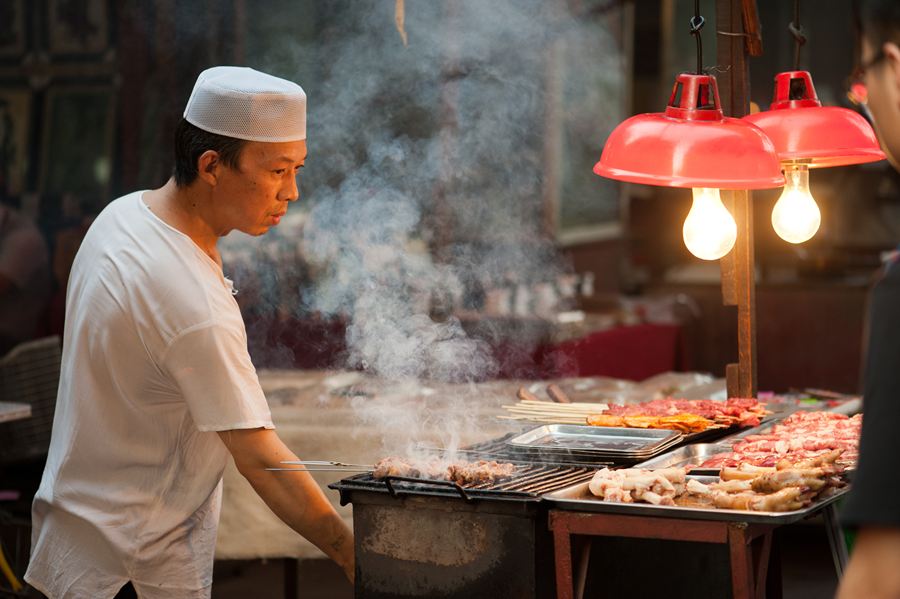
Chinese cuisine is one of the oldest and most diverse in the world. Its tradition dates back thousands of years and remains an important part of everyday life for Chinese people. What sets it apart from others is its immense diversity – each region has its own specialties and favorite flavors. In the north, dumplings and flour dishes predominate, in the south, rice and seafood dishes are popular, in Sichuan, spicy sauces with Sichuan pepper reign supreme, and in Guangzhou, you'll find light dim sum and the famous roasted meats. Chinese food is not only about taste but also balance. For centuries, it has been believed that every meal should combine different flavors and textures – spicy and mild, soft and crunchy, sweet and salty. This makes dishes not only delicious but also harmonious and full of nutritional value. It's also a very practical and versatile cuisine – steaming, wok-frying, and braising allow you to extract the maximum flavor from ingredients and preserve their freshness. Whether you choose classic jiaozi dumplings, fried chow mein noodles, or the world-famous Peking duck, you can always count on a unique culinary experience.
The history of Chinese cuisine
When you sit down to a steaming bowl of noodles or reach for crispy dumplings, you're actually savoring a tradition dating back thousands of years. The history of Chinese cuisine is a journey from the earliest dynasties to modern restaurants around the world. Millet and rice were cultivated along the Yellow River as early as 5000 years ago, and each succeeding century has left its mark on the flavors and preparation methods of the dishes.
During the Zhou Dynasty (1046–256 BC), food was intertwined with philosophy. Dishes were meant to balance the forces of yin and yang, ensuring harmony of body and mind. It was then that the custom of composing meals so that hot and cold, mild and spicy flavors met in a single pot arose. Later, when the Han Dynasty emperors (206 BC–220 AD) ascended to the throne, the Silk Road opened China to the world. Spices from distant lands—cinnamon, saffron, and pepper—made their way into the cuisine. In southern China, rice had always been a staple of life, while in the north, where the climate favored wheat cultivation, the art of making noodles, steamed buns, and thin pancakes developed. This division persists to this day, creating a single country that offers two distinct culinary worlds.
Tea was equally important. Legend has it that Emperor Shennong discovered it around 2700 BC when its leaves accidentally fell into a pot of water. Over the centuries, tea became a symbol of hospitality, and during the Tang Dynasty (618–907), drinking it evolved into a true ritual. Interestingly, for a time, pressed tea cubes were even used as currency – evidence of greater cultural significance is hard to find.
When the Tang Dynasty arrived, the imperial courts developed culinary arts into a refined spectacle. Feasts were held, featuring hundreds of dishes. In the Song Dynasty (960–1279), cities flourished and the market economy flourished, giving street food a significant boost. Back then, fried dumplings, noodles, and sweets were sold on the streets, delighting in their simplicity and accessibility. The invention of the wok was another milestone. Even in ancient times, the Chinese sought ways to conserve wood and coal. High frying temperatures and rapid mixing of ingredients produced dishes full of flavor, ready in minutes. To this day, the skill of using a wok is considered an art form—it requires skill, strength, and intuition.
Hong Kong & Bohol
China, Philippines | Hong Kong, Bohol (Panglao)
The Yuan Dynasty (1271–1368), founded by the Mongols, introduced new meats and dairy products to the cuisine, and culinary influences from Central Asia became part of the daily menu. In turn, during the Ming Dynasty (1368–1644), preservation, marinating, and deep-frying techniques gained immense popularity. This period also saw the introduction of hot chili peppers, imported from America—today an indispensable part of Sichuan cuisine. The Qing Dynasty (1644–1912) brought a further richness of flavors. It was then that the recipe for Peking duck, served to this day as a signature dish, was perfected. Simultaneously, the tradition of dim sum—hundreds of small snacks served with tea on lazy mornings and afternoons—was born in Guangzhou.
When you look at China's contemporary culinary map, you'll see a mosaic of regional cuisines, each with its own distinct character. Sichuan sizzles with the heat of chili and Sichuan peppercorns, Canton delights with its delicacy and subtle flavors, and Beijing beckons with the aroma of roast duck. Each of these dishes still echoes the eras of the dynasties from the Zhou to the Qing.
Today, Chinese cuisine has become a global phenomenon. Wherever you travel—from New York to Warsaw—you'll find restaurants that, to varying degrees, honor this centuries-old tradition. And when you pick up your chopsticks and reach for another bite, remember that this isn't just a meal. It's a journey through five thousand years of history, culture, and philosophy that continue to inspire and unite people around one table.
Chinese cuisine – the most popular dishes
When you sit down at a Chinese table, a world full of scents, colors, and stories unfolds before you, all of which can be contained within a single bowl of rice or a steaming dumpling. Chinese cuisine encompasses not only a variety of flavors but also an entire daily ritual—from breakfast, through a quick lunch, to evening feasts. If you're looking for a culinary journey through China, just consider a few of the most popular dishes enjoyed by millions every day.
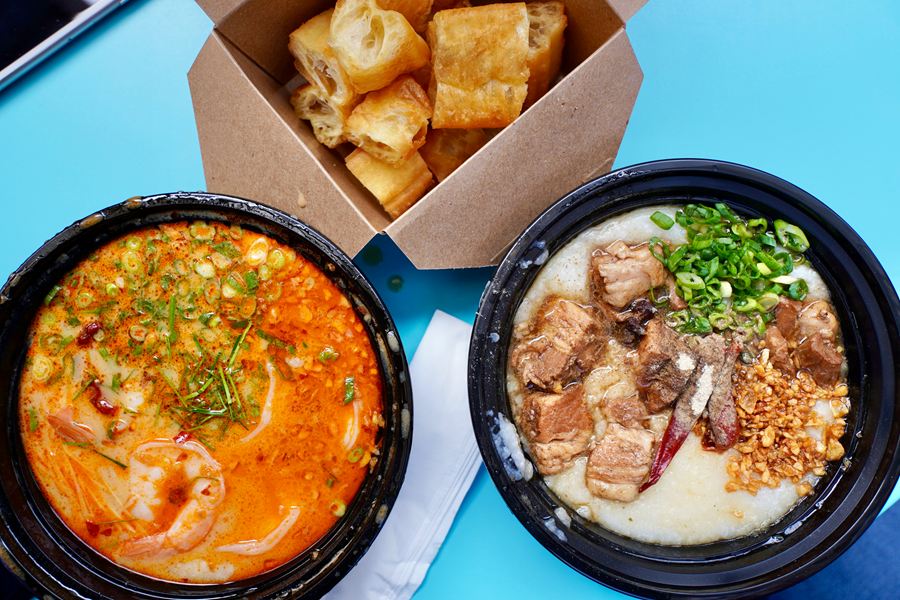
Mornings in China begin quite differently than in Europe. When you reach for a slice of bread at home, you're most likely to find a bowl of warm rice soup called congee. It's a thick rice gruel served both savory—with pickled vegetables, egg, or meat—and sweet, with dried fruit. You might be surprised to learn that congee was once considered an almost medicinal dish, served to the sick and elderly because it was easily digestible and strengthened the body.
Another breakfast classic is baozi, or steamed buns. Imagine fluffy dough that, when broken, releases an aromatic filling—pork, vegetables, or even sweet red bean. Baozi can be found on every street corner, and the aroma wafting from bamboo steamers is a sign that the day is just beginning.
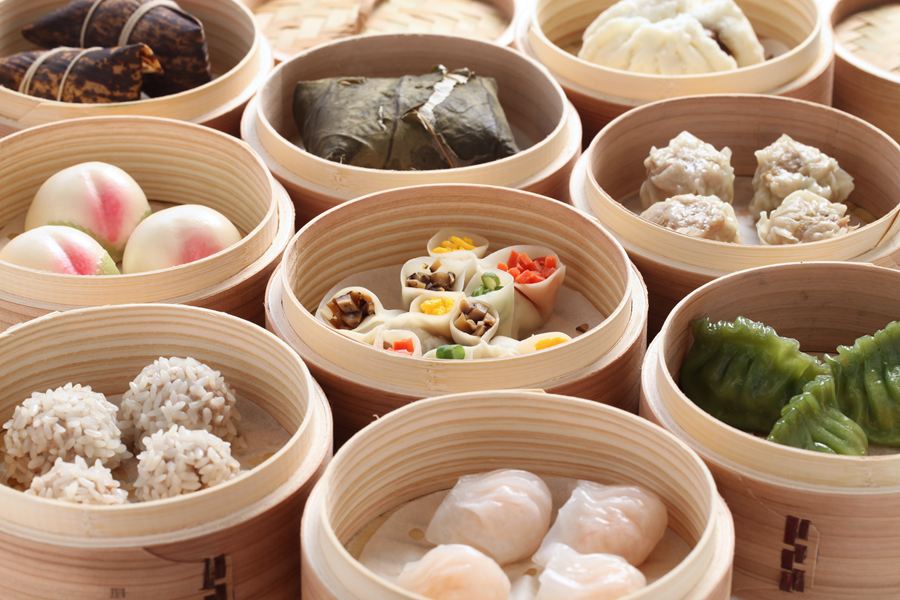
At lunchtime, many Chinese reach for dim sum – small snacks served in hundreds of varieties. These include dumplings, rolls, noodles, and miniature buns, perfect for sharing with friends. Dim sum is not just a food but also a tea party tradition that originated in Guangzhou. You could spend hours trying different versions and still not taste them all.
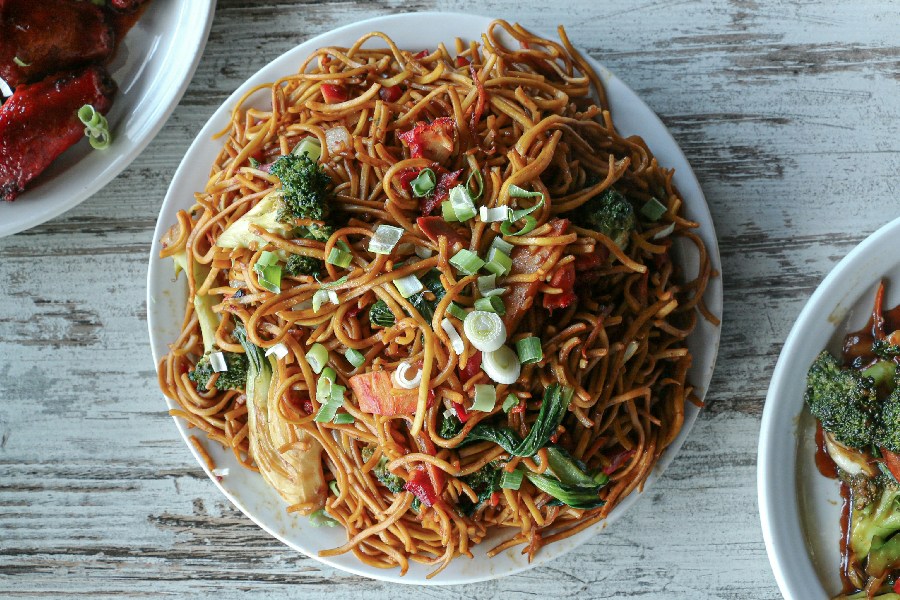
However, we can't miss the dish that has captured the hearts of not only the Chinese but also the world – chow mein noodles. Stir-fried in a wok with vegetables, egg, and sometimes meat, it's quick, filling, and full of flavor. The wok imbues the dish with its distinctive aroma, and preparation takes just minutes. Interestingly, the stir-fry technique used in chow mein arose from a cost-saving perspective – quick frying allowed for less fuel to be used.
When dinner time arrives, Peking duck often reigns supreme. This iconic dish, dating back to the Yuan Dynasty, boasts crispy skin, juicy meat, and is wrapped in thin pancakes topped with chives and hoisin sauce. Served on special occasions, this dish requires skill and time to prepare. It's no coincidence that it has become one of Beijing's greatest culinary treasures.
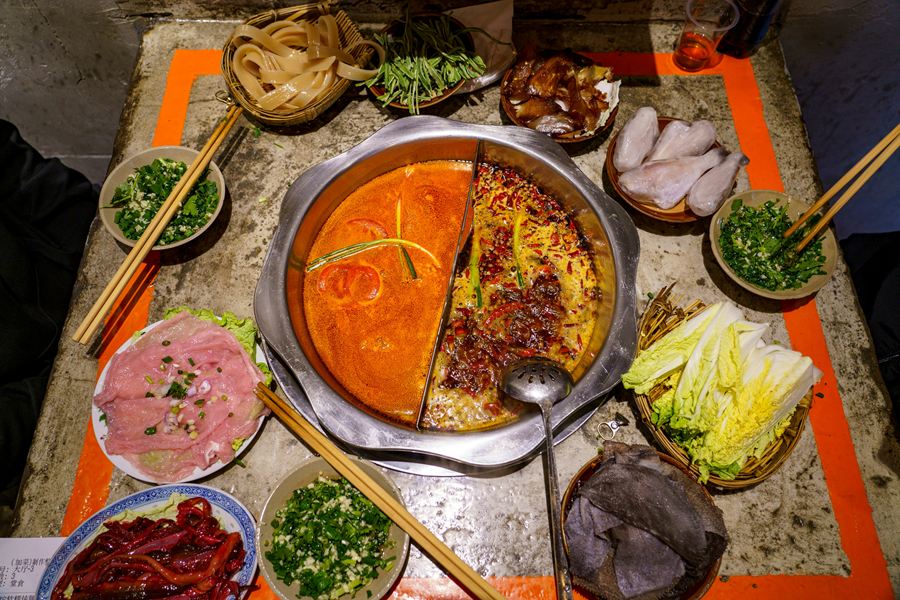
Hot pot, also known as Chinese cauldron, is also worth mentioning. It's a dinner that transforms into a social event. A pot of broth—mild or spicy—stands in the center of the table, and plates of meat, vegetables, mushrooms, and tofu are arranged around it. You dip the ingredients into the simmering broth, then dip them in sauces. Hot pot is a food that not only satisfies but also brings people together—everyone cooks their own meal while simultaneously participating in a shared experience.
So when you think of Chinese cuisine, don't limit yourself to a single dish. It's the entire rhythm of the day, where each dish has its own story and meaning. From morning congee, to vibrant dim sum, to festive Peking duck or warming hot pot – every moment at the table is a journey through culture, flavors, and traditions. And the best part is that you can discover something new every time.
What is worth eating while in China?
Jiaozi
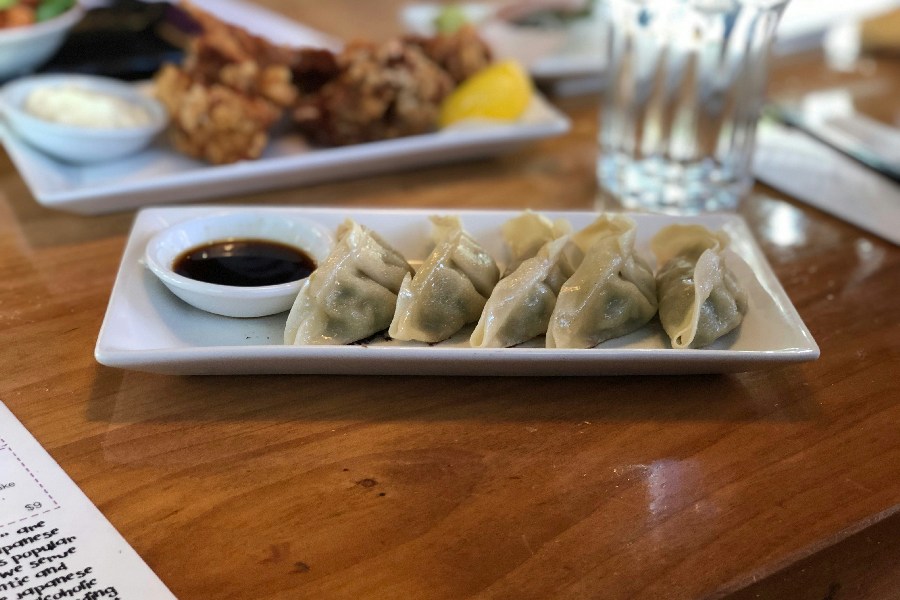
Jiaozi are among the most famous Chinese dumplings, with a history spanning over 1800 years. According to tradition, they were invented by the Chinese physician Zhang Zhongjing during the Han Dynasty. He wanted to help people suffering from frostbite in their ears and prepared pieces of dough stuffed with meat and herbs, shaped like ears. Over time, jiaozi became a popular dish throughout China. Preparing jiaozi involves making a thin dough from wheat flour and water, then stuffing it with the filling. Ground pork, beef, lamb, or shrimp are most commonly used, mixed with Chinese cabbage, spring onion, ginger, and soy sauce. Dumplings can be boiled, steamed, or pan-fried. Each method imparts a different flavor and texture – boiled dumplings are tender, steamed dumplings are fluffy, and fried dumplings are crispy.
Jiaozi also have a symbolic meaning. In China, they are often eaten during Lunar New Year celebrations, especially in the northern part of the country. Their shape resembles ancient Chinese gold ingots, so they are believed to bring good luck and prosperity in the coming year. Traditionally, the entire family prepares the dumplings together on New Year's Eve, which provides an opportunity for bonding and conversation. In some regions, a coin is placed inside one of the dumplings; whoever finds it is considered to have special luck. Jiaozi are served with rice vinegar, soy sauce, or chili oil.
Kung Pao Chicken
Kung Pao Chicken is one of the most famous Sichuan dishes, gaining popularity worldwide. Although there are many variations, the original originates from the Chinese province of Sichuan. The dish's name is associated with Ding Baozhen, a high-ranking official of the Qing Dynasty who held the title "Gong Bao"—"guardian of the prince." He is credited with creating the recipe, which combines the heat of chili with the tenderness of chicken and the aroma of peanuts.
The base of the dish is chicken breast pieces marinated in soy sauce, rice wine, and potato starch, keeping them tender and juicy. They are then quickly stir-fried in a wok with chili peppers, ginger, garlic, and Sichuan peppercorns, which impart a distinctive, slightly numbing sensation on the tongue. Peanuts are added for a crunchy texture, and the dish is drizzled with a sauce made of soy sauce, rice vinegar, and sugar. The dish is most often served with jasmine rice or fried rice. Kung Pao Chicken is an example of a cuisine that combines contrasts – hot and sweet, soft and crunchy. Interestingly, the American-Chinese version often tones down the spiciness by adding more sauce and vegetables, while the traditional Sichuan version is truly spicy.
This dish is served both on a daily basis and during family gatherings and celebrations. In China, it is considered a classic of Sichuan cuisine and an essential part of the menus of restaurants specializing in spicy dishes.
Hong Kong & Siargao
China, Philippines | Hong Kong, Siargao
Mapo tofu
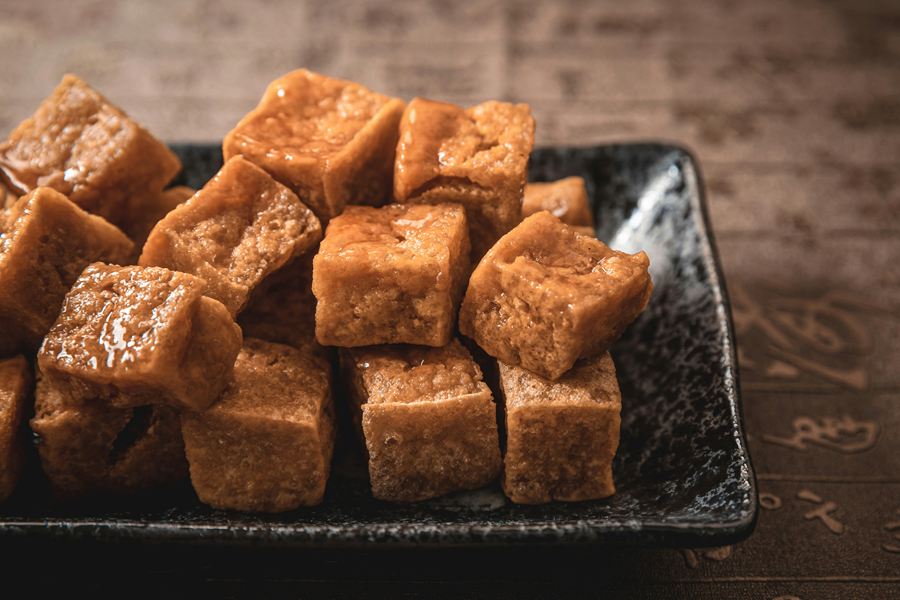
Mapo tofu is a classic Sichuan dish, known for its exceptionally spicy and aromatic flavor. Its history dates back to the 19th century and is linked to a woman nicknamed "Ma Po"—meaning "freckle-faced woman"—who ran a small eatery in Chengdu. It was she who began serving tofu in chili sauce and Sichuan peppercorns, which quickly won the hearts of local foodies.
The base of the dish is soft tofu, which is cut into cubes and cooked in a thick, spicy sauce. The sauce is made with doubanjiang paste (fermented bean and chili paste), garlic, ginger, soy sauce, and broth. Ground beef or pork is added, giving the dish a richness. The dish is characterized by Sichuan peppercorns – their citrus aroma and slight numbing effect distinguish mapo tofu from other dishes. Interestingly, in Sichuan, mapo tofu is known for its "six flavors": pungency, aroma, soft tofu, crunchy meat, fresh ingredients, and peppery spiciness. The dish is typically served with white rice, and in China, it is a popular everyday meal.
Mooncakes (Yue Bing)
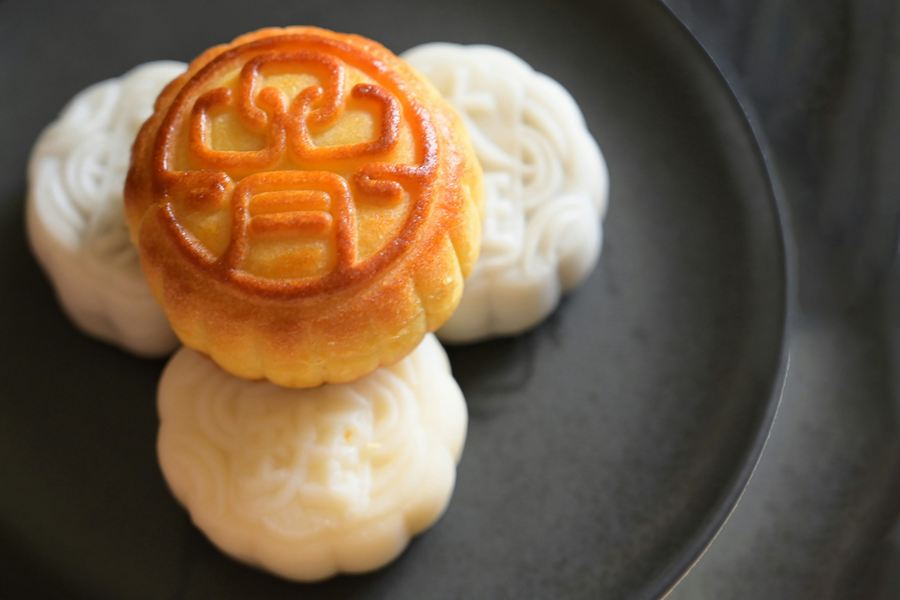
Mooncakes are traditional Chinese pastries eaten during the Mid-Autumn Festival, which falls on the 15th day of the eighth lunar month. They symbolize family unity and the full moon. Their history dates back to the Yuan Dynasty – according to legend, secret messages were hidden inside them during the anti-Mongol uprisings. The classic mooncake is a round pastry with a delicate crust, filled with red bean paste, lotus, or nut paste, often with salted duck egg yolk, symbolizing the moon. The cakes have a richly decorated surface – with motifs of flowers, lucky signs, or lunar symbols. Mooncakes are prepared by baking a filling wrapped in a thin layer of pastry. Modern versions vary widely – from chocolate and green tea to ice cream-like desserts.
During the Mid-Autumn Festival, families and friends exchange mooncakes as a sign of good wishes. In major cities in China, there's even a trend of exclusive versions of these cakes, packaged in decorative boxes and given as business gifts.
wonton
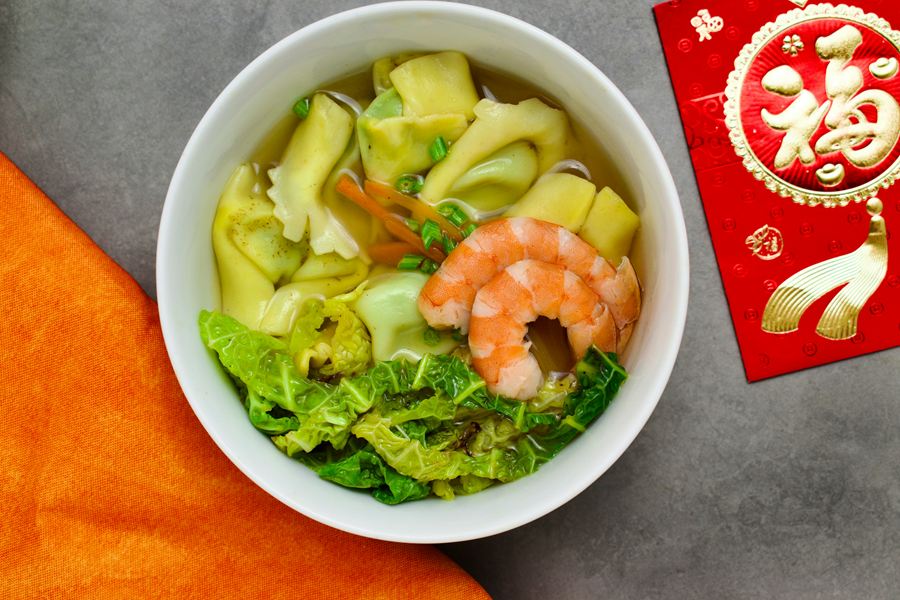
Wontons are delicate Chinese dumplings that have held an important place in Chinese cuisine for centuries. Their history dates back to the Han Dynasty, when they were described in medical texts and treated not only as a dish but also as "health food." The name "wonton" in the ancient language meant "chaos" or "disorderly things" – dumplings were considered something mysterious, hiding flavor within the dough. Wontons are made using a very thin dough made from wheat flour and water, which is cut into square sheets. A filling, usually made of ground pork, shrimp, mushrooms, and vegetables seasoned with ginger, soy sauce, and sesame oil, is then filled. The dumplings are wrapped into characteristic pouches or triangles and then boiled in broth, deep-fried, or steamed. In any form, they retain their tenderness and unique flavor. Most often, wontons are served in a fragrant broth, creating the classic "wonton soup." The fried version, on the other hand, is a crunchy snack served with a sweet and sour sauce.
The shape of wontons varies depending on the region of China – in Canton, they resemble small pouches, in Shanghai, they are flatter, and in northern China, they resemble classic dumplings. Wontons are eaten both as an everyday meal, as a quick and filling meal, and during important holidays. They are especially popular during Lunar New Year celebrations, symbolizing prosperity and family happiness.
Char siu
Char siu is one of the most recognizable dishes in Cantonese cuisine – juicy, roasted pork with a distinctive red color and a sweet-salty aroma. The name literally means "forked and roasted over fire," referring to the traditional method of preparing the meat. The history of char siu dates back to the Qin and Han dynasties, when pork in southern China began to be seasoned with sweet marinades and roasted over an open fire.
Char siu is most often prepared using pieces of pork shoulder or pork neck. The meat is marinated for several hours in a mixture of hoisin sauce, soy sauce, honey, five-spice, garlic, rice wine, and red fermented bean paste (nam yue), which gives it its distinctive color. It is then baked at high temperatures, often in special ovens, until it acquires a shiny, caramelized crust and a juicy interior. Char siu is served as a main course with rice, as a side dish with noodles, and as a filling for the popular char siu bao buns. This makes it a popular choice in restaurants and street stalls alike.
Char siu was once sold in Cantonese "siu mei shops"—small establishments specializing exclusively in roasted meats. Such establishments remain extremely popular in Hong Kong and Guangzhou to this day.
China – in the kingdom of the dragon and the phoenix
China | Beijing, Pingyao, Xi'an, Yangshuo, Shanghai
Spring rolls
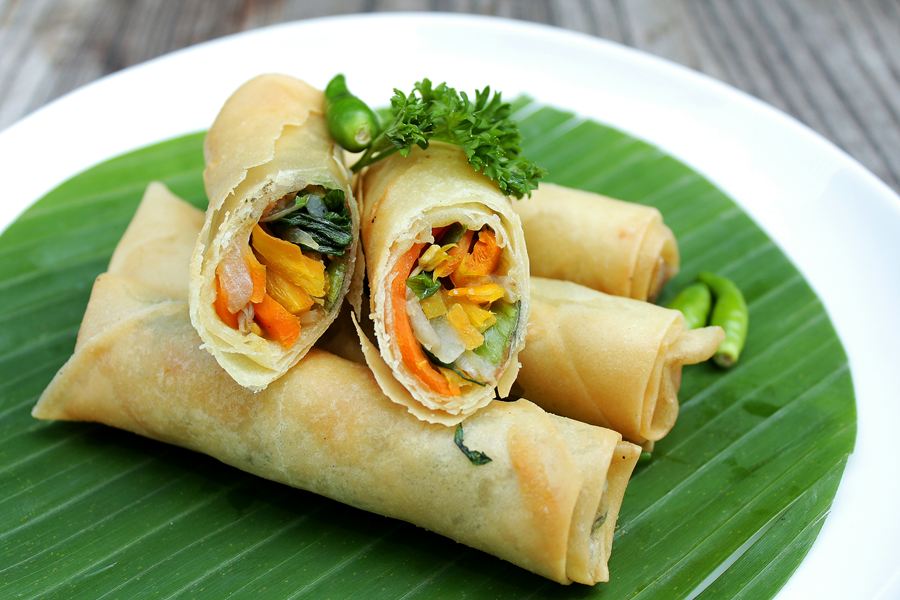
Spring rolls are one of the most well-known Chinese dishes, gaining immense popularity outside of China. Their history dates back to the Jin Dynasty (265–420 AD), when thin wheat pancakes were prepared during the Spring Festival, wrapped in vegetables to symbolize freshness and new life. Over time, the dish evolved into the crispy, fried rolls we know today.
Spring rolls are made from very thin flatbreads made from wheat flour, rice flour, or starch, filled with a variety of fillings. Traditionally, the filling consists of cabbage, carrots, mun mushrooms, bean sprouts, and chives. Meat—pork, chicken, or shrimp—is also often added. The wrapped rolls are deep-fried until golden and crispy. There are also unfried, fresh versions, particularly popular in Southeast Asia. Spring rolls eaten during Chinese New Year celebrations symbolize wealth, as their shape and golden color resemble gold bars. In some regions, it is even said that the more you eat, the more luck and money you will attract in the coming year. Today, spring rolls are served both as an appetizer and as a street snack. They are served with a variety of sauces, including soy, sweet and sour, spicy chili, or hoisin. There are different varieties in different regions of China and Asia – from light, vegetable ones to more substantial ones with meat or seafood.
Sour and spicy soup
Sour and spicy soup is one of the most well-known dishes in Chinese cuisine, popular especially in the northern regions, although its roots lie in the Sichuan province. As the name suggests, it is characterized by a distinctive combination of two flavors – the sharpness of chili and Sichuan peppercorns, and the acidity of rice vinegar. The first mentions of similar soups date back to the Ming Dynasty, when chefs experimented with balancing flavors in dishes. The soup is prepared using an aromatic broth, most often made from chicken or pork. Mun, shiitake, or enoki mushrooms, tofu, an egg (which forms characteristic "ribbons"), bamboo, and sometimes even meat – pork or chicken in thin strips – are added. The soup's flavor is enhanced by the addition of rice vinegar, soy sauce, chili peppercorns, and Sichuan peppercorns. The soup is thickened with potato or corn starch, giving it a velvety consistency.
In traditional Chinese medicine, sour-spicy soup is believed to warm the body and improve circulation, which is why it was often served on colder days. Today, it appears on the menus of most Chinese restaurants worldwide. In China, it is often eaten as an appetizer before a main meal or as a quick, nutritious everyday dish. Its spicy-sour character makes it a great appetite stimulant and pairs well with other Chinese dishes.
Tea
Tea is the oldest and most important beverage in China, with a history dating back over 4000 years. Legend has it that Emperor Shennong accidentally discovered it when leaves from a wild tea bush fell into the boiling water he was drinking. Since then, tea has become an integral part of Chinese culture, both everyday and ceremonial.
In China, there are several main types: green (e.g., Longjing – Dragon Well, fresh and delicate), black (in China called "red" and with a strong flavor), white (mild and slightly sweet), oolong (semi-fermented, combining the characteristics of green and black tea), and pu-erh (fermented, with an earthy aroma, considered healthful). Tea brewing is an art – the water temperature, steeping time, and the number of possible refills are crucial. The gongfu cha brewing ceremony is popular, emphasizing harmony, peace, and respect for guests. Tea not only quenches thirst but also symbolizes hospitality – the first thing a guest receives in a traditional Chinese home is a cup. It is drunk at any time of day, in company, but also alone – as a moment of reflection and tranquility.
Baijiu
Baijiu is the most famous and strongest traditional Chinese spirit, whose name literally means "white alcohol." Its history dates back over 1000 years, with the first mentions of similar beverages dating back to the Tang Dynasty. It is produced primarily from sorghum, but rice, corn, and wheat are also used. Baijiu is distinguished by its very high alcohol content – between 40 and 60%. Fermentation takes place in special clay vessels buried in the ground, giving it an intense, distinctive aroma, often described as sweet-spicy, floral, or even slightly "earthy." The taste may come as a shock to many Westerners, but in China, it is treated as a symbol of tradition and national pride. This beverage is most often drunk during important celebrations – weddings, holidays, business meetings, and banquets. It is accompanied by special toasts, known as "baijiu." ganbei, meaning "down to the bone!" In Chinese culture, rejecting a glass of baijiu during such a toast is considered disrespectful. Some baijiu brands, like Maotai, command exorbitant prices and are considered luxury goods. At the same time, it is an alcohol deeply ingrained in everyday life—a symbol of community and celebration.
The Far East in a Nutshell
China, Japan, South Korea | Tokyo, Kyoto, Seoul, Beijing
Huangjiu – “yellow wine”
Huangjiu is one of the oldest spirits in Chinese, and indeed world, history. Its origins date back over 3000 years, when rice and wheat were fermented during the Shang and Zhou dynasties, creating an aromatic, amber beverage. The name "huangjiu" literally means "yellow wine," referring to its distinctive color. It is made from glutinous or regular rice, sometimes with the addition of barley or millet. Fermentation takes place using special yeasts and fungi, which give the drink a rich flavor. The alcohol content is relatively low, usually between 10 and 20%, making it milder than baijiu. The most famous variety is Shaoxing jiu, from Zhejiang Province, used both for drinking and cooking (for example, to marinate meats or flavor sauces).
Huangjiu is usually drunk warm, especially in winter, which enhances its aroma and warming effects. Traditional Chinese medicine credits it with strengthening and circulation-boosting properties. Huangjiu was once a drink of the elite, served at imperial courts during ceremonies and rituals. Today, it remains a symbol of tradition and is still used at weddings and during important holiday celebrations.
Doujiang – soy milk
Doujiang, or soy milk, is a beverage extremely popular in China, especially as part of a traditional breakfast. Its history dates back to at least the Han Dynasty (circa 2nd century BC), when experiments with soybean processing began. The drink is made by soaking soybeans, blending them with water, and boiling the resulting mixture. The resulting mixture is then strained, separating the liquid from the soybean pulp. Doujiang can be enjoyed both hot and cold. The classic version is served lightly sweetened with syrup, but savory versions are also popular, with soy sauce, chives, chili oil, or pickles. In Chinese tradition, doujiang is usually drunk with youtiao (fried dough sticks), a classic street breakfast. It is a quick, filling, and inexpensive meal that can be found on almost every street corner. Interestingly, soy milk was considered a health drink in China – easily digestible, rich in protein, and suitable for people with lactose intolerance. Today, doujiang remains a part of everyday life and has gained popularity worldwide as an alternative to cow's milk.
Today, Chinese dishes can be found almost everywhere in the world, and many can be easily prepared at home. This allows you to discover new flavors and introduce interesting inspirations into your own kitchen – from simple spring rolls and spicy-sour soup to more challenging dishes like Peking duck. It's worth experimenting with different cooking techniques and using unique spices that give dishes a unique character.
Planning journey through China, it's worth comparing culinary stops with logistics and weather. Variable China's climate (from the cooler north to the humid south) will tell you when it is best to visit specific regions and what attractions of China add to your itinerary – from the hutongs of Beijing to the limestone hills of Guilin. If you also dream of beaches of China, consider Hainan as a relaxing destination after a busy day of sightseeing. Take care of your health: before leaving, check the recommended vaccinations for China and buy insurance. When purchasing tickets, take into account flight time to China (usually 9–14 hours with transfers), which will help you plan your first day without rushing. For couples planning honeymoon trip to China A great theme could be a tasting tour – from dim sum in Guangzhou to fiery hot pot in Chengdu – while maintaining the basic rules, because security in China It's mostly common sense: keep your documents with you, use official transport and drink only bottled water.
A crazy lunatic with a positive disposition, a bookworm, a lover of cats, swimming in an ice hole and long hikes along the Beskid trails. When she sticks her nose out of her book and is not setting off on a tramp, she likes to delve into the secrets of herbalism, design books and experiment with photography. In Planet Escape, she fills countless pages of guidebooks with content, constantly extending the list of countries to visit - after all, according to St. Augustine, "the world is a book and those who do not travel read only one page".