Get inspired and read about your dream trip on the blog
What to know before you go to Malaysia? The most important information
April 25, 2025
Malezja, located in the heart of Southeast Asia, is one of those places that is hard to define in one word or even one sentence. Here, in one moment, you can be in the hustle and bustle of a metropolis Kuala Lumpur, with its futuristic skyscrapers and lively bars, and the next moment you find yourself in the tropical jungle of Borneo, full of exotic animals and plants. But that's just the beginning. From the sandy beaches Langkawi, through the historic cities of Melaka and George Town, to the wonderful islands sipadan, Malaysia offers travellers a wide range of experiences. The country is a true paradise for nature lovers, with numerous nature reserves and national parks where you can explore the local flora and fauna, to majestic mountains such as Kinabalu, which give adrenaline rushes to those who conquer them. And not to be forgotten is Malaysia’s rich cultural mosaic, where Malay, Chinese and Indian influences meet and mingle to create a unique tapestry of customs, cuisines and traditions. Religious festivals, diverse cuisines, music and dances, and architecture reflect this diversity and add incredible depth to the country.

TRAVEL TO MALAYSIA – HOW TO PREPARE?
Planning travel to Malaysia can be as exciting as the trip itself. This fascinating country, with its rich cultural mosaic and diverse landscapes, offers plenty to see and do for every traveler. But how do you properly prepare for this exciting journey? A country as diverse as Malaysia requires some careful planning, and proper preparation can significantly impact the quality of your stay. In this article, we will cover everything you need to know before you go: from the most important vaccinations, through local customs and regulations, to tips on packing and communication. We want your holidays in malaysia was not only an amazing experience, but also a hassle-free and comfortable adventure.
Are you ready to immerse yourself in this exotic culture, admire stunning landscapes and taste some of the most diverse culinary delights in the world? Here's a guide to how to best prepare for your trip to Malaysia.

Malaysia in style
Penang, Pangkor, Kuala Lumpur - Jungles await you here - both the big city of cosmopolitan Kuala Lumpur and the tropical jungle full of wildlife. On Pangkor Island you will experience relaxation on untouched beaches and visit fishing villages, in Penang you will go on a trip in search of the best street food on the island, and in Kuala Lumpur you will throw yourself into the hectic whirl of city life.
VISA TO MALAYSIA
Polish citizens do not need visas to malaysia for a tourist stay of up to 90 days. A passport is required, which should be valid for at least 6 months from the date of intended departure from Malaysia. Upon arrival in Malaysia, immigration officers may ask about the purpose of the visit, the length of stay and may also require a return ticket. Therefore, it is worth having all the documents that can confirm our tourist intentions, such as hotel reservations or travel plans.
TRIP TO MALAYSIA – WHAT TO GET VACCINED AGAINST?
VACCINATIONS REQUIRED
If you are traveling through a country where yellow fever is prevalent (e.g. some South American and African countries) before arriving in Malaysia, the Malaysian authorities may require you to have an international certificate of vaccination against yellow fever (known as a yellow booklet). In this case, you must be vaccinated at least 10 days before your trip to Malaysia.
Yellow fever endemic countries: Angola, Benin, Burkina Faso, Burundi, Cameroon, Central African Republic, Chad, Congo, Côte d'Ivoire, Democratic Republic of the Congo, Equatorial Guinea, Ethiopia, Gabon, Gambia, Ghana, Guinea, Guinea-Bissau, Kenya, Liberia, Mali, Mauritania, Niger, Nigeria, Senegal, Sierra Leone, Sudan, South Sudan, Togo, Uganda, Bolivia, Brazil, Colombia, Ecuador, Guyana, French Guiana, Peru, Suriname, Trinidad and Tobago, Venezuela.
If you are travelling to Malaysia from Europe or through a country where this disease is not present, vaccination is not required.
VACCINATIONS RECOMMENDED BEFORE TRAVELING TO MALAYSIA
Before traveling to Malaysia, it is recommended to consult a doctor specializing in travel medicine to determine exactly what vaccinations are required or recommended in your individual case. Here are some of the most commonly recommended vaccinations:
Hepatitis A and B: Vaccination against hepatitis A and B is recommended, especially if you plan to travel off the main tourist routes.
Typhoid: This vaccination is often recommended for people who plan to stay in Malaysia for a longer period of time or will be travelling in less hygienic conditions.
Traveler's diarrhea: While there is no vaccine specifically against traveler's diarrhea, you may want to consider vaccination against cholera and E. coli, which may also provide some level of protection against diarrhea.
Rabies: Rabies vaccination is usually only recommended for people who plan to stay in Malaysia for an extended period of time and may be exposed to animals.
Japanese encephalitis: It is a rare but serious condition, and vaccination may be recommended for people who will spend significant time in rural areas of Malaysia, especially during seasonal epidemics.
Please note that some vaccinations require a series of doses administered over a period of time before departure, so it is a good idea to arrange an appointment with your doctor several weeks or even months before your planned travel date to Malaysia.
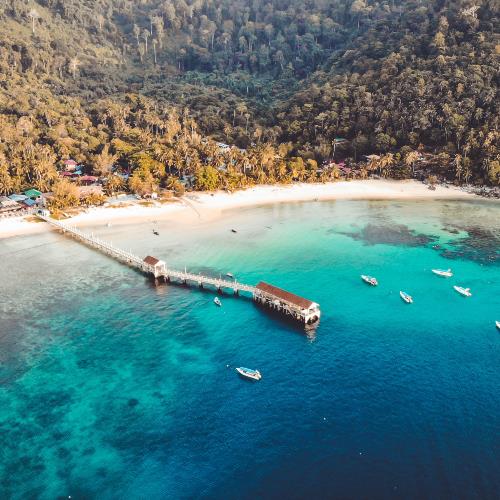
Colonial Malaysia with the island of Tioman
Penang, Kuala Lumpur, Tioman, Melaka - We invite you on a journey to the cosmopolitan, colourful and flavourful Malaysia, as well as the most diverse cultures! First, the culinary and cultural capital of the country - Penang, then the vibrant melting pot - Kuala Lumpur, after whose chaotic rhythm you will relax on the white, sandy beaches of the unspoiled island of Tioman.
MALARIA IN MALAYSIA
The risk of malaria infection in larger cities and popular tourist destinations such as Kuala Lumpur, Penang and Langkawi is generally low. However, the risk is high in some regions of Malaysian Borneo, such as Sarawak and Sabah, where there are rainforest regions. For those travelling to areas at increased risk of infection, malaria prophylaxis in the form of tablets is recommended, which should be started before departure, continued during the stay and after return. Drugs such as Malarone, Doxycycline or Lariam are often used for malaria prophylaxis, but the choice of drug should be made after consulting a doctor.
In addition to pharmacological prophylaxis, precautions are also recommended to avoid bites from mosquitoes, which are malaria vectors. These include using repellents, wearing long-sleeved and long-legged clothing, and using mosquito nets and air conditioning in places to sleep.
DENGUE – DOES IT OCCURRENCE IN MALAYSIA?
Yes, dengue is a disease that occurs in Malaysia. The risk of infection is higher during the rainy season, which in Malaysia may vary depending on the region. Symptoms of dengue may include fever, headache, joint and muscle pain, nausea and vomiting, and in more severe cases, complications such as bleeding and shock may occur. There is no specific treatment for dengue, and treatment mainly consists of relieving symptoms.
If you’re planning to travel to Malaysia, it’s worth taking some precautions to minimize your risk of contracting dengue. These include using DEET-based repellents, wearing long sleeves and long pants, and avoiding areas with high mosquito density when possible. Some regions in Malaysia have mosquito control programs and educational campaigns to reduce the spread of dengue, but despite these efforts, the risk of infection still exists. It’s always a good idea to consult your doctor before you travel and get the latest information on the epidemiological situation in your region.

Exclusively Wild Borneo
Kuala Lumpur, Borneo - Out-of-this-world beaches, funny orangutans living in the jungle, and at the same time a cosmopolitan metropolis, juicy rambutans and durians and a cuisine that we can boldly say is full of a wealth of original, diverse flavors!
WHEN TO GO ON HOLIDAY TO BORNEO?
The island has two main seasons: dry and wet. The dry season, which runs from May to September, is usually considered the best time to visit Borneo, especially if you plan on doing outdoor activities like hiking, diving, or wildlife watching. Temperatures are more moderate and the risk of precipitation is much lower.
The rainy season, from November to March, brings heavy rainfall, especially in the afternoons and evenings. However, this does not mean that travel during this time is impossible. In fact, the rainforests are full of life at this time, and many species of plants and animals can only be observed during this time. Additionally, there are fewer tourists at this time, which means fewer crowds and lower prices.
LANGKAWI – WHEN TO GO?
Langkawi, a popular tourist island in Malaysia, is located in the Andaman Sea and is known for its beautiful beaches, luxurious resorts and numerous tourist attractions, such as the Langkawi Geopark and SkyCab Cable Car. As with most tropical destinations, Langkawi has two main weather seasons: dry and wet.
The dry season lasts from November to April and is considered the best time to visit Langkawi. The weather is the most stable during this time, with the least rainfall and moderate temperatures. This is the ideal time to enjoy the beaches, dive, sail and explore. However, prices during this time tend to be higher and tourist attractions can be more crowded. Langkawi's wet season, which usually begins in May and lasts until October, is characterized by higher humidity and frequent, although usually short-lived, downpours. While this is a time when you can expect lower prices and fewer crowds, certain activities, such as sea trips, may be limited due to the weather.
CAMERON HILLS – WHEN TO GO?
Cameron Heights (Cameron Highlands) is a region in Malaysia known for its cooler climate, picturesque tea plantations, flowers and vegetables, as well as a variety of wildlife and hiking trails. It is a popular destination for both tourists and Malaysians looking to escape the hot and humid climate of the lowlands. Generally, the best months to visit are February, March and April, when the weather is relatively stable and dry, and temperatures are moderate. This is an ideal time for walking through tea plantations, hiking and observing wildlife.
Although the wet season in the Cameron Highlands, which usually runs from November to January, isn’t as intense as in other parts of Malaysia, it can make some outdoor activities difficult and hiking trails muddy. However, if you prefer less crowded attractions and lower prices, traveling during this time may be for you. Keep in mind that the landscapes are much more lush and lush during the wet season.
If you are a flower lover, it is worth noting that different species bloom at different times of the year. For example, flowers such as roses, lavender, and chrysanthemums bloom for most of the year, so if you want to see them, you probably won't have a problem choosing a time.

Borneo Jungle, Orangutans and Beaches
Kuala Lumpur, Sandakan, Bilit, Kuching - Equatorial jungles, pristine beaches, hundreds of exotic fruits, wild animals - make it the quintessence of all Asian countries. You will discover here a truly explosive mix of attractions, customs, and above all... exquisite cuisine!
TRANSPORT IN MALAYSIA – HOW TO GET AROUND?
Transport in Malaysia is quite diverse and offers many options for getting around, both within cities and between different regions of the country. Trains, buses, taxis and car hire are just some of the available means of transport. When it comes to large cities like Kuala Lumpur, there is a well-developed public transport network, including the metro (LRT), monorail and buses. Taxis and ridesharing services like Grab are also common and relatively inexpensive. However, it is worth making sure the taxi driver turns on the meter or negotiating the price before starting the journey.
For longer intercity journeys, buses are one of the most economical options. They are usually well-equipped and comfortable. Trains are also popular, especially for travel to the north and south of the country, with options varying in comfort and price. Malaysia also has several airports, making it easy to travel quickly over longer distances.
If you prefer more freedom, renting a car is also an option, although you should remember that Malaysia drives on the left. The roads are generally in good condition, but the driving style can be a challenge for some people. If you are planning a trip to Borneo, renting a 4×4 may be necessary depending on your destination.
For sea travel, there are several options such as ferries and boats which are mainly used for inter-island travel, for example from Peninsular Malaysia to Langkawi or from Kota Kinabalu to the islands around Sabah.
When going on holiday with a travel agency Planet Escape, you can count on an exceptionally comfortable form of travel – a private driver will be at your exclusive disposal. You will not have to worry about public transport timetables or negotiating prices with taxi drivers. The driver who is at your disposal will provide fast and safe transport to hotels or airports, which will allow you to focus on the travel experience itself. Thanks to this service, you can make the most of your time spent on vacation without worrying about logistics.
HOW TO PREPARE FOR A HOLIDAY IN MALAYSIA – CARDS, CURRENCY, ATMS
In Malaysia, the official currency is the Malaysian Ringgit (MYR), and cash can be withdrawn from numerous ATMs located throughout the country. ATMs are readily available in cities, airports, and popular tourist spots. In rural areas, access to ATMs may be limited, so it is a good idea to bring cash just in case.
When it comes to payment cards, Malaysia is relatively modern and many places accept cards. Major chains such as Visa and MasterCard are widely accepted, especially in hotels, larger shops and restaurants. Some smaller shops and stalls may prefer cash, so it is worth having some cash with you. It is a good idea to inform your bank of your planned departure before you travel to avoid having your card blocked due to suspicious foreign transactions. Additionally, it is worth checking what fees are charged for foreign transactions, both for ATM withdrawals and card payments. Some ATMs may also charge their own withdrawal fees, so it is worth finding out which bank offers the best conditions. When using ATMs and paying with a card, it is worth being careful and taking basic safety precautions, such as covering the keypad when entering your PIN and checking that the payment terminal has not been tampered with in any way.

Colonial Malaysia from the Kitchen
Melaka, Kuala Lumpur, Penang, Langkawi - A journey through colonial Malaysia for lovers of Asian cultures and cuisine! You will visit the charming, post-colonial town of Melaka, cosmopolitan Kuala Lumpur and the cultural and culinary capital of Malaysia, Penang, to end with a rest on the tropical island of Langkawi.
INTERNET AND TELEPHONES IN MALAYSIA
In Malaysia, telephone communication is generally good, with extensive infrastructure and wide network coverage. In larger cities and popular tourist destinations, coverage is usually not a problem, although in more remote areas, such as rural Borneo, coverage may be limited.
Here are some practical tips for using phones and the internet while trips to Malaysia:
- Buying a local SIM card: Once you arrive at the airport, the easiest and cheapest way to access the internet and telecommunications services is to buy a local SIM card. Carriers such as Maxis, Digi and Celcom offer different packages, which usually include unlimited calls and texts and a certain amount of data. Make sure your phone is unlocked so that it can be used with different SIM cards.
- Using Wi-Fi: Many places like cafes, restaurants, and hotels offer free Wi-Fi. However, the quality and speed can vary. When using public Wi-Fi, remember basic security rules, such as avoiding entering sensitive information.
- roaming: Roaming is usually much more expensive than buying a local SIM card. However, if you decide to use this option, contact your operator before you leave to find out about costs and any roaming packages.
- Communication applications: Using messaging apps like WhatsApp, Skype, or Viber can be a convenient way to stay in touch with family and friends without incurring additional costs. All you need is internet access.
- Security and privacy: When using Wi-Fi networks, especially public ones, it is a good idea to use a VPN (Virtual Private Network) for an extra level of security.
- Data storage and backups: It is always a good idea to have a backup of important documents and data in the cloud or on an external drive in case you lose your device.
- Plugs in Malaysia: In Malaysia, the most common type of electrical plug is the Type G plug, which is identical to those used in the UK. This is a plug with three rectangular pins arranged in a triangle.
IS MALAYSIA SAFE?
Malaysia is considered a relatively safe tourist destination, but like anywhere else in the world, there are certain risks that are worth being aware of and can be minimized with proper preparation and behavior. Malaysia is a country with a low level of organized crime, but petty crimes such as pickpocketing and purse snatching do occur, especially in crowded, touristy areas and big cities. That’s why it’s always worth being careful and keeping your valuables safe. Personal protection starts with simple steps: not leaving your bag on a chair in a restaurant, not carrying large amounts of cash, and always being careful in crowds.
When it comes to health, it is worth consulting a doctor before you go to decide whether any vaccinations are required. Malaria and dengue fever are present in some regions, so mosquito repellent is strongly recommended. Additionally, hygiene standards, especially when it comes to food and drink, can vary. Tap water is generally not recommended for drinking, and it is best to eat in trusted places.
Malaysia is a Muslim country and it is important to be aware of cultural norms and expectations, especially in terms of dress and behavior in public. It is also a good idea to avoid discussing political and religious topics that may be sensitive.
Scams and tourist traps are also common. The best defense is common sense and a skeptical attitude toward offers that seem too good to be true.
WHAT TO LOOK OUT FOR WHEN TRAVELLING TO BORNEO?
Borneo, shared between Malaysia, Indonesia and Brunei, is home to some of the most diverse ecosystems in the world, and its wild and unexplored landscapes are a destination for many travellers and nature lovers. However, as with any region with unique character and diversity, there are certain risks associated with travel. When it comes to crime, Borneo is generally considered a relatively safe place, especially compared to other regions of Southeast Asia. Of course, as with anywhere, basic precautions are advised, such as not leaving valuables in plain sight and avoiding dangerous areas after dark.
In terms of health, it is advisable to consult with your doctor before traveling to Borneo to determine if any vaccinations are required. Malaria and dengue are rare but not unknown, so it is always a good idea to be prepared and use mosquito repellent.
INSURANCE
When you go on holiday with Planet Escape, you don't have to worry about the additional costs of health insurance - it's already included in the price of your trip. Health insurance is one of the most important things to take care of before going abroad, and thanks to Planet Escape's offer, you don't have to worry about it anymore. Often, travellers know that even the best-organised holidays can be exposed to various unexpected situations, from minor injuries to serious medical emergencies. With health insurance already included in the package, you can travel with a sense of peace and security, knowing that you will receive the necessary medical care if necessary.
Furthermore, Planet Escape travel agency cooperates with a renowned insurance company - Signal Iduna, which guarantees a high standard of services provided. From the moment you cross the border, throughout the duration of the trip, you are covered by comprehensive protection, which will allow you to fully relax and enjoy your planned vacation.
CUSTOMS IN MALAYSIA – WHAT TO PAY ATTENTION TO WHEN TRAVELLING?
Malaysia is a country with a rich cultural mosaic, where Malays, Chinese, Indians and other ethnic groups live side by side. This cultural diversity makes it a fascinating country to visit, but it also requires travelers to be sensitive to local customs and traditions.
Malaysia is a Muslim country, so it is worth paying attention to appropriate clothing, especially in religious places. For women, it is recommended to wear long skirts or trousers and avoid revealing clothes, especially in small towns and villages. However, this is not a rule for the entire country; in large cities such as Kuala Lumpur, the style of dress is much more diverse.
The traditional greeting in Malaysia is "salam sejahtera," but travelers are often greeted with the standard "hello." It's important to note that some forms of physical contact, such as shaking hands, can be interpreted differently depending on the cultural and religious context. For example, conservative Muslim women may prefer to avoid physical contact with men who are not their relatives.
When it comes to food, it’s worth knowing that many dishes are halal, meaning they’re acceptable for Muslims to eat. Alcohol is available, but its consumption is restricted in certain places and circumstances. Furthermore, public drinking is generally frowned upon.
When visiting private homes, it is good practice to remove your shoes before entering. Potentially controversial topics such as religion or politics are avoided during conversations. If you are invited to a function or meeting, being late is considered disrespectful, so be punctual.
The differences in customs can be more subtle and depend on the region you are traveling to, but it is always a good idea to be forewarned and respect the local culture. It will make your Malaysian trip not only more enjoyable but also much more educational.
WHAT TO BRING FROM MALAYSIA AS A SOUVENIR?
Malaysia offers a wealth of unique souvenirs that reflect the cultural and natural richness of this fascinating country. If you are looking for authentic products, you may be interested in batik, a traditional technique of painting on fabrics, popular especially on the eastern side of peninsular Malaysia and in Langkawi. Batik products are available in the form of scarves, dresses, shirts and other clothing items. Bamboo and rattan handicrafts are also common, and woven baskets, mats and furniture are not only beautiful but also practical. Wooden carvings and masks are also common and can be great souvenirs reflecting local traditions and beliefs.
Malaysia is also known for its cuisine, so it is worth considering buying local spices, sauces or teas. For example, soy sauce produced in Malaysia has a specific taste and can be a great addition to the home pantry. In addition, chocolates with the addition of exotic fruits or teas with different aromas are easy to pack and are very popular.
If you are a jewellery lover, it is worth paying attention to products made of local silver and gold. Beautiful pearls are also produced in Malaysia, so this could be a good opportunity to buy a unique necklace or bracelet.
Remember that when choosing souvenirs, it is worth paying attention to their origin and making sure that they are not made from endangered plant or animal species.
WHAT CANNOT BE EXPORTED OUT OF MALAYSIA?
Certain items and substances cannot be exported from Malaysia, and failure to comply with these restrictions can result in severe legal consequences. Here are some examples:
- Drugs: Malaysia has strict laws regarding drugs and their export. Possession, trade or export of drugs are severely punished, and in extreme cases, the death penalty.
- Products from endangered species: It is illegal to export products made from endangered species of animals and plants, including ivory, snakeskin, and sharkskin. These restrictions are in line with the CITES convention, which regulates international trade in wild animals and plants.
- Cultural and historical heritage: The export of antiques and objects of historical or cultural significance is usually prohibited without appropriate permits.
- Weapons and ammunition: Weapons and ammunition may not be exported without special permission.
- Military items: The export of any products or materials with potential military use is prohibited without appropriate permits.
- Plants and seeds: Some plants, seeds and plant products may be prohibited for export due to a threat to vegetation in another country. It is always a good idea to consult the appropriate authorities on this matter.
- Medication: Some medications, even if available over the counter in Malaysia, may be controlled in other countries. Make sure you have the proper documentation if you plan to export them.
FOOD IN MALAYSIA. WHICH MALAYSIAN CUISINE SPECIALITIES SHOULD YOU TRY DURING YOUR HOLIDAY IN MALAYSIA?
Malaysian cuisine is a fascinating mix of cultural influences, including elements of Chinese, Indian, Thai and Javanese cuisine. It is a true paradise for food lovers, offering a rich palette of flavors and aromas. Below are some dishes and snacks worth trying during your trip to Malaysia:
- Our lemak is the national dish of Malaysia and an absolute must-try. This simple but exceptionally tasty dish consists of rice cooked in coconut milk, served with anchovies, peanuts, hard-boiled eggs, cucumbers and spicy sambal sauce.
- Satay is another popular dish, consisting of grilled pieces of meat (usually chicken, beef or lamb) served on bamboo sticks. Satay is usually served with a spicy peanut sauce.
- Roti canai is an Indian bread that has become one of the most popular delicacies in Malaysia. It is a soft, stretchy bread that is usually served with dhal (a spicy lentil sauce) or other sauces.
- Char kway teow is a fried noodle dish with shrimp, egg, sausage and various vegetables. It is one of the most popular Malaysian fast food.
- Rendang is one of the most famous Malaysian dishes, especially among Indonesian cuisine lovers. It is a dish based on meat stewed in a thick, spicy coconut milk sauce.
If you are a lover of exotic fruits, Malaysia offers a wide range of exotic fruits such as durian, mangosteen and rambutan. It is also worth trying the local coffee and tea, especially teh tarik, which is a milk tea that is “drawn” by pouring it from one container to another, which gives it a characteristic froth.



November 4, 2026
November 2, 2026
October 30, 2026

October 28, 2026
recent posts
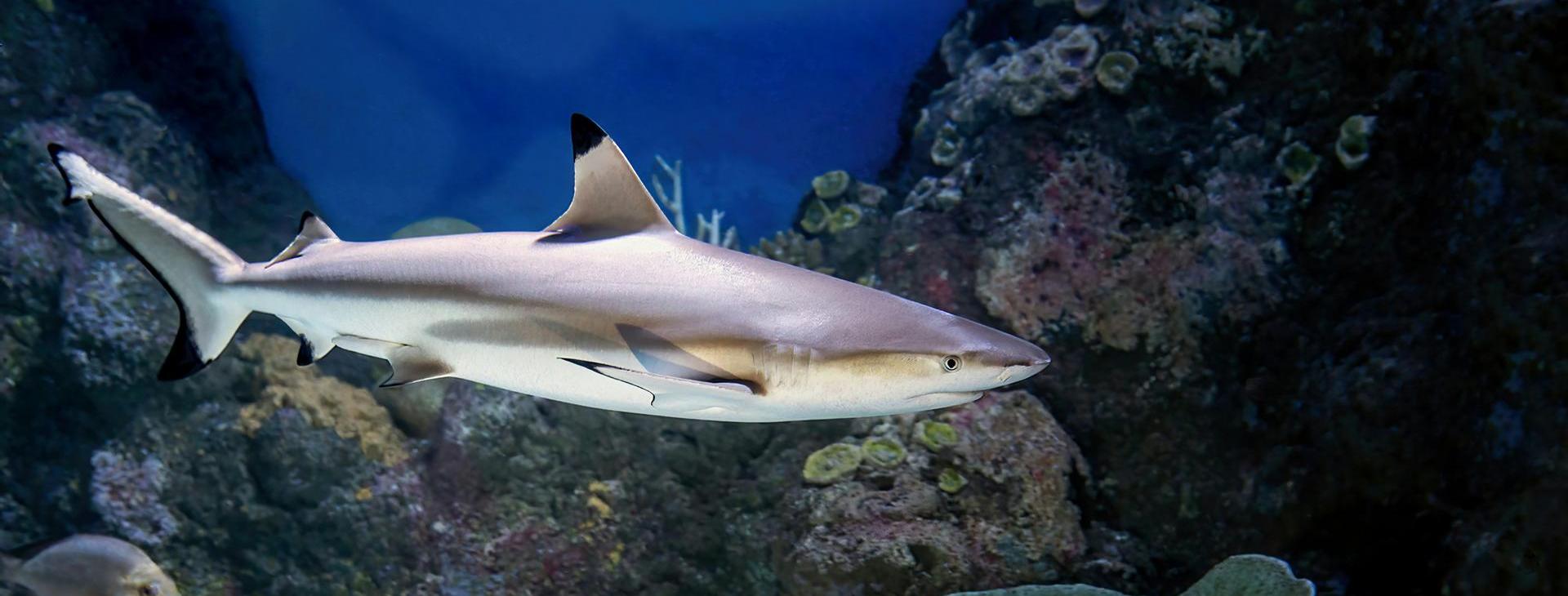 The best diving spots in the world – where to go? November 6, 2026
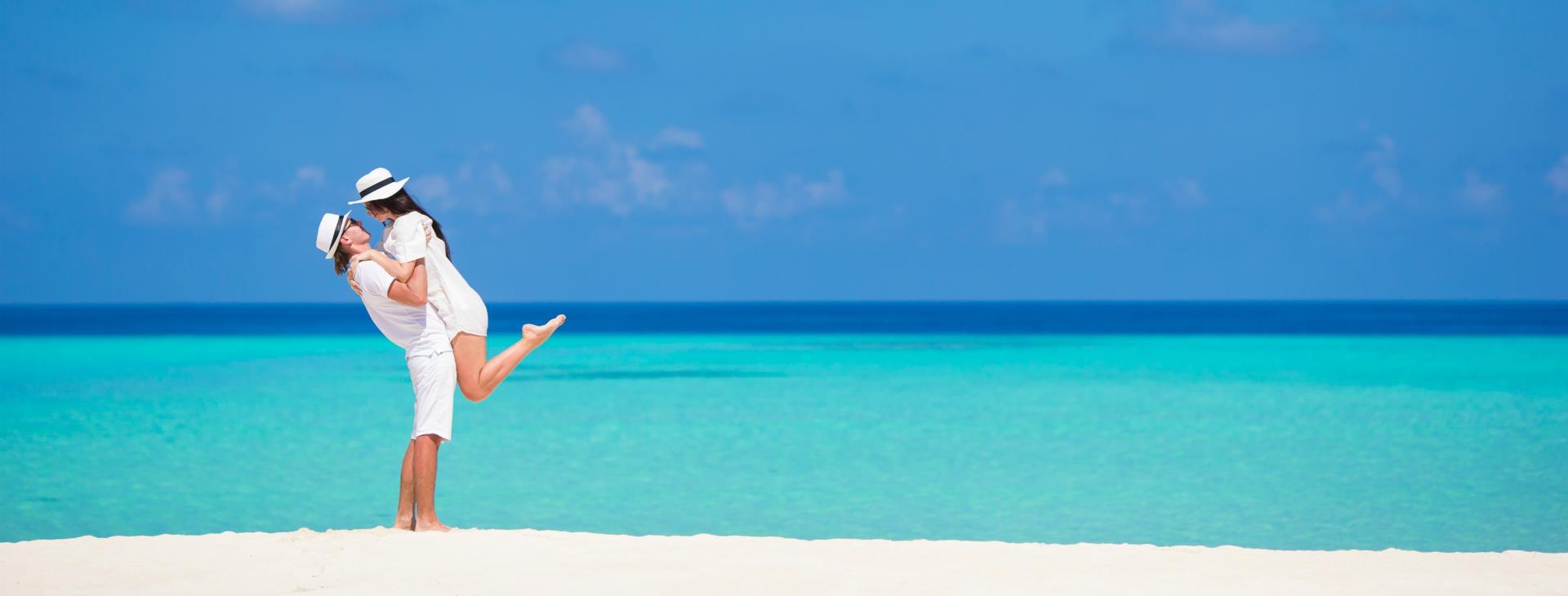 Wedding abroad – what should you remember? November 5, 2026