
Get inspired and read about your dream trip on the blog
How to travel responsibly?
July 10, 2019
Want to go on an exotic journey, experience a new culture, try local cuisine and see tropical animals? It's time to turn your dreams into reality! But before you do, consider whether you know how to travel responsibly? Find out how to ensure that your adventure of a lifetime does not negatively affect the lives of people and animals living in the country you visit.
Exotic vacation it is a time of carefreeness and blissful relaxation, intense impressions and unforgettable adventures. However, even during them, it is worth thinking about how your decisions will affect the lives of local residents and what impression you will leave behind. Responsible travel is about having the least possible impact on the places you visit and behaving the way you want tourists to behave when visiting the place where you live.

Choose only proven centers where you can be sure that animals are not harmed.
You will say "stop!" to animal abuse
Elephant ride during Thailand holidays, bullfights in Spain, snake charmers and monkey trainers in India, dolphinarium shows – all this seems like innocent entertainment, but in reality it is paid for by enormous animal suffering.
The elephants' backs are not designed to carry heavy benches with tourists, especially since they are placed at the point of greatest curvature of the spine. They work for many hours, regardless of the heat. In addition, in order for the animal to carry tourists on its back without protest, it must undergo brutal training at a very young age. This is called Phajaan, or "breaking the spirit". The baby elephant is placed in a tight box so that it cannot move. There is no access to food or water. It is constantly prodded and not allowed to sleep. Then its future caretaker approaches the baby elephant and gives it water, food, and then sets it free. He did not participate in the torture, so the animal begins to treat him as its savior and gives him unconditional trust. However, he is also able to scold it painfully when it does not perform its task correctly.
In Thailand, you can also try shark fin soup. Does that sound interesting? Unfortunately, the method of obtaining this ingredient is not so interesting. A caught shark has its fin cut off and is thrown (still alive) back into the water, where it slowly dies.
Don't expect street performers presenting dancing cobras or trained monkeys to care for their animals. Snakes have their fangs removed and are kept in a tight basket. Monkeys, on the other hand, are taught obedience and tricks through brutal training. Their teeth are also often pulled out so they can't bite their trainers in self-defense. Baby monkeys are usually taken from the jungle—they are taken from their mothers when it's too early. Most of their owners care for them as long as they bring in money. Although Indian law prohibits both of these practices, they still thrive in the country's tourist destinations.
Unethical attractions involving animals also include cockfights and bullfights. If you want to be a responsible tourist, avoid these types of entertainment during your exotic trip. The fewer people willing to pay for these questionable attractions, the less profitable it will be to organize them.
Does responsible travel mean that you can't admire wild animals up close during your tropical vacation? Of course not! Just learn more about it before you go and choose a place where animals are not harmed. Examples of such centers include the Elephant Nature Park in Thailand, which deals with the recovery of elephants rescued from the wrong hands, or orangutan orphanages in Borneo. You can also participate in a bloodless safari in Africa (you're just hunting for photos!) and walks through national parks. If you're going on a trip with Planet Escape, you don't have to worry - we make every effort to ensure that all the attractions we offer to our clients are pet-friendly.

Remember to treat representatives of other cultures with respect!
Avoid the "human zoo"
We have always been fascinated by otherness – other cultures, customs, other people with different looks… No wonder we want to see how people completely different from us live. An example of this is the Karen tribe villages in northern Thailand. They are famous for the decorations that women wear around their necks. The metal rings make their collarbones sink and their necks seem unnaturally long. Tourists from all over the world flock there to see them. However, the ethical aspect of tribal tours remains questionable. The villages visited are often treated like a “human zoo”. Hundreds of tourists arrive every day, without asking, take pictures of the residents dressed in traditional costumes, see their houses and leave. Visitors forget that the people living there deserve respect, they treat them like an exhibit in a museum or animals in a zoo. The villagers are supposed to look as exotic as possible and shock the tourists as much as possible – so they often wear elements of costume from different cultures or tribes. Souvenirs sold as traditional, local products also often come from other regions or even from mass production. They are intended to appeal to tourists and bring in the highest possible profit.
A visit to a tribal village doesn't have to be like that. There are travel agencies that organize multi-person tours that allow you to better understand the tribal culture, interact with the people and learn about their customs. Carefully conducted tourism can benefit these villages, allow their inhabitants to preserve their distinctiveness and improve their quality of life. So if you want to travel responsibly and visit a local tribe, you need to choose carefully how to do it. The best way to do this is to read various reviews on the Internet and check what guidebooks recommend. You can also go to vacation with Planet Escape. This way you can be sure that your trip will be completely ethical.
Even if you don't plan on going on trips to tribal villages, remember to treat representatives of other cultures with respect. Tourists sometimes lose their heads at the sight of Indian women in saris, meditating ascetics or traditionally dressed Peruvians and, without asking or showing the slightest embarrassment, start taking pictures of them. They peek into their homes or, looking for a good shot, disrupt religious ceremonies in temples. So before you point your lens straight at someone you meet, put yourself in their shoes for a moment. It's always worth asking for permission to take a photo and respecting any refusal. You can also show your model the results of your work - maybe you'll make them a little happy.
When visiting another country, remember that you are a guest there and you must adapt to the customs there. Be respectful towards the locals – just because you come from a more developed country does not mean you can feel superior to them.

If you would like to help children you meet while travelling, it is best to contact a local charity organisation.
Think before you give your child money
A tourist from the West often appears to the poor inhabitants of the countries they visit as an extremely privileged and wealthy person. It is no wonder that they attract the outstretched hands of beggars, both the old and the sick, as well as children. The youngest ones in particular, as well as women with small children, break the hearts of travelers. However, behind them are often "guardians" to whom all the money goes. Sometimes they mutilate their charges so that they arouse the greatest pity and bring in greater profits. In this way, instead of helping the child, you only fuel the business that exploits and destroys it. Even if the children are not involved in such an organization, giving them money does not bring long-term benefits. It confirms their belief that this is a good and only possible way for them to earn money.
When you hand out small gifts, candy or pens, it may turn out that other children will come running to you and not everyone will have enough gifts. At best, it will end in disappointment, at worst - a fight and attempts to snatch the gifts from each other.
If you want to help children you meet while traveling, the best thing to do is to contact a local charity. To choose the right one, search the Internet for information and ask your hotel staff for help.
Of course, there are no rules. As I write this text, I have before my eyes two Indian boys who, in a village somewhere on the road from Srinagar to Leh, asked me for “ten rupees”. However, I gave them each a colored pen. They immediately grabbed the papers lying on the ground and started drawing. A week later, the rest of the pens were torn from the bag attached to my belt. There were not enough for all the children, and I almost had to run away from the embittered little ones. Sometimes I also managed to make them happy in other ways – with a group photo, a game, or a conversation and interest.
“Begpacking” – a harmful trend in tourism
Exotic journeys, especially those lasting several months, cost money, and not a little. However, some people have decided to embody the archetype of a romantic wanderer traveling the world without a penny in their pocket. The so-called begpakersi (a combination of the words beg – to beg and backpackers – a tourist traveling independently and on a low budget, usually with a backpack), also known in Polish as żebroturystyka, buy a ticket abroad (usually to Asia) and set off without any financial resources. They collect money for their continued journey and subsistence on the street – by playing, singing, selling their handicrafts and photos printed as postcards, or simply asking passers-by for help. Then they often gush on social media about the kindness and friendliness of the locals. Traveling “for free” has become fashionable. Begpackers often carry electronics worth much more than a local family’s monthly income, come from more developed and wealthier countries than their donors, have stronger passports and in many ways much greater opportunities. However, this does not stop them from asking for help from both locals and other tourists.

When you go on holiday, learn a few phrases in the language of the country you are visiting. This will show respect for the other culture and bring joy to the locals.
Respect other cultures
If you are going on an exotic trip, take a moment to familiarize yourself with the culture and customs before you leave. Many completely natural behaviors and gestures in another culture can be perceived as offensive. For example, being on trip in Vietnam and Cambodia, it is important to remember that you should not offer white flowers or gifts in white packaging – it is reserved for funerals. Thais consider it an insult to show the soles of your feet or pat a child on the head. Indians and Indonesians, on the other hand, consider the left hand to be unclean. You may also encounter unpleasantness for entering a Hindu temple with your shoes on or taking pictures where it is forbidden. Learning about a foreign culture will also have a positive effect on you – it will enrich your experience and broaden your horizons.
When going on an exotic vacation, you can also learn a few expressions in the language of the country you are visiting. Of course, you don't have to learn a different alphabet or the entire grammar, simple words like "hello" or "thank you" will be enough. In this way, you will show respect for another culture and make the locals happy. Therefore, if you decide to journey with Planet Escape, in a specially prepared guide for you, you will find basic phrases in the languages of the countries you will visit. In our Escape Books, we also include the most important information about the history, culture and customs of the countries you will visit during your vacation.

It is very important to take care of the environment while traveling!
Take care of the environment while traveling
Tourists on exotic vacations often leave behind a lot of garbage, in addition to making an unpleasant impression on locals. Although an ecological lifestyle and even the "zero waste" philosophy have recently become very popular, many people forget about them while traveling. Meanwhile, with a small amount of effort and money, you can take care of the environment while on vacation.
Many people take mini cosmetics in plastic packaging with them on their travels. They are light, handy and convenient. However, buying products in small-capacity packaging is very harmful to the environment, because it generates more waste. It is worth buying a set of bottles that you can use multiple times, pouring cosmetics from larger packages into them. You can take a bottle with a filter to countries where you can drink tap water. This way, you will reduce the amount of plastic you throw away and you will be sure that the water you drink is clean and will not harm you.
You can also take care of the environment while traveling in an even simpler way - turn off the lights and air conditioning in your hotel room when you leave it, give up changing towels or bed linen every day, take a shower, not a bath. Under no circumstances leave trash behind on the beach, in the forest or on the street.

Market in Chichicastenango, Guatemala. We encourage you to visit such local places during your travels!
Spend consciously
During your vacation, you will certainly visit various restaurants and try local flavors. After all, this is also what getting to know a foreign culture is all about. However, before you choose a place to eat, think for a moment. Responsible traveling also means supporting local entrepreneurs. So choose a local restaurant instead of a restaurant belonging to a popular chain. This will also benefit you - because it is in such places that you will find the most authentic flavors and atmosphere.
Also, pay attention to the souvenirs you want to bring back from your vacation. Buy local products rather than mass-produced souvenirs. Avoid any items made from the skins, horns or bones of protected animals. It is a crime to transport such items, so this is important not only from an ethical perspective, but it can also protect you from legal consequences.
Responsible travel is not difficult, but it does require proper preparation. Before setting off on an exotic vacation, familiarize yourself with basic information about the country you are visiting and its culture (you can also find it on our blog). Also, read the reports and advice from other travelers about popular attractions. This way, you will not only avoid any faux pas, but you will also be sure that your trip will be fully ethical!


October 9, 2026

October 7, 2026

October 6, 2026

October 5, 2026
recent posts
 Honeymoon trip to Portugal October 12, 2026
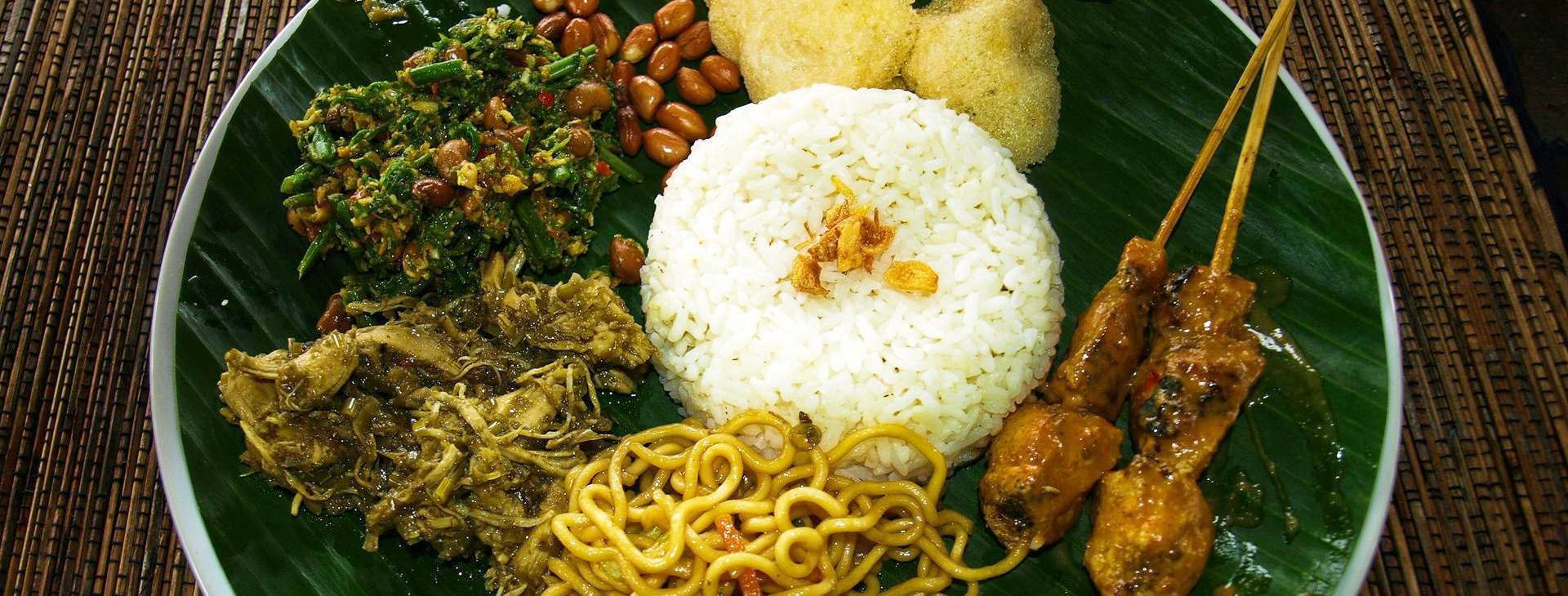 Cambodian cuisine – what is worth trying? October 9, 2026
- Safety in Ecuador. Is Ecuador safe? October 9, 2026