
Get inspired and read about your dream trip on the blog
How long is the flight to New Zealand? How long does it take to fly to New Zealand?
July 15, 2025
A flight to New Zealand is the beginning of an adventure that begins even before you leave Europe. This isn't just any trip—it's a journey you plan with emotion and excitement. Somewhere, on the other side of the globe, a country unlike any other awaits: islands brimming with space and unspoiled nature, enchanting with every detail. And that's why it's worth asking yourself: how long is the flight to New Zealand to properly prepare for this unique journey. It's no secret that it's one of the most remote destinations from a Polish perspective, but don't let the travel time deter you—extraordinary landscapes, picturesque fjords, and rich Maori culture await you. And when you finally feel the New Zealand air, see green hills, the ocean, and expanses as far as the eye can see, you'll understand that flying so far was worth it.
Flight duration to New Zealand
Due to the lack of direct flights from Poland, traveling to New Zealand always involves at least one, and often even two, transfers. The first leg is a flight from Warsaw to one of the major European or Asian hubs—e.g., Dubai, Doha, Singapore, or Frankfurt. This leg typically takes 2 to 7 hours. After a shorter or longer wait at the transfer airport, the longest part of the journey awaits: an intercontinental flight to Auckland, Wellington, or Christchurch. This leg takes an average of 16 to 18 hours, depending on the route, the chosen carrier, and weather conditions. As a result, the total travel time from Poland to New Zealand, including transfers, can range from 24 to even 35 hours. The length of the layover and how the entire route is planned are crucial. It's worth remembering that New Zealand lies in a different time zone, so the time difference and jet lag can further increase the perceived travel time.

From North to South
New Zealand | Auckland, Matamata, Rotorua, Christchurch, Mt. Cook, Wanaka, Queenstown, Milford Sound, Franz Josef, Punakaiki, Greymounth, Kaikoura
Flight to New Zealand – direct or with transfers?
When planning a trip to New Zealand, you should expect a long flight and transfers, as there are currently no direct flights between Poland and New Zealand. The journey most often begins at Warsaw Chopin Airport. From there, you depart for one of the major hubs – in Europe, Asia, or the Middle East. The most popular flights among Polish travelers are with Emirates (with a transfer in Dubai), Qatar Airways (Doha), Etihad Airways (Abu Dhabi), and Singapore Airlines (Singapore). Transfers are also possible at European hubs such as Frankfurt, Amsterdam, or London. The most convenient and most frequently chosen routes are single-stop flights, such as Warsaw–Doha–Auckland. However, such connections are limited and often more expensive, so they aren't always available at convenient times. For this reason, many travelers opt for a two-stop flight. Flights with two stops usually follow the pattern: Warsaw – European hub – Asian or Middle Eastern hub – New Zealand. For example: Warsaw – Frankfurt – Singapore – Auckland. While this route means longer travel times, it often offers greater flexibility in choosing dates and lower ticket prices. The total travel time from Poland to New Zealand, depending on the route and waiting times at airports, is typically 24 to 35 hours. The flight from Europe to New Zealand itself takes approximately 22–25 hours in the air, so comfort during stops is crucial. It's worth carefully checking the planned stopover time – too short can be stressful, while too long can be exhausting. The advantage of connecting flights – despite the longer duration – is the ability to break up a long flight into smaller stages. A longer stopover in Singapore, Dubai, or Doha can be an opportunity for a short sightseeing or rest.
Distance from New Zealand to Poland
New Zealand, located in the southwest Pacific Ocean, lies almost directly on the opposite side of the globe, making it one of the furthest possible travel destinations. The average straight-line distance between Warsaw and New Zealand's largest cities ranges from approximately 17 to 000 kilometers, depending on the destination. The closest is Auckland, New Zealand's largest city, which is approximately 18 km from Warsaw as the crow flies. Christchurch, located on the South Island, is a bit further away, at approximately 500 km. Wellington, the capital, is even further away, at approximately 17 km from Warsaw. In practice, however, neither of these routes is a perfectly straight line – the actual flight distance is longer due to transfers and established air routes.
Such a vast distance means not only a multi-hour flight, but also a significant time difference. Depending on the season, the time difference between Poland and New Zealand is +10 to +12 hours. New Zealand Standard Time (NZST, UTC+12) applies in New Zealand, and during the summer, New Zealand Summer Time (NZDT, UTC+13). When it's 10:00 a.m. in Warsaw, it might be 20:00 or 21:00 p.m. in Auckland, depending on the season.

Visiting the land of Hobbits
New Zealand | Auckland, Coromandel Peninsula, Rotorua, Napier, Wellington, Nelson, Paparoa National Park, Westland National Park, Queenstown, Lake Te Anau, Dunedin, Christchurch
New Zealand's most popular destinations
Travelers from Europe have several major airports to choose from as international gateways to New Zealand. The most important are the airports in Auckland, Christchurch, and Wellington, each with its own specific importance and role in the country's transportation system.
The largest and most frequently used airport by passengers from Europe is Auckland Airport, New Zealand's main airport, located on the northern tip of the North Island, near the country's largest city. Auckland It handles over 70% of all international arrivals and departures, and also boasts an extensive domestic network. For many travelers, this is where their New Zealand adventure begins – from Auckland, you can easily continue your journey to other cities, both by air and road. The airport has two terminals – international and domestic – connected by a convenient shuttle service. Importantly, Auckland offers numerous flights from major hubs such as Dubai, Doha, Singapore, and Los Angeles, making it the most accessible destination from Poland and Europe.
The second major airport in New Zealand is Christchurch Airport, located on the South Island. It is the largest airport in this part of the country and the main point of arrival for those planning to visit the Southern Alps, Fiordland National Park, or the Otago region. Although the number of international flights is smaller than in Auckland, Christchurch It serves direct flights from destinations such as Australia, Singapore, Dubai, and occasionally East Asia. For many travelers, this is an ideal alternative if their goal is to explore the more rugged and mountainous parts of the country rather than the hustle and bustle of the city. Christchurch Airport is also known for its excellent organization and high level of passenger service.
The third major airport is Wellington Airport, serving the country's capital. Although smaller than Auckland or Christchurch, it plays a significant role in domestic air traffic and serves as a major hub for internal flights. International connections to Wellington are limited – most often, these are flights to Australia and occasionally to selected destinations in Asia. From the perspective of a European tourist, Wellington is rarely the first port of call, but very often it's on the route to continue your journey within the country. Due to its central location between the two main islands, Wellington is a convenient base for exploring both the north and south of New Zealand.
Apart from these three major airports, there are several smaller airports worth mentioning, such as: Queenstown, Dunedin and Hamilton, which serve mainly domestic traffic and select connections to Australia. They are popular mainly during the tourist season, especially among those planning active holidays such as skiing, trekking, or water sports.
What should you remember before flying to New Zealand?
Planning holidays in New Zealand, it's worth paying attention to every detail—from entry formalities to carefully packing your luggage. Due to the long distances, different seasons, and very restrictive customs regulations, preparing for such a trip requires a bit more attention than for closer destinations. What should you remember before flying to New Zealand?
- Entry and visa – Polish citizens planning a trip to New Zealand for a period of no longer than three months must register in advance with the electronic travel authorization system. This requires obtaining an NZeTA (New Zealand Electronic Travel Authorization), which must be purchased before departure by completing the form available on the website. www.immigration.govt.nz/nzetaThis permit is valid for two years and costs NZ$23, or NZ$17 when paid via the mobile app. Additionally, the NZ$35 International Visitor Conservation and Tourism Levy is automatically added as part of the registration process. To successfully complete the registration process, you will need a valid passport, credit card, email address, and a recent photo. Please ensure your passport is valid for at least three months beyond your planned departure date from New Zealand.
- Flight tickets and transfers There are no direct flights from Poland, so travel always involves one or two transfers – most often in Dubai, Doha, Singapore, Kuala Lumpur, or major European hubs. Make sure your transfers are comfortable – neither too short nor too long. It's also worth considering a stopover to rest before your onward flight.
- Health and vaccinations – There are no mandatory vaccinations, but it's a good idea to be vaccinated against hepatitis A and B, tetanus, and typhoid fever. Bring a first aid kit with basic medications, especially for headaches, diarrhea, allergies, and colds.
- Baggage and customs control New Zealand is known for its exceptionally strict regulations regarding the import of food, plant, and animal products. Anything that might pose a biological risk must be declared, even if it's pre-packaged. Failure to do so can result in significant fines.
- Climate and seasons New Zealand is located in the Southern Hemisphere, so the seasons are the opposite of those in Poland. Summer (December–February) can be very warm, but the weather is changeable – it's worth bringing both light clothing and rain gear. In winter (June–August), temperatures can drop below 0°C, especially on the South Island.
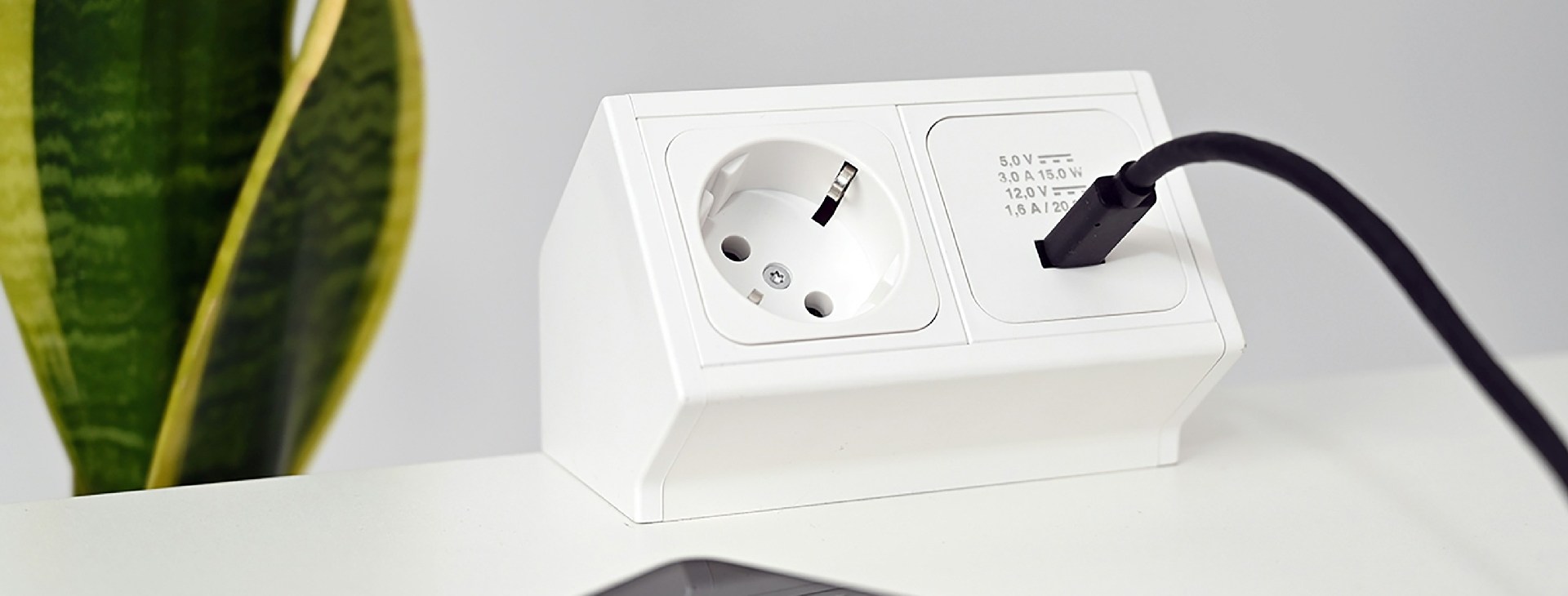
- Electricity and plugs – New Zealand uses 230/240V and Type I sockets, so you'll need an adapter. It's best to buy one before you leave.
- Internet and communications – Roaming is very expensive, so it's worth buying a local SIM card or eSIM with a data plan. Wi-Fi is available in hotels, airports, and many public places.
- Cash and payments – In New Zealand, paying by card is most convenient – terminals are widely available, even in small towns. However, it's worth carrying a small amount of cash (in New Zealand dollars – NZD) for emergencies. Contactless cards (e.g., Revolut, Wise) work without a problem.
- Environmental protection and tourist etiquette – New Zealand places great importance on protecting the natural environment. Respect nature, don't leave litter, don't feed wildlife, and follow the rules of travel in national parks. "Leave no trace" is an important principle of local travel ethics.
While flying to New Zealand is undoubtedly one of the longest air journeys, don't let the time in the air deter you from fulfilling your dream of visiting this extraordinary country. After many hours of travel, a world full of breathtaking landscapes, unique culture, and hospitable people awaits you. A well-planned route, comfortable transfers, and proper preparation will make even a long journey a part of the adventure. New Zealand is a place that compensates for every effort – you'll have no shortage of both experiences and memories.
When planning a honeymoon in New Zealand, it's worth exploring not only the country's romantic spots but also practical travel information. Among the main reasons couples choose this destination are its spectacular scenery. New Zealand attractions – from the fjords of Milford Sound, through the volcanic landscapes of Tongariro, to the picturesque beaches of the Bay of Islands. Equally important is New Zealand weather, which varies by region – the north is warmer and more subtropical, while the south offers a cooler, more mountainous climate. New Zealand security, the country is considered one of the safest in the world – both in terms of crime and sanitary and health conditions.


Weather and temperatures in Morocco - when to go on holiday?
Older post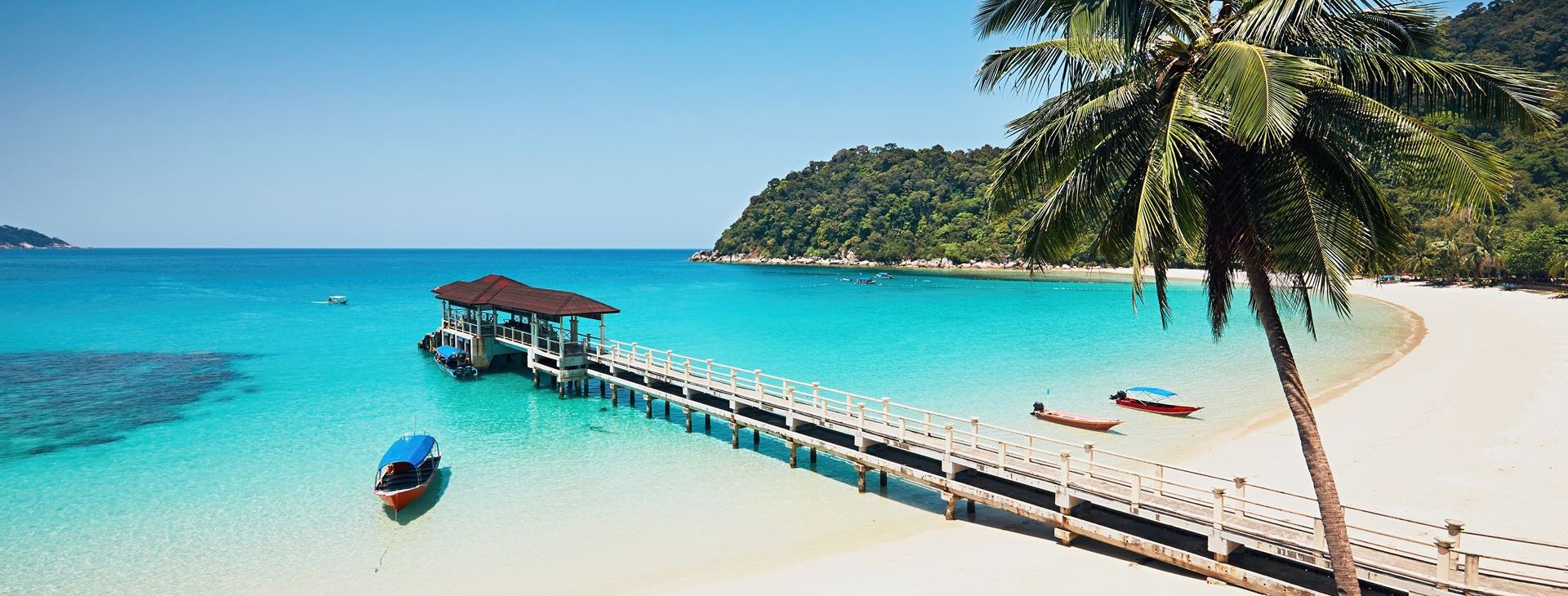
The Most Beautiful Beaches in Malaysia – Which Are Worth Visiting?
Newer post
November 12, 2026
November 9, 2026

November 4, 2026

November 2, 2026

October 30, 2026
recent posts
 Honeymoon trip to Morocco November 13, 2026
- International driving license – when is it needed? November 12, 2026
 The most beautiful lakes in Asia – where is it worth going? November 10, 2026