
Get inspired and read about your dream trip on the blog
How long is the flight to China? How long does it take to fly to China?
October 2, 2025
In front of you travel to china: Imagine boarding a plane in Warsaw, and after a dozen or so hours, you disembark in a completely different world – a country where traditional pagodas stand next to futuristic skyscrapers, and everyday life combines a thousand-year history with 21st-century modernity. A trip to China is not just a change of location on the map, but also a leap in time, culture, and space. However, before you smell Chinese cuisine, you'll see The Great Wall Or you're caught up in the pace of Shanghai, you'll have to face a practical question: how long is a flight to China? There's no single answer, as travel time depends on many factors – whether you choose a direct flight or decide to connect, which city you're going to, and the route the plane takes. You might spend a little less than ten hours in the air, or you could travel a dozen or so. The difference between a shorter and a longer option often lies in your choice of transfer location and destination airport. Therefore, it's worth knowing what your options are and what each entails to plan your trip well and avoid being surprised by the flight's length.
Flight duration to China
Flying to China requires careful planning, as direct flights from Poland operate only eight times a week. You'll need to prepare to first fly to one of the European airports with regular long-haul flights to Asia. This first leg typically takes two to three hours, depending on your departure point in Poland and your chosen connecting airport. From your connecting airport, the main leg of your journey awaits – a direct flight to China. This is the longest leg of the journey, taking an average of nine to eleven hours. This is where you'll spend the most time in the air, covering thousands of kilometers and several time zones.
The entire journey, from departure from Poland, typically takes between eleven and fourteen hours, not including waiting time at airports. This allows you to realistically estimate how long your trip to China will take and prepare accordingly. If you choose a direct flight, the journey time will be reduced to approximately nine hours.

Flight to China – direct or with transfers?
Flying to China is always a decision that requires weighing various options, and one of the most important is choosing between a direct flight and a connecting flight. If you manage to find a direct connection, for example, from Warsaw to Beijing, you have the simplest travel option – you hop on a plane and land in China in less than nine hours. This is a quick and convenient option, but not always available and usually more expensive, so many of you will have to choose a connecting flight.
A connecting flight means you'll split your journey into two or three legs. First, you fly from Poland to one of the major European airports serving intercontinental flights. The most popular destinations are Frankfurt, Paris, Amsterdam, London, or Munich – these cities are the main hubs, with regular flights to many Chinese metropolises like Beijing, Shanghai, and Guangzhou. This first leg usually takes no more than two to three hours, but it's only the beginning.
The next step is an intercontinental flight, where you board a direct flight to China. The difference in journey time compared to the direct option from Poland is mainly due to the additional distance to cover and the time spent at a connecting airport. In practice, this means the overall journey is several hours longer, but in return, you have many more departure times and dates to choose from.
You may also encounter routes that involve connecting flights outside of Europe. Popular destinations include Dubai, Doha, and Istanbul – these are large airports serving connections from around the world and specializing in flights to Asia. Choosing this route means similar travel times to connecting flights within Europe, but sometimes tickets are cheaper and connections are more accessible.

Distance from China to Poland
The distance from Warsaw to China's largest cities is impressive, as we're talking about several thousand kilometers each time. Beijing, as the crow flies, you have about 7,000 kilometers, which makes it one of the closest major Chinese centers. If you go further east, Shanghai, the distance increases to about 7,600 kilometers, and to Guangzhou, located in the south, it will be about 8,200 kilometers. When the goal becomes Chengdu, located in the western part of the country, you need to prepare for a distance of about 6,900 kilometers, and to Wuhan in central China you will travel about 7,400 kilometers. The furthest journey awaits you to Guangzhou and Shenzhen, located right next to each other in the Pearl River Delta – that's almost 8,200 kilometers as the crow flies. If you are planning a trip to Hong Kong, you'll have to cover a distance of approximately 8 kilometers, similar to Guangzhou and Shenzhen, highlighting how far south this city is in the country. All these numbers demonstrate the scale of the distance separating Poland from China, which, even on the shortest routes, exceeds 100 kilometers. Additionally, you need to remember the time difference – between Warsaw and China's largest cities, including Hong Kong, it's six hours in winter and seven hours in summer, as Poland observes daylight saving time, while China uses standard time year-round.

China – in the kingdom of the dragon and the phoenix
China | Beijing, Pingyao, Xi'an, Yangshuo, Shanghai
Most popular destination airports in China
When traveling to China, you have a wide range of airports to choose from, as the country is one of the world's largest transportation hubs. Hundreds of millions of passengers are served annually, and its largest cities boast airports with enormous capacity and modern infrastructure. Among them, several stand out as particularly popular destinations from Europe, including Poland.
The first and most important is Beijing Capital Airport (PEK). It's the main gateway to the Chinese capital and one of the busiest airports in the world. It has several terminals, and the third one—opened before the 2008 Olympics—was for years one of the largest facilities of its kind in the world. Flying to Beijing takes you to the political and cultural center of the country, from where you can easily travel to other Chinese cities. Beijing is also one of the few destinations in China served directly from Warsaw.
The second major airport is Shanghai Pudong International Airport (PVG). It's the main international airport in China's largest city and a business and financial center. Shanghai attracts millions of tourists and business travelers, making Pudong a key hub for global connections. Here, you'll find not only a wide range of flights but also one of the fastest maglev trains in the world, connecting the airport with the city center in just a few minutes.
Located in the south of the country is Guangzhou Baiyun International Airport (CAN). This airport serves the dynamically developing Pearl River Delta region, one of the largest industrial and commercial centers in the world. Flights to Guangzhou are often chosen by trade and business travelers, as the city is renowned for its trade fairs and exhibition centers.
Another popular airport is Hong Kong International Airport (HKG). Although Hong Kong has special administrative region status, for many travelers it serves as a natural gateway to southern China. This airport has long been considered one of the best-organized and most passenger-friendly in the world. Thanks to its excellent infrastructure and excellent connections to the city, you can quickly access Asia's key financial and commercial center.
In the west of the country, Chengdu Shuangliu Airport (CTU) is a key hub. It's the main airport in Sichuan Province and a central hub for southwestern China. Chengdu offers easy access to Tibet and other mountainous regions, and the airport is constantly expanding its international connections.

What should you remember before flying to China?
Traveling to China is a unique experience that requires thorough preparation – both in terms of formalities and the stay itself. To avoid any surprises, it's worth familiarizing yourself with a few key rules and country-specific details in advance.
- Travel documents – You need a passport valid for at least six months from the date of entry. If your trip will last less than 15 days, a visa is not required. Confirmation of your accommodation reservation, a return ticket, and health insurance will also be useful.
- Vaccinations and health – There are no mandatory vaccinations, but it's worth considering vaccinations against hepatitis A and B, tetanus, and typhoid fever. Also, remember to have good medical insurance – medical costs in China are high.
- Currency – The official currency is the renminbi (CNY). In large cities, you can pay by card, but in many places, mobile payments dominate (e.g., Alipay, WeChat Pay), so cash is still useful, especially in smaller towns.
- Internet and communications – you must remember the so-called Great Firewall. Popular services like Google, Facebook, and WhatsApp are blocked in China. If you want to use them, it's worth purchasing a reliable VPN service before your trip.
- Time difference – China uses a uniform standard time, shifted by +6 hours in winter and +7 hours in summer compared to Poland.
- Culture and friendship – In China, etiquette is paramount. Avoid loud criticism or political discussions, and during business meetings, remember to exchange business cards with both hands.
- Transport – Public transport in China is efficient, especially the high-speed trains connecting major cities. However, it's worth installing apps for booking rides, as language barriers are common in taxis.
- Language – The official language is Mandarin. In large cities, more and more people speak English, but in smaller towns, knowledge of the language is limited, so a translator on your phone is useful.
- Morning and night – Chinese cuisine is very diverse, but remember to drink only bottled water and avoid ice in drinks bought on the street.
- Shopping and payments – Many shops and restaurants prefer payment apps, and prices can vary depending on the region. You can haggle at markets, but in chain stores, prices are fixed.
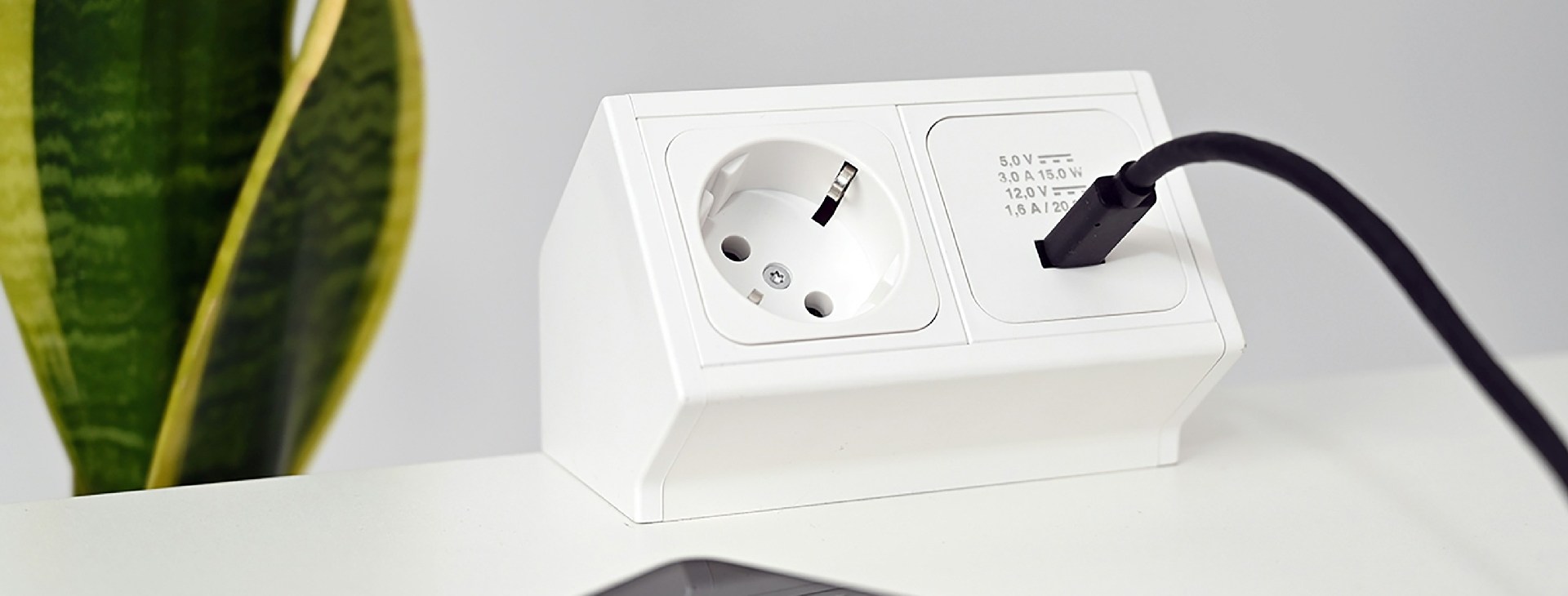
- Electricity and sockets – In China, type A, C and I sockets are used, so it is best to have a universal adapter.
When planning your trip, take this into account China's climate – from continental in the north, through humid subtropical in the center and east, to more tropical in the south. This tells you when it's best to visit specific regions and what attractions in China to include in your plan: Beijing and Xi'an are good choices in winter, Shanghai and Guilin in spring and autumn, and the south of the country and the coast in summer. Those who enjoy sunbathing will be delighted by the less obvious beaches in China – from Hainan Island to the bays around Shandong or Fujian; it's a good complement to intensive sightseeing of the Great Wall, mountain monasteries, or futuristic metropolitan districts. Before setting off, check the current health recommendations and consider vaccinations for China (e.g., against hepatitis A and B, tetanus, and typhoid fever), and also purchase medical insurance. This will make it easier to adjust your route to the weather, avoid unpleasant surprises, and fully utilize the potential of your trip.


Hotels in Nepal
Older post
How long is the flight to Finland? How long does it take to fly to Finland?
Newer post
November 12, 2026
November 9, 2026


November 4, 2026

November 2, 2026

October 30, 2026

recent posts
 Honeymoon trip to Morocco November 13, 2026
- International driving license – when is it needed? November 12, 2026
 The most beautiful lakes in Asia – where is it worth going? November 10, 2026