Get inspired and read about your dream trip on the blog
New Zealand Safety. Is New Zealand Safe?
May 29, 2025
Do you dream of a trip to a place where nature takes your breath away, people are warm, and everyday life flows in a rhythm of peace and harmony? New Zealand is a country that delights not only with landscapes straight from movie stories, but also with an exceptional sense of security. If you want a trip during which you can truly breathe - both physically and mentally - it's hard to find a better choice. Here, you can peacefully walk through the city streets even late at night, leave your backpack on the beach without constantly looking over your shoulder or hitchhike and meet with kindness, not suspicion. Crime is low, the infrastructure is solid, and the services - from the police to mountain rescuers - operate efficiently and with respect for tourists. What's more, New Zealanders really care about their surroundings and other people - this is not just a stereotype, but a real experience that visitors encounter. Of course, this does not mean that you can completely ignore the basic principles of caution. It is worth being prepared for changeable weather, respecting local rules of moving around in nature and knowing a few simple rules of behavior in the field. But one thing is for sure - you can focus on discovering, experiencing and delighting in every moment. New Zealand allows you to travel with an open heart and a calm head.
Safety rules for tourists visiting New Zealand
New Zealand – the land of hobbits, fjords and… safety. Yes, you read that right! If you are wondering whether New Zealand is safe, the answer is: definitely yes. But as is the case in life, even in paradise it is worth knowing a few rules to avoid getting into trouble!
The current security situation in New Zealand is very stable. Crime, especially against tourists, is low, and the local community is more likely to help than to cheat. This does not mean that you can completely let your guard down – petty thefts happen everywhere, especially in large cities or tourist areas. That is why it is always worth keeping an eye on your luggage, not leaving valuables in the car park (even in a charming bay overlooking the fjord) and keeping your documents in a safe place. If, despite your caution, you fall victim to theft – do not panic. Reporting the incident to the nearest police station is easy and usually goes smoothly. You will also receive help at the embassy or consulate, especially in the case of a lost passport. And if your payment card disappears – block it immediately via the bank app or hotline. By the way, when traveling in New Zealand, it is worth having a card – cash is rarely needed.
Transport in New Zealand is another area that deserves praise. Buses between cities are comfortable, trains are scenic (if limited) and hiring a car is a great way to explore the country on your own terms. However, remember to drive on the left – your first few hours behind the wheel can be stressful, especially at junctions. The roads can be narrow and winding, especially in mountainous areas, so caution is key.
And speaking of nature – safety in New Zealand is also a matter of using its benefits wisely. Swimming? Yes, but only in guarded areas, preferably where there are lifeguards and signs informing about water conditions. Beaches such as Piha or Bethells on the North Island are beautiful, but known for strong reverse currents. In turn, Ninety Mile Beach, although its name suggests beach relaxation, is often used as… a road. So before you jump into the water – look around for an approaching 4×4.
In mountains such as the Southern Alps, Tongariro National Park or the area around Mount Cook, the weather is key – it changes rapidly. It is not without reason that it is said that you can experience all four seasons in one day. Before you set off on your trek, check the forecast, take appropriate clothing, water and snacks, and above all – inform someone about your planned route. You will meet many tourists on popular trails such as the Routeburn Track or the Kepler Track, but that does not mean you can go “easy”.
Safety during adventure trips is also a matter of preparation. When signing up for rafting, canyoning or bungee jumping – choose certified operators. New Zealand has strict regulations regarding outdoor services, but it is worth checking reviews and not choosing the cheapest option.
Finally, everyday safety, i.e. getting around the city, ordering taxis and local transport. In large cities such as Auckland or Wellington, there are applications such as Uber or Ola. Using them is convenient and safe, and drivers are verified. Official taxis are also trustworthy, although prices can be higher than elsewhere.
You certainly wouldn't think that in New Zealand it's worth... staying away from kiwis. And rightly so, because you probably won't see them in the wild - but if you do see a "reserve" sign, don't approach, don't make noise and don't try to take pictures with a flash.
In short, New Zealand takes safety seriously, but not too much. It’s a country where you can feel really at ease, as long as you’re sensible, prepared for your trips and don’t ignore local warnings. And then you can focus on what’s most important: breathtaking views, adventure and fun.
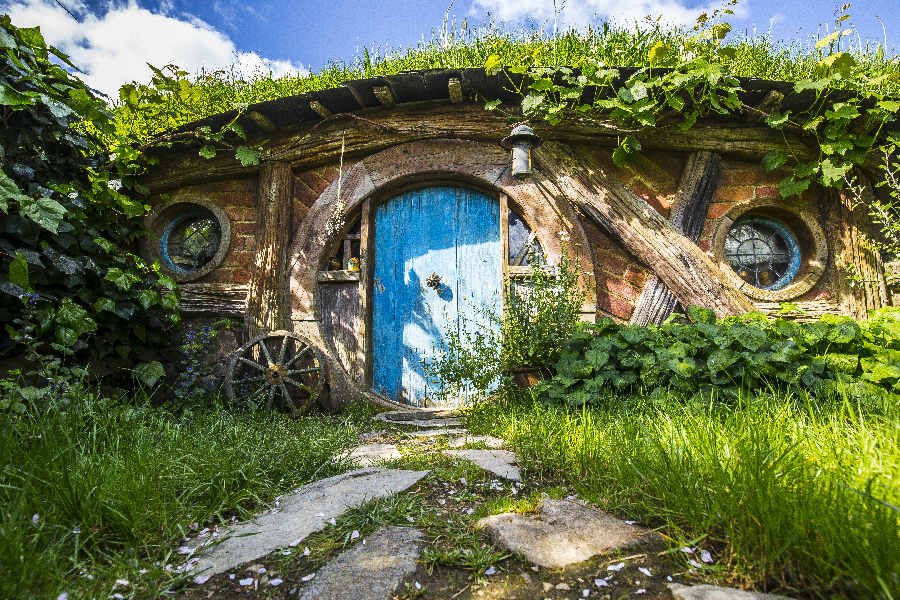
Visiting the land of Hobbits
New Zealand | Auckland, Coromandel Peninsula, Rotorua, Napier, Wellington, Nelson, Paparoa National Park, Westland National Park, Queenstown, Lake Te Anau, Dunedin, Christchurch
Areas in New Zealand you should avoid – do they even exist?
Planning trip to new zealand, you are probably looking not only for places worth seeing, but also for information about areas that are better avoided. Natural caution, especially when planning a trip to the other side of the world, is understandable – no one wants to get into trouble. Except that in the case of New Zealand… the situation is completely different than you might expect.
New Zealand is one of the safest countries in the world. In terms of crime, natural hazards and political threats, it is hard to find a more comfortable place to travel. There are no areas that should be avoided due to particular danger, there are no “no-go” districts like in some metropolises around the world. Even the larger cities – Auckland, Wellington, Christchurch – they don’t have any areas that you would consider distinctly unfriendly or dangerous, especially for tourists. Yes, as in every city, there are places that are less attractive and less well-maintained, but that doesn’t mean that they should be avoided at all costs – or at most, not necessarily chosen as a place to spend the night.
This does not mean that you can completely turn off your guard. In some tourist locations, such as Queenstown Rotorua, petty thefts can happen – usually from unsecured cars. Not because these areas are particularly dangerous, but because they are popular tourist destinations, and opportunity makes a thief. However, simple caution is enough: don't leave your luggage in plain sight, lock your car, and don't carry large amounts of cash – that's basically the whole survival strategy.
There are areas that are worth avoiding not for safety reasons, but for weather or accessibility reasons. Some roads in the alpine regions (e.g. Fiordland or the West Coast) are sometimes closed due to landslides, avalanches or heavy rainfall. It may be the same with some trekking trails – sometimes they are impassable or too dangerous due to weather. Instead of avoiding them completely, check local reports and plan ahead. You will find up-to-date information on the condition of trails and possible hazards on the DOC website (Department of Conservation, https://www.doc.govt.nz/).
It is also worth being careful about some areas in terms of natural activity. New Zealand is located in an earthquake zone and although earthquakes are not common here, they do happen. The area around White Island (Whakaari), an active volcano, was once a popular tourist attraction, but after the tragic eruption in 2019, access to the island was significantly restricted. If you are interested in geothermal phenomena - it is better to choose safer and controlled places, such as Wai-O-Tapu.
In short: if you’re looking for areas to avoid in New Zealand, you probably won’t find them. This country doesn’t have risk zones in the classic sense. Instead of a list of no-go areas, just stick to common sense, monitor local warnings, and be prepared for the fact that nature in New Zealand can be unpredictable – but not malicious. If you stay alert, you can confidently explore every corner of this stunning country without worrying about finding a place you should avoid at all costs.
Safer places in New Zealand
When planning a trip to New Zealand, you probably ask yourself, “Is New Zealand safe?” The answer is a resounding yes. It’s one of those countries where you can relax, stop looking over your shoulder every five minutes, and really focus on enjoying your trip. Of course, like anywhere else, it’s worth exercising common sense, but generally speaking, New Zealand is a great place for those who value safety and peace.
New Zealand takes crime seriously, but the risks are very low. There are no mafia districts, armed patrols or dangerous areas to avoid after dark. Organised crime is virtually non-existent and violent crime is rare. The most common problem is petty theft – mainly in popular tourist spots, where careless tourists leave backpacks and suitcases in plain sight. But don't worry – if you exercise a little caution, nothing should happen to you.
If you want even more comfort, you can choose particularly quiet and safe areas. One such place is Nelson, located on the northern tip of the South Island. This town is known for its beautiful weather, friendly people and strong sense of community. Here you can stroll along the waterfront, visit local art galleries, cycle around the surrounding vineyards and feel completely at ease - both during the day and at night. The towns are equally safe and quiet Wanaka i Te Anau. Both are located near mountain lakes and are a great base for trekking, but without the crowds and city noise. These are places where doors are often not locked, and a lost phone will sooner find its way to its owner than to the finder's pocket. Of course, it is worth taking basic precautions, but the general atmosphere of these places is conducive to a peaceful rest. However, if you cannot imagine traveling without a larger city, choose Wellington - the capital of New Zealand. It is a small but well-organized metropolis that combines the advantages of a city with the friendly atmosphere of a small town. You can feel safe here both in the center and in the coastal districts. The city is famous for its low crime rate and a large number of police patrols in the busiest areas.
On the North Island, a good choice would also be Napier – a city known for its art deco architecture and numerous festivals. The town is quiet, clean, and perfect for a family vacation. Taupo, located on a lake in a volcanic crater, is similar – a touristy but still very safe place, ideal for water sports and relaxation. New Zealand also attracts nature lovers – and if you intend to focus on discovering national parks, you can rest assured. Most of them are well-marked, monitored, and the trails are regularly checked by nature conservation services. Routeburn Track, Abel Tasman Coast Track or Kepler Track are considered not only beautiful, but also safe – just follow the recommendations, be well prepared and do not overestimate your abilities. Even in the wildest areas you will find emergency points, shelters and weather information.
If you are travelling by camper – which is very popular in New Zealand – you can sleep in designated car parks or special zones for travellers. In most of them you will meet other tourists, often families with children or retirees on holiday. The atmosphere is cordial and the level of security is very high. Of course, it is worth locking your vehicle at night and leaving nothing outside, but this is more of a prudent habit than a necessity. Finally, it is worth adding that the local police are efficient, helpful and communicate in English without any problems (of course!). In case of problems, you can count on quick support. There are also free tourist helplines in the cities, and residents often take the initiative to help if they see lost tourists. Regardless of whether you choose quiet towns, national parks or bustling cities – you can feel comfortable and safe. And this is what makes so many people come back here time and time again.
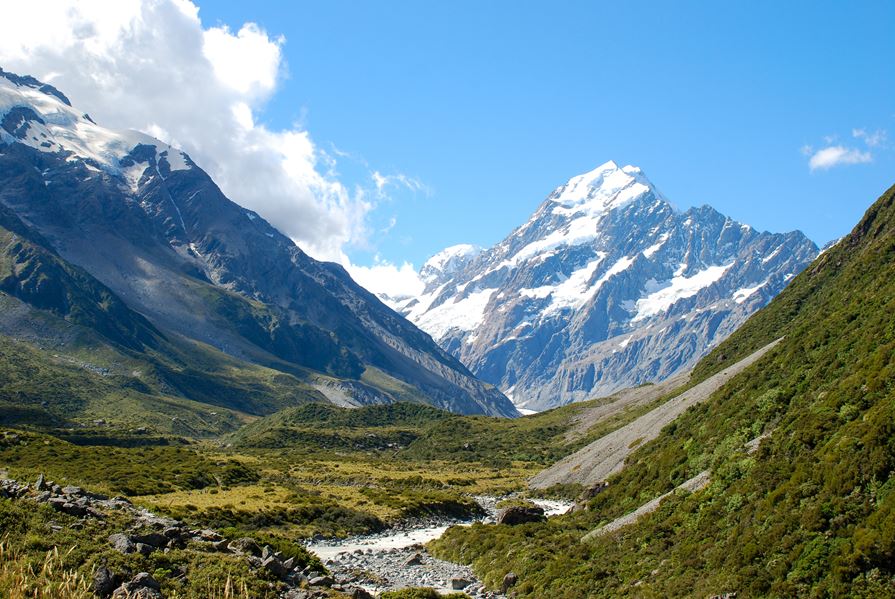
From North to South
New Zealand | Auckland, Matamata, Rotorua, Christchurch, Mt. Cook, Wanaka, Queenstown, Milford Sound, Franz Josef, Punakaiki, Greymounth, Kaikoura
Food and Water Safety in New Zealand
When planning a trip to New Zealand, you probably think about breathtaking landscapes, active recreation and encounters with nature. But somewhere in the back of your mind, the question may be: "Is food and water safe in New Zealand?" And it's good that you're asking - because health is the basis for a successful trip. Fortunately, we have good news for you: when it comes to food and water, New Zealand really does great.
Let's start with water. In New Zealand, you can safely drink tap water - not only in large cities, but also in most smaller towns. The water supply systems are modern, and the water quality is monitored on an ongoing basis. No one here buys bottled water just in case, because there is simply no need for it. In hostels, cafes or petrol stations, you can ask for a free refill of your bottle - and no one will be surprised. In addition, the water tastes good - you can't taste chlorine or other chemical additives in it. However, if you are going trekking in the wild, the matter is a bit more complicated. Water from mountain rivers and streams often looks crystal clear, but tourist organizations recommend boiling it or filtering it - these are precautions in case of the presence of bacteria that may be present in water from natural sources - especially near pastures or where wild animals are present. In practice, most travellers use simple filters or purification tablets, which are lightweight and easy to pack.
And what about food? You can breathe a sigh of relief here too. New Zealand has very strict regulations regarding food safety. Restaurants, cafes, food trucks and shops operate under strict sanitary supervision. The "food grade" rating system is in force throughout the country - when you enter the premises, you will see a letter (usually A, which means the highest standard). If the premises have a lower rating, you can easily check it and decide whether you want to eat there. But don't worry - such cases are rare. Food in New Zealand is often local products: meat, seafood, vegetables and fruits, which come from local farms and orchards. Quality standards are high, and imported products undergo rigorous inspections. If you cook yourself, feel free to shop in supermarkets such as Countdown, New World or Pak'nSave. The products are fresh, well described, and the shelves are full of healthy, local food.
It's also worth mentioning street food. In New Zealand, there may not be as much of it as in Asia, but food trucks and stands at festivals are very popular - and most importantly, safe. Dishes are prepared fresh, and sanitary conditions are usually exemplary. You can try local specialties without worrying about stomach upsets.
Allergy sufferers and those on special diets can also breathe a sigh of relief. In New Zealand, food awareness is high. Restaurants are happy to provide information about allergens, and gluten-free, vegan or vegetarian menus are standard, not exceptional. In stores, you will easily find products with appropriate certificates - everything is well marked and understandable.
When it comes to alcohol and its safety – there is strict supervision of sales. Alcohol can only be purchased in designated stores (e.g. Liquor Store) and you must be over 18 years old. In catering establishments, alcohol consumption is possible, but only in those with the appropriate license. And what is important – no one here dilutes drinks, does not “play around” with suspicious mixtures. You can safely order local beer, cider or wine and simply enjoy it.
New Zealand is a country where you can truly eat and drink without stress. Tap water? Safe. Food from a food truck? Fine. Fish straight from the grill by the ocean? Perfect. With high standards and attention to quality, you can fully focus on the adventure, not the medicine cabinet. So pack your reusable bottles, enjoy the local cuisine, and be surprised at how delicious and safe it can be on the other side of the world.
Healthcare when travelling in New Zealand – practical tips
Traveling to New Zealand is an adventure of a lifetime for many of you – spectacular landscapes, trekking trails, encounters with nature, outdoor activities. But before you jump into your trekking boots and throw yourself into the vortex of adventure, it is worth taking a moment to prepare yourself from a health perspective. Health protection while traveling is a topic that is often relegated to the background, but in New Zealand – despite being a developed and safe country – it is worth knowing what access to medical care looks like and what you can do to avoid being surprised.
First of all, medical care in New Zealand is of a very high standard. Hospitals, clinics and private clinics operate efficiently, and the medical staff are well-qualified. If you happen to need medical help, you don't have to worry about the quality of services. The problem may rather be the cost - for people travelling who do not have local citizenship or permanent residence, a visit to a hospital or a family doctor can be very expensive. That is why you should buy health insurance covering treatment abroad before you leave. Standard travel insurance is the minimum - it is important that it covers not only emergencies, but also medical transport, possible hospitalisation and repatriation if necessary. New Zealand does not have an agreement on free health care with Poland, so without insurance the costs can run into thousands of New Zealand dollars. If you are planning to do extreme sports (bungee jumping, rafting, climbing), make sure that these activities are also covered by the policy - some standard packages do not include them. New Zealand also has an ACC (Accident Compensation Corporation) system that covers medical costs in the event of accidents and injuries – regardless of your residency status. This means that if, for example, you sprain an ankle on the trail, break an arm or have another emergency, ACC will help cover some of the costs of treatment, including transport and rehabilitation. This is a huge convenience, although of course it is not a substitute for private insurance – especially in more complicated health situations.
Access to doctors is not difficult, but in smaller towns you have to reckon with the fact that there may not be a doctor "on hand" - sometimes it is necessary to make an appointment in advance. That is why it is worth taking a basic first aid kit and a supply of medicines that you use every day - especially those on prescription. Over-the-counter medicines, such as painkillers, cold medicines or anti-diarrheal medicines, can be easily bought in pharmacies and supermarkets. Pharmacies are well stocked, but prices can be higher than in Poland. If you need help outside the opening hours of the clinic, you can use after-hours clinics (open in the evenings and weekends) or call the 0800-hour health helpline "Healthline" - it is available to everyone and offers free telephone consultations with a nurse or doctor. The number is 611 116 111 - it is worth making a note of it. In the event of an emergency, you can call the emergency number XNUMX - it works for both the ambulance service, the fire brigade and the police. The response of the services is fast and the level of organization is very high. Even in more remote areas, such as Fiordland or the Southern Alps, you can count on an efficient rescue operation, often involving helicopters. Of course, here again we remind you - it is worth having insurance that will cover the costs of such actions.
What else should you consider when it comes to healthcare in New Zealand? Let's start with the climate - because in New Zealand weather can be very capricious. You can experience four seasons in one day, especially in mountainous regions and in the south of the country. That's why the basic rule is: dress in layers. Always have a raincoat, sweatshirt or fleece and a head covering at hand. It's not just about comfort - getting cold or soaking wet is the easiest way to catch a cold, which will effectively ruin even the best-planned route.
Another thing is proper hydration. In New Zealand you will spend a lot of time outdoors – trekking, visiting national parks, beaching, driving through the outback. It is easy to forget to drink water regularly during such activities. Tap water here is safe and of good quality, so you do not need to carry around cases of bottles – just your own reusable bottle and the habit of filling it. This is especially important in the warmer parts of the North Island and during physical exertion.
When it comes to food, New Zealand is known for its high-quality local produce – fresh fruit, vegetables, fish and meat are commonplace. But changing your diet can be a real surprise to your stomach. So don’t jump at everything exotic – try new flavours gradually, especially if you have a sensitive digestive system. And remember: although it’s safe to eat in food trucks and local eateries, it’s worth choosing places that are popular with locals – this is usually the best sign that the food is fresh and trustworthy.
Don't forget about sun protection. New Zealand is located under the ozone hole, which means that UV radiation is much stronger here than in Europe - even on a cloudy day. Be sure to take a high-SPF sunscreen (SPF 50+), sunglasses with UV protection and a hat. You can find good local cosmetics with filters in shops and pharmacies, but it's worth having a spare sunscreen in your luggage. Sunburn can happen really quickly here - and of course it's hard to have fun afterwards.
When spending time in the bosom of nature, it is also worth taking care of insect protection. Mosquitoes, midges, and in some areas sandflies (biting midges) can be a nuisance, especially near water and in forests. A good repellent is a must-have, preferably with DEET or another effective ingredient. It is also worth having something to soothe bites - it would not hurt to take an antihistamine or aloe ointment.
When trekking and hiking on less-frequented trails, remember to be physically prepared and have the right equipment. Hiking shoes are not a luxury – they are a necessity. Slips, sprains and abrasions are the most common injuries among hikers, which can be easily avoided by choosing the right footwear and not overestimating your own abilities. If you are going on a longer trail, always have a map, a charged phone, a supply of food and a flashlight with you.
New Zealand is a place where you can truly feel at ease – both among people and in the natural surroundings. Whether you’re hiking mountain trails, relaxing on a wild beach or learning about Maori culture, safety accompanies you at every step. This is a huge advantage, especially in today’s world, where a sense of peace and trust is becoming increasingly valuable. By exercising common sense and respecting local rules, you can fully enjoy what Kiwi Country has to offer. Trust your intuition, keep your eyes open to the beauty around you and don’t be afraid of spontaneity – it’s in moments like these that the most beautiful memories are hidden!
New Zealand is a country full of extraordinary landscapes and adventures – New Zealand attractions delight both nature lovers and fans of active recreation. Among the most popular places are the geysers in Rotorua, the fjords of Milford Sound and the picturesque trails on the South Island. This is an ideal destination for people looking for unforgettable experiences and contact with wildlife.
Australia's Most Beautiful Beaches – Which Are Worth Visiting?
Older post
Vaccinations before traveling to the USA - recommendations and requirements
Newer post
November 4, 2026
November 2, 2026
October 30, 2026
October 28, 2026
recent posts
 The best diving spots in the world – where to go? November 6, 2026
 Wedding abroad – what should you remember? November 5, 2026