
Get inspired and read about your dream trip on the blog
Safety in Costa Rica. Is Costa Rica Safe?
March 24, 2025
Costa Rica is one of those countries that attract tourists and travelers like a magnet: wonderful beaches, volcanic landscapes, lush rainforests and rich fauna - these are just some of the reasons why it is worth visiting this tropical paradise. But what is the safety like in Costa Rica? Is Costa Rica safe? This is a question that many travelers ask themselves before setting off. There is no denying that in every country, including Costa Rica, situations can occur that can affect your sense of security, but it is one of the safest countries in Central America. Although, as in every place in the world, it is worth exercising common sense, the general level of security here is high. Compared to other countries in the region, Costa Rica stands out for its political and social stability, which translates into a sense of security for residents and tourists. This is a place where you can peacefully enjoy nature, travel along beautiful trekking trails, dive in crystal clear waters or relax on golden beaches. It is worth remembering that Costa Rica is a country where tourism is a very important sector of the economy, and local authorities closely monitor safety in popular tourist areas. Although dangers do exist in Costa Rica, they are not as common as in many other parts of the world. With the right precautions, your trip will be an unforgettable adventure full of emotions and beautiful memories!
Safety rules for tourists visiting Costa Rica
When visiting Costa Rica, it is worth remembering that although this country is considered one of the safest in Central America, there are still some rules that will help you enjoy your trip without unnecessary stress. As in any tourist destination, the key is vigilance and common sense - they will allow you to avoid unpleasant situations and fully focus on discovering this tropical paradise.
Let's start with the simplest thing, which is taking care of your personal belongings. When sightseeing, it is a good idea to carry only essential documents and cash, and leave valuables, such as jewelry or expensive electronics, in the hotel safe. Costa Rica is a friendly place, but like anywhere else, it is best not to tempt fate and not to draw too much attention to yourself with expensive gadgets. If you are using public transport or going to crowded markets and beaches, keep backpacks and bags close to you, preferably in the front, so you have full control over them.
If you’re planning to explore Costa Rica by rental car, remember that while the roads are mostly well-maintained, conditions can change – especially after rain. It’s a good idea to adjust your speed to the road conditions and avoid driving at night when visibility is limited and unexpected obstacles, including animals, can appear on the roads. Another key rule is to avoid leaving valuables in the car, even if you think you’re parked in a safe place. And speaking of animals – Costa Rica is a country incredibly rich in wildlife: monkeys, sloths, exotic birds and lizards can be found almost everywhere, even in cities, but you should always observe animals from a safe distance. Although they may seem tame, they are actually wild and their reactions can be unpredictable. Never try to feed them – not only because it can be dangerous, but also to protect the natural ecosystem. The same goes for insects – mosquitoes and other tropical insects can be a nuisance, so it’s a good idea to use repellent regularly and wear light, skin-covering clothing, especially when visiting rainforests.
When visiting beaches or national parks, remember one more rule: never leave your belongings unattended. The sea can be tempting, but before diving into its waves, it is a good idea to make sure that someone in your group is watching over your belongings, and if you are travelling alone, it is best to take only what is absolutely necessary. It is also worth mentioning the actual bathing in the ocean - the waves and sea currents in Costa Rica can be very strong, so before entering the water it is worth making sure that a given section of the beach is suitable for swimming. In some places, there may be reverse currents, which are dangerous even for experienced swimmers. If you ever feel like the current is pulling you into the ocean, do not fight it, but swim parallel to the shore - this is the best way to get out of trouble.
Finally, it is worth mentioning that during travel around Costa Rica It is also worth being careful when dealing with strangers. The locals are extremely friendly and willing to help, but if someone is too pushy about offering you “special deals”, it is better to keep your distance. This is especially true for offers of transport, trips or currency exchange at a “special” rate. It is better to use trusted carriers and official exchange offices to avoid unpleasant surprises. You can’t forget about the strict drug laws either – Costa Rica has a zero-tolerance policy towards possession and use of narcotic substances and even the smallest amount can result in serious legal consequences, so it is better to stay away from it.
A trip to Costa Rica is a wonderful adventure full of unforgettable views and experiences. Just follow a few simple rules to enjoy the country to the fullest, without unnecessary worries. Common sense, respect for the local culture and taking care of your own safety are the keys to a successful trip. After all, Costa Rica is a country of pura vida - full of life, joy and extraordinary nature, which is best explored with a smile on your face and peace of mind.
Areas of Costa Rica that are best avoided
A vacation in Costa Rica is an extraordinary adventure, but as in every country, there are places that are better avoided due to the increased level of crime. Although it is generally one of the safer countries in Central America, in some areas there are cases of theft, robberies and the activity of criminal groups. Knowing these places will help you avoid unpleasant situations and fully enjoy your trip.
One area where you should be especially careful is the city of Limon, located on the Caribbean coast. It is an important port and commercial center, but also the place with the highest crime rate in Costa Rica. There are few tourist attractions here, and the presence of gangs causes thefts, robberies and drug smuggling. Therefore, if you are planning a trip to the Caribbean coast, it is better to head straight to Puerto Viejo or Cahuita, avoiding the city of Limon itself. And speaking of the Caribbean coast, although it is a region full of wildlife and great beaches, some parts of it require more vigilance. In particular, the areas around Puerto Viejo and Cahuita are very popular with tourists, but at the same time there are robberies there, especially after dark. Walking alone in these places is not a good idea, and leaving valuables on the beach can end up disappearing. To avoid the risk, it is better not to carry large sums of money with you and not to flaunt expensive electronic equipment.
When traveling around Costa Rica, you probably won't miss the capital - San Jose. The city is full of monuments, museums and local atmosphere, but unfortunately, some areas become less safe after dark. Pickpockets often operate in crowded areas, and more dangerous situations can occur in districts such as Los Guido, Pavas and Leon XIII. If you plan to walk around the capital, it is best to do it during the day, avoid deserted streets and always carry only the essentials. A little further west is Quepos, known as the gateway to Manuel Antonio National Park. The park itself is one of the most beautiful places in Costa Rica, but Quepos has a bad reputation - thefts and attacks on tourists do occur there, especially in less popular parts of the city. If you are planning to stay in this area, it is worth choosing reliable accommodation and not walking alone after dark.
Finally, it is worth mentioning the Matina region, located in the province of Limon. It is an area that rarely makes it onto tourist lists, but if for some reason you find yourself nearby, it is best to give it a wide berth. It is one of the more dangerous regions of Costa Rica, where criminal activity is clearly noticeable.

Costa Rica Exclusive
Costa Rica | Alajuela, Monteverde, Arenal, Tortuguero, Caribbean Coast, San Jose
Safer Places in Costa Rica
Which places are not only fascinating but also considered safe for travelers? Let's start with Arenal Volcano National Park, one of the most characteristic places in Costa Rica. Arenal, although currently dormant, has for years been one of the most active volcanoes in the world. In the park surrounding it you will find various hiking trails, hot springs and you will have the opportunity to observe wildlife. Well-developed tourist infrastructure and the presence of guides make visiting this place both exciting and safe. Another place worth visiting is Tortuguero National Park, located on the Caribbean coast. Accessible mainly by water, this park is home to numerous species of animals, including sea turtles, which lay their eggs here. Organized boat tours allow you to safely explore this unique ecosystem under the care of experienced guides.
Monteverde Cloud Forest Reserve is a must-see during a trip to Costa Rica. Of all the forests in the world, only one percent are similar to it – these are cloud or mist forests, and their name is related to the phenomenon of water vapor condensation, which gives the impression of a constant fog hanging over the treetops. Thanks to well-marked trails and the presence of guides, visiting this reserve is both exciting and safe.
Playa Conchal is a real gem among Costa Rican beaches. Its name comes from the small shells that cover the shore, giving it a unique character. The crystal clear water and calm atmosphere make it an ideal place to relax. However, it is worth remembering not to leave your belongings unattended, which is a standard safety rule on every beach. Playa Tamarindo, on the other hand, is a lively beach, attracting both surfing enthusiasts and those who want to enjoy the nightlife. Thanks to the developed tourist infrastructure and the presence of numerous hotels and restaurants, this place is tourist-friendly. However, it should be remembered that in places with high tourist traffic, it is always worth taking basic precautions.
Region San Isidro is a convenient base for exploring the natural beauty and cultural richness of southern Costa Rica. You can hike in Chirripo National Park, conquering Costa Rica's highest peak, visit the impressive Nauyaca and Eco Chontales waterfalls, or relax on a beautiful beach Sunday. Bird watching, hiking along the many trails and tours of local coffee plantations are other attractions that will make your stay in the region more enjoyable. With its peaceful atmosphere and fewer tourists, this is a place where you can experience the authentic Costa Rican atmosphere in a safe environment.
When planning a vacation to Costa Rica, it’s natural to wonder: is Costa Rica safe? The answer is yes, as long as you follow basic safety rules. Avoid carrying large sums of money, don’t display valuables, and always be aware of your surroundings. Crime is relatively low in tourist spots like the ones listed above, but common sense is always the best guide.
Food and Water Security in Costa Rica
When traveling to Costa Rica, you will definitely want to try local specialties and sip on some refreshing beverages, especially in the country’s hot climate. However, food and water safety are issues worth keeping in mind to avoid any unpleasant surprises during your trip. Fortunately, Costa Rica is one of the safer countries in Latin America in this regard, although a few basic rules can help you enjoy your culinary adventures without worry.
First of all, it’s worth knowing that tap water is generally safe to drink in larger cities and tourist towns. Costa Rica has a relatively good water infrastructure, and the water is regularly treated. Still, if you have a sensitive stomach or are visiting more remote, rural areas, it’s worth stocking up on bottled water or using a water filter. When it comes to drinks, Costa Rica’s popular fruit juices and smoothies are usually made with fresh ingredients, but may contain tap water ice. In more touristy areas, the ice usually comes from purified water, but in less popular establishments, it’s worth checking to make sure it’s safe. If in doubt, it’s better to order drinks without ice or drink from sealed bottles. The same applies to food served in restaurants and at street stalls – in large, well-known establishments, sanitary standards are high, and the food is fresh and well-prepared. Costa Rican cuisine is based on natural products such as rice, beans, fresh vegetables and seafood, so in most cases you should not worry about stomach problems, but if you are going to try street food, it is worth choosing places that are very popular with locals - this is usually a sign that the food is fresh and prepared in accordance with hygiene rules.
Costa Rica is also famous for its exotic fruits, which are a real treat for lovers of healthy food. Mangoes, papayas, pineapples and passion fruit taste delicious here, but they should always be washed thoroughly before eating. It is best to peel the fruit to avoid possible contamination, and if you buy fruit at the market, it is worth choosing those that are stored in clean conditions and not exposed to the sun for too long.
While on the coast, it’s also worth paying attention to the freshness of the seafood. Popular restaurants serve excellent quality fish and seafood, but in lesser-known places, it’s worth making sure that the food is well-preserved and properly prepared. Raw seafood, such as in ceviche, can be delicious, but should come from trusted sources.
In summary, food and water safety in Costa Rica is not a big issue, but as with any tropical country, there are a few precautions to take. Drink bottled water in less developed areas, avoid ice from unreliable sources, wash fruit before eating, and choose trusted places to eat. This way, you can fully enjoy the flavors of Costa Rica without worrying about your health.
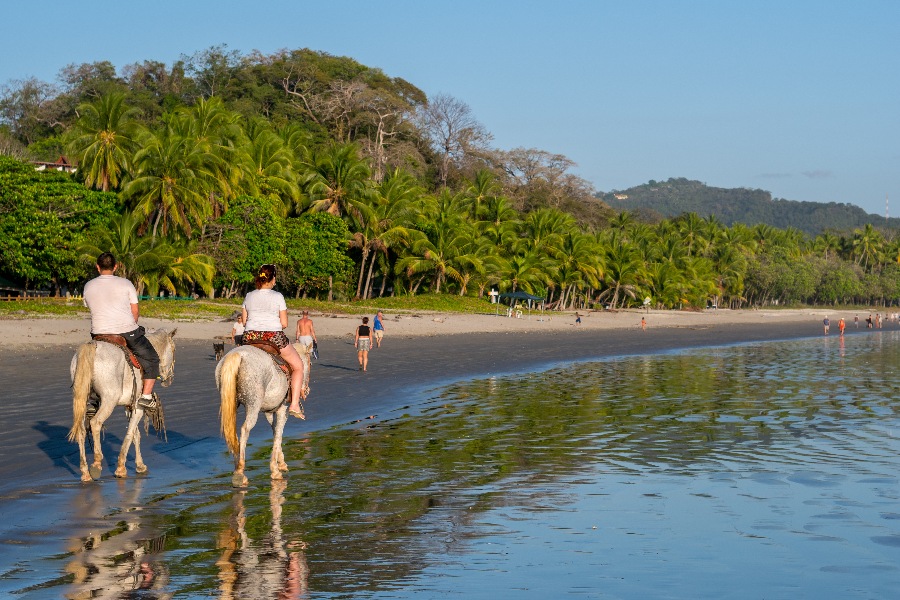
Self drive – treasures of untouched Costa Rica
Costa Rica | Alajuela, Arenal, Monteverde, Pacific Coast, San Jose
Healthcare for Travel in Costa Rica – Tips
Traveling to Costa Rica is an unforgettable adventure, but the tropical climate, exotic fauna and sanitary conditions can pose a challenge to your health. To avoid problems and fully enjoy your stay, it is worth taking care of proper preparation. So what should you pay attention to before leaving?
Travel First Aid Kit – What to Pack?
Before you set off, be sure to prepare a well-stocked first aid kit. Although you can find pharmacies with a wide selection of medicines in larger cities, access to them may be limited in smaller towns and remote areas. It is worth taking basic supplies, such as painkillers and antipyretics, which will come in handy in the event of minor ailments. Antidiarrheal drugs and electrolytes can be invaluable in the case of stomach problems, which sometimes result from different bacterial flora. It is also good to have antihistamines in case of allergic reactions to insect bites or unknown food ingredients. Plasters, bandages and disinfectants will help in the case of minor injuries, and insect repellents will protect against annoying mosquitoes.
Protection against sun and heat
Costa Rica is located in a tropical zone where the sun is very intense. Even if you don't feel hot, the UV radiation is strong and can cause sunburn. Applying a sunscreen with SPF 50+ is an absolute must, especially if you plan on spending long hours at the beach or in the mountains. Don't forget your UV sunglasses to protect your eyes from harmful rays; a hat or cap can also protect against overheating, and regular hydration will help prevent dehydration. It's also worth avoiding sun exposure during the hottest hours, which are between 11:00 and 15:00.
Protection against insects and tropical diseases
Although there is no malaria in Costa Rica, it is worth protecting yourself against other mosquito-borne diseases, such as dengue fever and chikungunya. Using repellents containing DEET or picaridin will significantly reduce the risk of bites. It is also a good idea to wear long, airy clothes, especially when walking or trekking in the jungle at night. Some hotels have mosquito nets, but if you are planning to stay in more remote areas, it is a good idea to bring your own. Avoiding areas with a lot of standing water will also reduce your exposure to insects, which breed in such conditions.
Personal hygiene and sanitary safety
Maintaining good hygiene is one of the easiest ways to avoid health problems. Washing your hands frequently with soap and water or using an antibacterial gel will help prevent infections. When it comes to food, it is best to choose freshly prepared foods and avoid raw ingredients from unverified sources. It is worth washing and preferably peeling vegetables and fruits before eating. Tap water in larger cities is generally safe, but in less developed areas it is better to reach for bottled or filtered water. Public toilets may lack toilet paper and soap, so it is worth having a supply of tissues and hand sanitizer.
Health during physical activity
Costa Rica is a paradise for adventure lovers, but any physical activity carries some risk. If you’re planning on trekking, make sure you have the right footwear to protect you from slippery surfaces and poisonous rainforest creatures. Be careful with water sports, as there can be strong currents in some areas – check local warnings before entering the water. If you’re renting sports equipment, make sure it’s in good working order. And most importantly, avoid exerting yourself in the heat, as high temperatures and humidity can lead to dehydration and heatstroke.
Healthcare in Costa Rica
Costa Rica has relatively well-developed healthcare, but availability varies by region. In larger cities like San Jose, you will find modern private hospitals offering high-quality services, but treatment costs can be high. In less developed areas, access to a doctor may be limited, so it is worth checking the location of the nearest medical facility in advance. In emergencies, you can call for an ambulance by dialing 911, although in remote areas, medical transport may take longer.
Traveling to Costa Rica is a wonderful experience, but to fully enjoy this paradise country, it is worth taking care of your health and safety. Proper preparation, hygiene, sun and insect protection, and travel insurance will help you avoid unpleasant surprises. This way, you can focus on admiring the picturesque landscapes, discovering the jungle, and relaxing on the fabulous beaches, knowing that you are well prepared for any situation.



October 9, 2026


October 7, 2026

October 6, 2026

October 5, 2026

recent posts
 Cambodian cuisine – what is worth trying? October 9, 2026
- Safety in Ecuador. Is Ecuador safe? October 9, 2026