
Get inspired and read about your dream trip on the blog
Safety in Australia. Is Australia Safe?
June 16, 2025
Australia fascinates with its wild nature, vast spaces and a relaxed atmosphere that is contagious to everyone who comes here. But before you start soaking up the sun on golden beaches or admiring sunsets over the Outback, a natural question arises: is Australia safe? On the one hand, it is a developed country with excellent infrastructure and a very low crime rate. On the other hand, it is a continent where nature can surprise with its strength, and distances are completely different than those known in Europe. You can feel safe on the streets of cities both during the day and at night - aggression, harassment or theft are rare. Australians are polite, direct and often helpful, and the entire environment - orderly, clean and well-marked. What is more, public safety is at a very high level here, and the services operate efficiently and transparently. However, real challenges appear where nature begins. Australia is a land of scorching deserts, mountain trails, tropical forests and unpredictable seas. This is where you will encounter wild animals, extreme temperatures, and sometimes sudden floods or bushfires, so it is worth keeping your eyes wide open and approaching the conditions that this extraordinary continent poses with humility. Maintaining common sense, good preparation and knowledge of local realities will allow you to safely discover its endless possibilities - with delight, but also with caution.
Safety rules for tourists visiting Australia
Australia is a country of incredible diversity and fascination – from modern cities to wilderness, from hot deserts to tropical coastlines and mountainous national parks. Such diversity also means a range of potential dangers that are worth being aware of before you travel. While Australia is generally a safe country, with relatively low crime rates, there are a few important rules to keep in mind.
The current security situation in Australia is stable – it is a developed country with well-functioning emergency services and an efficient police force. In large cities such as Sydney, Melbourne and Brisbane, crime is mainly limited to petty theft, especially in crowded public places. Avoid carrying visible cash, keep documents and valuables close to you and always lock your car or hotel room. After dark, it is better to move around on well-lit, busy streets, especially in lesser-known districts. If a theft occurs, report the matter as soon as possible to the nearest police station or call 000 and ask for a report. This document is necessary to submit a possible insurance application or to obtain temporary documents. It is also worth contacting your bank as soon as possible to block your cards and the embassy or consulate.
To avoid dangers while in Australia, it is worth keeping up to date with local weather reports and warnings about bushfires, tropical storms and floods. Nature can be unpredictable, especially in the northern and central regions of the country. Avoid going alone to forests and national parks without reporting your route in advance and taking a supply of water and sun protection. It is also worth knowing that Australia is a country of many poisonous animals - snakes, spiders and jellyfish. Most of them are not aggressive, but if you are bitten, you should call for help immediately.
Safe modes of transport in Australia include long-distance trains, coaches and planes. Public transport in cities – buses, trams, metros – is well organised, although it is worth being vigilant at night. When using transport services such as taxis, it is worth choosing officially registered companies and avoiding unmarked vehicles. There are also numerous transport apps in larger cities (e.g. Uber, Bolt, Black & White Cabs) that allow you to order a ride with a chosen driver and monitor the route of your journey.
Do you dream of travelling independently by car, the so-called self-drive? Australia is a country where you drive on the left side of the road, which can be a challenge at first. Remember that the distances between cities are huge, and some routes lead through the wilderness, where petrol stations and aid stations are very rare. Before setting off, plan your route well, check the weather forecast, and in the event of a trip off the paved roads - inform someone of the planned direction and return time. At night, watch out for wild animals coming out onto the roads - especially kangaroos and emus.
Water safety is a separate, very important topic. Australia has some of the most beautiful beaches in the world, but also some of the most dangerous. Only swim where the beach is guarded, and always between red and yellow flags - this is a sign that lifeguards are nearby. Popular beaches such as Bondi, Manly or Surfers Paradise have strong reverse currents that can carry away even experienced swimmers. In the northern regions, especially in Queensland, during the jellyfish season, special protective nets should be used, and clothing should be worn to protect the body from burns. In tropical areas, crocodiles are an additional threat - do not enter the water in unknown places.
If you are going to the mountains, for example the Australian Alps (with Mount Kosciuszko) or Blue Mountains, be careful. The weather in the higher parts of the mountains can change very quickly, and the paths can be poorly marked. Before setting off on a trek, inform someone of your planned route, take a charged phone, a map, appropriate clothing, and water. In many places there is no signal, and help may arrive late, so independence and preparation are of great importance here.
Areas in Australia that are best avoided
Planning trip to Australia, it is easy to be tempted to visit every corner of this continent. After all, it is a country of incredible diversity - from the desert areas of the Outback to the tropical rainforests of Queensland, from spectacular beaches to modern cities. However, despite its great charm, not all regions of Australia are safe, accessible and friendly to tourists at any time of the year. To begin with, it is worth noting that Australia is a country with a very specific climate and huge distances. Sometimes several points on the map seem close to each other, but in reality they are separated by several hundred kilometers of wasteland, where you will not find a single petrol station or shop for many hours of driving. Therefore, when planning a trip, you should take into account not only tourist attractions, but also road and weather conditions and the availability of infrastructure. It is better not to venture into some areas without an off-road vehicle, a supply of fuel, water and a detailed plan.
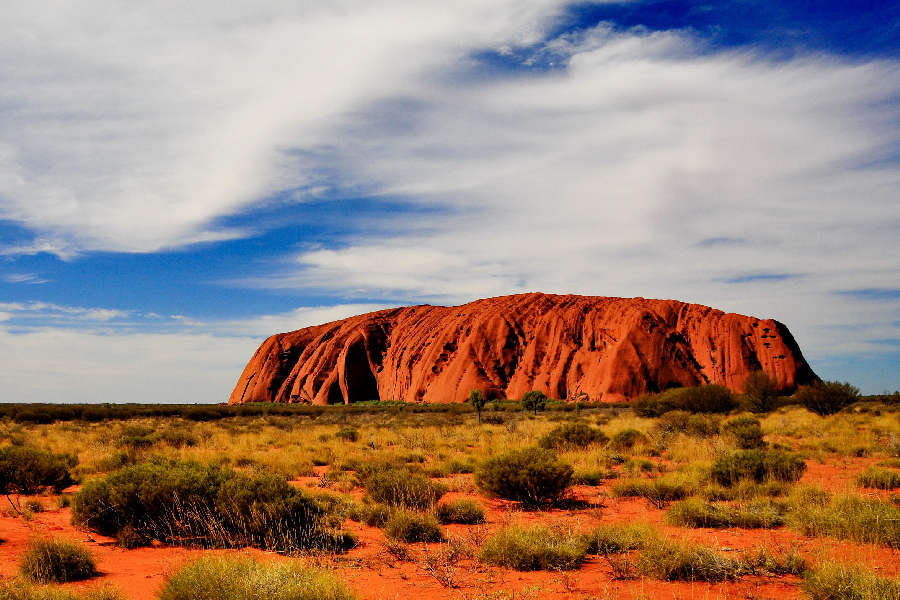
One area that should be treated with caution is the desert regions of central Australia, especially in summer, from November to February. During these months, temperatures can reach up to 45°C in the shade, and at night they can drop below 10°C. In addition, there are sandstorms and extremely dry air. The lack of telephone coverage and the long distances between towns mean that any help may arrive with a significant delay. Even if you are tempted by the famous Uluru, it is better to visit this region in the colder months - from May to September. The northern regions of Australia, such as Darwin, Kakadu National Park or Cape York, on the other hand, are characterized by a tropical climate. During the rainy season - from November to April - there are heavy rainfall, violent storms, cyclones and floods. Many roads are impassable then, and isolated communities are left without access to help. High humidity favors the multiplication of mosquitoes, which can carry tropical diseases. In addition, saltwater crocodiles live in the water bodies - extremely dangerous and fast. In this part of Australia, it is necessary to be vigilant and follow local weather reports. Some parts of large cities – especially the outskirts – may also be places to avoid after dark. Although Australia is considered a safe country, in some areas (especially around Darwin, Perth or Alice Springs) there are social problems related to homelessness, alcohol and aggressive behaviour. In cities, always choose well-lit streets and avoid walking alone in unfamiliar neighbourhoods. The north-eastern and northern coasts, i.e. the Great Barrier Reef, Townsville or Cairns, tempt with paradise beaches, but also carry dangers. From October to May, extremely venomous jellyfish appear in the waters, contact with which can be deadly. Some beaches are secured with special nets, but not all. It is worth avoiding swimming in places without lifeguard supervision and always wearing protective clothing. When going to the mountains, you should take into account the changeability of the weather. Sudden cooling, heavy rainfall and fog can be a surprise even in summer. Inadequate preparation, not having a charged phone or a paper map can compromise safety. In some areas, snowfall and trail closures are possible in winter.
Finally, it is worth mentioning another important factor – the unavailability of emergency services. In remote areas of the country, such as the Kimberley or the Nullarbor Wilderness, it can take hours before someone comes to your aid, so it is not worth risking solo trips to these areas without a solid background and experience.
Australia is beautiful, but also harsh. It requires respect for the forces of nature, responsibility and planning skills. By avoiding some areas during unfavorable weather periods, you can not only ensure your safety, but also fully enjoy what this extraordinary continent has to offer.
Safer places in Australia
What to visit on a trip to Australia? Sydney is without a doubt a must-see, a showcase of Australia and one of its best-organized regions. In addition to the famous Opera House and the Harbour Bridge, the city offers a wide range of tourist attractions that can be safely visited even on foot. A walk along the coast from Bondi to Coogee is not only a pleasure for the eye, but also a well-marked route, with access to lifeguards, food outlets and public transport. An additional advantage of Sydney is its developed health infrastructure and ease of movement - both by public transport and on foot.
Equally convincing is Melbourne, often called the most "European" Australian city. Located in the state of Victoria, Melbourne is considered the cultural capital of Australia. Here you will find museums, galleries, atmospheric cafes and districts full of street art. Importantly, Melbourne is safe not only in terms of crime, but also climate. Extreme weather phenomena rarely occur here, and municipal services operate very efficiently. The Botanic Gardens, St Kilda beaches and free trams running in the center are amenities that make traveling around Melbourne a pure pleasure.
Do you want to feel nature but without the risk? If you dream of escaping the city but without losing your sense of security, go to Great Ocean Road. This spectacular route runs along the Victorian coastline and offers views of majestic cliffs, beaches and rock formations such as the Twelve Apostles. There are towns along the route with a good range of accommodation and restaurants, as well as numerous viewpoints with barriers, parking and toilets. Just a few hours from Melbourne lies the Grampians National Park – a land of waterfalls, mountain trails and wildlife. It is an ideal place for trekking, but it also offers excellently marked trails, information points and access to lodges and hotels in nearby Halls Gap.
Heading north, you will reach Byron Bay — Australia's surfing mecca. The beaches here are not only beautiful, but also safe: guarded by lifeguards, clean, with access to showers and catering. Importantly, the town itself focuses on sustainable development and a friendly atmosphere — an ideal place for families, couples and solo travelers.
Further north, in tropical Queensland, lies Cairns. Although northern Queensland is more tropical and prone to weather events, Cairns and the surrounding area are exceptionally well-prepared for tourists. It is a great base for exploring the Great Barrier Reef, the world’s largest reef, with licensed operators, instructors and rescue equipment. You can also visit the tropical rainforests of Kuranda, which are accessible by cable car and heritage train. The entire region is covered by an early warning system for cyclones, and the infrastructure, especially the hospitality sector, is of the highest standard.
Adelaide, the capital of South Australia, is considered one of the friendliest and most peaceful cities on the continent. It is close to the Barossa Valley wine region, a paradise for lovers of food and local culture. These places are characterized by a low crime rate, a well-developed network of transport and organized tours. The Barossa is not only vineyards, but also hills, bike paths and local festivals - all in an atmosphere of authentic hospitality.
Or maybe you want to head to the south-west coast? Although Perth is Australia's most isolated metropolis, it is not lacking in safety and comfort. The city has beautiful beaches, such as Cottesloe Beach and Scarborough, as well as access to Rottnest Island, known for its lovely quokkas. The south-west region - Margaret River, Albany, Walpole - are other safe destinations, full of nature and good food. Thanks to well-maintained roads and a predictable climate, you can travel on your own without worries, enjoying the peace and greenery.
Finally Uluru and Uluru–Kata Tjuta National Park – a place full of the spiritual power of the Aborigines, but also safely organized for tourists. There are cultural centers, information, guides and marked trails. Although Uluru is located in the middle of the desert, the infrastructure and tourist care are at a level, so you can experience true Australian nature without risk
Let's not forget about Tasmania - a mountainous, green, often fog-shrouded island, but at the same time well-maintained and accessible. Regions such as Freycinet National Park with Wineglass Bay are ideal places for peaceful walks. Despite the wild landscapes, the island has a well-developed network of roads, trails and information points. It is definitely worth considering exploring it by car, because the distances here are shorter than on the mainland, and the landscapes are absolutely unforgettable.

Australia and New Caledonia – a journey to the Antipodes
Australia, New Caledonia | Sydney, Poe, Kone, Hiengene, Poindimie, Farino, Ile Des Pins, Noumea
Food and Water Safety in Australia
During holidays in Australia You'll quickly notice that this country is exceptionally well-organized in terms of food and water safety. This is a huge advantage, especially if you want to carefreely discover new flavors without worrying about food poisoning or having to boil water before every sip. Australia takes hygiene and public health very seriously, and its standards are among the highest in the world. However, even in such a destination, it's worth being aware of certain rules and nuances that will help you avoid surprises and enjoy your trip to the fullest.
Let's start with water. Tap water in Australia is safe to drink almost everywhere. You can drink it without boiling it, use it for washing fruit, brushing your teeth, and preparing meals. Water systems in large cities, like Sydney, Melbourne or Brisbane, are modern, monitored, and regularly tested. However, if you're planning to travel to more remote areas, especially in the north, the interior, or Aboriginal areas, it's worth exercising caution. Access to drinking water there may be limited, and its quality may not always meet city standards. In such cases, it's best to stock up on bottled water or a portable filter.
Australia is a country that cares a lot about the quality and safety of its food. Strict regulations regarding the production, storage and sale of food mean that the risk of food poisoning in restaurants and supermarkets is very low. You can safely enjoy the gastronomic offer - from exclusive restaurants in Sydney to food trucks at the Byron Bay music festival. Each catering point is subject to sanitary inspections, and failure to comply with the regulations may result in severe penalties. Of course, as in any country, it is worth being guided by common sense: if you see a place that is neglected, dirty or suspiciously empty - it is better to look for another one.
Supermarkets like Coles and Woolworths have a huge range of fresh produce – fruit, vegetables, meat and fish. Everything is labelled appropriately, often with information about where it comes from and how it is stored. Remember, however, that Australia’s climate can be extreme and long-distance transport – especially in the interior – can affect the freshness of some products, so it’s always worth checking expiry dates and refrigeration conditions in stores, especially in smaller towns.
Australia is also famous for its exceptional culinary diversity. Here, you have the opportunity to try not only classic Anglo-Saxon cuisine, but also Asian, Mediterranean and Aboriginal cuisine. If you are planning culinary experiments, remember one rule: not everything exotic is automatically safe for your stomach. Try bush tucker - traditional Aboriginal products such as wild berries, kangaroo meat or witchetty larvae - but preferably in establishments specializing in this cuisine, not at a random roadside stall. It is worth being especially careful when eating seafood, especially raw. Although Australia is famous for its excellent oysters and fish, some species - such as barracuda and reef fish - may contain toxins if they come from certain areas. Local restaurants are aware of these risks and are usually very strict about the source of their products, but it is worth asking the staff where a given ingredient comes from - especially if you have allergies or a sensitive digestive system. And if you decide to grill in the wild, such as at a campsite in a national park, make sure you have access to a cooler or portable cooler—the Australian heat can ruin meat in just a few hours. And never leave food outside—not only for hygiene reasons but also because it attracts wildlife like possums and ibises, which can be surprisingly bold.
It is interesting that Australia has a hygiene rating system for restaurants and catering outlets. In some states, you can see the so-called Food Safety Rating on websites - the higher the rating, the more certainty that the establishment complies with sanitary rules. It is worth using this information, especially if you are visiting a place for the first time.
Don't forget that Australia is a country with high environmental standards. Many restaurants and shops promote organic food, local products and avoiding plastic. You can refill your water bottles at many places with free access to tap water, and an ecological approach to eating is not a fad, but an everyday thing.

The most beautiful corners of Australia
Australia | Melbourne, Grampians National Park, Apollo Bay, Byron Bay, Sydney
Healthcare for Travel in Australia – Tips
Traveling to Australia is an exciting adventure – extraordinary nature, endless spaces and meetings with friendly people await you, but to fully enjoy your trip, it is worth taking care of your health at the planning stage. Although Australia offers a very high level of medical care, access to it – especially in remote areas – can be difficult, so preparing in advance and knowing the local health rules is key to a safe and carefree stay.
Before you set off, check whether your general health allows for a longer flight and a change of climate zone. A visit to your GP is a good idea – especially if you suffer from chronic diseases or take medication on a regular basis. It is worth having a certificate in English regarding the medication you are taking and a supply for the entire duration of your stay. Remember also that some substances – even those available over the counter in Poland – may be prohibited in Australia or require a special permit for import. Australia is a country with an exceptionally high standard of health protection, but also with specific geographical conditions. In large cities – such as Sydney, Melbourne or Perth – you will easily find public and private medical facilities, pharmacies and hospitals of the highest standard, but if you are planning to explore the bush, desert or remote islands, it is worth knowing that medical assistance there may be even a few hours away. In such situations, good fitness, proper preparation and awareness of the risk count.
One of the most important aspects of health protection in Australia is the sun. UV radiation can be much stronger here than in Europe, so sun protection is absolutely essential. Wear hats, sunglasses with a UV filter and regularly apply creams with a high factor - at least SPF 30, and preferably SPF 50+. It is also worth remembering to drink plenty of water - dehydration, especially in the hot interior, comes quickly and unnoticed. Do not forget about the threats posed by Australian fauna. Although encounters with dangerous animals are rare, it is good to know how to behave. If you are going for hikes in forests or national parks, wear closed shoes and long trousers. Avoid sitting on the grass without checking your surroundings, do not put your hands in rock crevices and always carry insect repellent with you - mosquitoes and ticks can be very troublesome here. In tropical regions, you can also encounter dangerous jellyfish, so during the holiday season it is worth swimming only in guarded areas and following the warnings of local authorities.
When it comes to transport, Australia is a country where many people choose to travel independently by car. This way of sightseeing is convenient and gives independence, but requires caution. Travel only when well rested, avoid driving after dark – this is when a lot of wildlife, such as kangaroos and wombats, appears on the roads – and always inform someone of your route. In more remote areas, carry a supply of water, food and a full tank of fuel. In the event of an accident or the need to contact the emergency services, the emergency number in Australia is 000.
Australia can amaze – its spaces, nature and lifestyle act like a magnet, but to fully enjoy this journey, it is worth approaching it with mindfulness. Safety is not about limiting yourself, but about conscious choice: when to trust nature and when to protect yourself from it; when to give up risk and when to simply slow down. You do not have to be afraid – Australia is a safe, friendly and open country, but it does not give leniency to those who disregard it. The more you know, the more freedom you have – awareness of threats, preparation and common sense will make you return from your journey not only full of impressions, but also in perfect health and with a smile on your face.
Australia is a country full of contrasts and extraordinary places, with no shortage of stunning views and adventures - the greatest attractions of Australia these include the Great Barrier Reef, Uluru, Kakadu National Park and vibrant cities like Sydney and Melbourne. Australian Beaches, such as Bondi Beach and Whitehaven Beach, are considered some of the most beautiful in the world and attract both surfers and people looking for relaxation. Weather in Australia depends on the region – in the north the climate is tropical, and in the south temperate, which means that you can find ideal conditions for sightseeing and relaxation all year round.



November 12, 2026
November 9, 2026

November 4, 2026
November 2, 2026
October 30, 2026
recent posts
 Honeymoon trip to Morocco November 13, 2026
- International driving license – when is it needed? November 12, 2026
 The most beautiful lakes in Asia – where is it worth going? November 10, 2026